en-NZ

In this article:
 

  • Learn how aerodynamics, weight, and rigidity work together in modern road wheels
  • Understand how rim depth changes the ride feel of DURA-ACE and other Shimano wheels
  • Find out which Shimano wheel profile best suits climbing, all-round riding, and pure speed
play icon

A lightweight wheel is easy to describe badly.


You can describe it with a number. A pair weight. A rim weight. A gram saving over the previous generation. All of that matters, of course. But it does not explain why one wheel feels lively on a climb, why another holds speed so well once it is up to pace, or why the best lightweight wheels still feel stable, precise, and durable after long use.


At Shimano, lightweight wheel design has never been about reducing mass alone. It's about choosing where weight matters most, selecting the best materials for each part of the wheel, and making those materials work together as a complete system. Our own wheel technology materials clarify this: acceleration is affected not just by total weight, but also by inertia, aerodynamic drag, and shaft-rotation resistance. Reducing outer-circumference weight especially impacts the energy needed for acceleration. 


That way of thinking has shaped Shimano wheels for years. The materials have evolved. The forms have changed. Rim widths have grown. Hub designs have become more direct. But the underlying goal has stayed consistent: use the right material in the right place to create a wheel that’s fast in the real world.

Why aerodynamics matter so much in road cycling

Once speeds rise, air becomes the biggest thing holding a rider back.


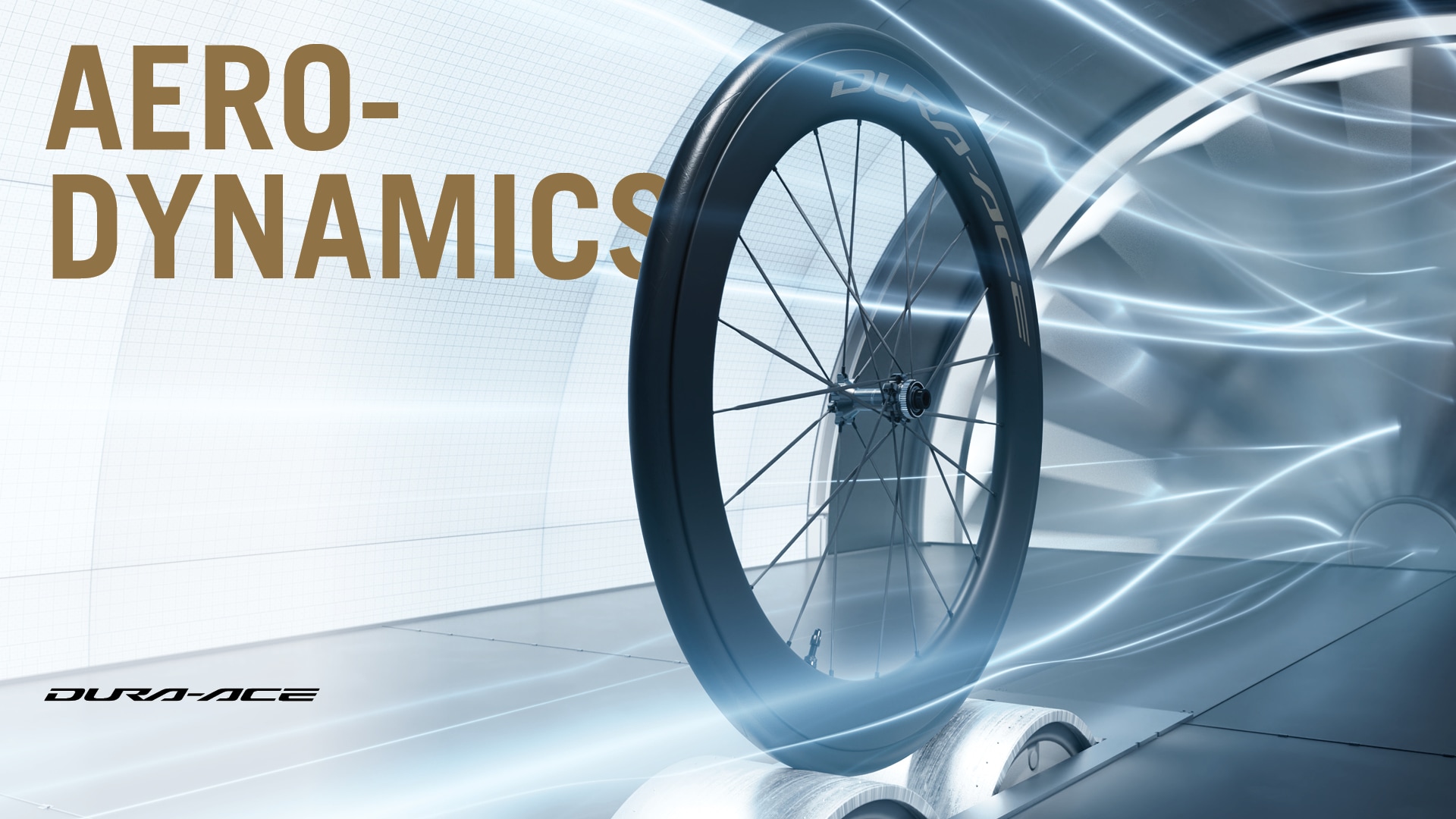
That is why aerodynamics matter so much for wheels. A wheel is always moving through the air, but it is also rotating through it, which makes the aerodynamic challenge more complex than on many other bike parts. Rim shape, rim width, tire fit, and wind angle all influence how efficiently a wheel moves forward.


The Shimano wheel development reflects that reality. Our rim concept was designed around both frontal wind and crosswinds, not just straight-on airflow. Extensive wind-tunnel and road tests showed that a wide rim with a deep tire bed worked best in many riding conditions. At angles from 0 to 15 degrees, the rim profile reduced drag better than other aero rim shapes


This rim design improves lateral stiffness while adding vertical compliance for greater control, comfort, and durability. 


That matters because real roads are rarely ridden in perfect still air. Riders deal with shifting gusts, roadside turbulence, changes in direction, and constantly changing speed. Good aerodynamics is not just about reducing drag in a lab. They are about maintaining speed with confidence when the world outside the lab interferes.

Aerodynamics is only part of the story

A fast wheel does not simply cheat the wind. It also needs to respond to power.


That is where rigidity and weight come in.


Our road wheel development breaks acceleration performance into two big goals: improving drive rigidity and reducing the energy required for acceleration. With improvements of 2.7W and 30.6g drag for the C36, 2.6W and 28.1 g drag for the C50 and 3.5W and 26.4 g drag for the C60, based on a speed of 48 km/h with 30C tires.


That is an important reminder. Riders do not experience speed as a static number. They experience it as feel: how quickly the bike comes up to speed, how directly it responds when they stamp on the pedals, how composed it stays through a fast corner, and how willingly it holds pace once it is moving.


A wheel can test well in one area and still feel incomplete on the road. A deep wheel that is aerodynamic but nervous in gusts, or a light wheel that climbs well but gives away speed on the flat, may suit specific riders and terrain. But for most riders, the best wheel is the one that turns more of your effort into usable speed more of the time.

Why rim depth changes everything

The quickest way to understand modern road wheels is to understand rim depth.


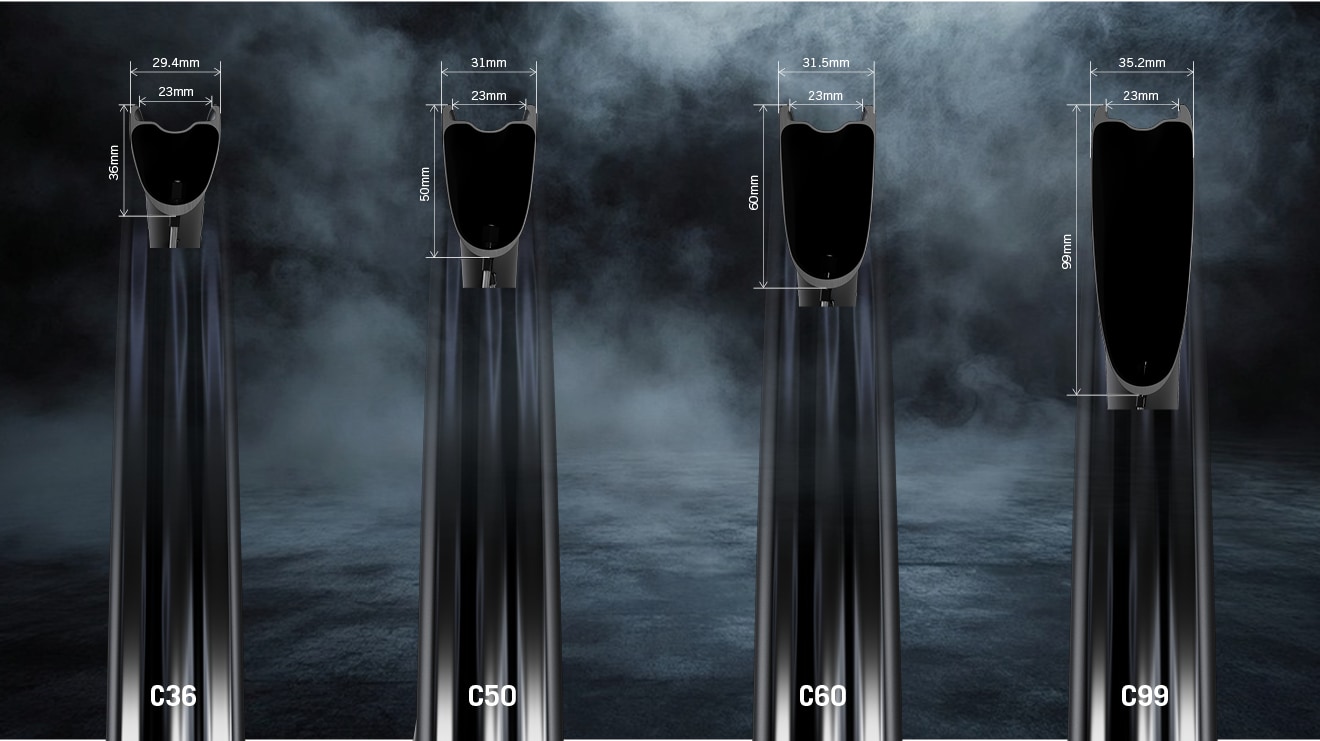
In our performance road wheel lineup, different rim depths are tuned for different riding priorities. The concept is simple: shallower rims prioritize low rotational weight and responsiveness, mid-depth rims aim for the best all-round balance, and deeper rims prioritize aerodynamic efficiency and high-speed stability. 

C36: Built for climbing and rapid acceleration

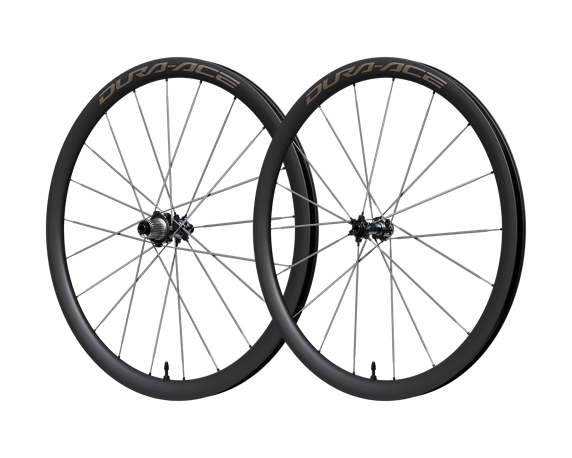
The DURA-ACE C36 is the wheel for riders who want immediacy.


The C36 is the ideal choice for hilly and mountainous rides, with a 36 mm full-carbon rim and 29.4mm external width. It is designed to keep rotational weight low while still delivering useful aerodynamic efficiency. This is the depth for fast accelerations, climbing, punchy attacks, and riders who want a quick, lively response. 


This is the kind of wheelset that suits riders who like to change pace often. On rolling terrain, steep ramps, and courses that reward repeated accelerations, a shallower wheel can make the bike feel more eager. It gets up to speed quickly and feels less reluctant when the road points upward.


In other words, the C36 is not a compromise wheel. It is a purposeful fast wheel for riders who define speed by responsiveness.


C50: The all-round answer

If one rim depth best captures the modern race bike, it is 50 mm.


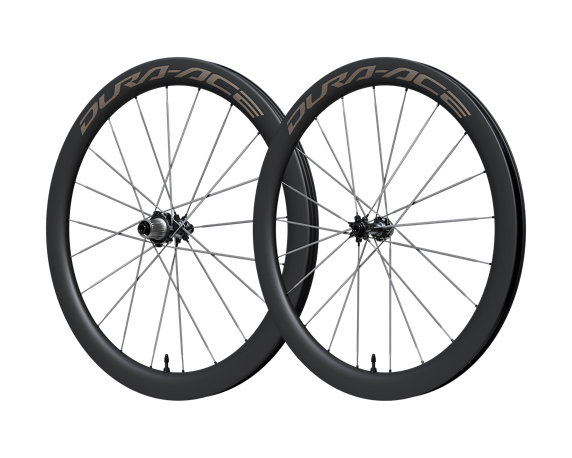
That is why the DURA-ACE C50 sits at the center of the range. It is the ideal blend of low weight and aerodynamic performance. Within the DURA-ACE family, this is the ultimate all-round option for riders who want flat-out speed without giving up climbing ability. The DURA-ACE C50 uses a 50 mm full-carbon rim with a 31 mm external width in the front and 32 mm external width in the rear. 


For many riders, this is the sweet spot.


A wheel like the C50 can feel fast on flat roads, composed in variable wind, and still light enough to make sense when the ride heads into the hills. It is the kind of wheelset that works for race days, hard club rides, mountainous fondos, and riders who do not want to own different wheels for every scenario.


This is where our Science of Speed philosophy becomes easiest to understand. The C50 is not the deepest. It is not the lightest. It is the wheel that does all things well.


C50: The All-Rounder

C50: The All-Rounder

C60: Maximum aerodynamic advantage

Then there is the DURA-ACE C60.


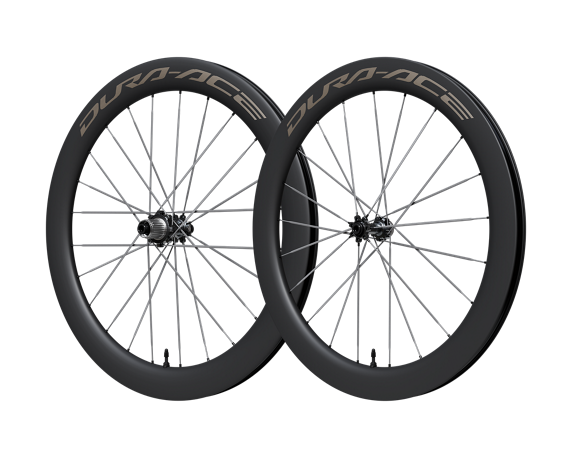
This is the deep section option for riders chasing absolute speed in high-speed situations. This is the wheel for breakaways, long solo efforts, and powerful sprinting. The wheel uses a 60 mm full-carbon rim with a 31.5 mm external width in the front and 32.3 mm external width in the rear, and the DURA-ACE C60-HR version adds 20% more lateral rigidity for powerful riders and sprinters. The C60 uses a specific front hub design with OPTBAL 2:1 spoke pattern and stiffer spokes to enhance lateral rigidity, and its deep-section rims were wind-tunnel tested for a faster, more stable cross-section. 


This is the wheel for riders who want to defend speed once it is high.


On a fast course, in a break, in a solo move, or when sprinting hard with real power, the aerodynamic benefit of a deeper wheel becomes easier to feel. It helps the bike carry momentum. It rewards committed efforts. And when designed well, it can do that without becoming a liability in variable wind.


That last part matters. Aero is not useful if it makes you cautious. A fast wheel has to let you push the tempo.


The importance of rim width in modern wheel performance

One of the less flashy but more important developments in road wheels is rim width.


Our current high-performance carbon road rims use a varying external width across the DURA-ACE lineup. This width improves aerodynamic efficiency in both frontal and crosswinds, while also creating a larger contact patch for modern 25, 28, and 30C tires, improving grip and comfort. 


Modern performance road bikes no longer chase speed through narrow tires alone. Riders now expect a faster wheel to work with wider tires, lower pressures, better control, and more confidence across imperfect road surfaces. Aerodynamics still matter, but so does usable speed over rough tarmac, through corners, and late in long rides when fatigue starts to affect handling.


A well-shaped modern rim helps connect those dots. It is not only about reducing drag. It is about helping the whole wheel-and-tire system work better.


Why system design still matters

A wheel is never just a rim.


Hub design, spoke pattern, axle standard, tubeless compatibility, and rotor interface all affect how the wheel performs and how it fits into the wider bike system. Our high-performance road wheels are tubeless-ready out of the box with tape and valve stems preinstalled, and they all use CENTER LOCK disc brake mounts. Our road wheel families also use tool-less E-THRU axle technology for rigidity and ease of wheel changes. 


In DURA-ACE specifically, we use DIRECT ENGAGEMENT in thefreehub to increase driving rigidity and create a more direct pedaling feel during acceleration. The DURA-ACE R9270 freehub is 12-speed-only and features a new spline design intended to reduce spline damage over time. 


These details may look secondary next to rim depth and weight, but they shape the full ride experience. The best wheelsets feel cohesive. They do not just test fast. They behave like a complete system.

DURA-ACE, ULTEGRA, and RS710: same philosophy, different rider

At Shimano, we organize our performance road wheels into three tiers.


DURA-ACE is the flagship option built for ultimate race performance. ULTEGRA carries much of the same design language and shared rim profile, but with more value-oriented materials and broader drivetrain compatibility. RS710 brings that same family DNA to SHIMANO 105-level, balancing performance, design, reliability, and value. 


That matters because good wheel choice is not only about chasing the top-tier option. It is about choosing the right expression of the same idea.


Across these ranges, the philosophy remains consistent: match aerodynamics, rigidity, and weight to the kind of riding you actually do.

So, which wheel is fastest?

The honest answer is: the fastest wheel depends on the rider, the terrain, and the way speed is produced.


For a pure climber or a rider on steep, constantly changing roads, a wheel like the C36 may be fastest because it accelerates so willingly and keeps the total system feeling light and reactive. For many riders, a C50-style depth will be fastest overall because it offers the broadest mix of aerodynamic gain, climbing ability, and confident handling. For riders targeting breakaways, fast flat races, TTs, or powerful sprinting, the C60 brings the greatest aerodynamic advantage. Aerodynamics matter enormously. But road wheel performance is never one-dimensional. The fastest wheel is the one that helps a rider maintain speed in the conditions they actually ride in.

The answer: Balance wins

The right wheel threads the eye of a needle; that same unique aspect that turns talent into champions is the element that turns the features of a wheel into a weapon.


We build our wheels around balance. The balance between aero efficiency and control, between low weight and rigidity, between wind-cheating speed and real-world handling. The result is a range where every depth has a purpose.


And that, in the end, is what modern road wheel design should do. Not simply look fast. Not simply test fast. But make speed easier to reach, easier to hold, and easier to trust.