en-GLOBAL

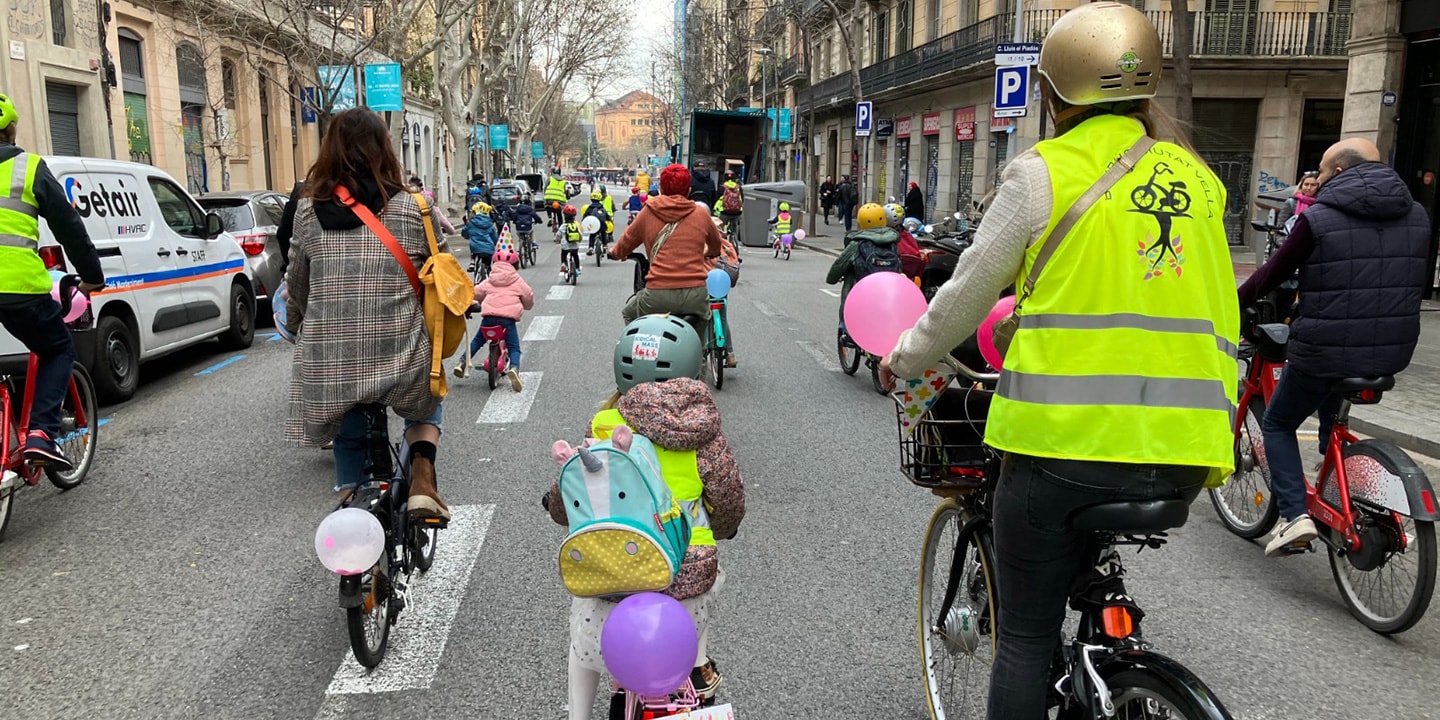
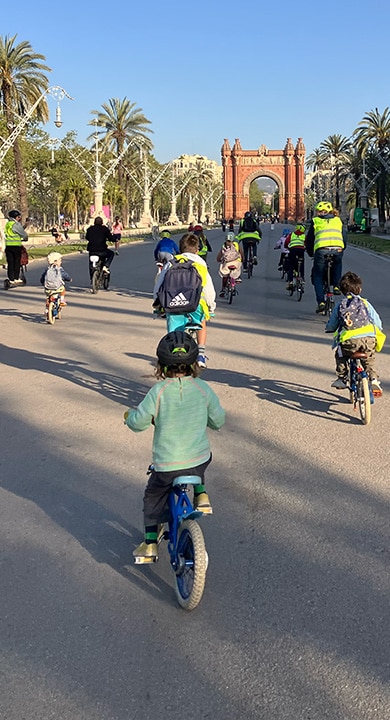
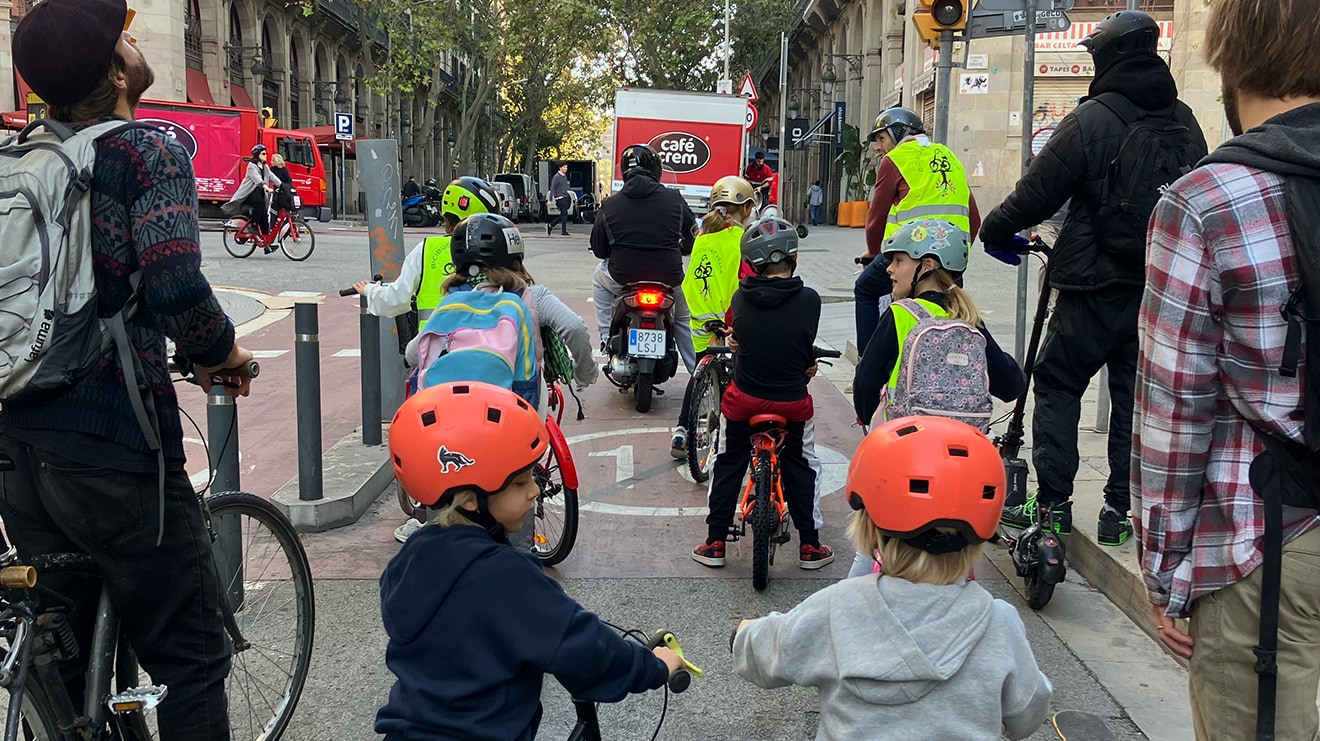
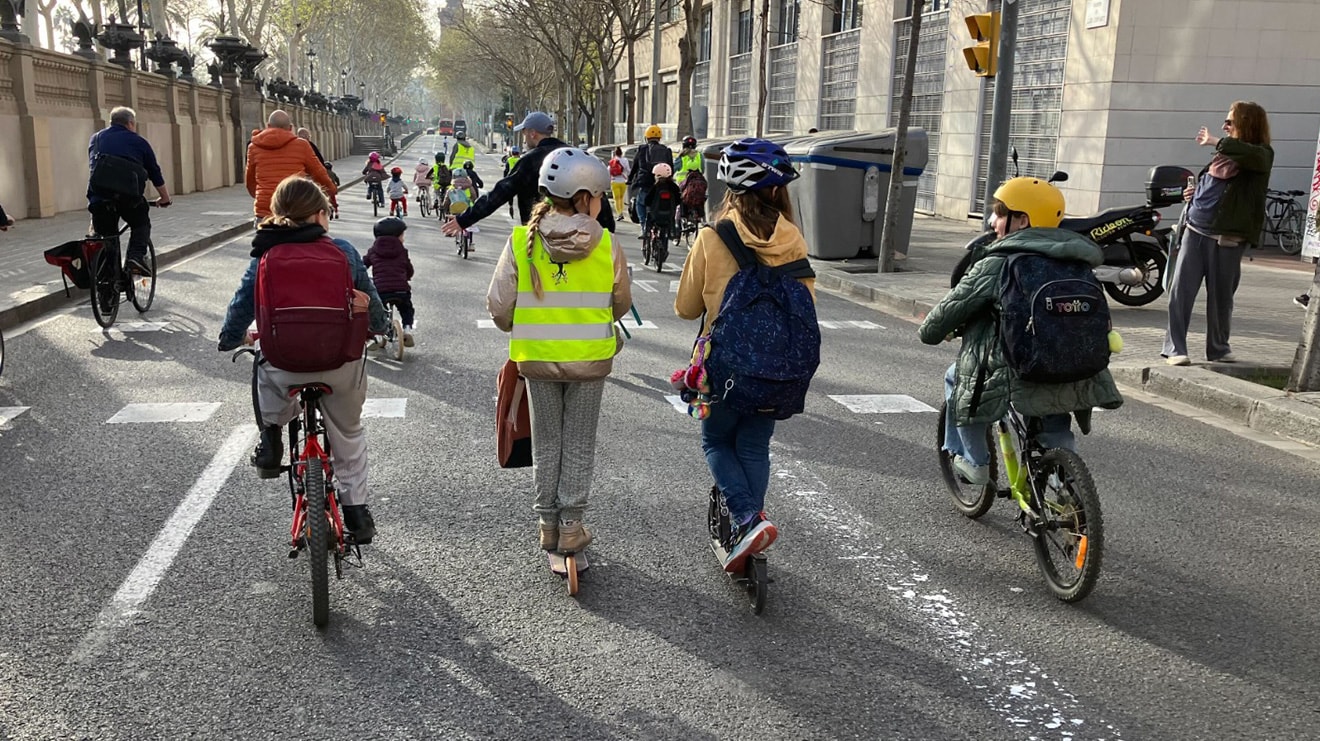
Sometimes the best ideas are the simple ones. The bike bus is one of those ideas. A group of children and parents ride to school together, on a set route, at a set time, picking up more riders along the way. It is as joyful as it is simple, and where it works it quietly changes how a neighbourhood thinks about its streets.


The Bike Bus Accelerator exists to take that idea further and faster. Initiated by Shimano and delivered by the global NGO BYCS, it is a multi-year programme that helps people start, grow and sustain bike buses, so that a safe, fun ride to school becomes normal for more children across Europe. It launches with a free family celebration in Barcelona on Friday 3 July, the day before the Grand Départ of the Tour de France.
What is a bike bus?

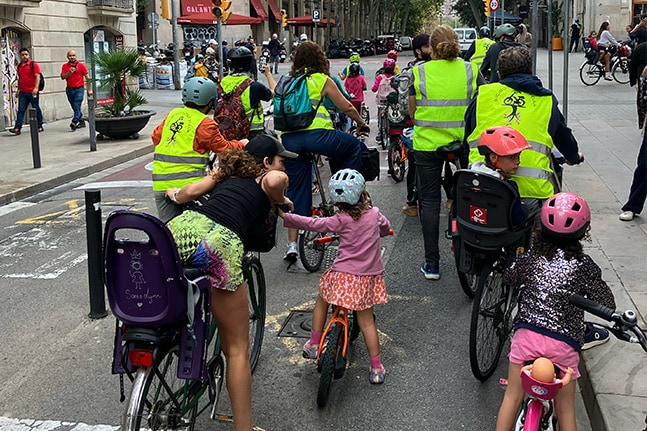
A bike bus is about as straightforward as transport gets. Children and parents ride to school together along a fixed route, leaving at a set time and collecting riders at agreed points on the way. There is no timetable to print and no engine to maintain. There is just a group of people who have decided the journey is better done together. Sometimes they’re led by parents, sometimes by volunteers but the principle is the same.


The appeal is partly practical and partly something harder to measure. It turns the school run into the best part of the morning. It also shows, in the most visible way possible, what becomes possible when streets are designed around people rather than only around cars.

What is the Bike Bus Accelerator?

Most bike buses are run by people who want to make a positive impact in their community. And most bike buses solve the same problems each time: planning a safe route, recruiting families, handling the admin, keeping momentum through the winter. The Bike Bus Accelerator is built to help scale; it aims to connect organisers and share the knowledge and tools that already exist. It aims to also provide financial support to new and established bike buses so the movement can scale.


The programme works to three principles: knowledge, connection and tools.

Knowledge The expertise, route planning and practical know-how that experienced organisers have built up, shared so no one has to reinvent the wheel.
Connection Linking volunteers, parents and teachers across cities so a lesson learned in one place can help a bike bus somewhere else.
Tools Practical resources and financial support, including a grant programme launching later in 2026 to help kickstart new bike buses.

The Accelerator has six focus cities, each with its own cycling challenges: Barcelona, Lisbon, Vienna, Glasgow, Utrecht and Copenhagen.

BBA Posts - BBA Post_03

Who is the Bike Bus Accelerator for?

It is for the people who already make bike buses happen, and the people who would if they knew where to begin. As BYCS puts it, bike buses are usually started by parents and teachers with little more than a route map, a group chat and a lot of determination. The Accelerator is for them first: the volunteers who want to grow what they have started, and the families who want to bring a bike bus to their own school but do not want to build everything alone.


If that sounds like you, the programme is designed so that you do not have to start completely from scratch.

The launch: Barcelona, Friday 3 July

The Accelerator launches with a free, family-friendly celebration beside Barcelona's Arc de Triomf, from 08:30 on Friday 3 July, the day before the Tour de France Grand Départ. Families are encouraged to ride to the event together with neighbours, classmates and friends. There is supervised bike parking under the Arc de Triomf, and registration is via Bikebusaccelerator.org


At the event, children will see the finale of a helmet design competition. Every young designer is celebrated on stage, and the winning design is revealed as a bespoke helmet. The first 150 children to arrive receive a free helmet, and the first 500 receive a goodie bag. Children and advocates will also sign a Children's Manifesto in support of bike buses and safer streets for cycling to school.


The winning design then travels into the race itself, appearing on Team Picnic PostNL riders' Lazer helmets on Stage 2 of the Tour de France.

What comes next in 2026

Barcelona is the first of two landmark moments this year. In September, bike buses around the world will ride on the same day in an attempt to set a record for the biggest bike bus ever, turning a local idea into a global show of intent.


Later in 2026 the Accelerator will open a grant programme, judged by a panel of experts, to help kickstart new bike buses and lower the barriers for the volunteers who keep existing ones running.

In their words

“Bike buses are started by parents and PE teachers, often with nothing more than a route map, a group chat and a lot of determination. We want to help more people do this by sharing expertise and helping kickstart new movements. Every child deserves a safe route to school, and families shouldn’t have to reinvent the wheel to make that happen. The Accelerator exists so that no one has to start completely from scratch – when we learn from each other, the whole movement moves faster.”

Maud de Vries, CEO of BYCS


“This movement belongs to the parents, teachers and children who ride every week – our role is the one we know best: being the part that helps all the other parts move together. A bicycle only works when every component does its job, and a bike bus is no different. We’re proud to support the programme to help grow, start and raise attention for bike buses across Europe.”

Ties van Dijk, Advocacy Specialist at Shimano Europe

Why Shimano and BYCS are behind it