


SELECT LOCATION AND LANGUAGE
GLOBAL
AMERICAS
-
BELGIUM
FRANÇAIS
-
BELGIUM
NEDERLANDS
-
NETHERLANDS
NEDERLANDS
-
SWITZERLAND
DEUTSCH
-
SWITZERLAND
FRANÇAIS
-
SWITZERLAND
ITALIANO
-
AUSTRIA
DEUTSCH
-
FRANCE
FRANÇAIS
-
GERMANY
DEUTSCH
-
ITALY
ITALIANO
-
SPAIN
ESPAÑOL
-
PORTUGAL
PORTUGUÊS
-
POLAND
POLSKI
-
UNITED KINGDOM
ENGLISH
-
SWEDEN
SVENSKA
-
DENMARK
DANSK
-
NORWAY
NORSK
-
FINLAND
SUOMI
EUROPE
ASIA
OCEANIA
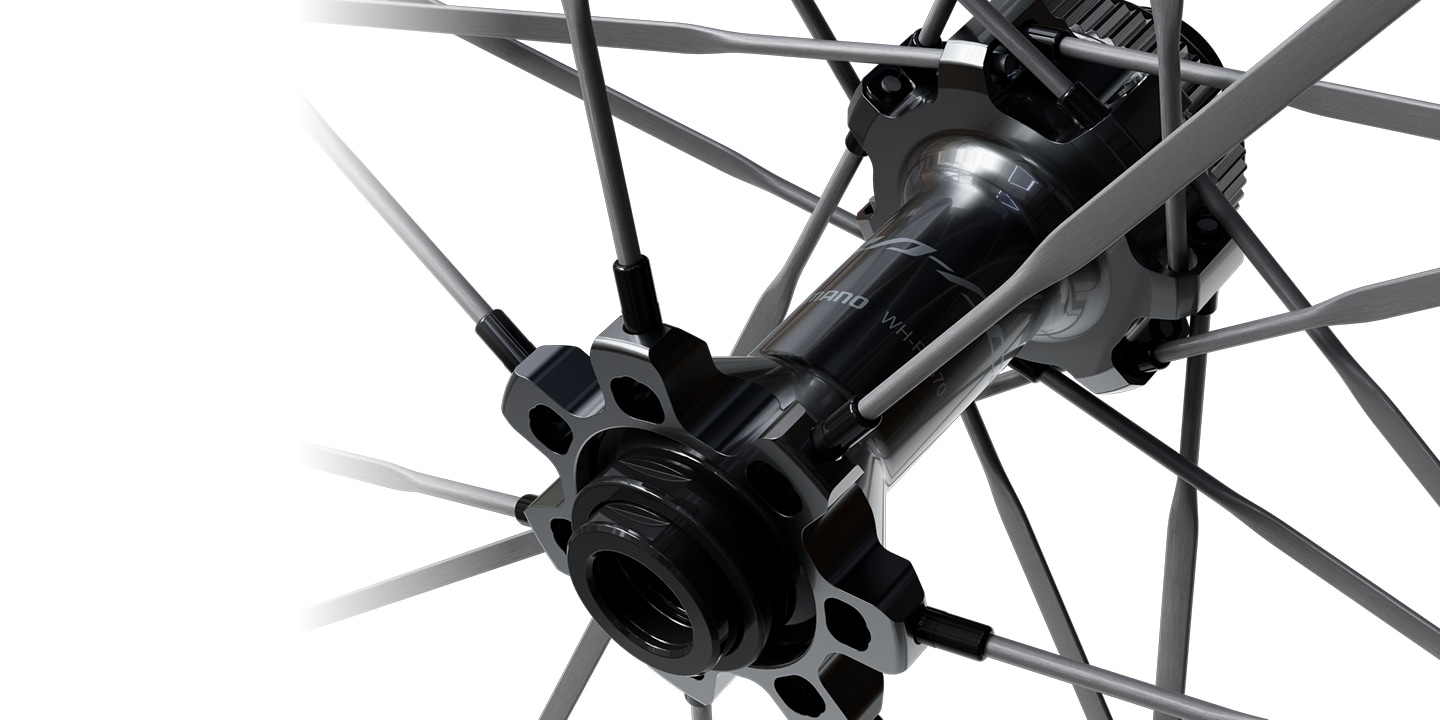
Lightweight Wheels
How we use material to build speed
Lightweight Wheels
How we use material to build speed
In this article:
- See how Shimano has reduced wheel weight over the years through evolving rim and spoke materials
- Learn why lightweight performance is never just about grams, but about stiffness, aerodynamics, and ride feel
- Understand how rims, spokes, hubs, and freehubs work together in modern DURA-ACE road wheels
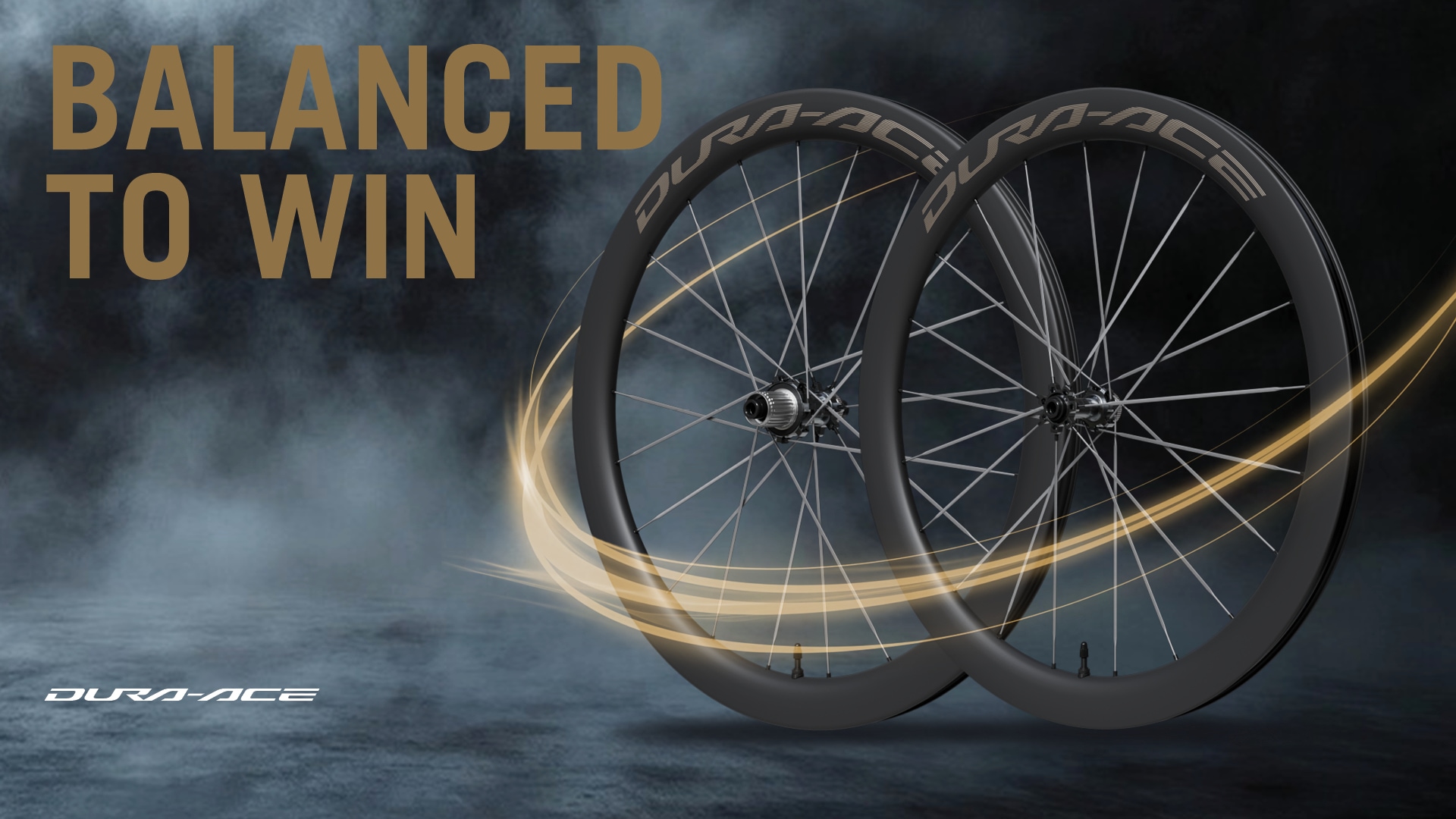

When riders talk about speed, they often start with wheels.
That makes sense. Wheels are one of the most noticeable upgrades you can make to a road bike. They affect how a bike accelerates, how it holds speed, how it behaves in crosswinds, and how it feels when the road tilts upward, or the pace suddenly lifts.
But wheels are also easy to oversimplify.
It is tempting to think that deeper rims always means faster, lighter always means better, and aero always means race day only. In reality, the best road wheels are not built around one number. They are built around balance.
That is the thinking behind our road wheels, and especially the DURA-ACE wheel family. In the Science of Speed approach, wheel performance is shaped by three core factors: aerodynamics, rigidity, and weight. The goal is not to maximize one in isolation. It is to optimize the relationship between all three for real riding, in real conditions.
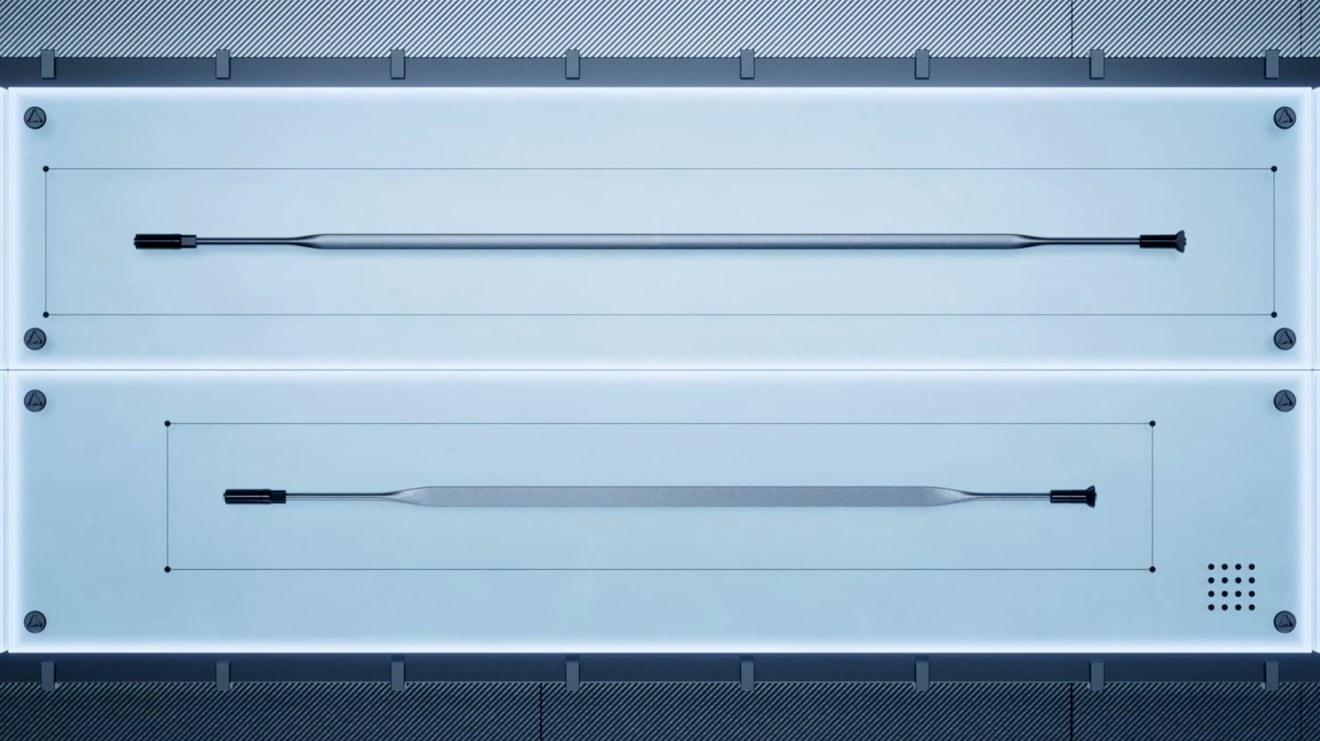
R9300 Generation DURA-ACE Spokes
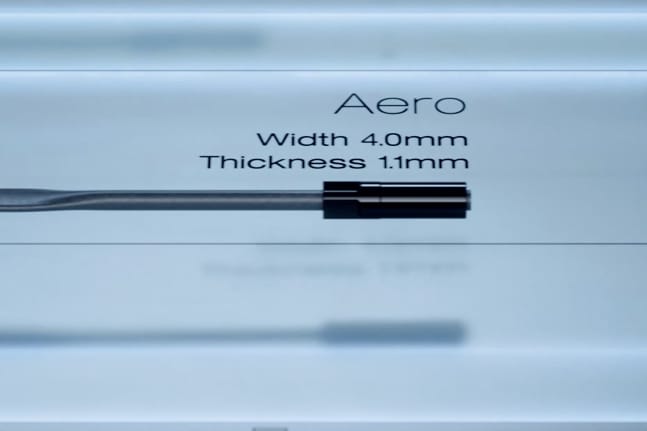
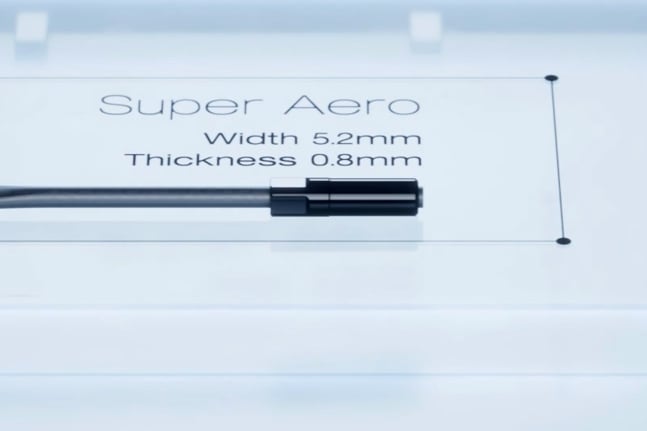
The new WH-R9370 DURA-ACE wheel lineup features specially designed carbon spokes and specific lacing patterns. Spoke choices are about function, not just appearance.
- Aero:
-Width: 4.0 mm
-Thickness 1.1 mm
- Super Aero:
-Width: 5.2 mm
-Thickness: 0.8 mm
Spokes affect how stiff the wheel feels sideways, how quickly it accelerates, and how directly power turns into movement. We created different spoke patterns for climbing, sprinting, and general riding, so each wheel is suited to its purpose, as the overview below shows.
| Model | Front | Rear | Designed For |
|---|---|---|---|
| C36 |
Spoke type: Aero Spoke No.: 18 Rim external width: 29.4mm |
Spoke type: Aero Spoke No.: 21 Rim external width: 29.4mm |
Exceptionally light for climbing stages |
| C50 |
Spoke type: Aero Spokes: 21 Rim external width: 31mm |
Spoke type: Aero Spoke No.: 21 Rim external width: 32mm |
Versatile performance |
| C60 |
Spoke type: Aero Spokes: 21 Rim external width: 31.5mm |
Spoke type: Aero Spokes: 24 Rim external width: 32.3mm |
The Sprinter’s choice |
| C99/DISC |
Spoke type: Super Aero Spoke No.: 16 Rim external width: 35.2mm |
DISC | Time trial and triathlon |
Lightweight performance starts with where the weight is
Not all weight on a wheel matters equally. Let’s break it down. In acceleration, weight at the outer edge of the wheel contributes more to inertia than weight near the center, which means reducing rim weight has an outsized effect on how quickly a wheel comes up to speed. For instance, when you compare the newer WH-R9270-C36 to the earlier R9170-C40, a large share of the reduction in acceleration energy came specifically from lowering outer-circumference weight.
That is why lightweight wheel design begins with materials, but not only with materials. It also begins with placement. The rim, the spokes, the hub shell, the axle, and the freehub body all do different jobs. So they do not all need the same material, and they do not all benefit equally from the same kind of weight saving.
This is the real story of our wheel development over time: not a simple march toward less, but a more refined understanding of where less matters most.
Carbon where it matters, alloy where it counts
One of the clearest examples of our material thinking appears in the DURA-ACE wheel families from the early 2010s.
The WH-R9000-C24 and C35 road wheels paired low spoke counts and bladed butted spokes with relatively narrow 15C rims and lightweight build targets; for example, the C24 used 16 spokes front and 20 rear, while the C35 used 16 front and 21 rear.
One generation later, the R9100-era rim-brake wheels reveal more about our material strategy. The WH-R9100 C40 tubular and C60 tubular models used full carbon rims, while other wheels in the broader family, such as the RS700 C30 tubeless, used Carbon and Aluminum rim construction. The rear freehub body on the R9100 C40 tubular rear wheel was titanium, while spokes remained stainless steel with aluminum nipples.
The rim was already the first place to chase meaningful savings, but not every wheel was pushed to the same material extreme. Some wheels used carbon where aerodynamic shaping and reduced rim mass mattered most, while alloy remained part of the structure where it offered dependable braking surfaces or practical tubeless construction in the rim-brake era. At the same time, the hub system was lightened with titanium freehub bodies and aluminum hub shells and axles.
That was not a compromise in the negative sense. It was a selective use of materials. Carbon, aluminum, titanium, and stainless steel each had a role.
Why spokes matter more than they seem to
Spokes are often discussed as though they are only structural links between hub and rim. In reality, they are part of a wheel’s weight distribution, its lateral behavior, and its ride feel.
Across multiple generations of SHIMANO road wheels, one detail remains strikingly consistent: stainless steel spokes. In the archived R9100 wheel specifications, the spoke material is listed as stainless steel. In the R9270 disc-brake wheel specifications, it remains stainless steel as well.
As rims moved from laminate constructions to full carbon and hub systems evolved toward newer engagement systems and thru-axles, we did not abandon stainless steel spokes in pursuit of novelty for its own sake. Instead, the spoke format itself was refined through straight-pull, bladed, and butted designs, with different diameters and counts depending on rim depth and intended ride character. The R9270 C50 and C36, for example, use 24 straight-pull, bladed, butted spokes with 2.0-1.5-2.0 profiles, while the C60-HR uses 2.0-1.8-2.0 spokes to support its high-rigidity brief.
The answer was not necessarily a different material. It was a better use of the existing one.
Spokes have to be light, yes. But they also have to sustain tension, resist fatigue, support aerodynamic goals, and integrate with the ride intention of each wheel depth. Stainless steel continues to make sense there because the design around it has become more sophisticated.
Lightweight, but with acceleration and control
The R9300 wheels improved drive rigidity significantly over the earlier R9200 benchmark and reduced the energy required for acceleration by 2.2W and 178 g on the C36, 1.9W and 159 g on the C50, and 2.7W and 218 g on the C60.
The question has never been: “How do we make the lightest wheel possible?”
The question has been: “How do we use materials to make a wheel accelerate crisply, carry speed efficiently, and stay trustworthy under load?”
That is why rim depth, spoke spec, freehub structure, and axle format all sit in the same conversation. The current performance lineup combines lower weight, faster aerodynamics, DIRECT ENGAGEMENT hubs, E-THRU axles, and full-carbon rims because these elements reinforce one another.
What material choices say about wheel philosophy
Earlier performance wheels blended carbon and aluminum, where each material best served the demands of the time. Titanium appeared in rear freehub bodies, helping reduce weight in premium rim-brake systems. Stainless steel remained the spoke material because it continued to deliver the right mix of strength, durability, and ride quality.
Then, as road technology evolved, we moved toward full-carbon performance rims, wider modern profiles, aluminum freehubs with smarter spline architecture, and DIRECT ENGAGEMENT hub systems that reduced weight while improving drive rigidity.
That is not a random sequence of material swaps. It is a coherent engineering philosophy.
· Use carbon where reduced outer-circumference weight, shape freedom, and stiffness matter most.
· Use aluminum where precision machining, lower central mass, and refined structural interfaces create the best system result.
· Use stainless steel where fatigue life, spoke behavior, and reliability remain essential.
And keep evolving the architecture around those materials so each one does more.
The real meaning of a lightweight wheel
A lightweight wheel should not just weigh less. It should feel more alive.
It should rise with the road rather than resist it. It should answer an acceleration with immediacy. It should hold a line in a fast corner and keep that feeling after a season of riding, not just the first few weeks.
That is why the material story matters. Because the best wheels have never been built by chasing a single substance or a single number. They have been built by understanding how each material contributes to the whole. Rim by rim, spoke by spoke, hub by hub, that is how lightweight performance is made.
And over the years, that is exactly how we made our wheels faster.



