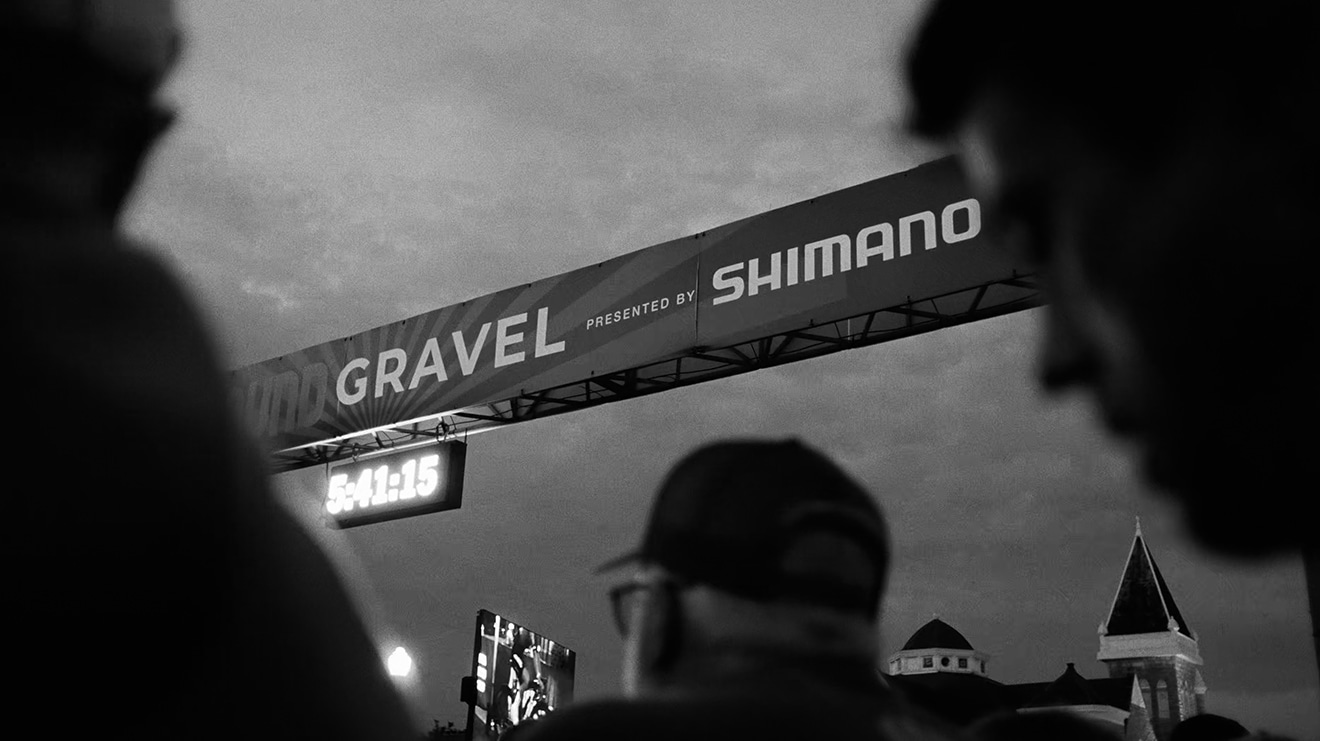
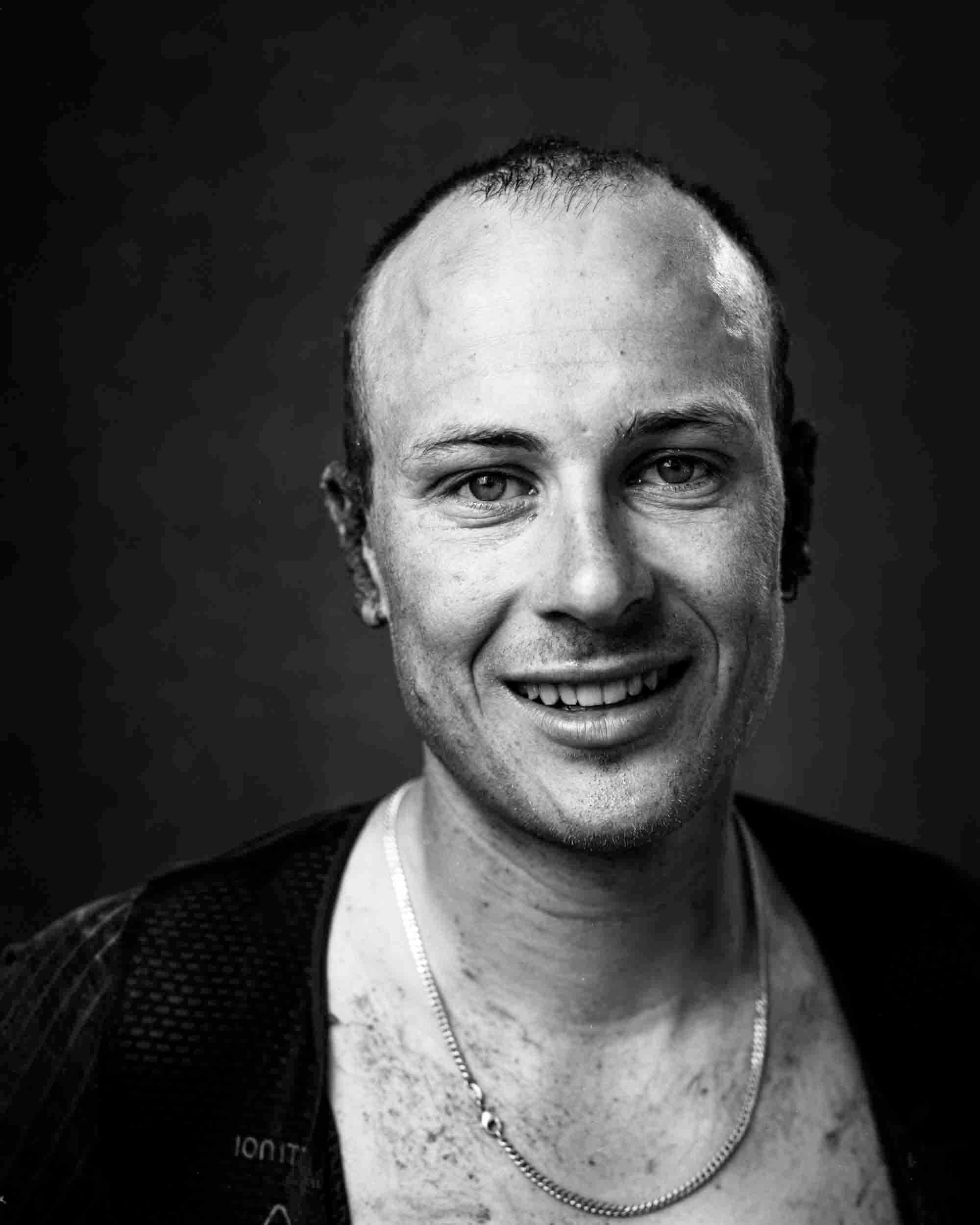
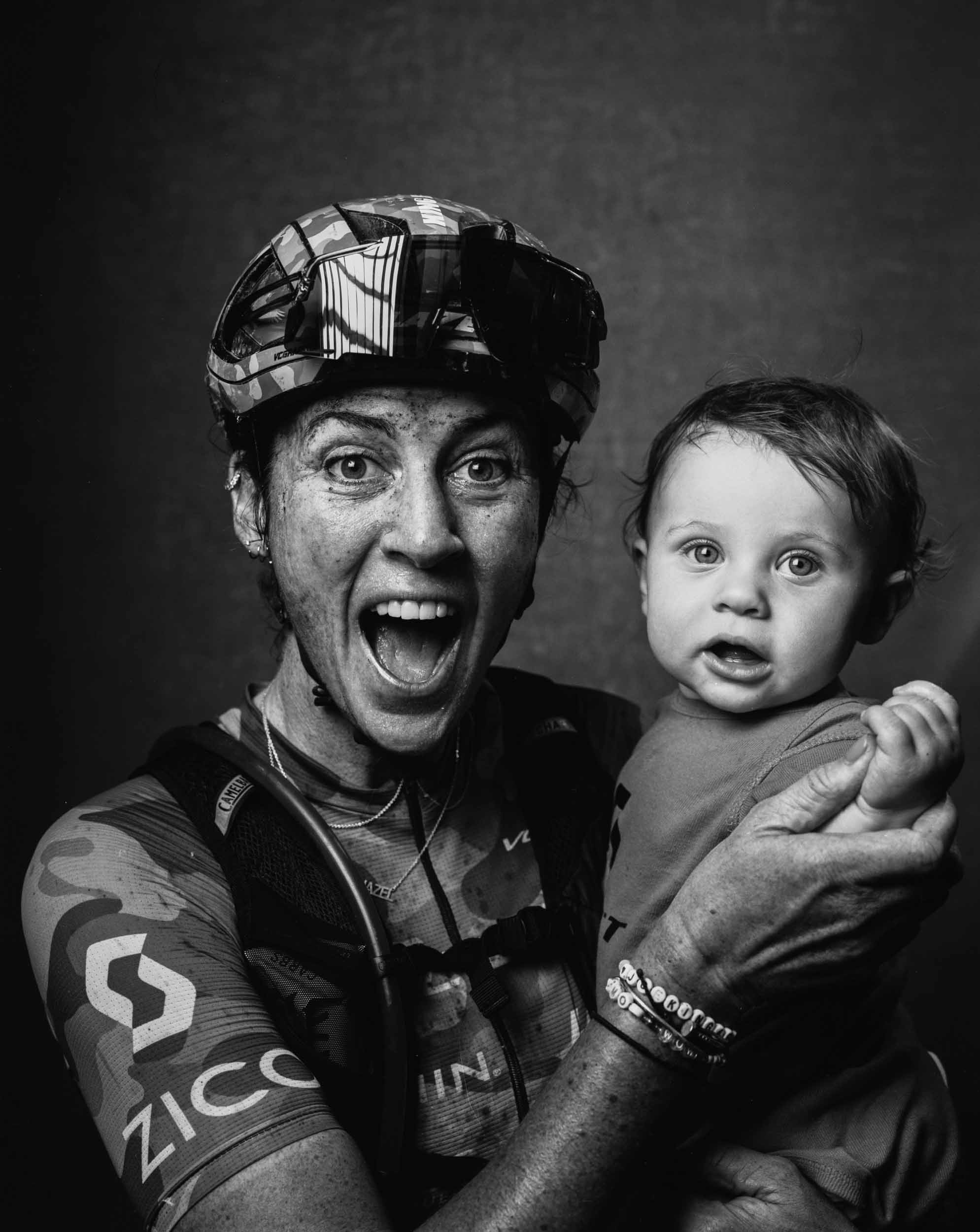
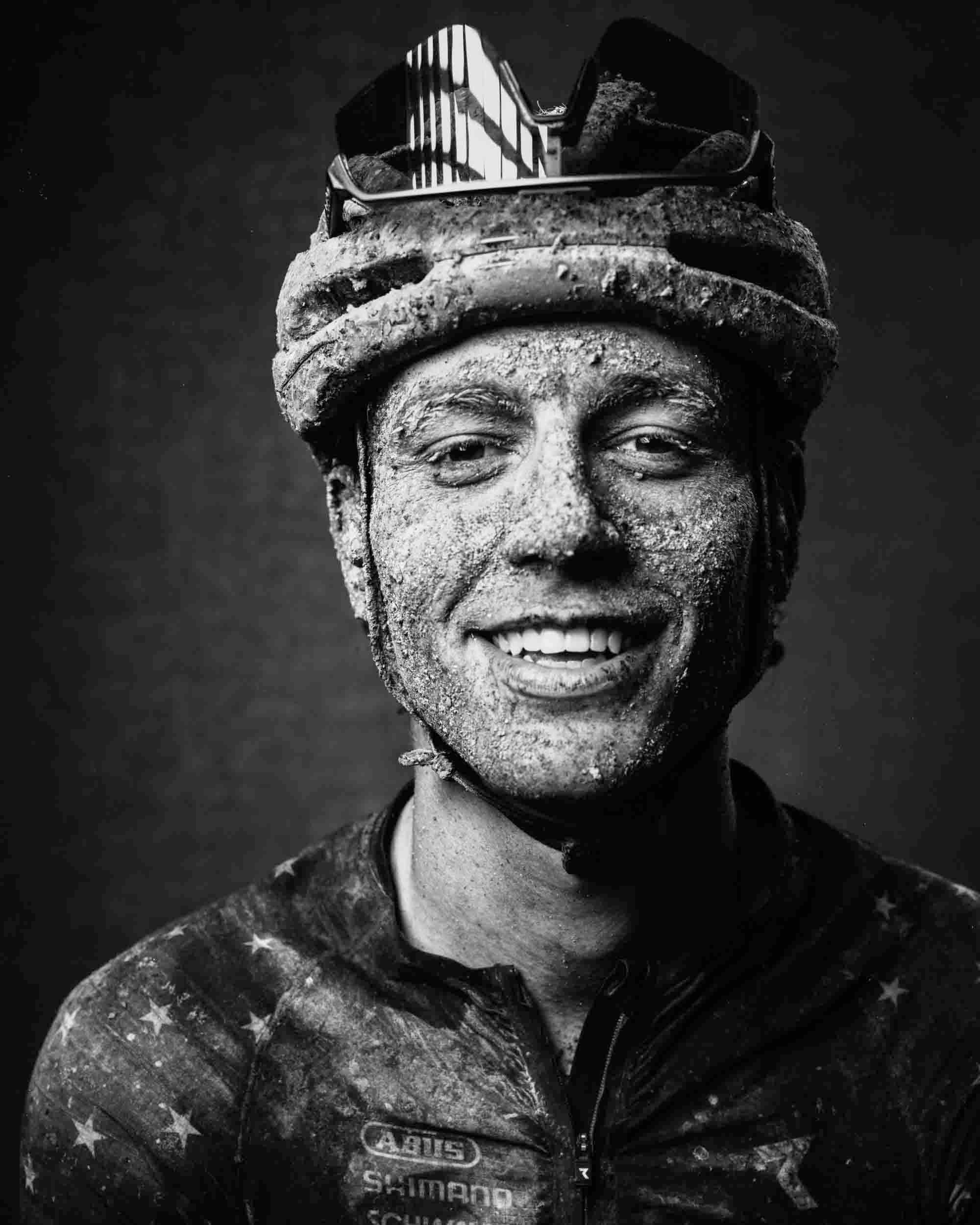
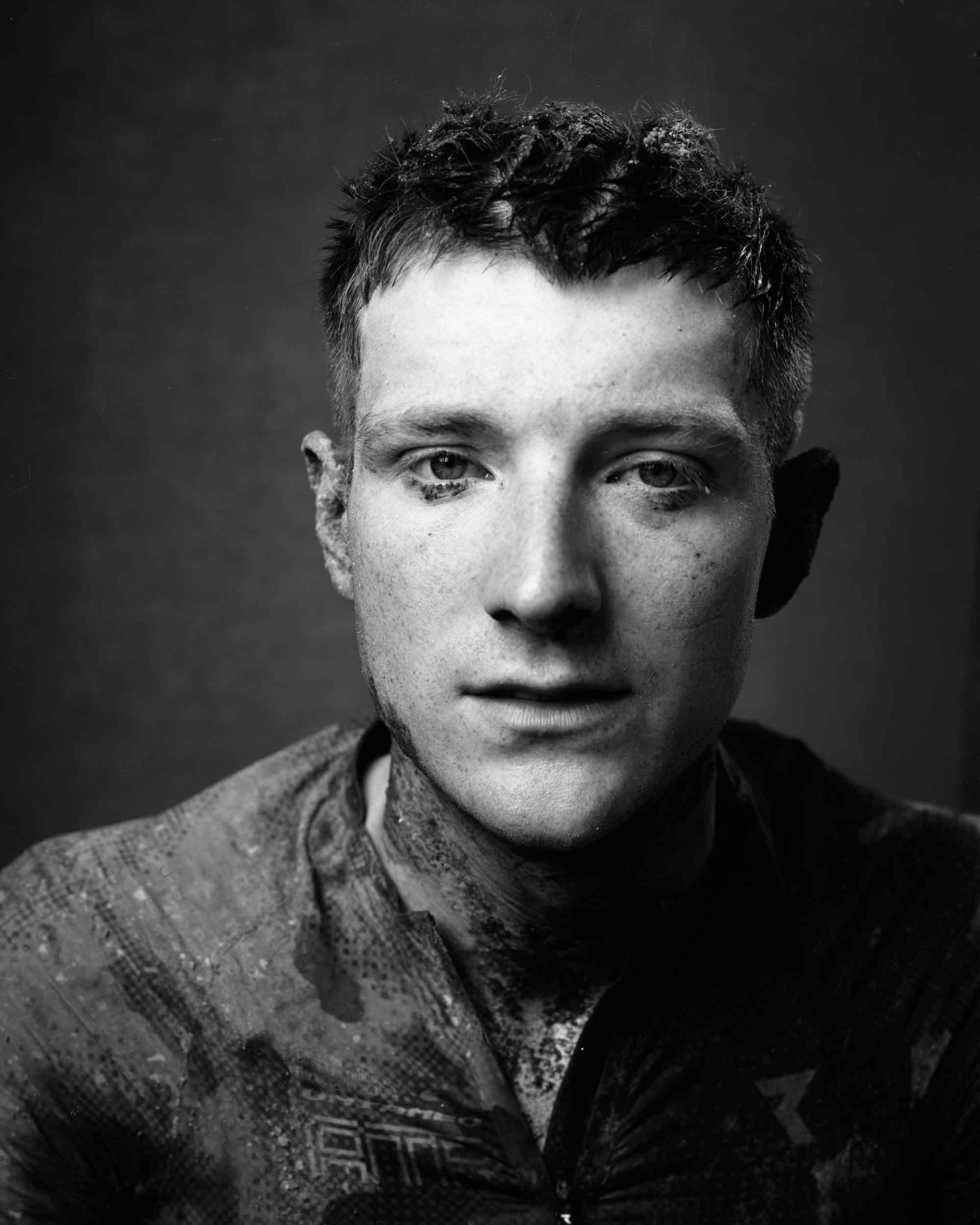
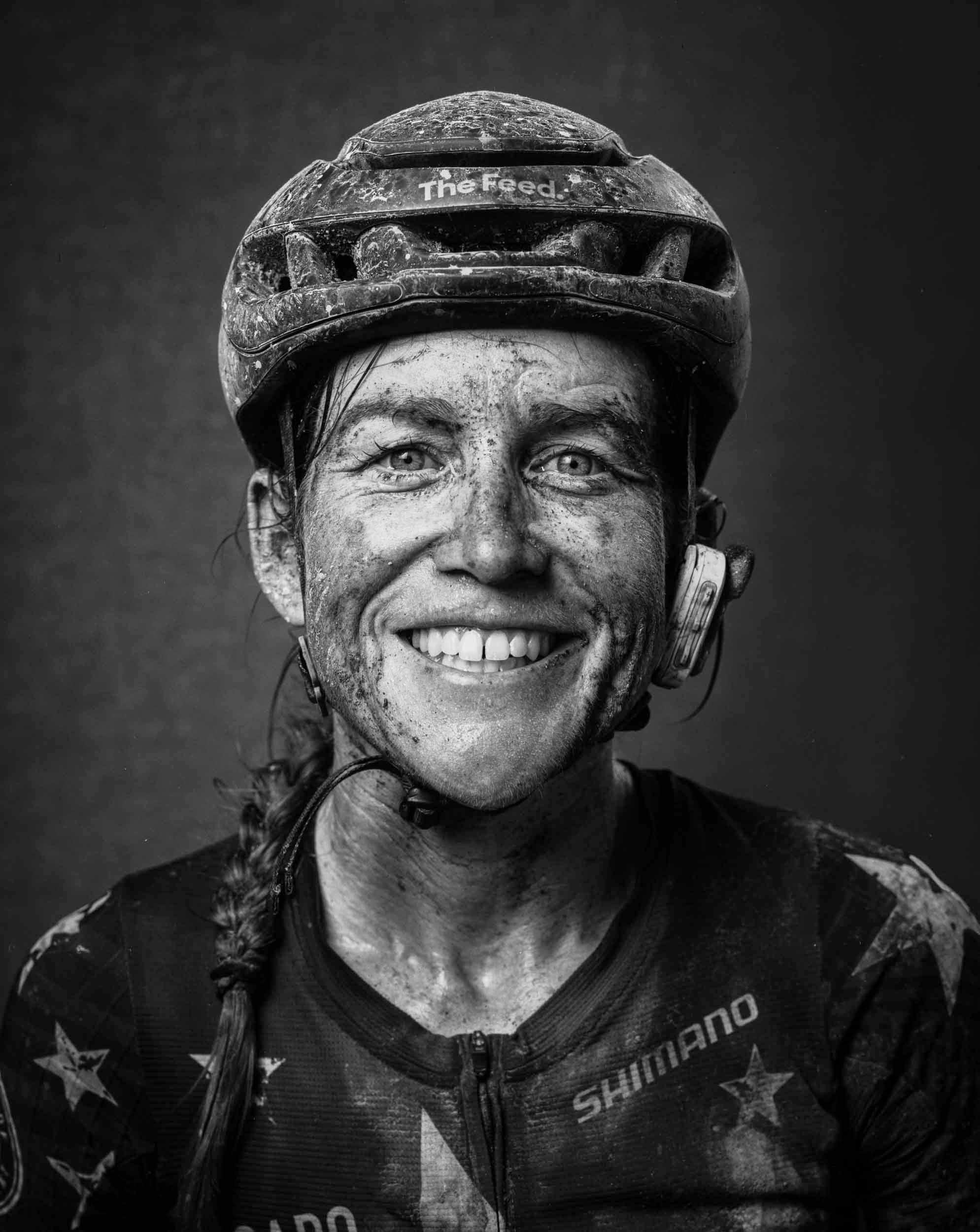
Kevin Fickling has a unique appreciation for the road less traveled. The Southern California-based commercial photographer has shot everything from high fashion to luxury sports cars. Yet some of his most prized images were created in and around Emporia, Kansas, while covering Unbound Gravel, the famed cycling event that helped transform off-the-beaten-path bike racing from a niche-of-niche discipline into the popular form of two-wheeled off-road adventure it is today.


“The event just holds a different weight,” says Fickling, who figures he’s been on the ground at the world’s most prestigious gravel cycling race for the last eight or nine years and has done extensive work for SHIMANO during that same time. “UNBOUND is the biggest gravel race on the calendar by far.”


But Fickling’s fascination with UNBOUND goes beyond World Tour stars and high-octane racing at the front of the field. It’s how the event strips people down, revealing a powerful human rawness not often witnessed in our day-to-day lives.
play icon

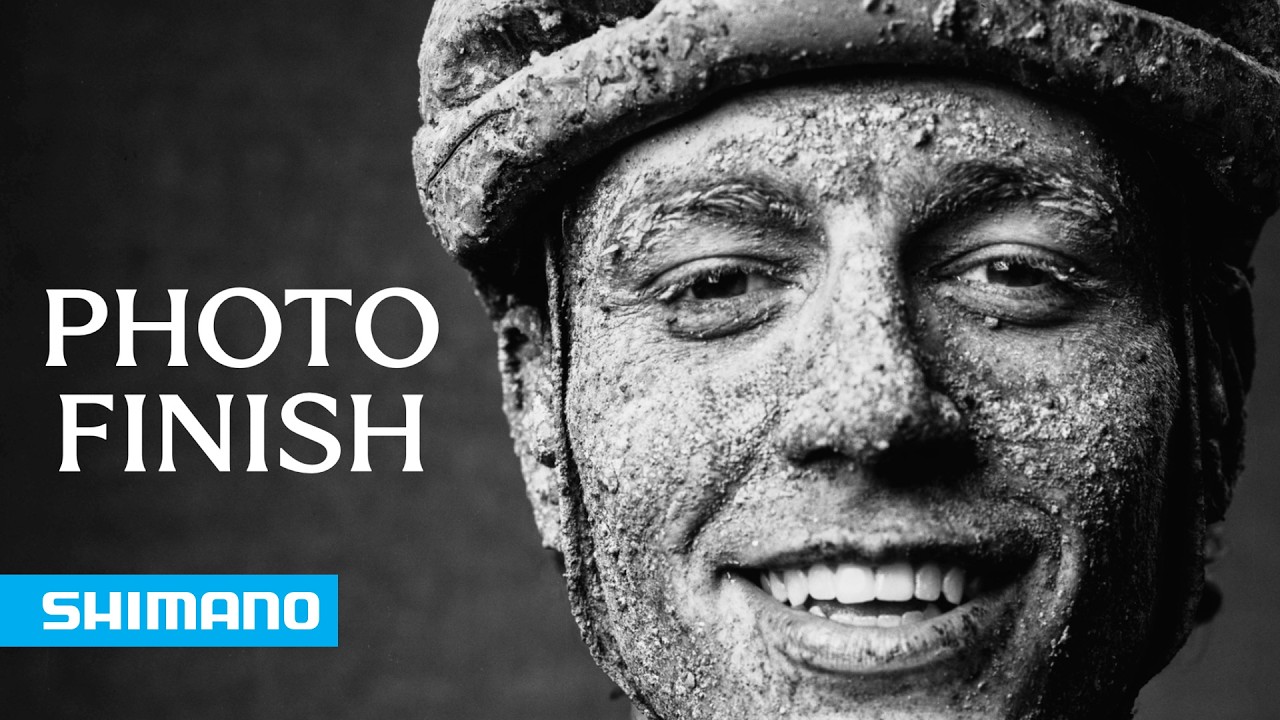
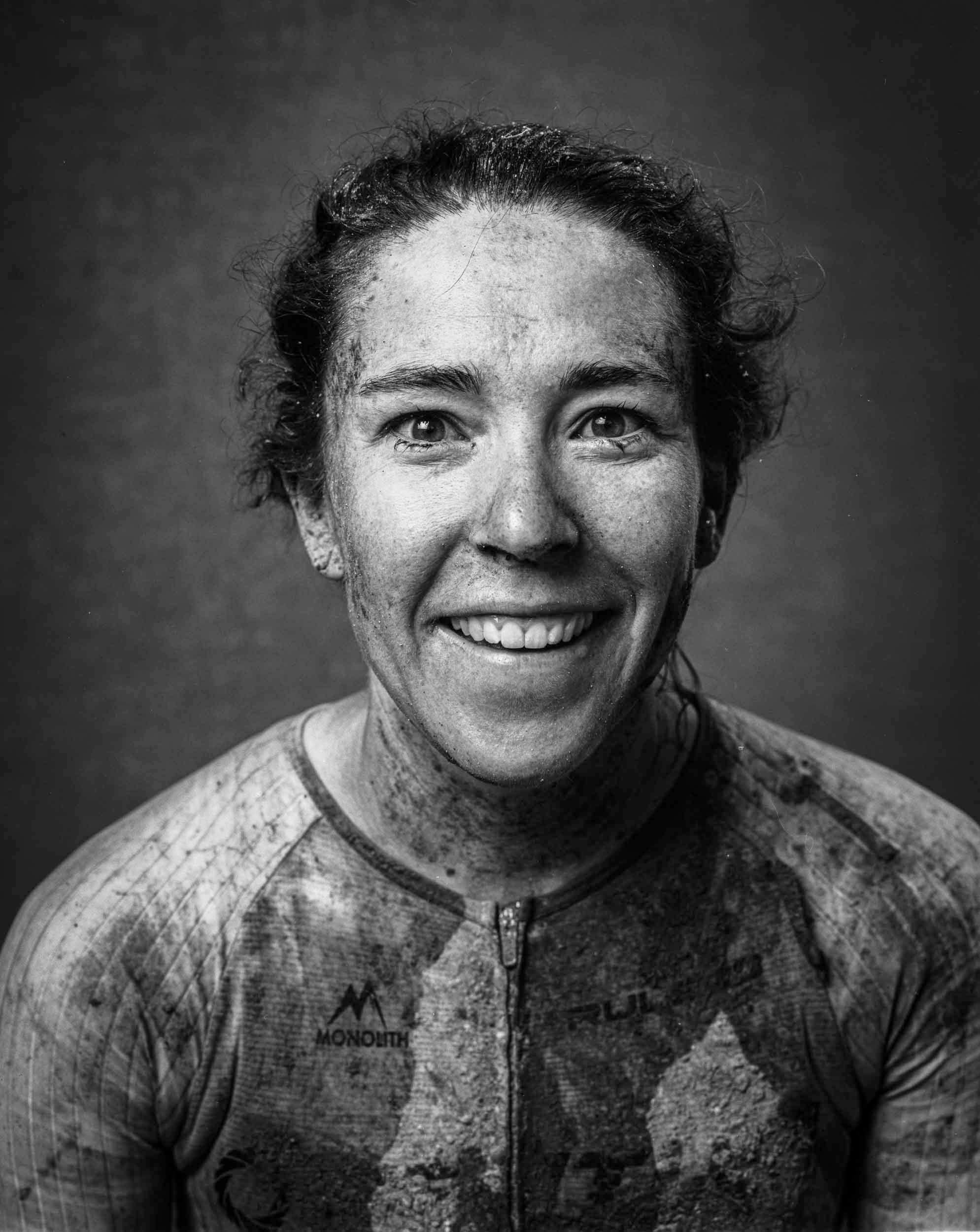
“In all my years as a photographer, I’ve never seen people so drained like what you witness at the finish of UNBOUND,” he says. “They have such an incredible look in their eyes that tells a story of what they just experienced over the last 8 to 15 hours on their bike.”


This year, Fickling chose a unique approach for turning those 1000-yard stares into 1000-word images. Instead of deploying an array of modern digital camera equipment, he opted for his own less-traveled path.


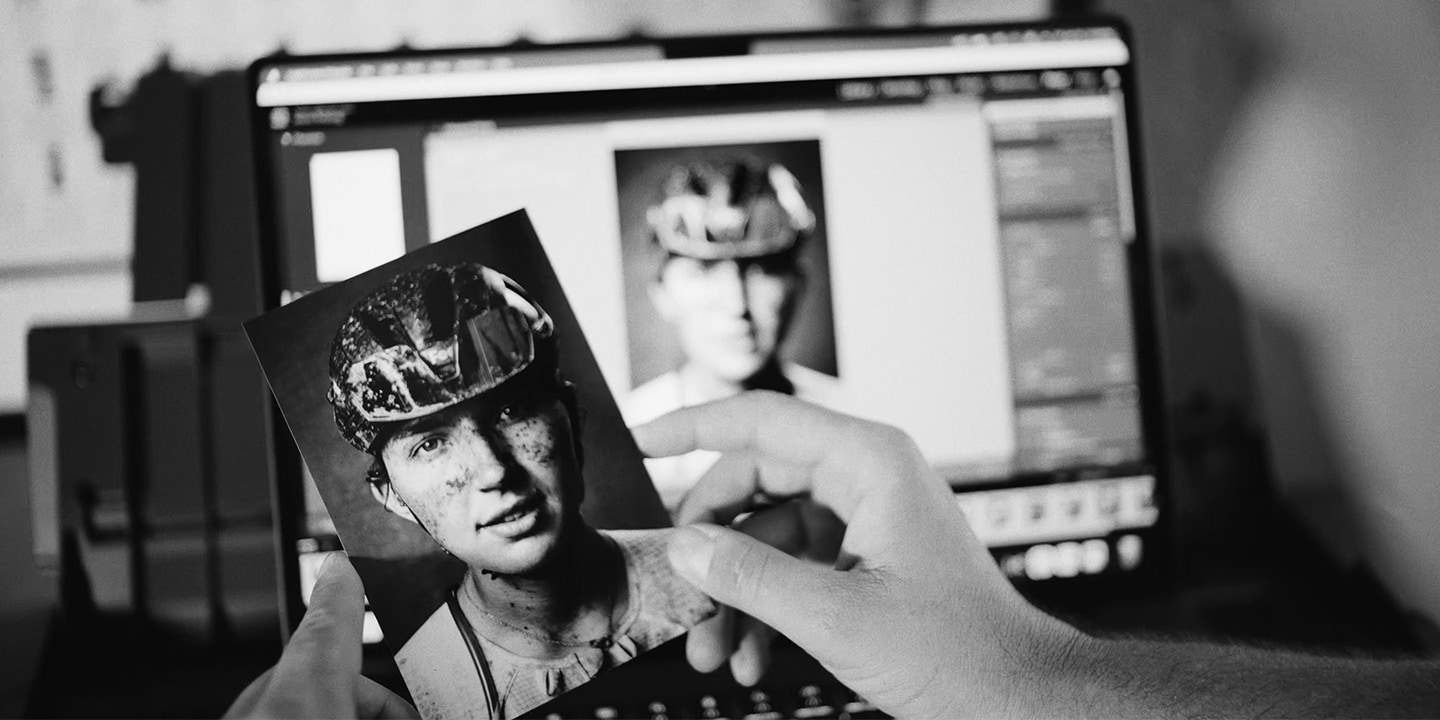
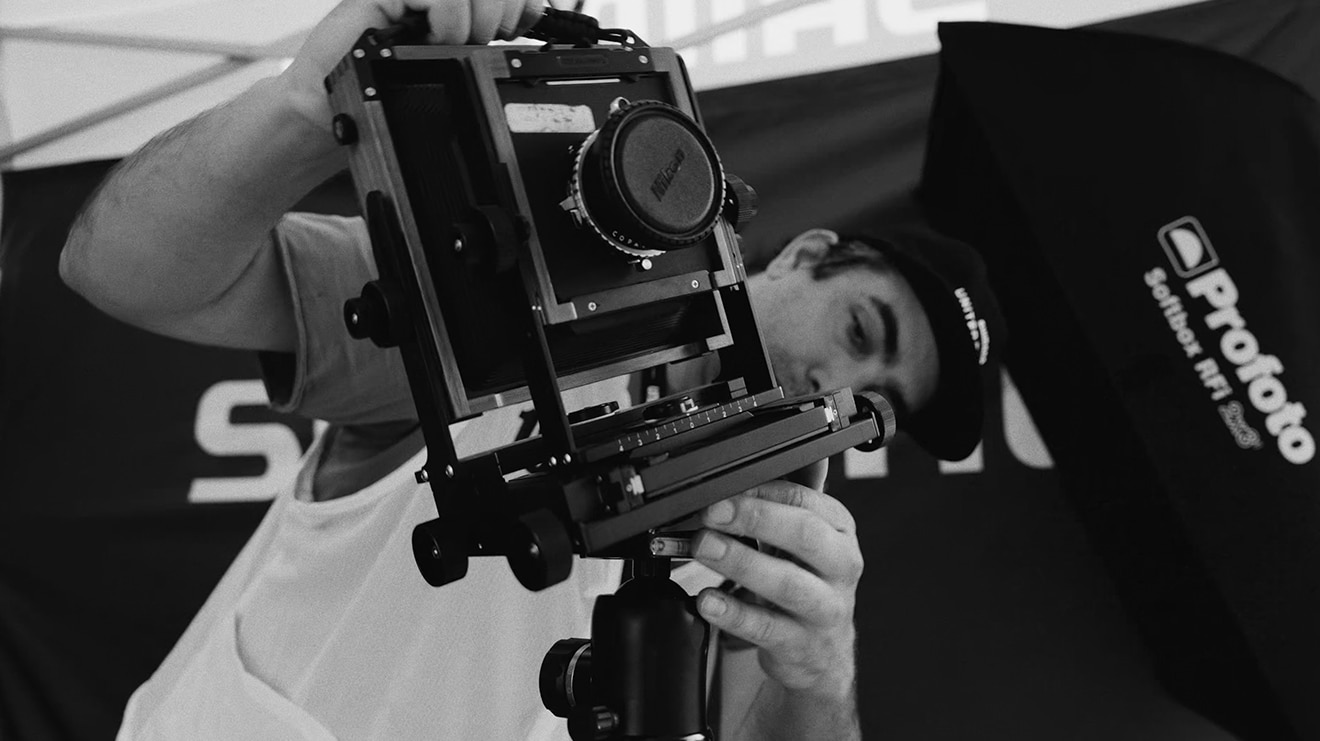
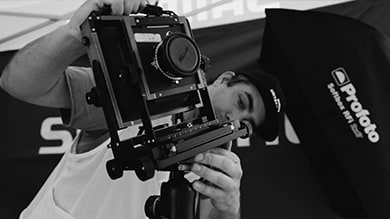
“I’ve always been the type of person who needs to find ways to keep things fresh and innovative,” he explains. “I like doing things differently from other people. So I came up with the idea of creating portraits at the finish line. But instead of making digital images like everyone else does—and I have done before—I used a 4x5 film camera and shot it all in black and white.”


Besides being an older process dating back to the 19th century, the 4x5 format produces stunning images with tons of depth and incredible resolution. Scans of the photos are the equivalent of 300 megapixels, far exceeding the quality of today’s digital cameras. It's also a time-consuming and challenging process that started long before this year’s race. In fact, Fickling and colleague Gajan Balan, who created a short documentary about the project, first got together at the 2025 Unbound Gravel to conduct a dry run.


Faces of unbound Gravel

“UNBOUND is such a unique event with unique challenges, so I thought it was important to get a handle on the logistics of this project way ahead of time,” explains Fickling. “I felt like I knew what needed to happen, but not everyone else totally got it. So I wanted to do a test run to make sure everyone truly understood what needed to happen this year.”


That included securing the right location within the finish corral, dialing in his lighting set-up, and establishing a timely process for getting riders in front of his large-format camera.


“I wanted them to come into [the photo booth] right after they finished,” says Fickling. “I didn’t want them to clean off or anything. I wanted to capture all the grit and grime and emotion of the mental and physical battles they’d just endured.”


That dry run was also Balan’s first extended exposure to high-level bike racing. Safe to say it made a lasting impression.

Faces of Unbound Gravel

“This project and the whole event are so outside the realm of what I usually do,” says Balan, who’s based in Toronto and primarily specializes in content creation for the luxury travel market. “Once I got to Emporia, I was quickly drawn in. I really loved how people are totally obsessed with the event, what it takes to prepare for and execute and hopefully succeed. UNBOUND also has such a welcoming nature. Whether you’re a mountain biker, roadie, pro rider, novice, whatever, you’re welcome here.”


Balan was so moved by that initial exposure, when he got home, he bought a used bike and started riding.


“It’s such a unique event with so many great storytelling opportunities,” Balan continues. “You really need to be there and see it for yourself to fully comprehend what it’s all about.”


From the outset, Fickling and Balan were hopeful their project, both images and video, would help convey that unique story. But first, they had to execute a plan with multiple layers of complexity. Indeed, just getting to the event posed its own unique challenges.   


“I have all these boxes of film that cannot go through the airport scanners, so I have to pray that the TSA agents will be nice to me,” says Fickling. “I also have a lot of equipment. The camera is quite large, the lenses are really heavy. So just arriving with everything intact is a big challenge.”


Once safely in Emporia, Fickling got down to business, running through what he calls the large format dance.

Faces of Unbound gravel

“It is an incredibly manual process,” he says. “All the controls, shutter speed, aperture, are on the lens of the camera itself, so I have to tell these athletes to stay as still as they can while at the same time I’m trying to get things done as quickly as possible without missing a step. Because if I miss just one step, you have no image.”


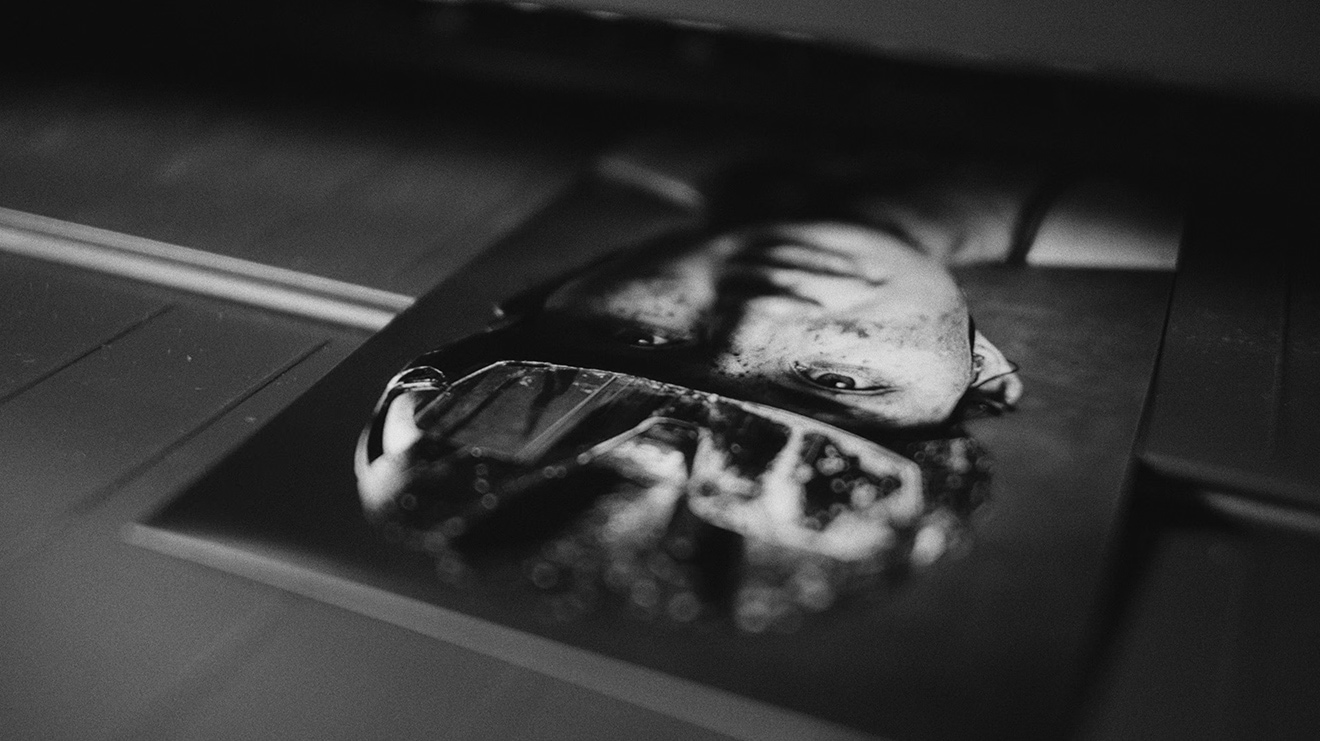
Fortunately, Fickling was on his A-game, smoothly running through those myriad steps while capturing images of around 20 riders. Once back at his California photo studio, it took another three full days to complete the developing and scanning process. Only then did he know for sure if his plan had come to fruition. The answer, as you can see here on this page, is a resounding yes. 


“My goal is to show every emotion of the event,” he says. “There are people who are completely exhausted, people smiling, there is anguish, relief, joy, happiness, all these different emotions. And with these images, you get to see that variation of emotion that you go through when you finish such a crazy event like UNBOUND.”