







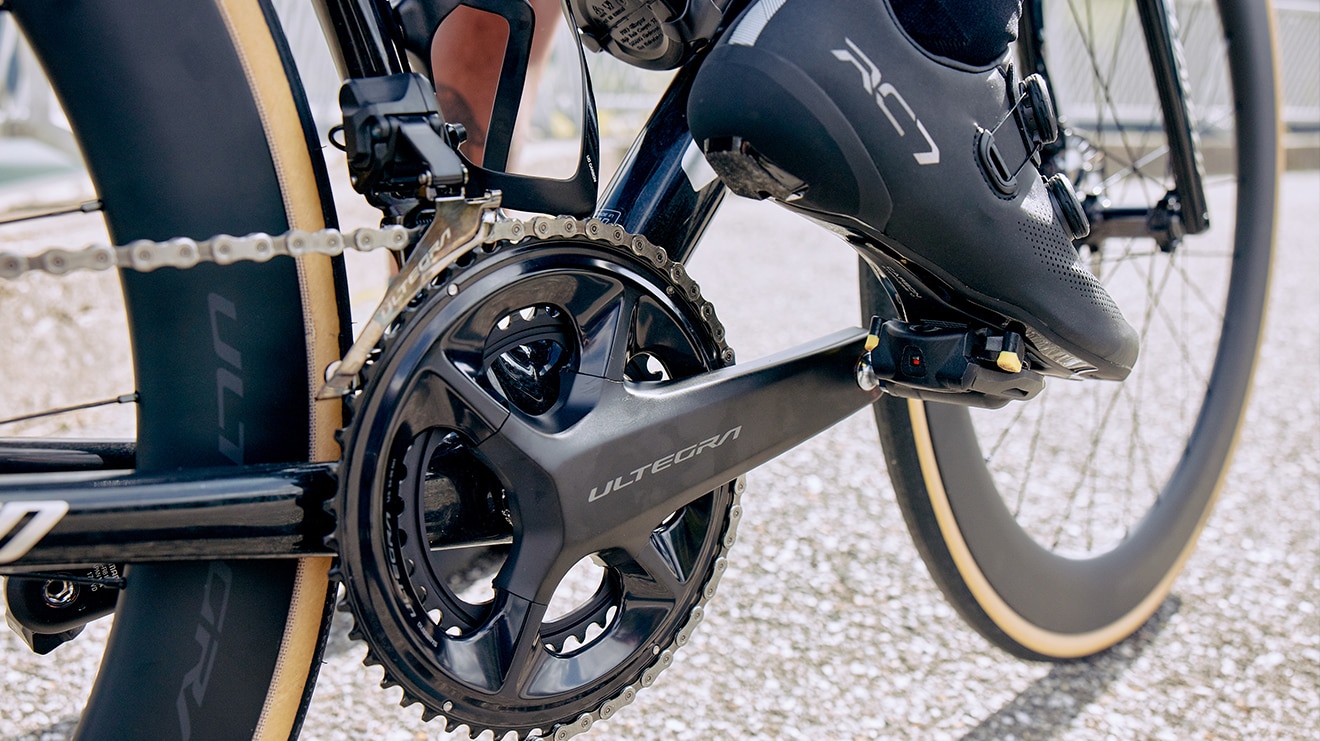

-
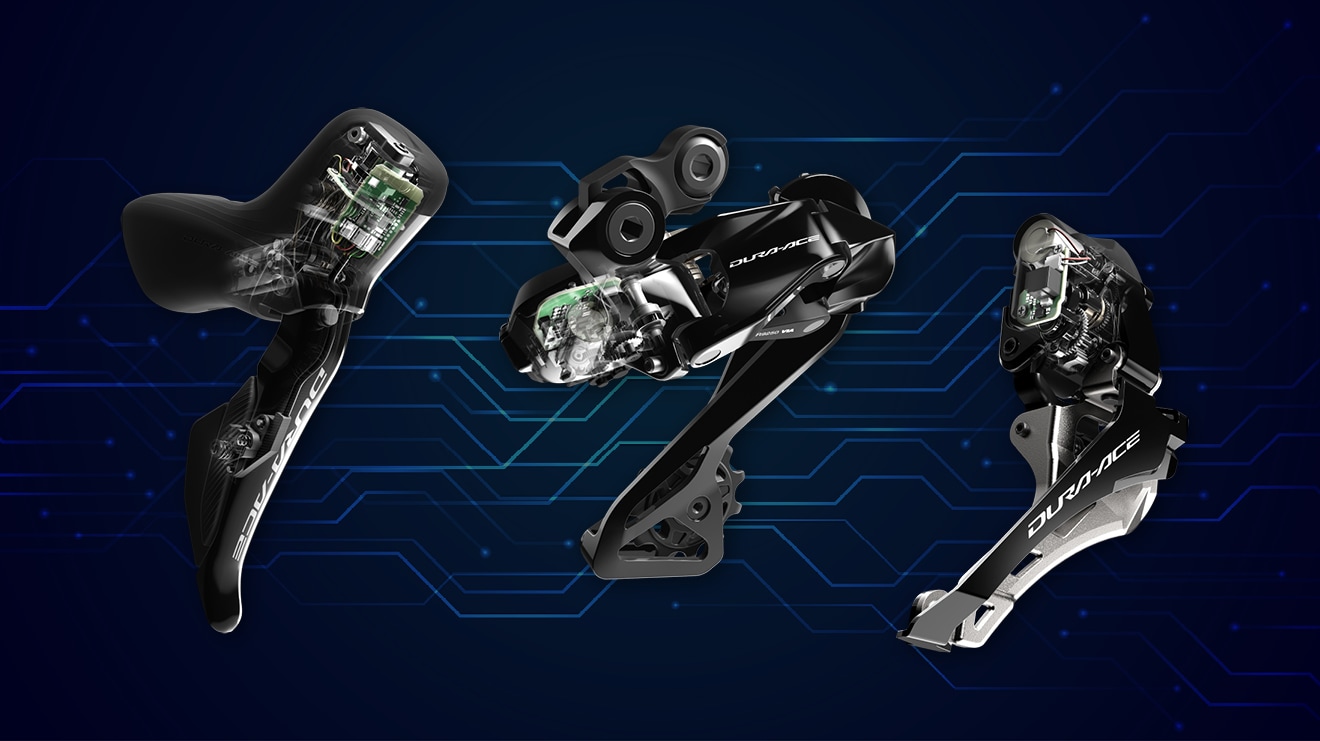
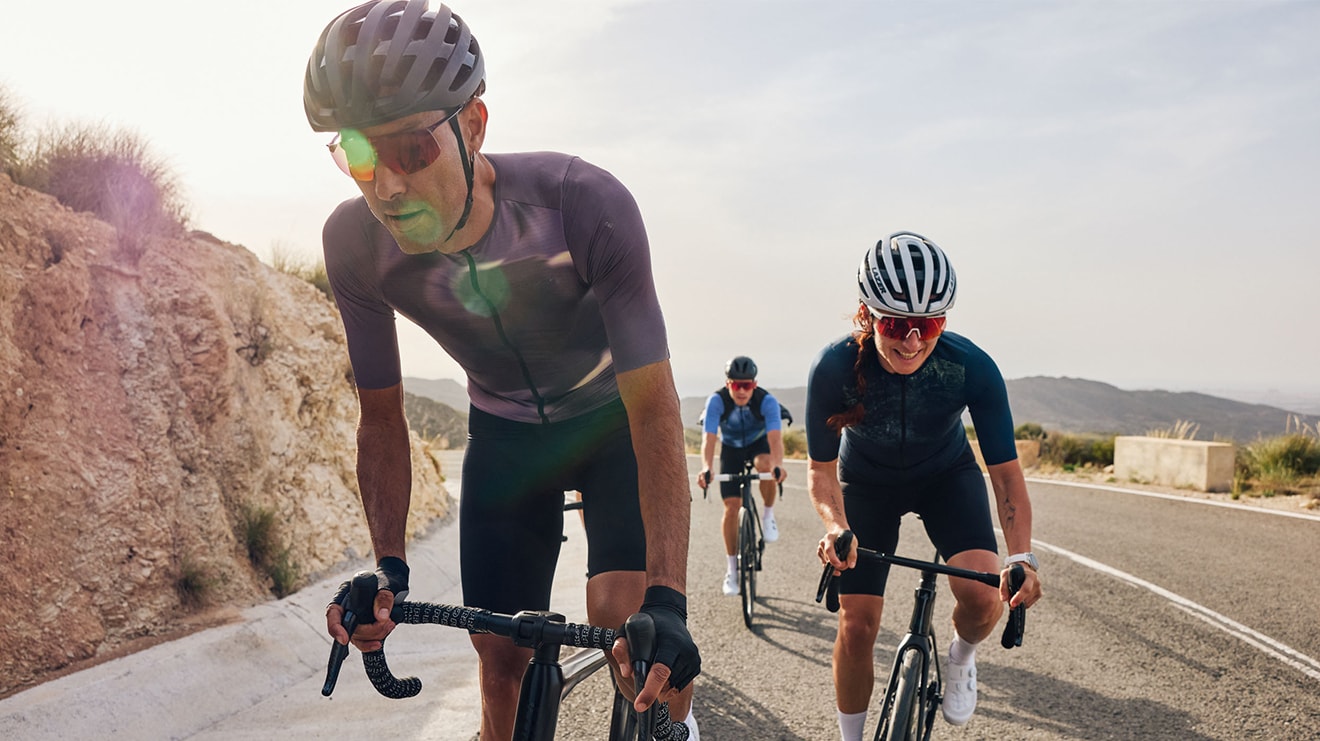
- The Power of Di2 Road Shifting
- Our high-performance electronic groupsets are trusted at every level. For elite reliability when victory is on the line.
- 02/10/2026
SELECT LOCATION AND LANGUAGE
GLOBAL
AMERICAS
-
BELGIUM
FRANÇAIS
-
BELGIUM
NEDERLANDS
-
NETHERLANDS
NEDERLANDS
-
SWITZERLAND
DEUTSCH
-
SWITZERLAND
FRANÇAIS
-
SWITZERLAND
ITALIANO
-
AUSTRIA
DEUTSCH
-
FRANCE
FRANÇAIS
-
GERMANY
DEUTSCH
-
ITALY
ITALIANO
-
SPAIN
ESPAÑOL
-
PORTUGAL
PORTUGUÊS
-
POLAND
POLSKI
-
UNITED KINGDOM
ENGLISH
-
SWEDEN
SVENSKA
-
DENMARK
DANSK
-
NORWAY
NORSK
-
FINLAND
SUOMI
EUROPE
ASIA
OCEANIA
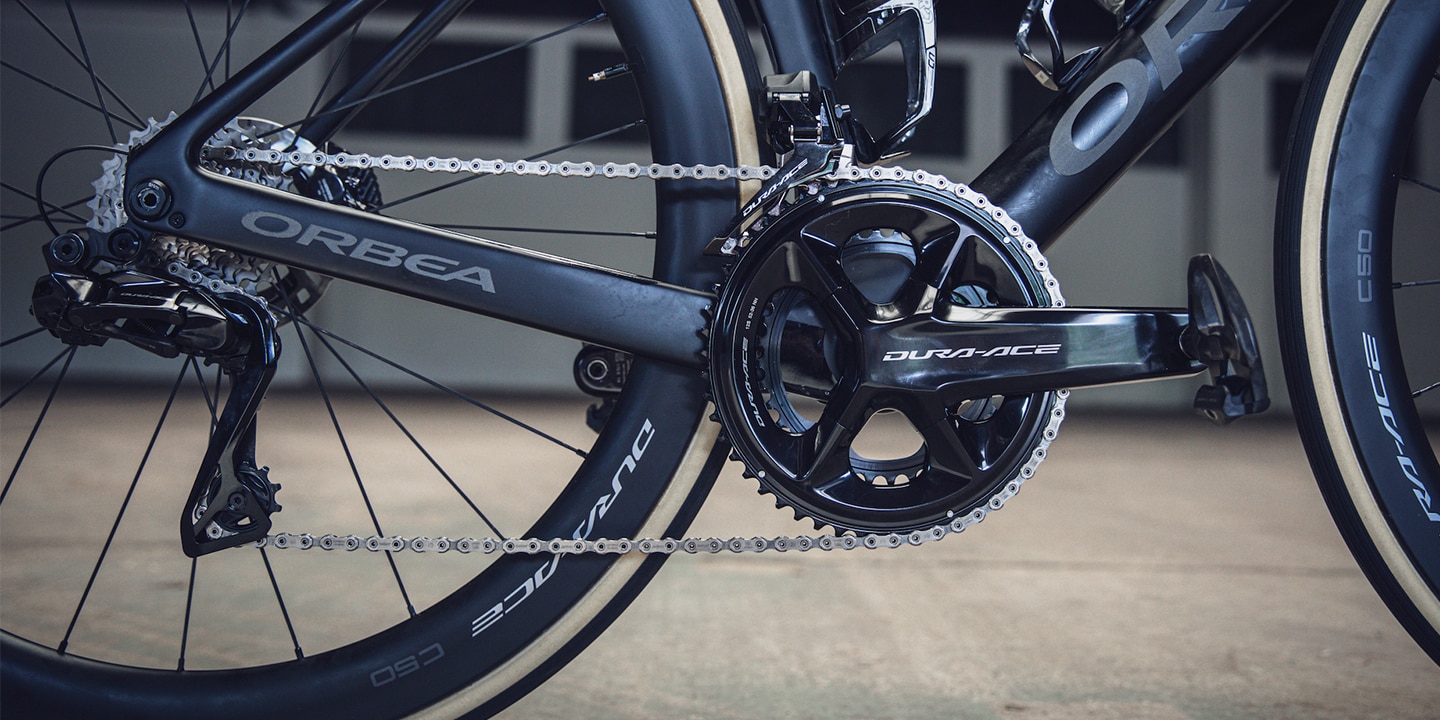
SHIMANO's Trickle-Down Philosophy
How DURA-ACE Innovation Shapes Every Modern Road Groupset
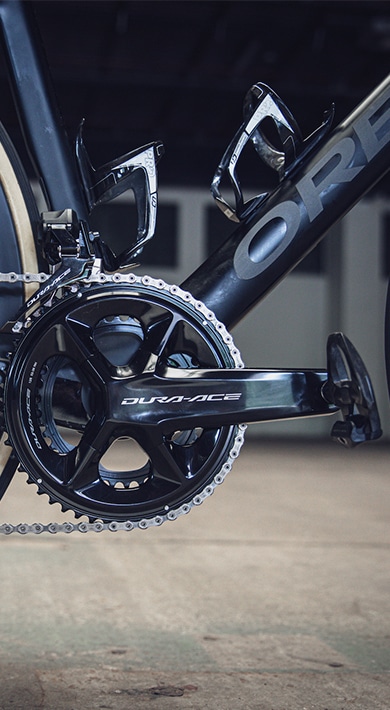
SHIMANO's Trickle-Down Philosophy
How DURA-ACE Innovation Shapes Every Modern Road Groupset
For more than 50 years, SHIMANO has followed a simple but powerful philosophy: develop the best possible technology for the world's most demanding riders, then make that performance accessible to everyone.
That approach, often referred to as trickle-down technology, has shaped nearly every major advancement in modern road cycling. From electronic shifting and indexed gears to hydraulic disc brakes and 12-speed drivetrains, many of the features riders now take for granted began as breakthrough innovations developed for the professional peloton before making their way into groupsets ridden by everyday cyclists around the world.
The story begins with DURA-ACE. When SHIMANO introduced its first DURA-ACE groupset in 1973, it established more than just a premium component line. It created a platform for innovation. Every generation of DURA-ACE has served as SHIMANO's proving ground, a place where engineers can pursue performance without compromise and push the boundaries of what's possible on a bike.
The lessons learned at the highest levels of racing eventually find their way into ULTEGRA, SHIMANO 105, and beyond, helping riders of every ability benefit from technologies originally created for the sport's fastest athletes.
Today, that philosophy is alive and well throughout SHIMANO's 12-speed road lineup.
Bringing Engineering Excellence to Every Rider
Creating category-defining performance isn't easy. It requires years of research, testing, refinement, and collaboration with some of the most demanding athletes in the world. Professional racers place extraordinary demands on their equipment. Components must shift flawlessly under pressure, withstand brutal race conditions, and perform consistently when victories are measured in fractions of a second.
To meet those expectations, SHIMANO engineers begin with a simple goal: build the best possible solution, regardless of cost or manufacturing complexity. Over the past five decades, that approach has produced some of cycling's most significant innovations, including:
- SIS - SHIMANO INDEX SHIFTING
- DUAL CONTROL LEVER brake and shift levers
- HOLLOWTECH crank technology
- Hydraulic disc brakes for road cycling
- HYPERGLIDE and HYPERGLIDE+
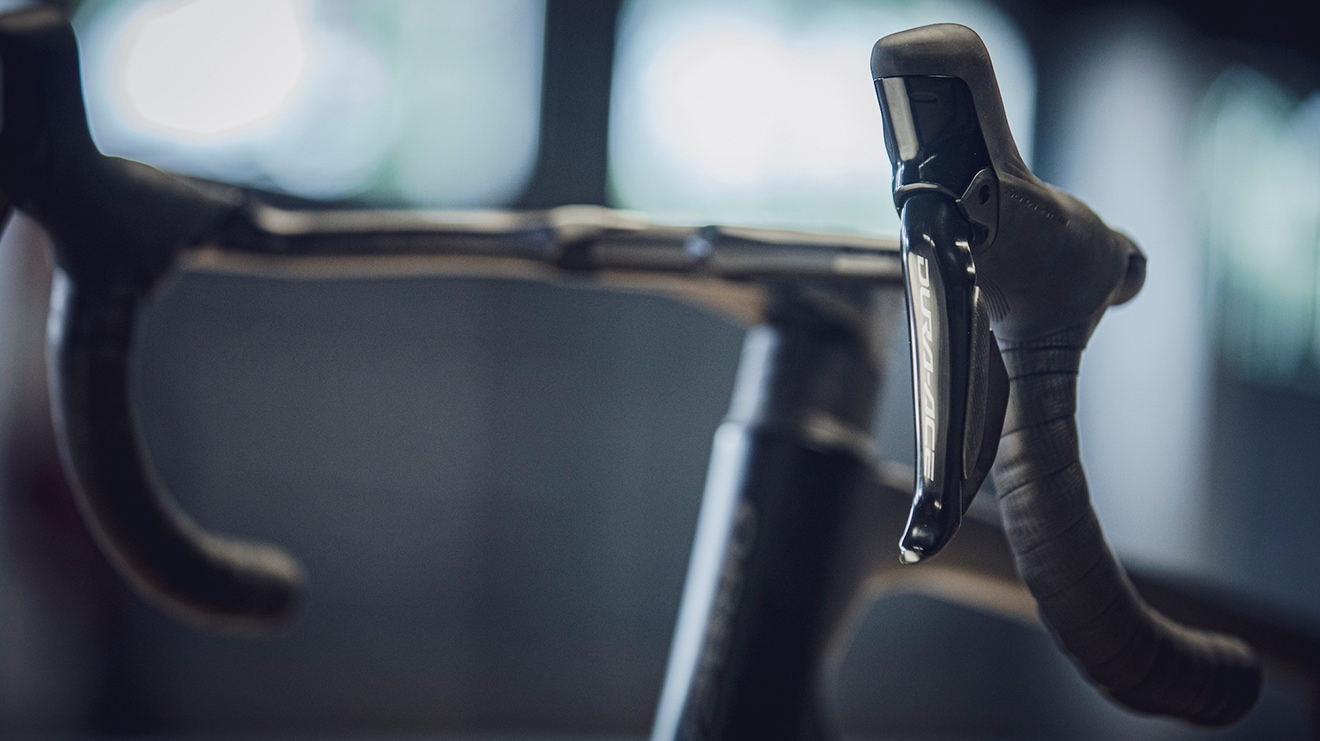
- Di2 electronic shifting
Each innovation began with a performance problem to solve for elite racers. Once the technology proved itself at the highest level, SHIMANO's engineers turned their attention toward making those same benefits available to more riders.
The result is a product ecosystem in which technology developed for Tour de France contenders eventually improves the riding experience for weekend warriors, club riders, commuters, and enthusiasts alike.
The Electronic Shifting Revolution
Few examples better illustrate SHIMANO's trickle-down philosophy than Di2.
When electronic shifting first appeared in the professional peloton in the mid-2000s, it seemed almost futuristic. Early prototypes were fitted to select WorldTour race bikes, where SHIMANO gathered valuable feedback from the sport's most discerning riders.
The benefits quickly became clear. Electronic shifting eliminated many of the compromises associated with mechanical systems. Shifts became faster, more precise, and more consistent. Front derailleur performance improved dramatically. Riders could maintain focus on the road while executing effortless shifts under demanding race conditions.
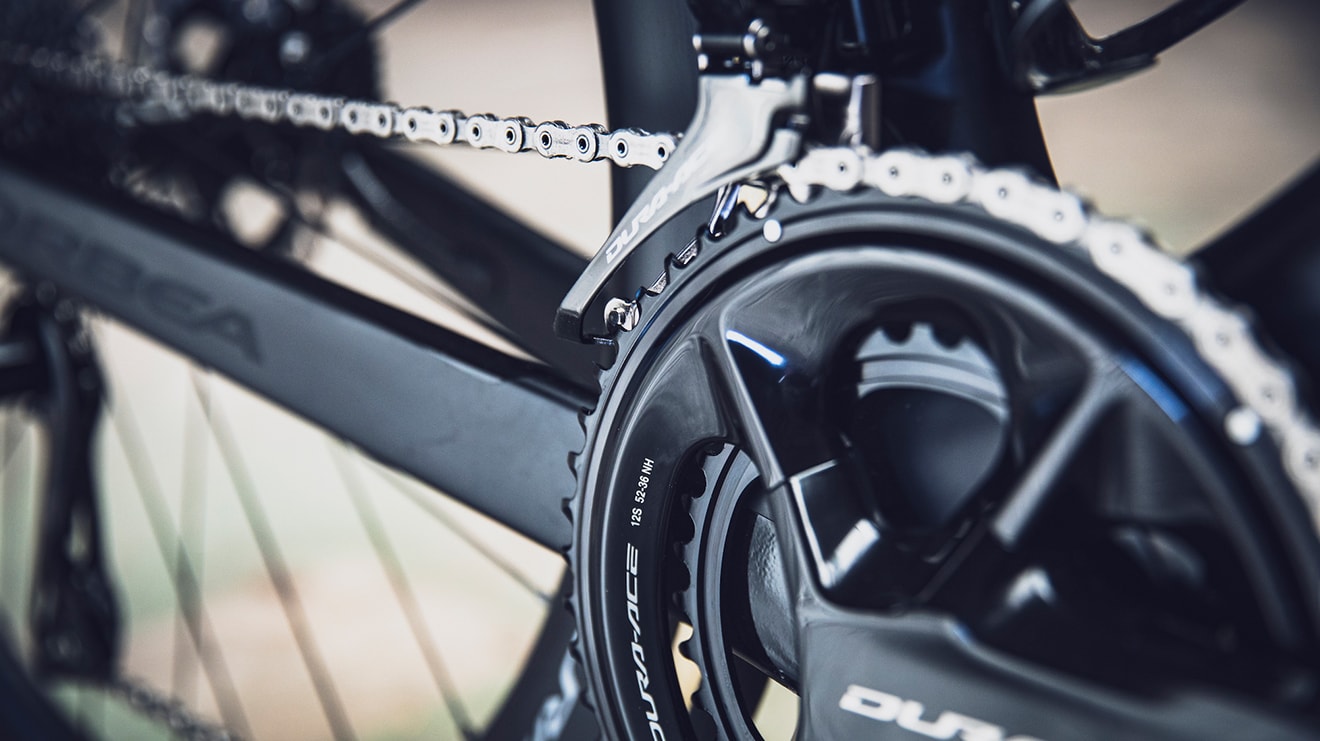
At first, this technology was available only to the sport's elite. Today, electronic shifting has become the new benchmark for performance road cycling. DURA-ACE, ULTEGRA, and SHIMANO 105 Di2 all share the same fundamental electronic shifting DNA. While there are differences in materials, weight, and refinement, riders across SHIMANO's performance road lineup now benefit from the precision, reliability, and intuitive operation that once existed only at the highest levels of the sport. What began as cutting-edge racing technology has become the standard for modern road cycling.
More Gears, Wider Range, Better Riding
Riders have always wanted more gear options. The original DURA-ACE groupset launched with a 5-speed freewheel, which represented cutting-edge technology at the time. But as bicycles evolved and riders demanded broader gear ranges without sacrificing cadence control, engineers continued to push the development of drivetrains forward.
Over the decades, cassettes evolved from 5-speed to 12-speed. Each additional cog presented engineering challenges involving spacing, chain design, durability, shifting performance, and hub integration.
Today, riders benefit from the cumulative effect of those innovations. A modern 12-speed 11-34-tooth cassette provides a remarkable combination of wide gear range and closely spaced gear ratios. Riders can tackle steep climbs with confidence while maintaining efficient cadence on fast descents and flat roads. What once represented cutting-edge DURA-ACE technology is now available throughout SHIMANO's performance road lineup.
How Trickle-Down Technology Works
The goal isn't simply to copy DURA-ACE. Instead, SHIMANO engineers look for ways to preserve the core performance benefits of an innovation while adapting materials, manufacturing methods, and finishing processes to create products at different price points.
The performance remains remarkably similar, but the path to achieving it changes. This process allows SHIMANO to deliver meaningful performance improvements across multiple groupsets while maintaining clear distinctions between DURA-ACE, ULTEGRA, and SHIMANO 105. One of the best examples can be found in SHIMANO's current cassette lineup.
A Tale of Three Cassettes
At first glance, SHIMANO's DURA-ACE, ULTEGRA, and SHIMANO 105 12-speed cassettes appear very similar. They share the same gear range options and much of the same shifting architecture. Look closer, however, and you'll see how SHIMANO balances performance, materials, and manufacturing to create distinct products for different riders.
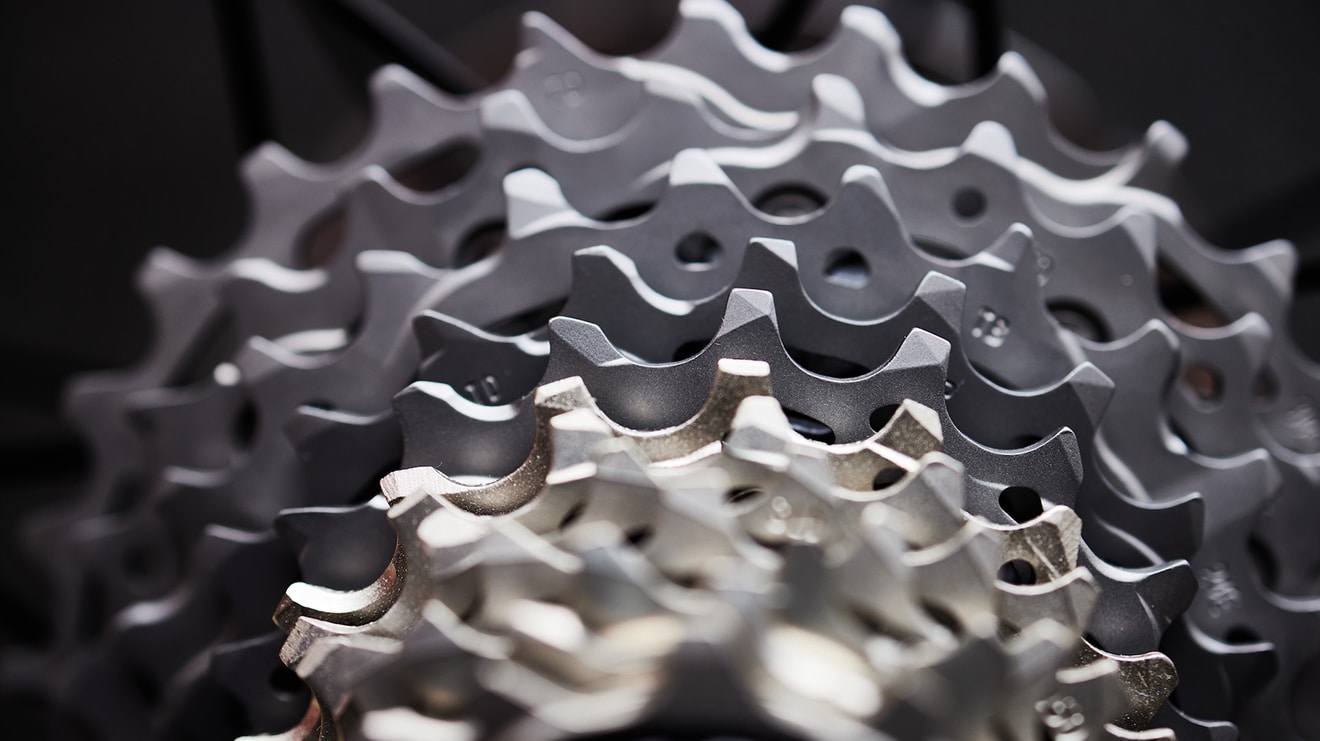
The DURA-ACE cassette represents the pinnacle of SHIMANO cassette technology. The six largest cogs are constructed from titanium, delivering exceptional strength-to-weight performance. The cassette also incorporates HYPERGLIDE+ technology, allowing riders to shift smoothly under load both up and down the cassette. An anodized aluminum spider and aluminum lockring further reduce weight and add premium finishing touches.
ULTEGRA CS-R8100
ULTEGRA retains much of DURA-ACE's performance DNA while using different materials to achieve a more accessible price point. Steel cogs replace titanium, increasing durability while adding weight. Importantly, ULTEGRA still features HYPERGLIDE+, preserving the exceptional shifting performance that defines SHIMANO's premium drivetrains. The aluminum spider remains, although without the anodized finish found on DURA-ACE.
SHIMANO 105 CS-R7100
The SHIMANO 105 cassette continues the trickle-down story by bringing 12-speed performance to an even broader audience. Riders still benefit from the same gear ranges and closely spaced ratios that originated in DURA-ACE. Steel construction enhances durability and affordability, while HYPERGLIDE technology delivers smooth, reliable shifting performance.
The steel lockring further reduces manufacturing costs while maintaining durability and reliability. The result is a cassette that captures the essence of SHIMANO's 12-speed drivetrain experience in a package accessible to more cyclists than ever before.
Innovation That Reaches Every Ride
The same trickle-down philosophy influences countless details throughout SHIMANO's road lineup, from chain design and derailleur architecture to crank construction, braking systems, ergonomics, and electronic integration.
Many of the technologies that began on the bikes of Grand Tour champions eventually find their way onto the bikes of riders training before work, climbing local mountain roads on weekends, or lining up for their first century ride. That's the power of SHIMANO's development philosophy.
Every new generation of DURA-ACE pushes performance forward. And every new generation of ULTEGRA and 105 benefits from those breakthroughs. For riders, that means today's mid-range groupsets deliver a level of performance that would have been considered professional grade only a few years ago. And that is exactly how SHIMANO believes innovation should work. Technology developed for the few should ultimately benefit the many.
RELATED STORIES
-
- Four Decades of Shimano MTB Innovation
- From RAPIDFIRE trigger shifters to wireless Di2, explore the key Shimano mountain bike drivetrain innovations that transformed shifting performance over nearly four decades.
- 30/09/2026
-
- The Story Behind Shimano’s SPD-SLR Pedals
- The science behind clipping in has evolved. Read the story about how we brought our legendary SPD-SL pedal platform to the next level with SPD-SLR.
- 17/09/2026
-
- Coming Home: A Letter From Matt's M737 Pedals
- This letter and pedals were sent to our North American Shimano headquarters in Southern California earlier this summer from Matt in Utah who wanted to share his story with us.
- 26/08/2026
-
- Shimano's Trickle-Down Philosophy
- Discover how Shimano's trickle-down technology philosophy brings Dura-Ace innovations to Ultegra and 105, delivering premium shifting, gearing, and performance to cyclists everywhere.
- 24/08/2026
-
- Trail Born: Cedar Fever
- A Progression in Freeride Trail Building
- 19/08/2026
-
- DURA-ACE Wheels: The Next Generation
- A new era of balanced speed. Refined with athletes to meet race-day demands.
- 29/07/2026
-
- Lightweight Wheels
- How we use material to build speed.
- 28/07/2026
-
- Aerodynamics and Road Wheels
- What Really Makes You Faster?
- 28/07/2026
-
- Cup and Cone Bearings
- Precision at the Center of Performance.
- 28/07/2026
-
- Building a Mountain Bike Community in Minoh, Osaka
- Every trail has a story. In Minoh, Osaka, riders, volunteers, and local residents have spent years building connections that help mountain biking thrive.
- 26/07/2026
-

- Faces of UNBOUND Gravel
- A unique black-and-white film photography project at Unbound Gravel captures the raw emotion, exhaustion, and triumph of riders’ moments after crossing the finish line.
- 22/07/2026
-
- Confidence Starts at the Brakes
- New SHIMANO Thick Rotors and DEORE Brakes
- 17/06/2026
-
- Confidence Redefined with DEORE XT Mechanical
- SHIMANO's legendary drivetrain gets tougher, smoother, and more rider-focused.
- 17/06/2026
-
- No Batteries. No Fuss. All Trail.
- New SHIMANO DEORE Mechanical MTB Components
- 15/06/2026
-
- Built To Fit How You Ride
- SHIMANO expands the GRX gravel component family with new chainring sizes and shorter crank options, giving riders more control over gearing, fit, and performance across every gravel discipline.
- 28/05/2026
-
- Revitalizing a Vancouver Island Classic Through Shimano Trail Born | Shimano
- Follow the story behind Memphis, a freshly reworked mountain bike trail on Vancouver Island supported by SHIMANO Trail Born and the Cowichan Trail Stewardship Society.
- 27/05/2026
-
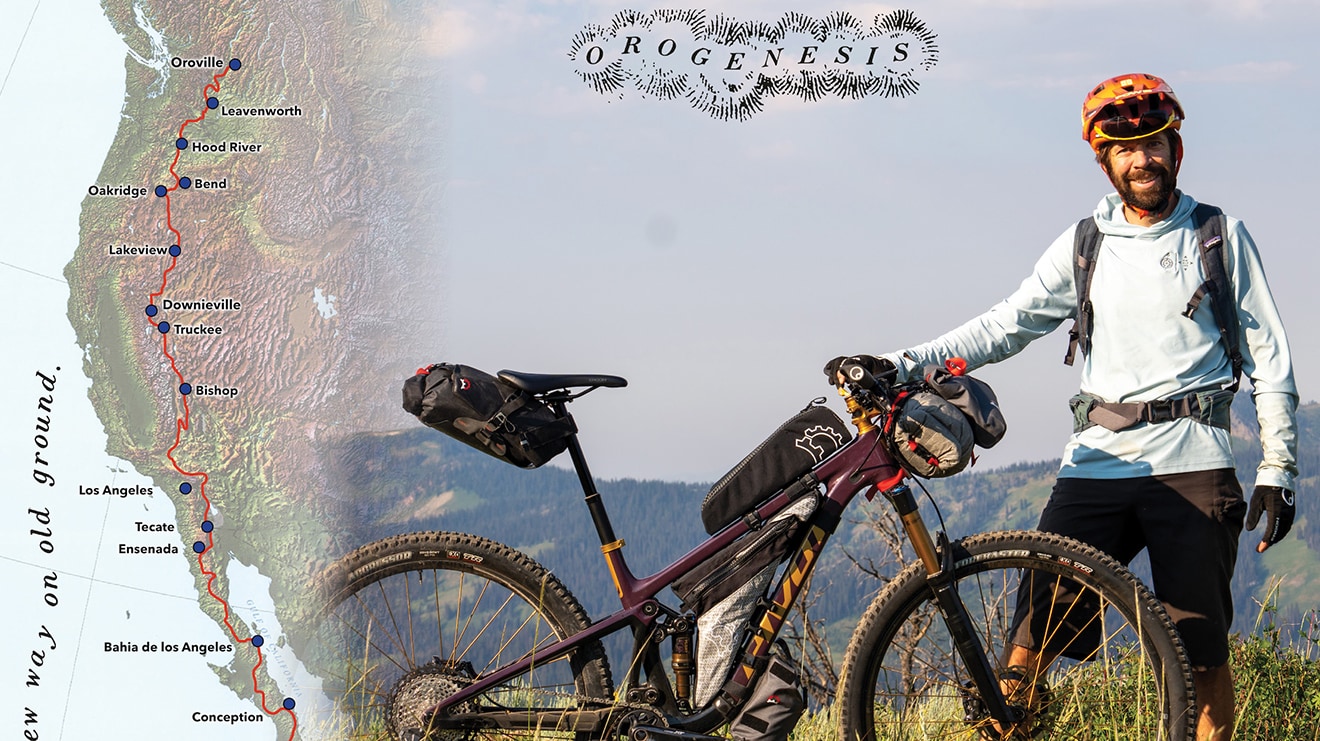
- XT Di2 on Orogenesis, The World's Longest MTB Trail
- Journey along with adventure rider Kurt Refsnider as he shares his experience doing the first thru-ride of the new Orogenesis route, dubbed the longest mountain bike trail in the world at nearly 5,000 miles long.
- 20/05/2026
-
- Everything you need to know about SHIMANO CUES
- Long-lasting performance, smooth shifting, and simple ownership. That’s SHIMANO CUES.
- 21/04/2026
-
- SHIMANO CUES Drop Bar for Recreational Road and Gravel
- Enjoy the full potential of your bike with SHIMANO CUES Drop Bar for recreational road and gravel riding. The wide gear range is ideal for climbing.
- 15/04/2026
-
- Thin for the Win
- SAINT PD-G8040 & DEORE XT PD-M8240
- 13/04/2026
-
- This is Home: Mathieu van der Poel
- A Shimano Documentary inside the world of Mathieu van der Poel and the precision that powers him
- 09/04/2026
-

- We Are Cyclist - The All Bodies on Bikes Story
- Five years later, All Bodies on Bikes is a global movement—14 chapters, thousands riding, and a new film: We Are Cyclists.
- 19/03/2026
-
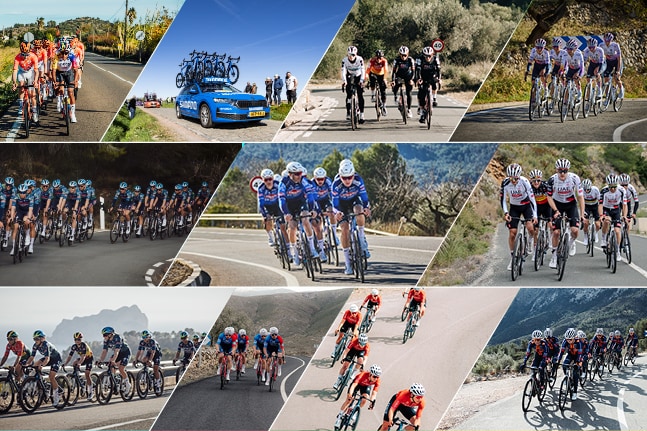
- SPONSORED ROAD TEAMS OF 2026
- We are committed to supporting professional cycling at all levels, from the races in your backyard to the UCI WorldTour and everything in between.
- 24/02/2026
-
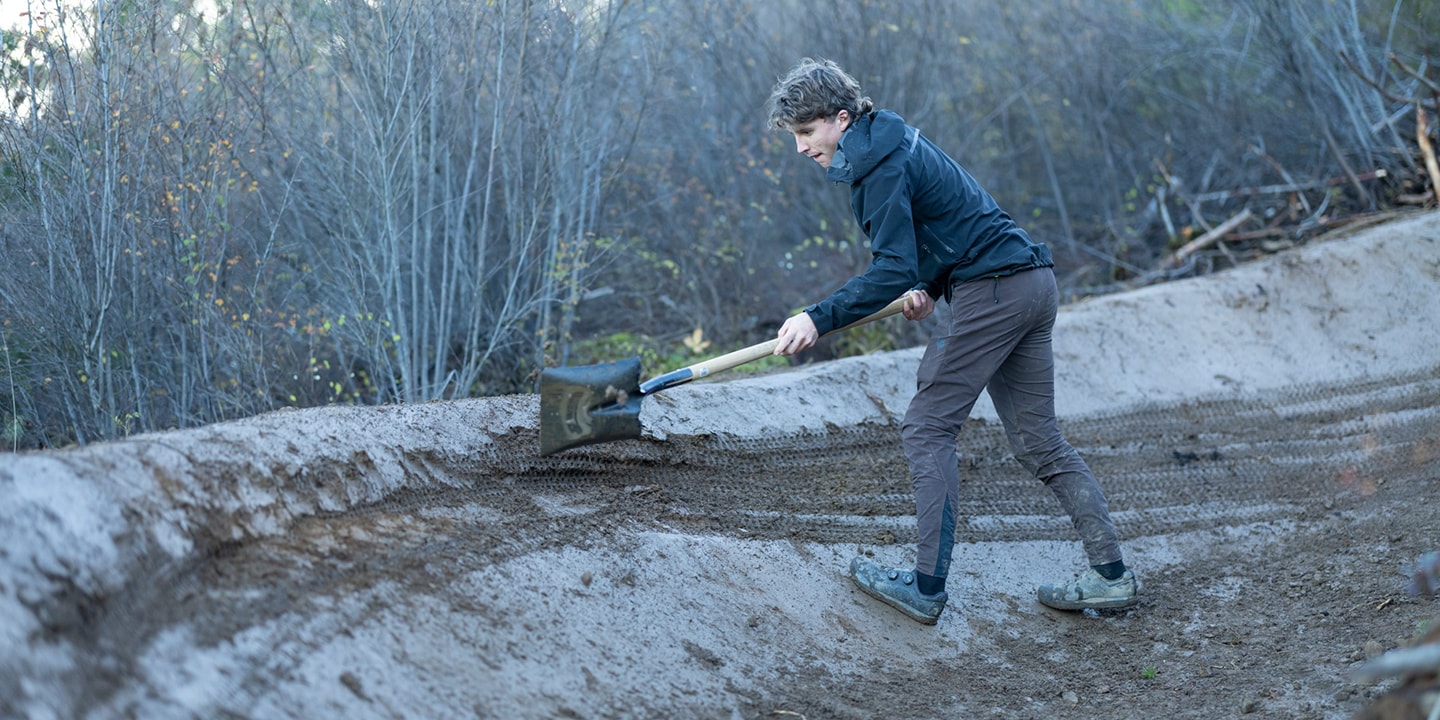
- SHIMANO Trail Born Expands Mountain Bike Trails Worldwide
- Discover how SHIMANO Trail Born is supporting trails and riding communities worldwide with 21 new projects launching in 2026.
- 18/02/2026
-
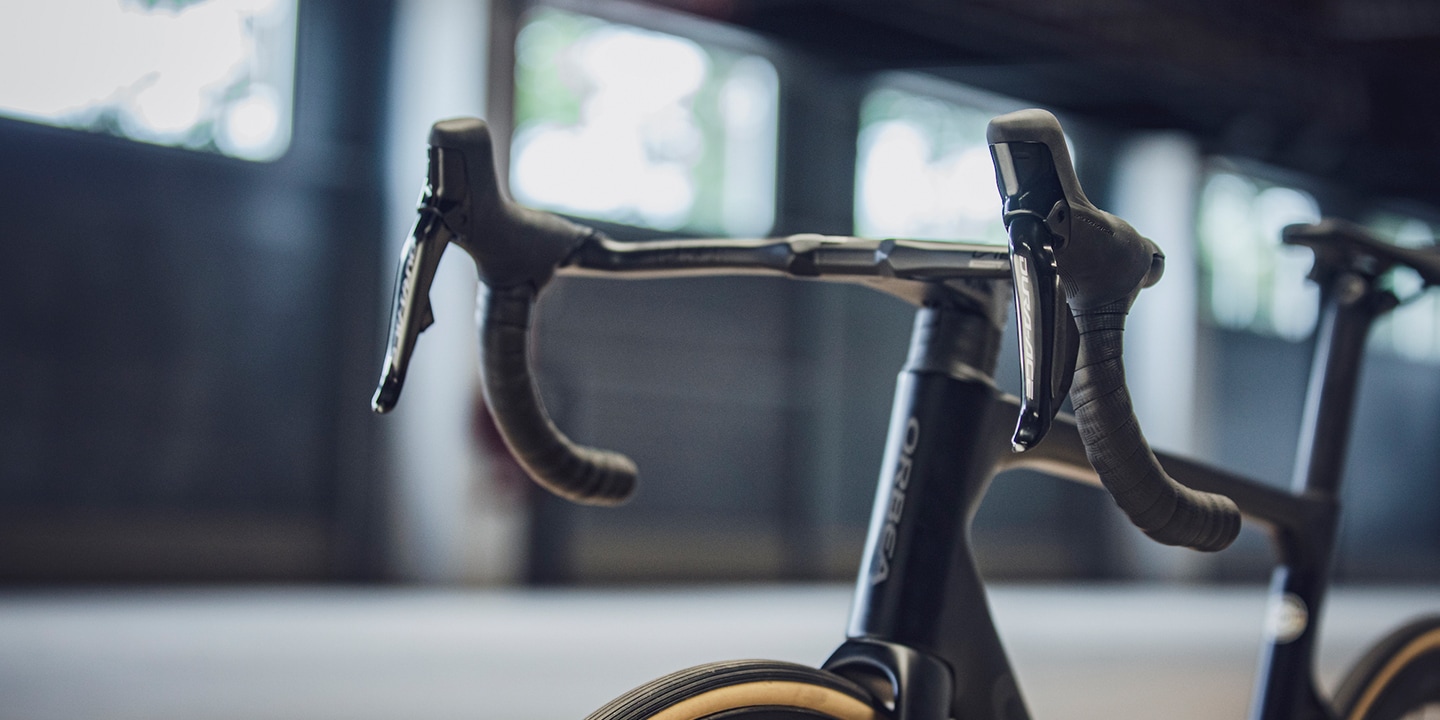
- A Guide to SHIMANO Shifting Technology
- Explore SHIMANO’s shifting technologies and how our system-engineered drivetrains deliver precise, reliable performance on every ride.
- 04/02/2026
-
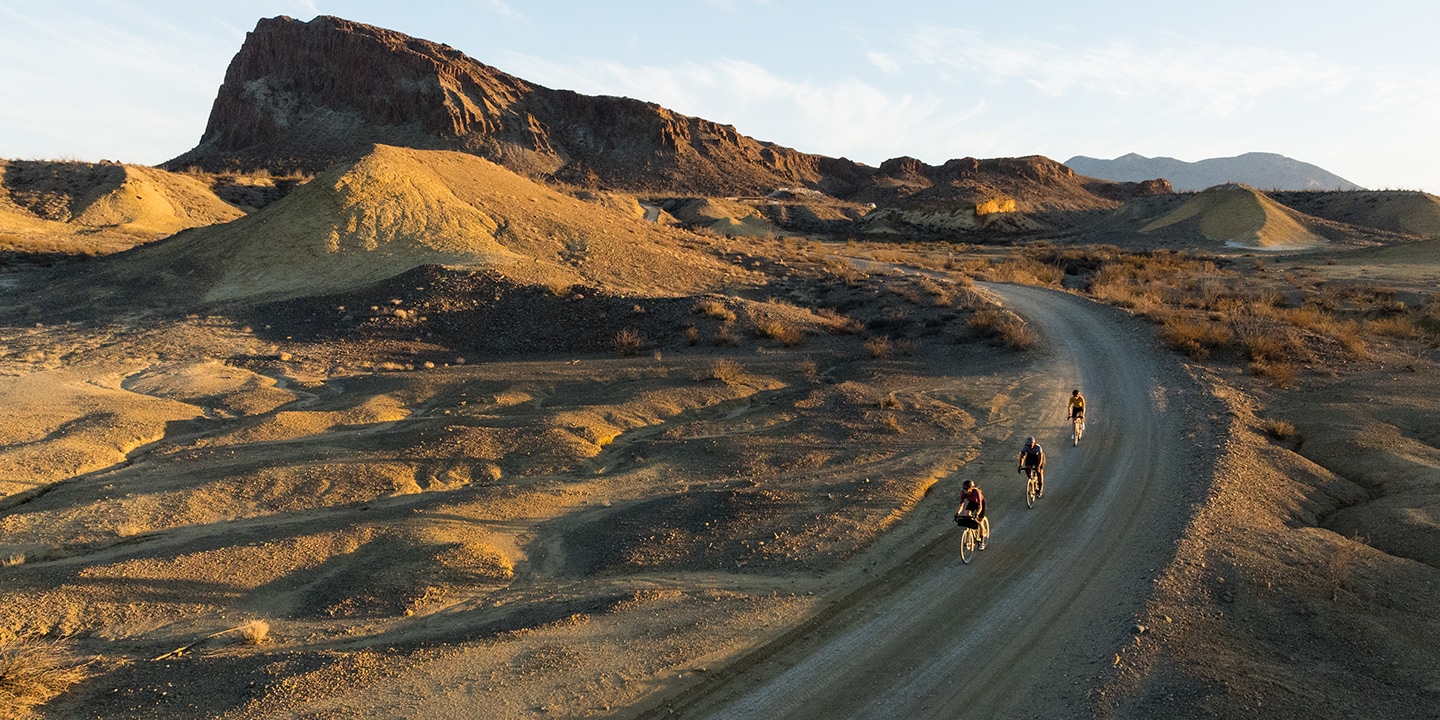
- SHIMANO Expands GRX Family with RX717 Components
- Featuring More Affordable 1 x 12-Speed GRX Di2 Options
- 17/12/2025
-
- Building the Future of Mountain Biking
- Shimano Trail Born is a global trail-building initiative that supports advocacy groups, bike parks, and communities in creating more places to ride. Explore highlights from 2024–2025 projects across North America, Europe, the UK, Africa, Asia, and Oceania.
- 08/12/2025
-
- Trail Born Expands Support in 2025
- Discover the 2025 Shimano Trail Born projects, including new trail builds, community hubs, and mountain bike trail expansions across North America.
- 25/11/2025
-
- SHIMANO Hydraulic Disc Brakes for Road & Gravel: Power, Control, Reliability
- SHIMANO hydraulic disc brakes deliver unmatched stopping power, heat management, and reliability for road, gravel, and mountain biking. Learn why Shimano leads the way in brake technology.
- 21/11/2025
-
- Race-Ready Upgrades:
- SHIMANO Gear for Maximum Speed and Performance
- 11/10/2025
-
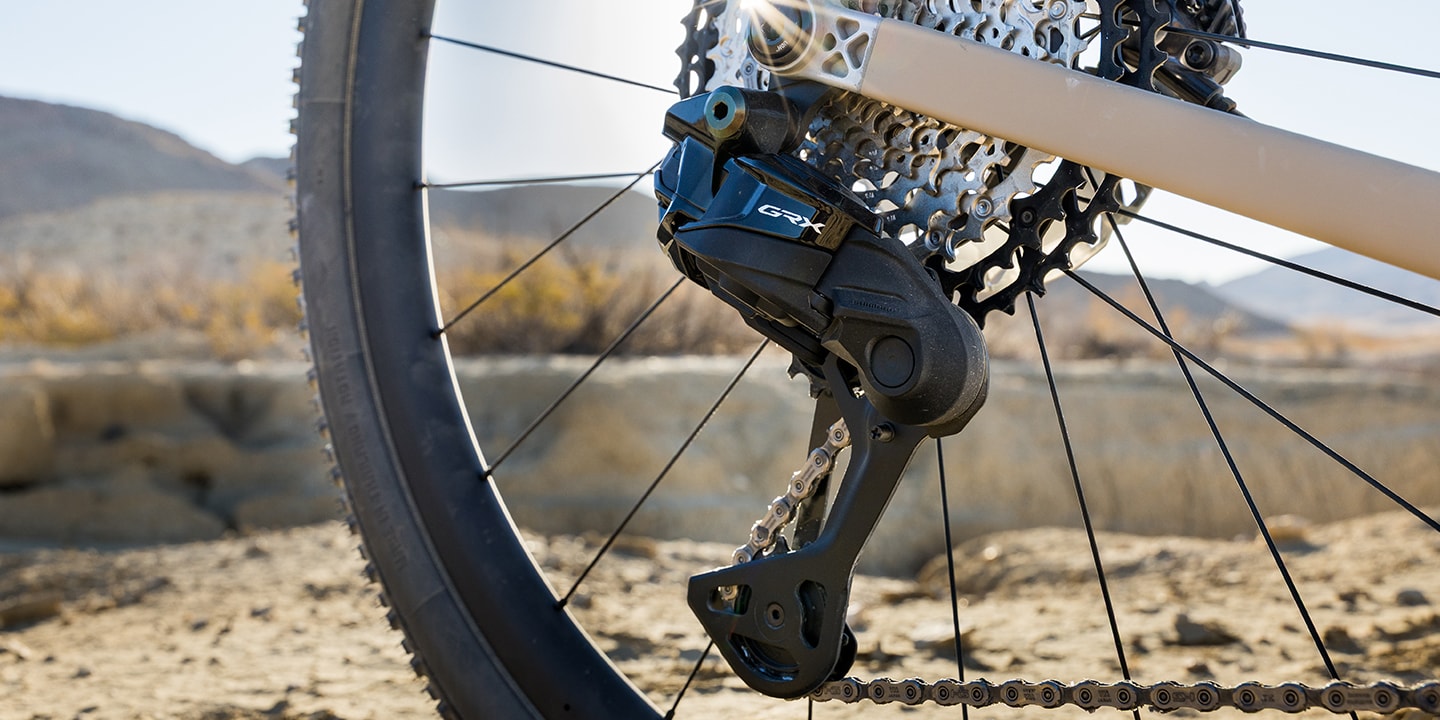
- Gravel Shifting Evolved
- SHIMANO’s GRX RX827 Rear Derailleur Is Built for the Grind
- 03/10/2025
-
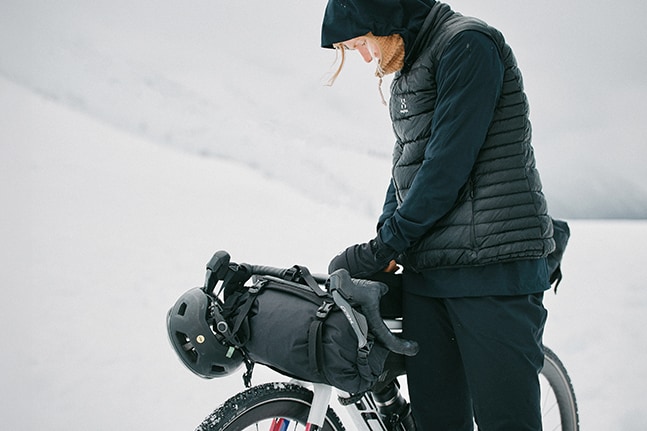
- Henna Palosaari's In Search Of Antarctica
- Gravel Alliance Rider Henna Palosaari Attempts to Ride REBOUND in Antarctica: The Impossible Ride
- 02/10/2025
-

- Shimano at the 2025 UCI Road World Championships
- From Elite time trials to decisive road races, Shimano powered world champions at the 2025 UCI Road World Championships with precision and reliability.
- 01/10/2025
-
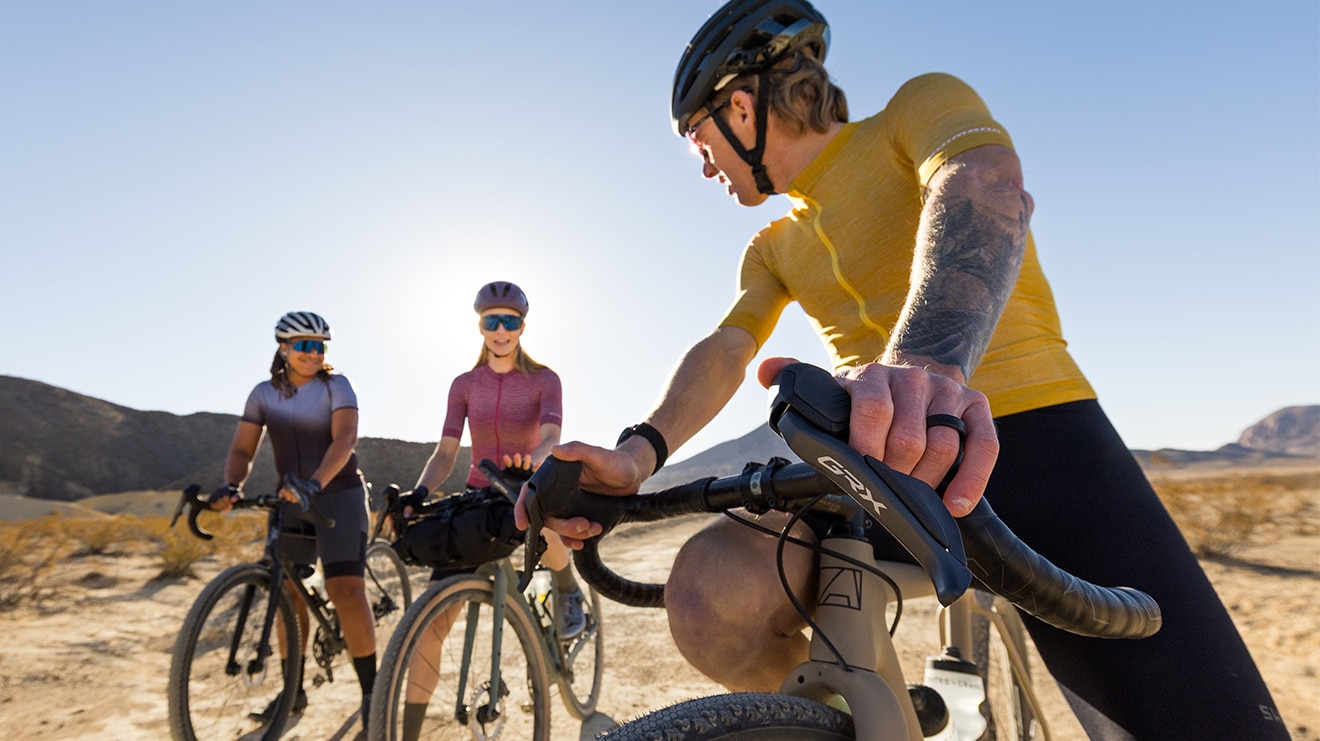
- Master Your Ride with SHIMANO Di2 and E-TUBE PROJECT
- Maximize performance on your next road or gravel ride with SHIMANO Di2 electronic shifting and the E-TUBE PROJECT app.
- 25/09/2025
-
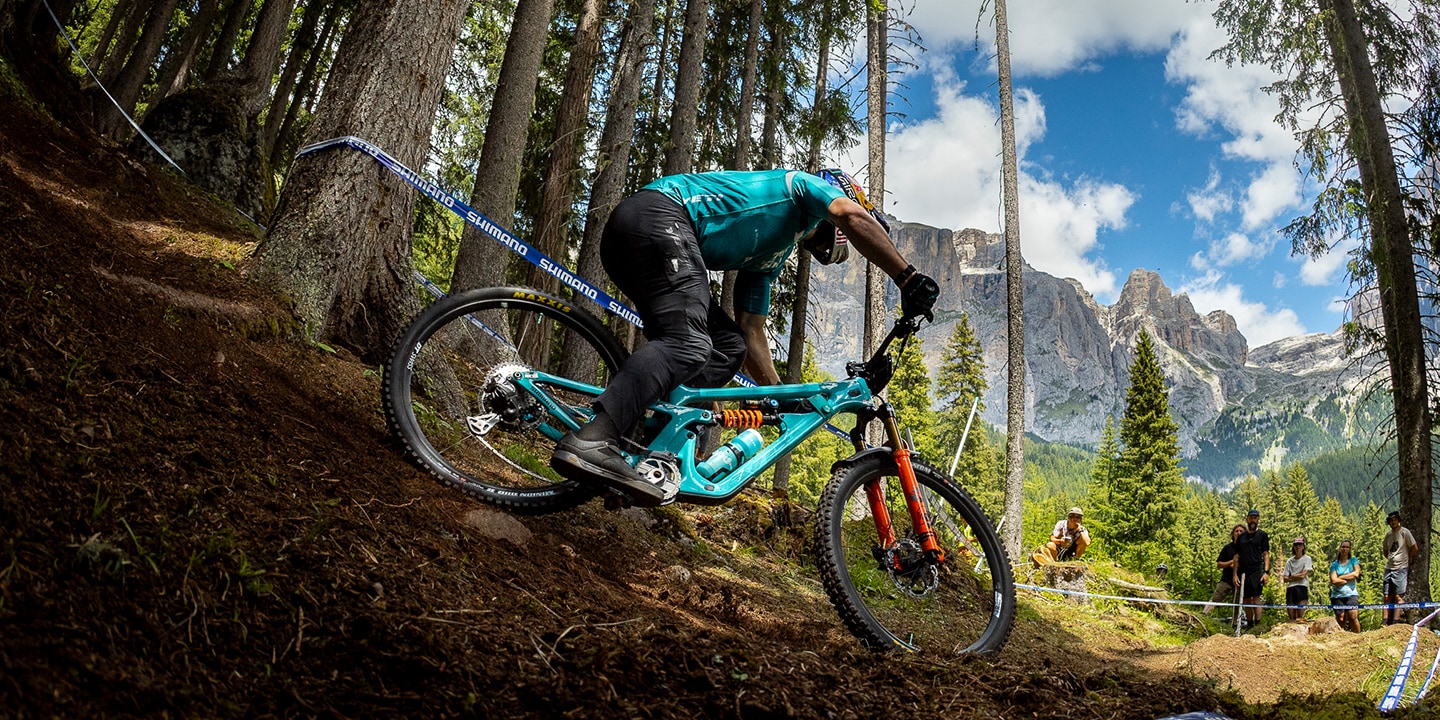
- Precision for Every Trail
- SHIMANO MTB’s New Wireless Short Cage Derailleur and 9-45T Cassette
- 23/09/2025
-

- MTB World Championships 2025
- Powerful performances at the World Championships, powered by XTR.
- 17/09/2025
-
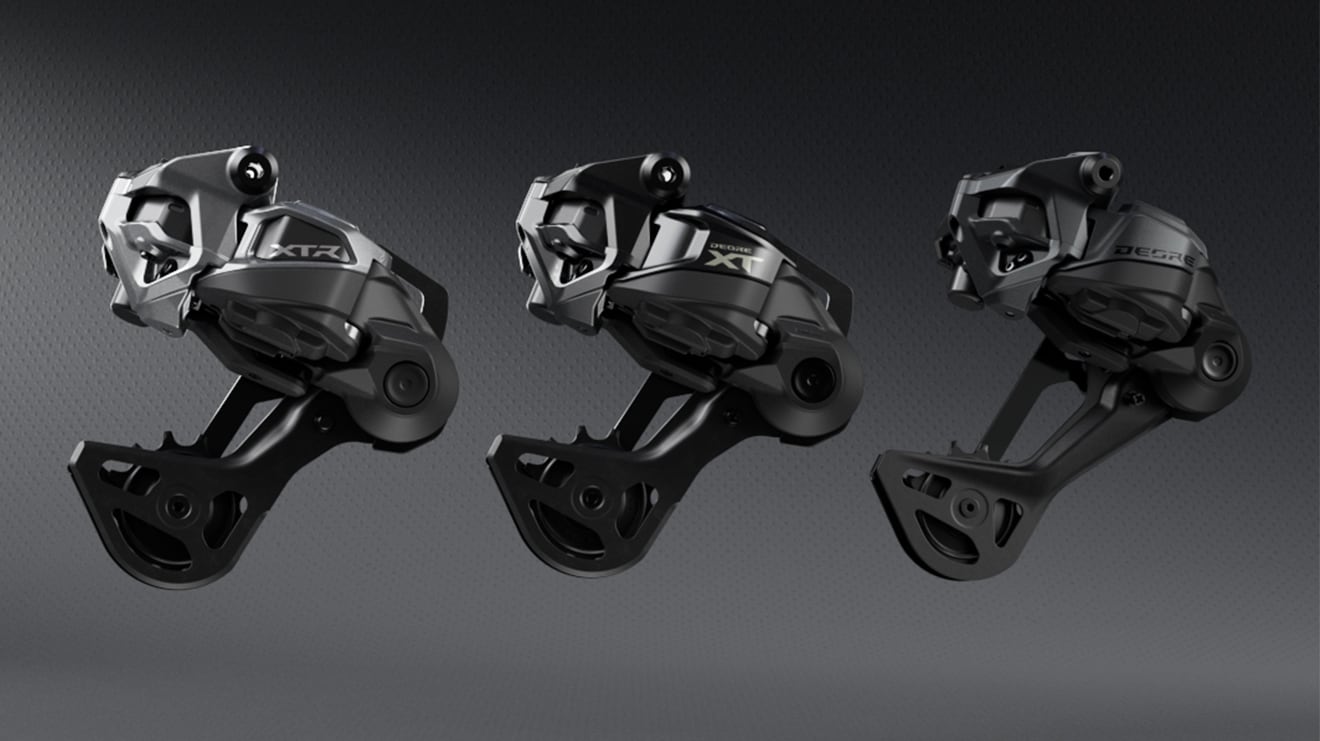
- SHIMANO 12-Speed Di2 MTB Groups Deliver
- XTR - DEORE XT - DEORE
- 04/09/2025
-
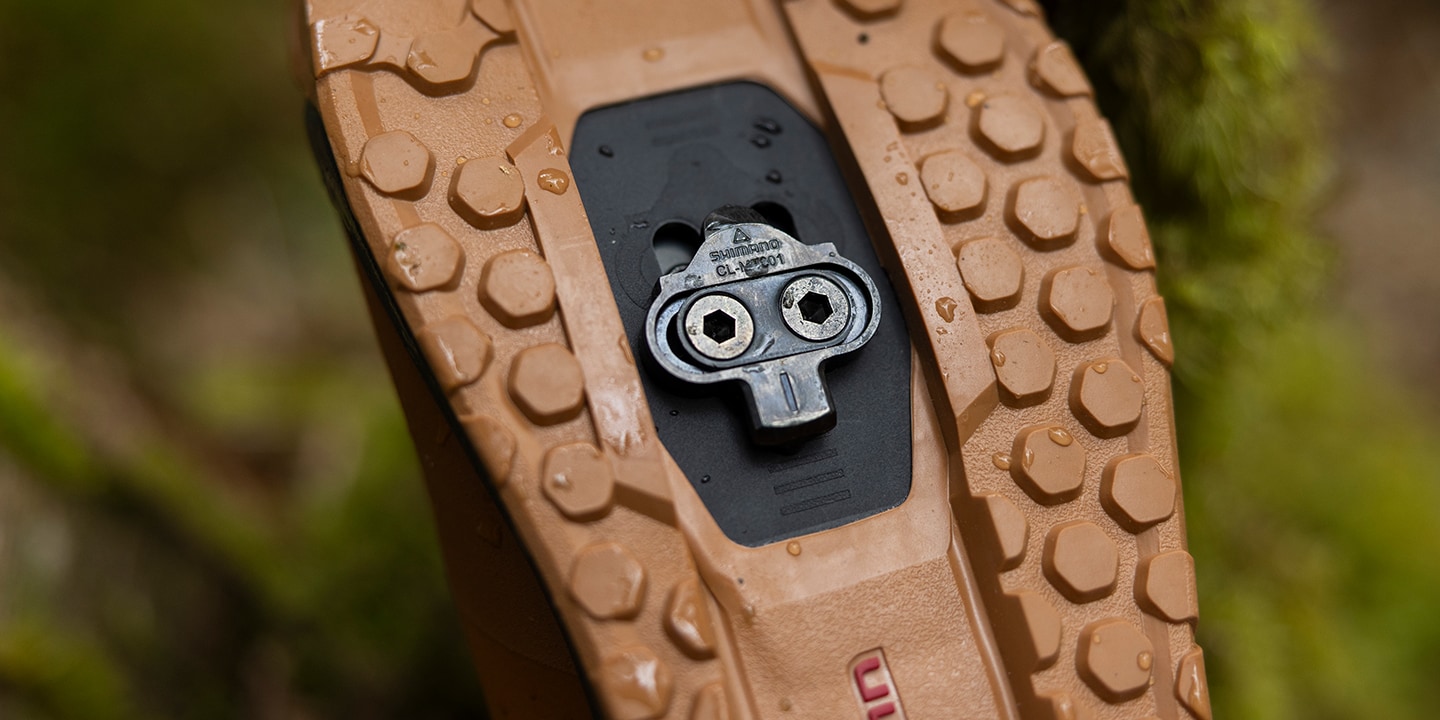
- SHIMANO Launches New SPD Trail/Enduro CL-MT001 Cleat
- The new cleat touts multi-entry capability and improved walkability in its first redesign in three decades
- 30/08/2025
-
- Built for the Unpaved
- Introducing the SHIMANO RX910 S-PHYRE Gravel Racing Shoes
- 28/08/2025
-
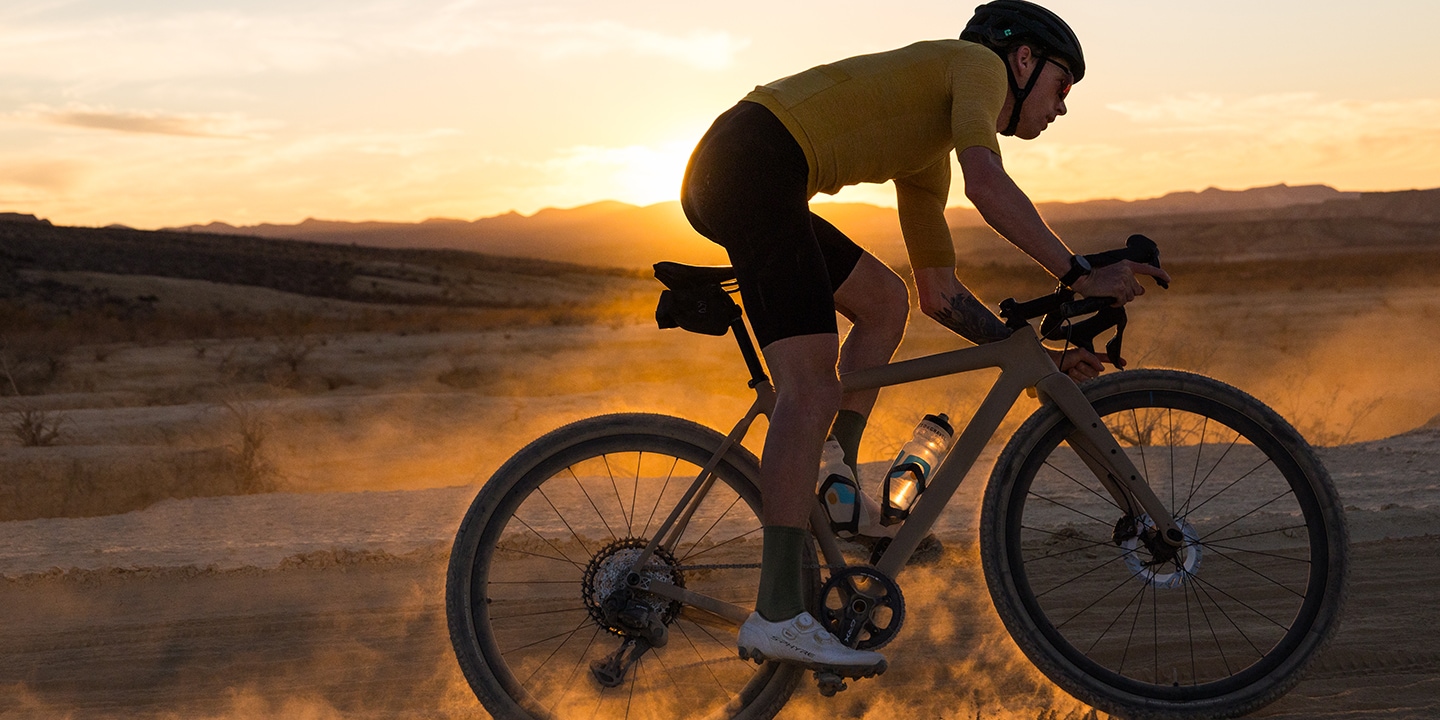
- A Guide to SHIMANO 1x and 2x Gearing Setups for Gravel
- Should you run a 1x or 2x setup for your gravel bike? This definitive Shimano guide will help you pick the right GRX drivetrain for your dream ride.
- 20/08/2025
-

- Upgrade Your MTB Without the Overhaul
- Discover how SHIMANO’s new XTR, DEORE XT, and DEORE upgrade kits make it easier than ever to elevate your ride with next-gen braking and shifting performance.
- 19/08/2025
-

- Cannondale Factory Racing Team on Wireless XTR
- Charlie Aldridge, Meet the New XTR Groupset
- 31/07/2025
-
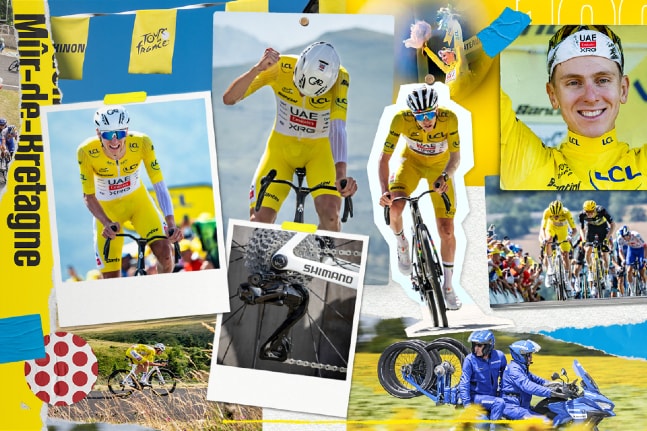
- Welcome to Tadej’s World
- In the Tour de France, fortunes can fall apart in seconds. What sets a champion apart is what happens in the hours that follow.
- 28/07/2025
-
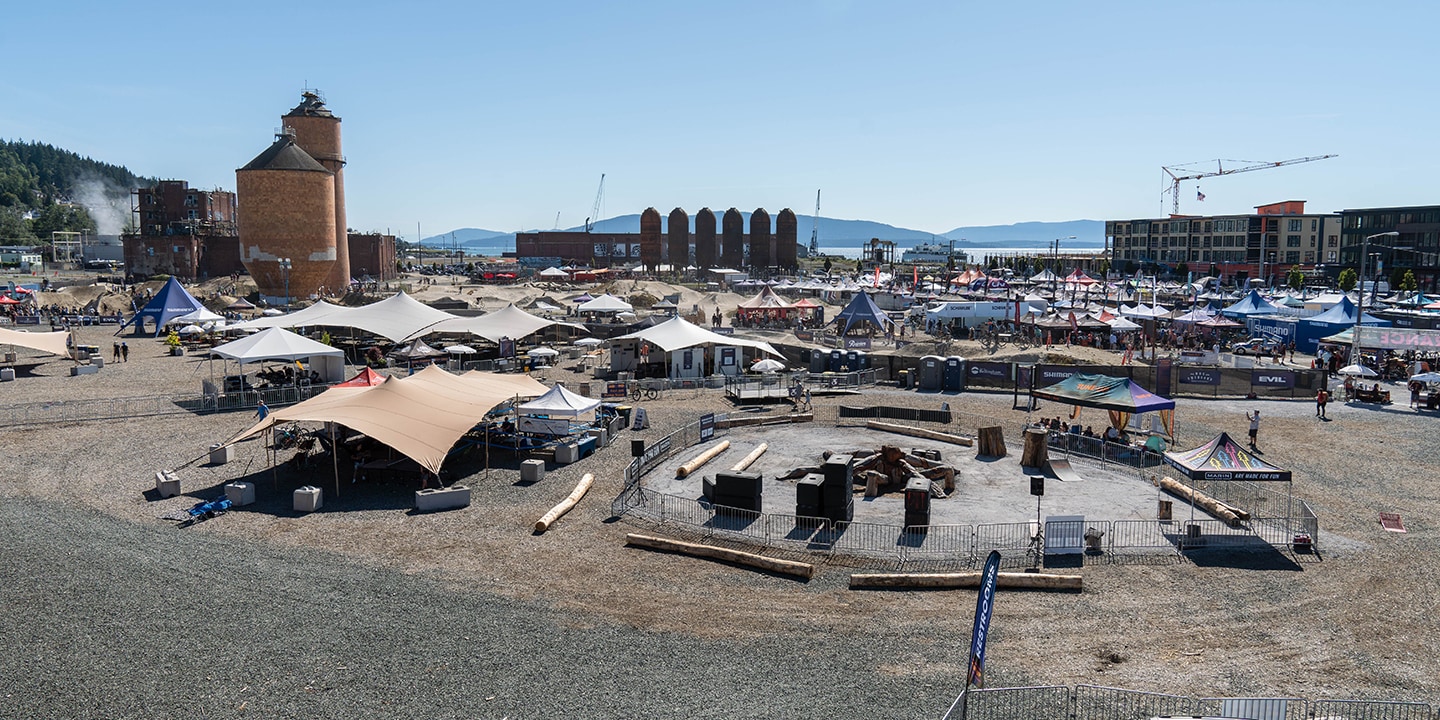
- SHIMANO Hits the Road with New XTR
- New Interactive XTR Experience at the Northwest Tune-Up
- 16/07/2025
-
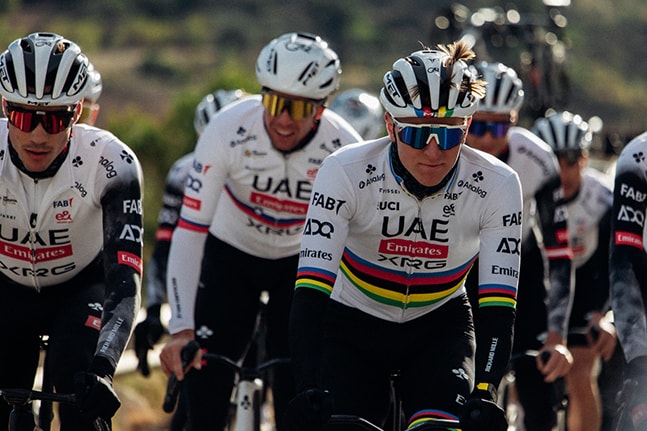
- High-Altitude Teamwork with UAE Team Emirates XRG
- Shimano joins Tadej Pogačar, João Almeida and Nils Politt for a behind-the-scenes look at training with DURA-ACE in the Spanish highlands.
- 03/07/2025
-

- REBOUND 2025: The Can-Do Spirit of Gravel
- The Art of Route Building, Organizing the Perfect Ride, and Erwin Sikkens’ Definition of “Genieten”
- 01/07/2025
-
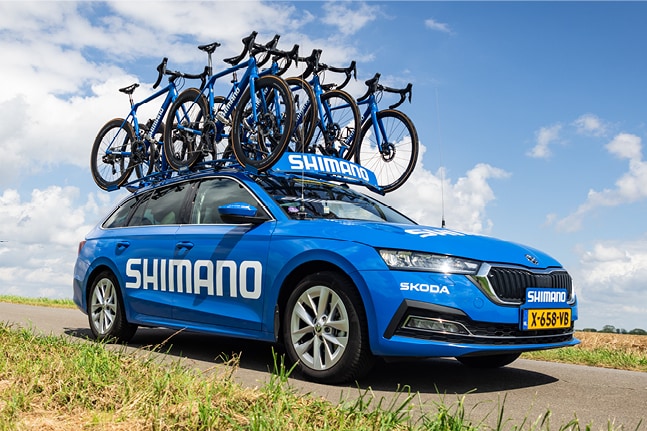
- Behind the Shimano Neutral Service
- Learn About our Blue Motorbikes and Cars with These Facts and Figures
- 01/07/2025
-
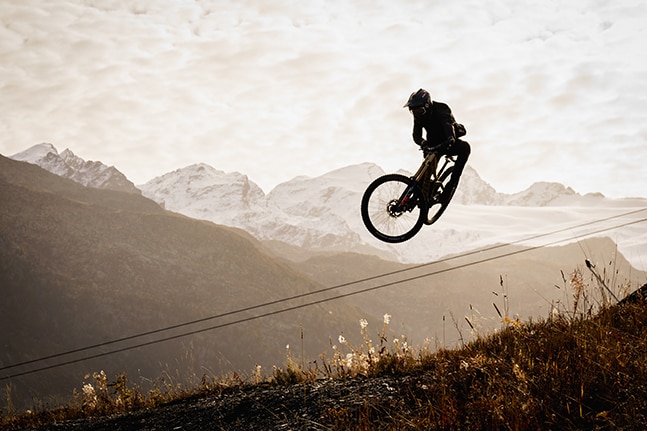
- Inside the La Thuile Bike Park
- Explore La Thuile Bike Park, the newest stop on the 2025 UCI MTB World Series. Discover why it’s a must-ride alpine destination.
- 26/06/2025
-
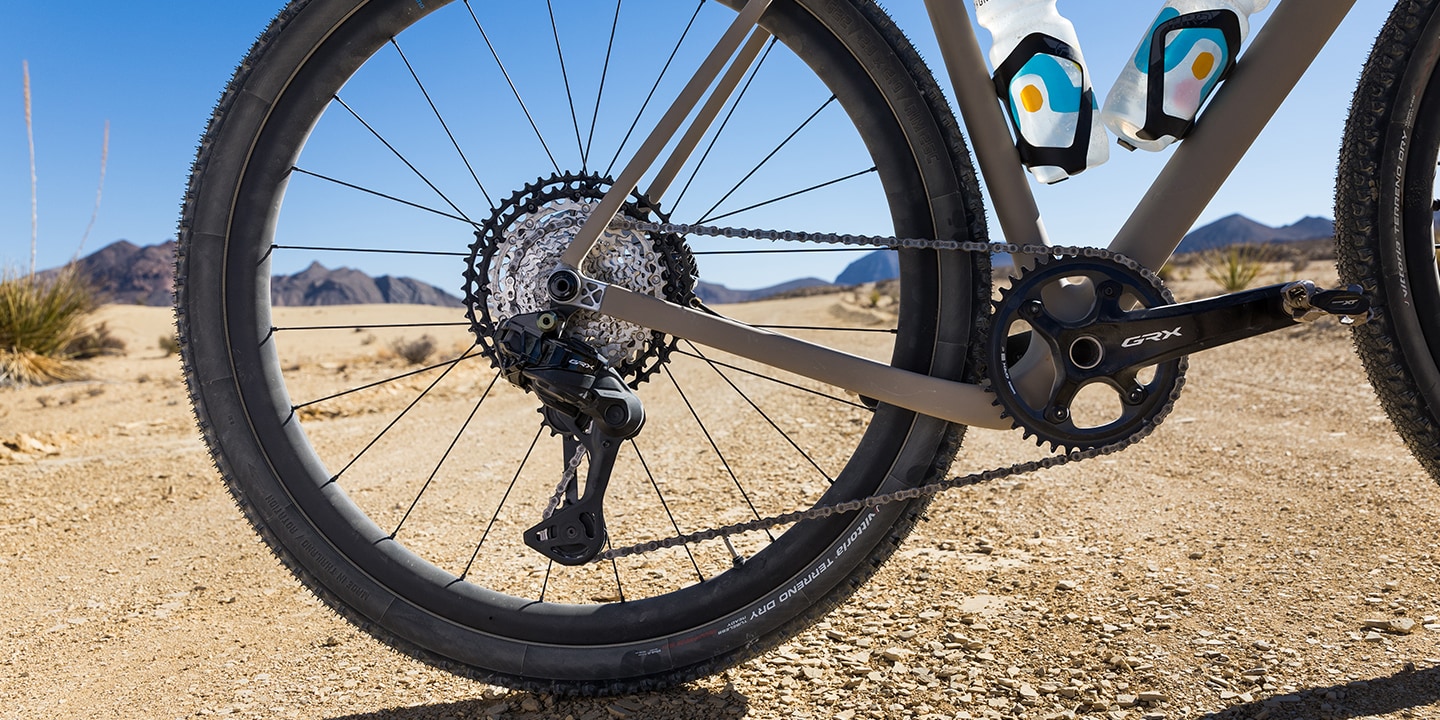
- SHIMANO Gravel Goes Wireless
- GRX 1x12-Speed Wireless Performance for Every Gravel Adventure
- 25/06/2025
-
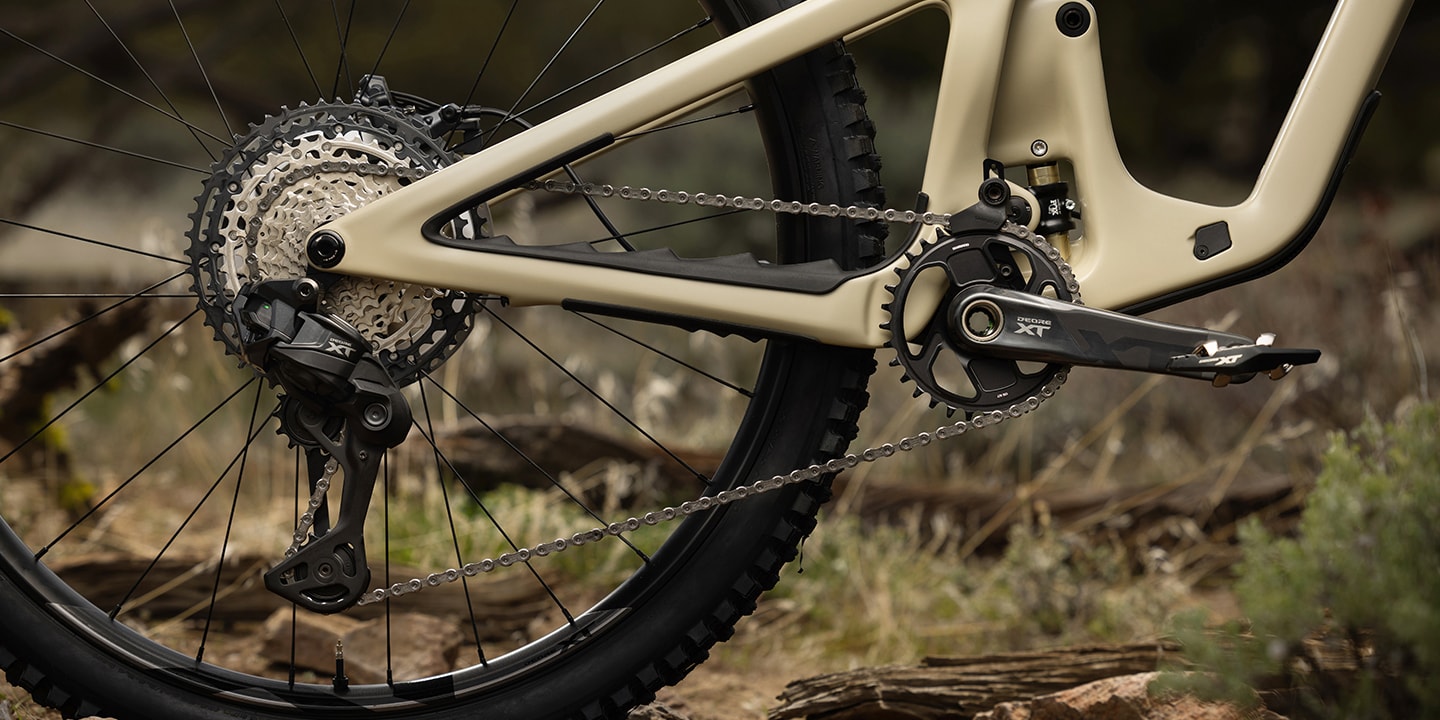
- Introducing DEORE XT M8200 Di2
- More than a ride, it's a way of life.
- 19/06/2025
-
.jpg)
- Introducing Q’AUTO
- How a Century of Innovation Led to Fully Automatic, Battery-Free Di2 Shifting
- 05/06/2025
-
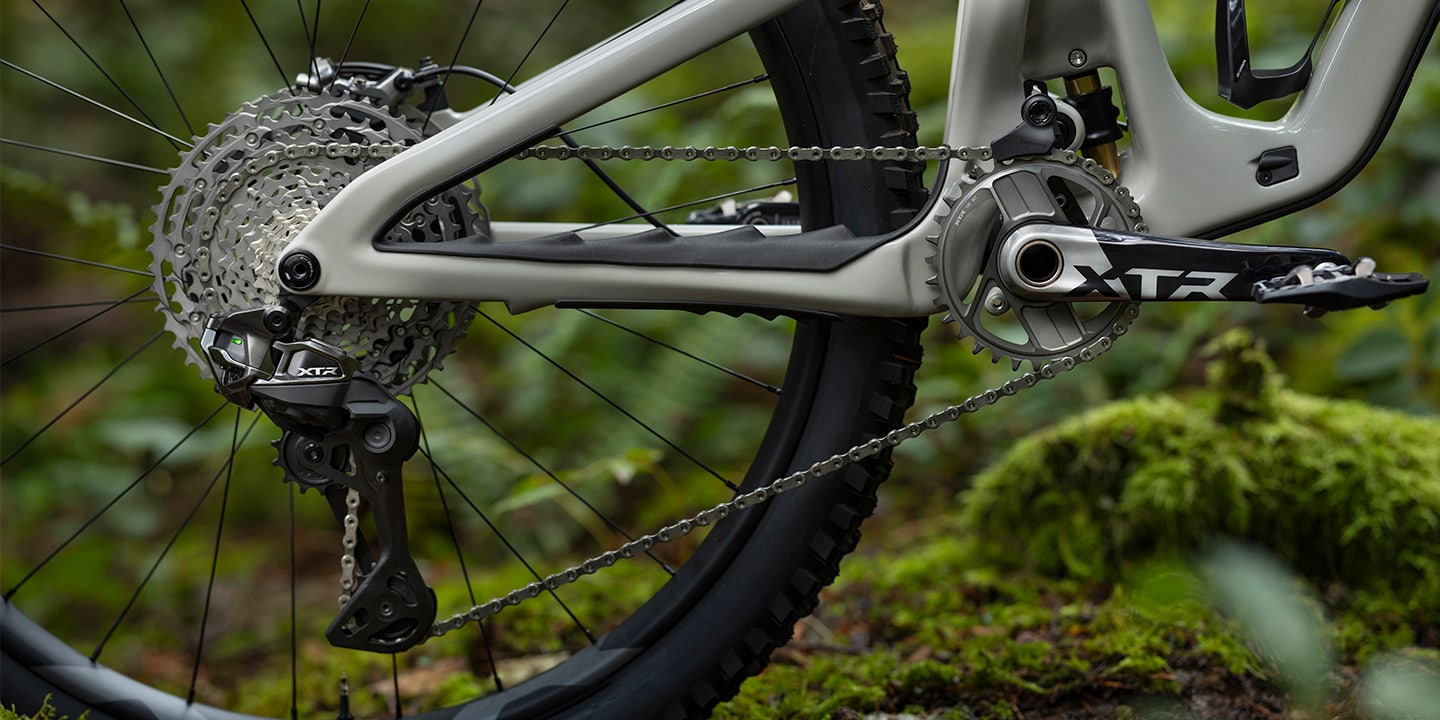
- Introducing XTR M9200 Di2
- Fast and Precise Shifting, Robust Construction, Refined Braking System
- 05/06/2025
-

- Wyn Masters joins us at Paris-Roubaix
- Time for another Wyn Masters/Shimano crossover, this time at Paris-Roubaix.
- 30/04/2025
-
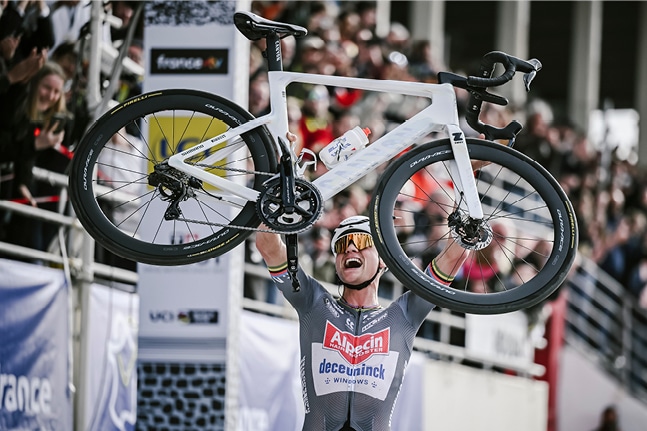
- Mathieu van der Poel’s Paris-Roubaix Winning Bike
- Eight Monuments Each. One Groupset. Pogačar and Van der Poel Went All-Out at Paris-Roubaix!
- 14/04/2025
-

- Shimano's New Gravity Footwear Family
- Get rowdy on rugged DH tracks. Go big on backcountry epics. Smash out more laps on the local trails. Shimano's new GE Gravity Enduro MTB shoes come from 30+ years of clipless pedal expertise. They are purpose-built for precision control and uncompromising performance for aggressive trail, enduro, and downhill riding.
- 25/04/2024
-
- Firmware Update to Improve the Power Meter Accuracy
- On October 24, 2023, Shimano releases a new firmware for Shimano power meters and update the E-TUBE PROJECT Cyclist application, respectively.
- 08/02/2024
-
- How to look after your e-bike at home and in the bike shop
- Looking after your e-bike is really important for both your safety and your enjoyment of cycling. With some simple checks to do at home and the support of trained and certified mechanics at a Shimano Service Center you can easily keep your bike in perfect working order!
- 23/09/2022
-
- It’s Never Too Late
- Isabel King on Going Pro and Going Big in Gravel Cycling.
-

- Shimano Supports More Kids on Bikes
- Partnership with National Interscholastic Cycling Association a win for all
-
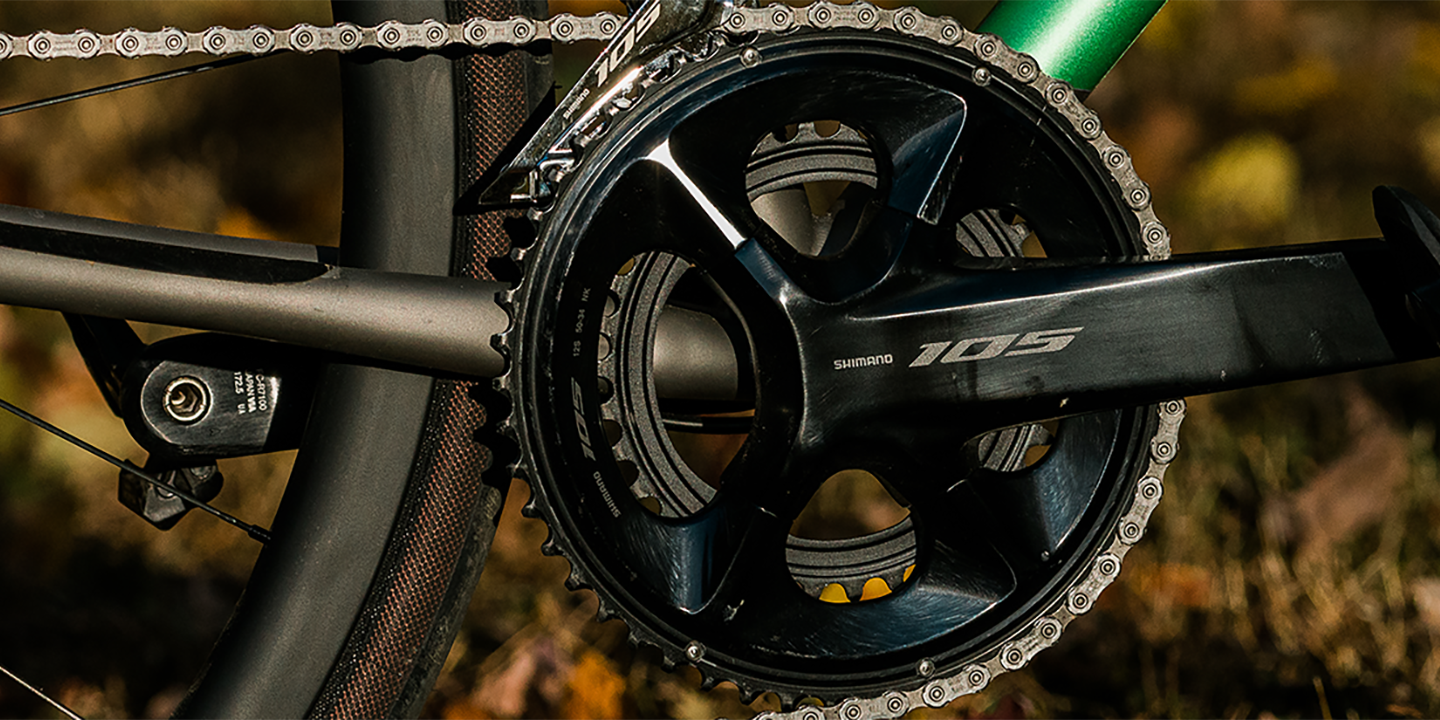
- Kurt Gensheimer’s Custom Titanium Mosaic GT-2 AR
- Featuring SHIMANO R7100 105 Di2 Groupset.
-
- This is Home: Matt Hunter
- For many people, mountain biking is a migratory sport.
-
- Heather Jackson’s Transformation From Ironman Champ to Gravel Powerhouse
- After a 15-year triathlon career that saw Heather Jackson win six Ironman and 16 Half Ironman competitions, Heather Jackson has steered her career in a new direction.
-
- Can’t Stop Won’t Stop
- In the heart of Virginia, the Richmond Cycling Corps (RCC) is hard at work connecting with local youth and helping them discover the power of cycling.
-
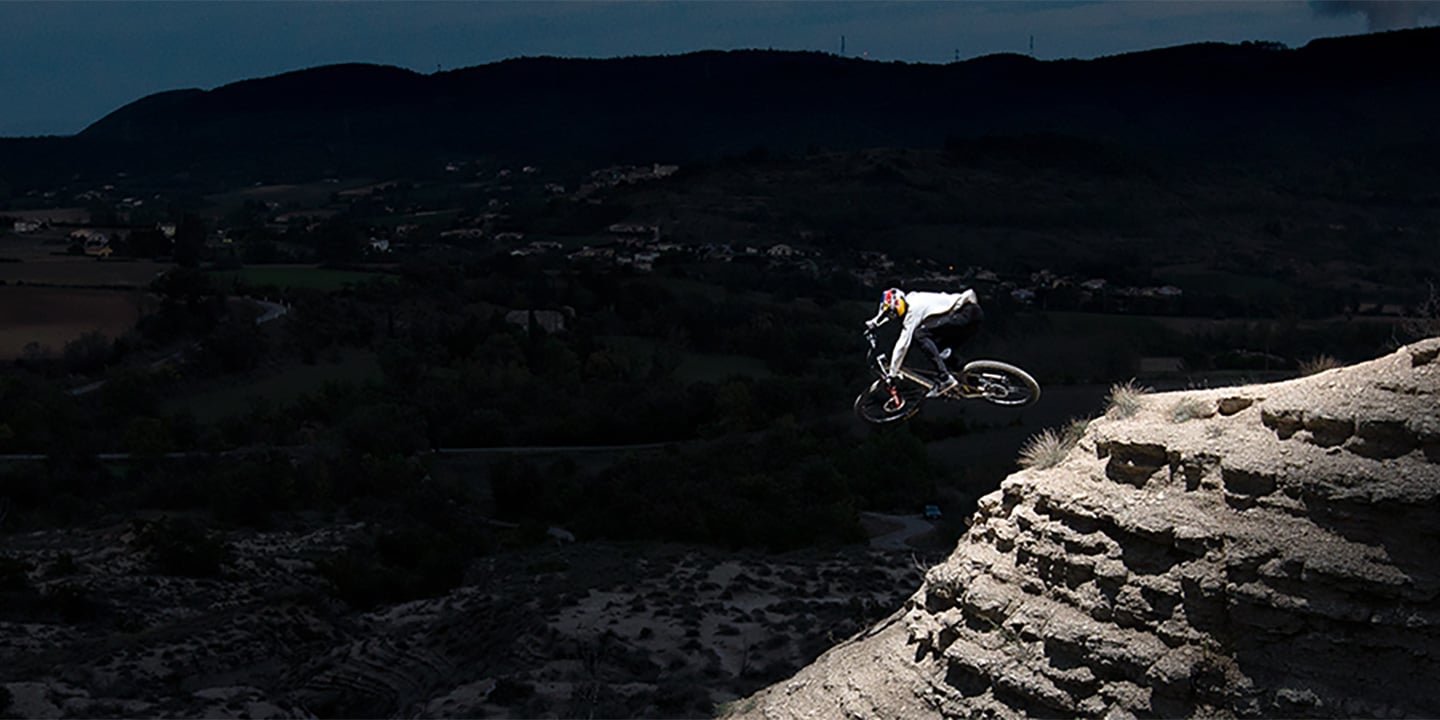
- The Art of MTB #2
- Thomas Genon x JB Liautard.
-
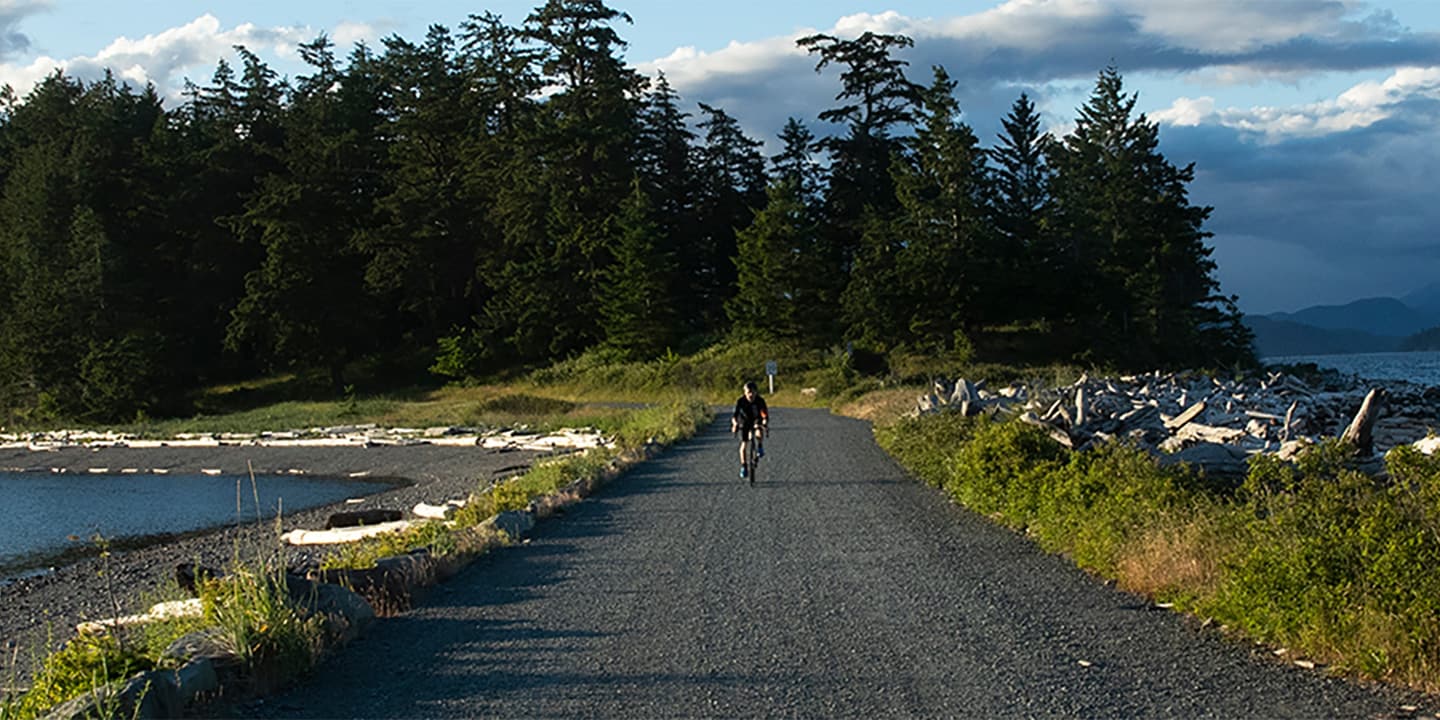
- Spring Cleaning and Maintenance
- As the cycling season approaches, it's time to get the gravel bike ready for a long summer of riding and adventures with friends.
-
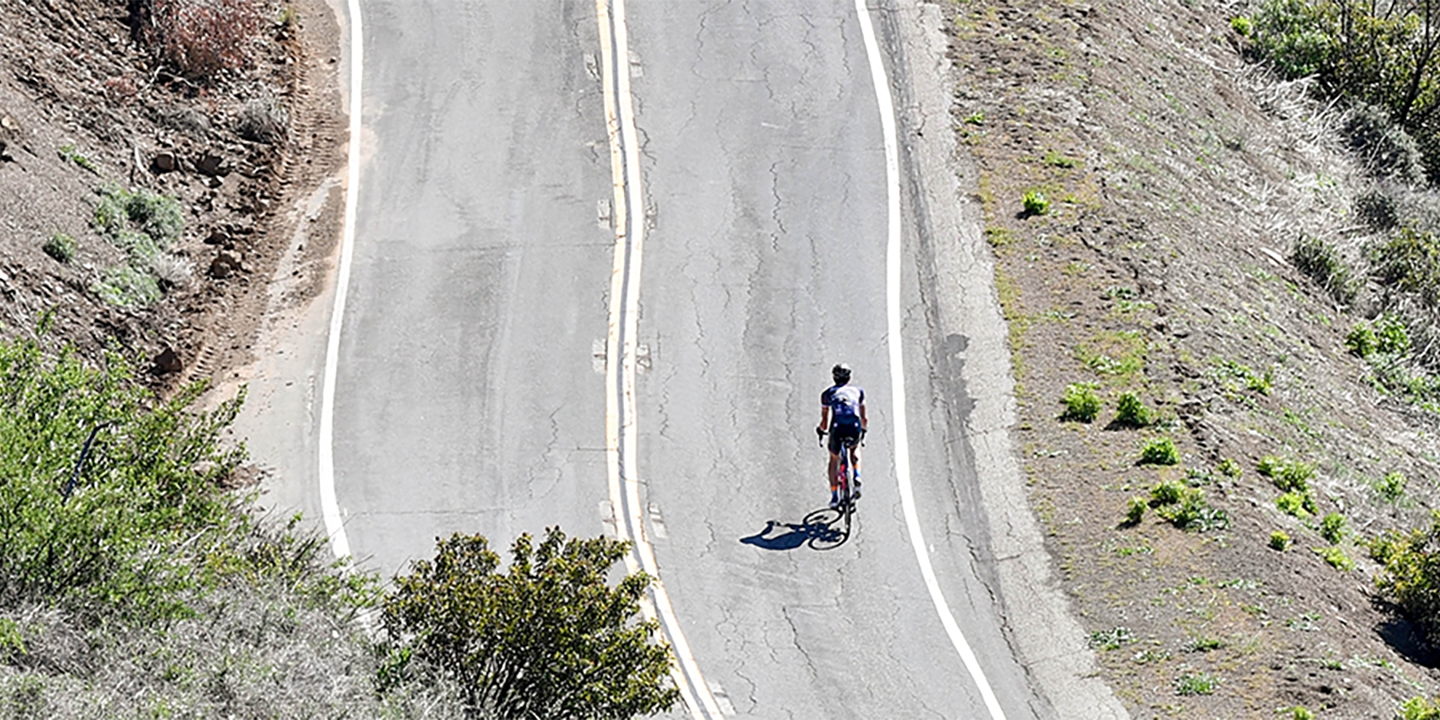
- How To (Try To) Climb Like Phil Gaimon
- From the WorldTour to the official Mount Washington hill climb record to every KOM in between, Phil Gaimon has made a long career out of going uphill very fast.
-
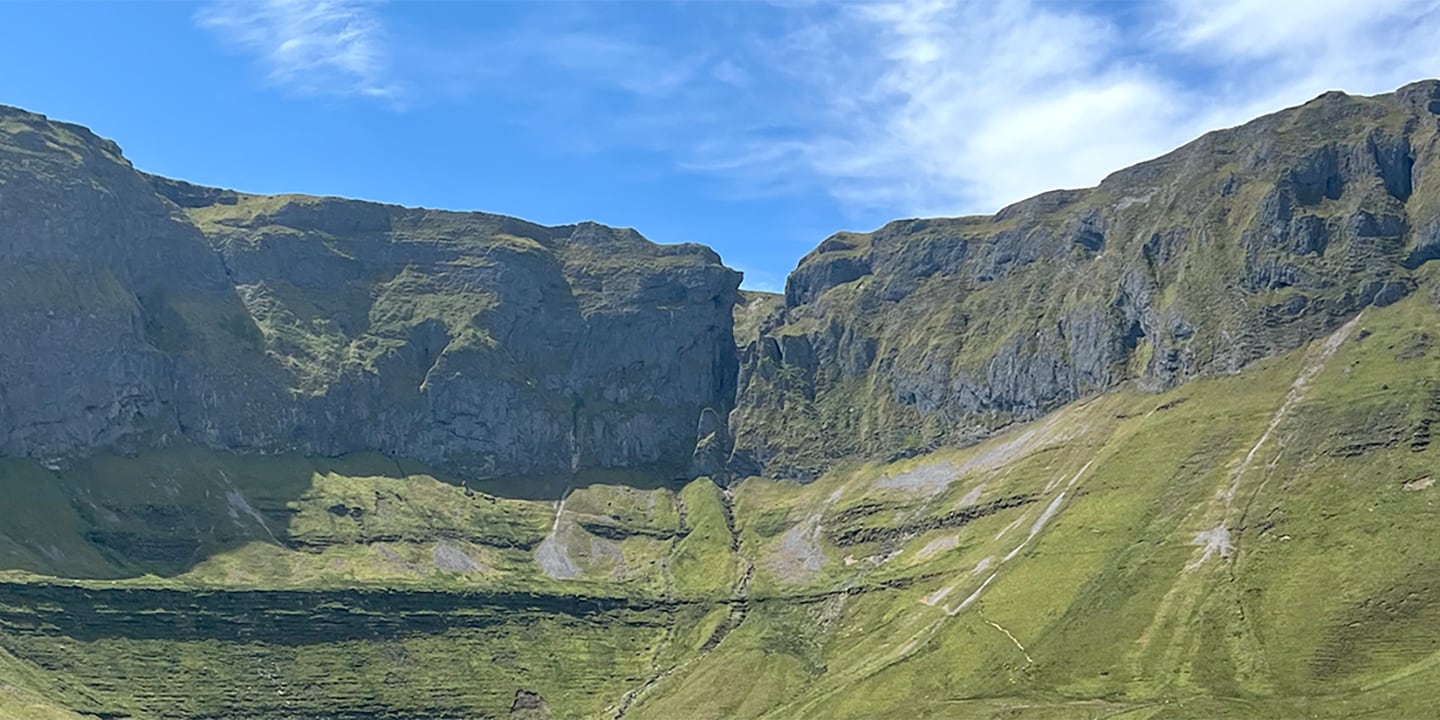
- Chunking Momentum and Feeding Needs
- Chris Case is a journalist, adventurer, and founder of Alter Exploration, guiding cyclists on transformative journeys in some of the world’s most spectacular locations, including the Dolomites, Iceland, Piedmont Alps, and Colorado.
-
- Downhill Legend Greg Minnaar’s Braking Secrets
- When searching for milliseconds on the World Cup DH track, consistency is key for edging out the competition.
-

- Engineered Tuff
- SHIMANO Gravel Alliance member and 2x Unbound 200 winner Amanda Nauman is more than just a super fast bike racer.
-
- Fitness Simulator
-

- Experience the Gran Fondo National Series
- Celebrating the intersection of sports and community, the Gran Fondo National Series delivers a unique riding experience that draws riders from around the world.
-
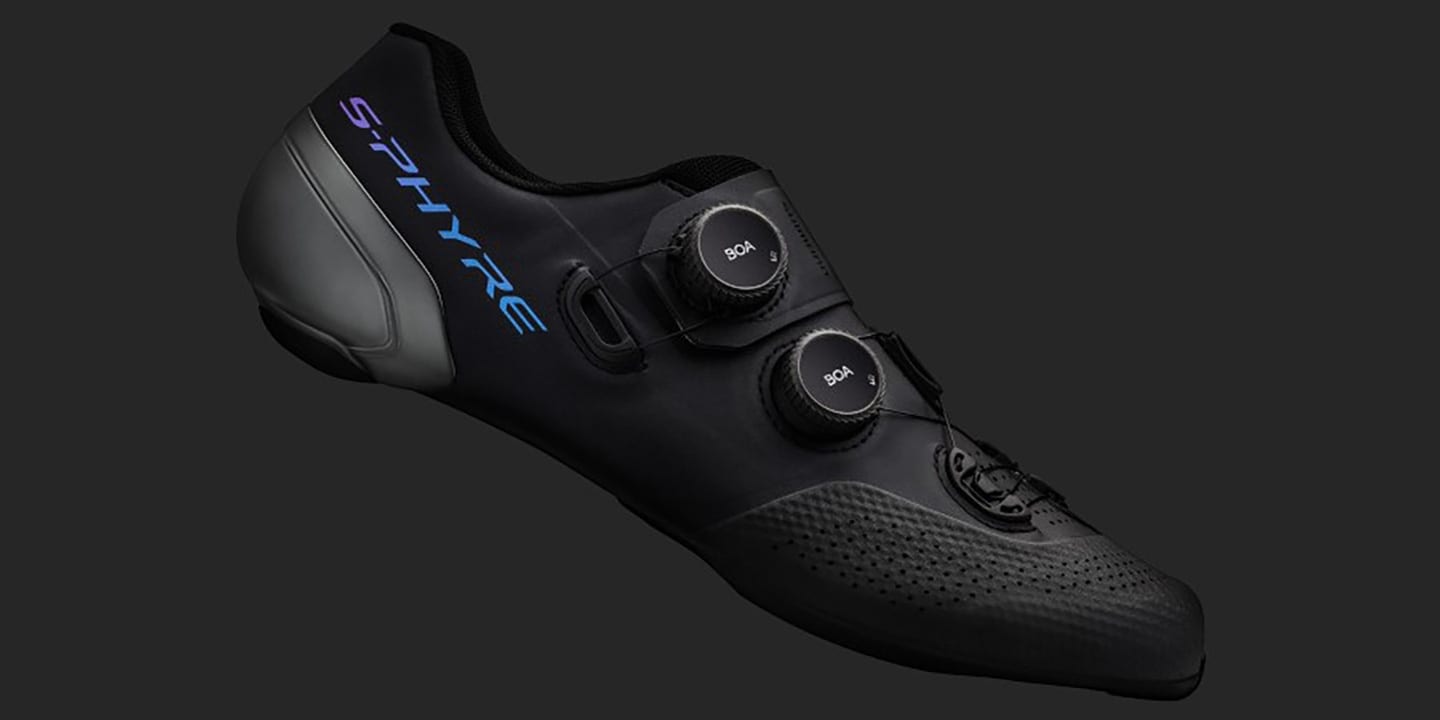
- Shimano Advances Its Ultimate Road Racing Shoe With New S-PHYRE RC902
- After extensive scientific research and testing with its top professional athletes, Shimano introduces its redesigned flagship S-PHYRE RC902 road racing shoe for the 2021 model year.
-

- Isla Short's secret ingredient
- Fresh off the back of the 2021 Tweed Valley Enduro World Series, Isla Short is bright-eyed, wide-smiled and ready to ride.
-

- XTR Explained: e-MTB
- The Science of Control, the Art of Riding
-
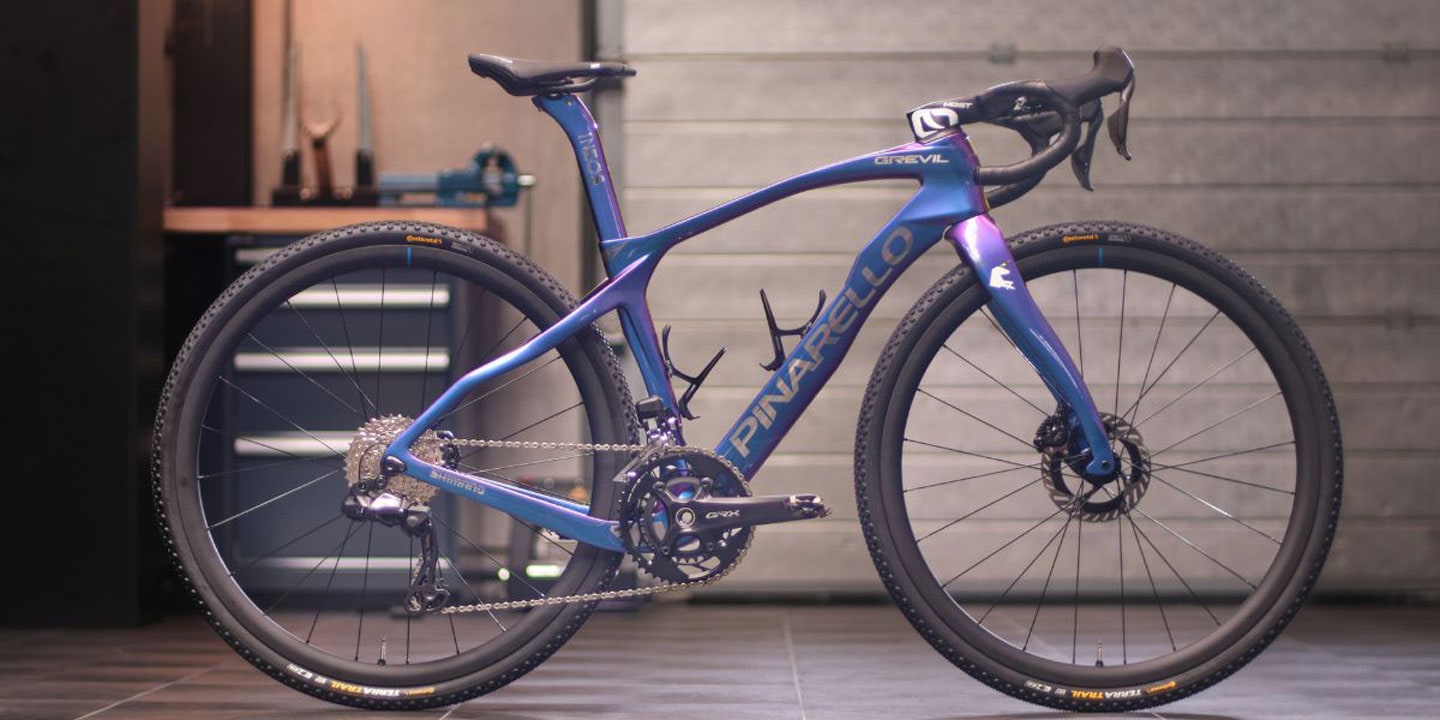
- SHIMANO GRX x INEOS Grenadiers
- The mechanics at INEOS Grenadiers built up a gorgeous GRX-equipped bike!
-

- SHIMANO Releases Limited Edition GRX Pedals
- Featuring United in Gravel graphics
-
- SHIMANO Indexed Shifting Explained
- The Original Precision Shifting that Changed Bicycles.
-
- GRX: Mechanical Modernity
- In an ever-more computerized world, we set out to break the mold by breathing new life into mechanical shifting to give you a gravel ally that works with next-level analog technology. Or three distinct allies, to be precise. For this piece, we asked none
-
- Wyn Masters Goes to Grinduro!
- Watch WynTV step outside his comfort zone and into some flashy lycra!
-
- Which is the Right Brake For You?
- Two-piston v four-piston.
-
- What is SHIMANO LINKGLIDE?
- New LINKGLIDE Technology for Smoother Shifting and More Durable Components.
-
- SHIMANO DEORE XT and XTR
- Differences and common features
-
- Carolin Schiff: From Bremen to UNBOUND
- Learn How To Prepare for Your First Race with Carolin Schiff
-
- Shimano Sponsored Road Teams of 2025
- Discover Shimano’s Class of 2025 and Explore the UCI WorldTour Calendar 2025.
-
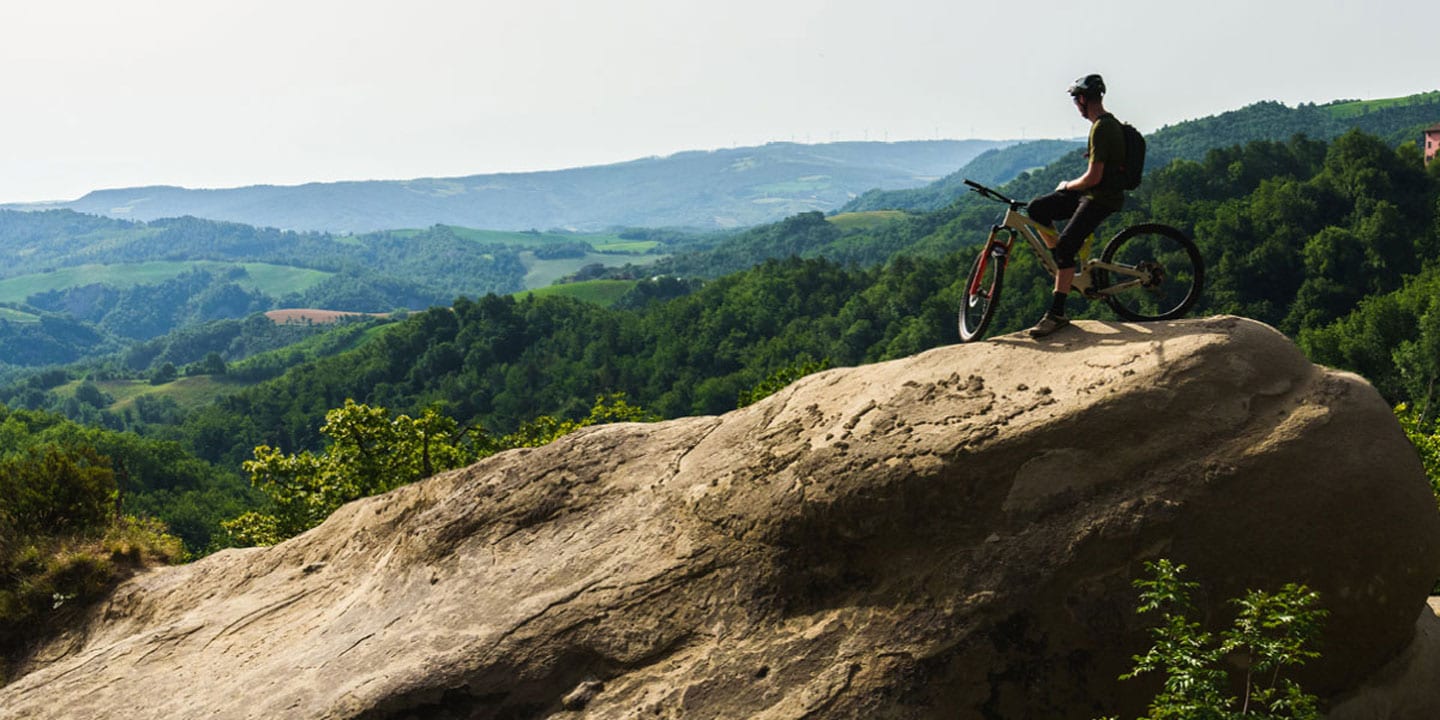
- Scotty Laughland A Taste of Italy
- Join Scotty Laughland on a thrilling 10-day mountain biking journey through Italy, exploring stunning trails and savoring the country's exquisite cuisine.
-

- For Those Who Never Compromise: Shimano DURA-ACE R9200
- Peak performance does not happen by chance.
-
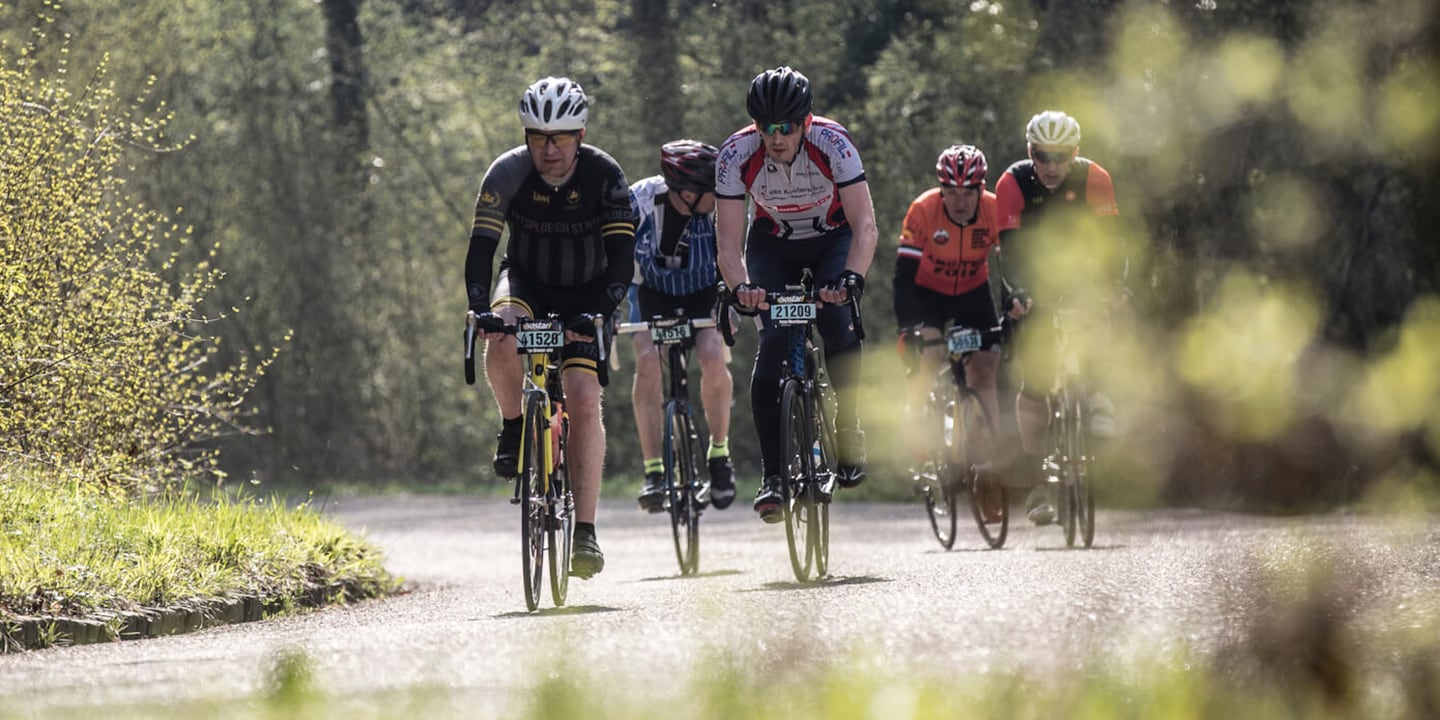
- How to prepare your bike for a Gran Fondo
- In the excitement of getting ready for a big Gran Fondo or sportive a surprising number of riders overlook their bike.
-

- FURTHER - Feels Like the First Time
- From the very beginning, we built mountain bikes to take us further.
-
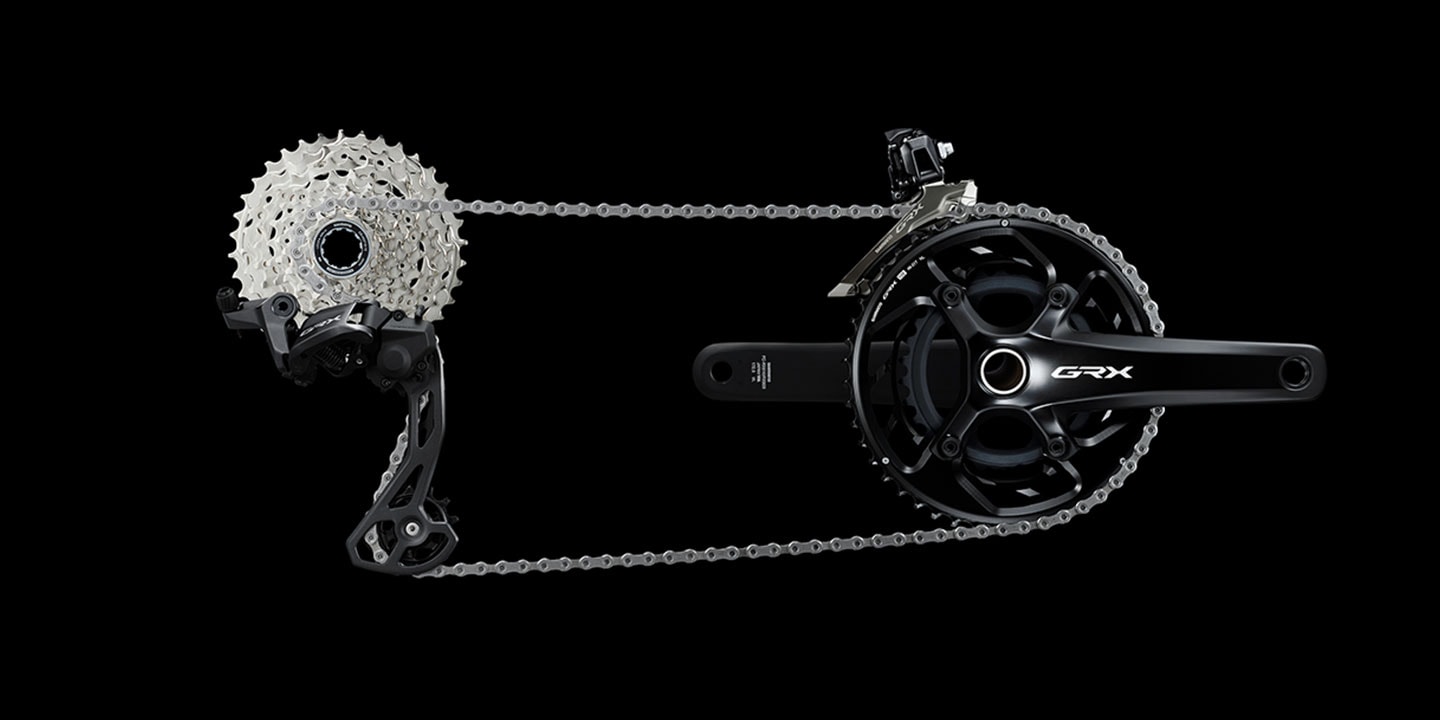
- New SHIMANO GRX 12-Speed Mechanical
- More Gearing Options For the Heart and Soul of Gravel Cycling.
-
- Personalize your Shimano footwear
- Various Fitting Tools and Accessories
-
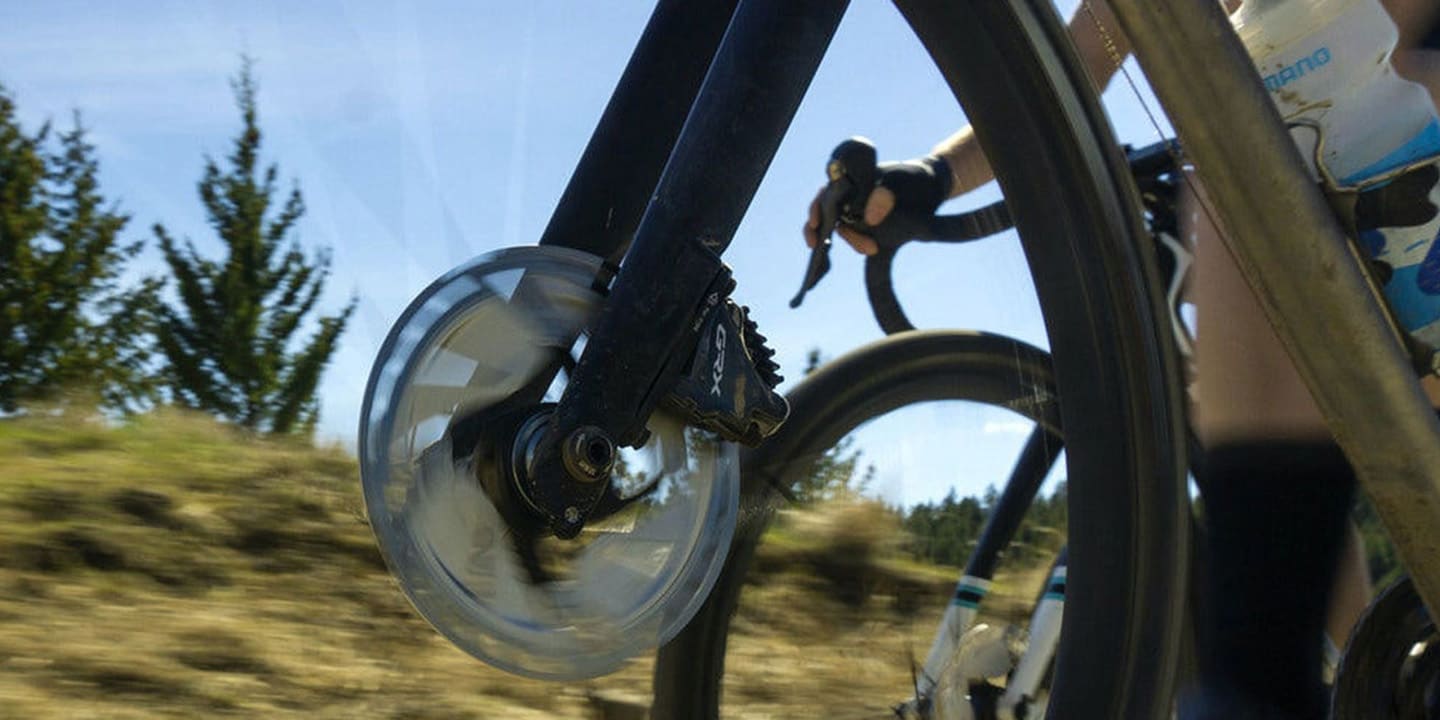
- Rediscovering adventure with Shimano GRX
- For all those cycling enthusiasts who are looking for something more, for those who want to explore new routes and get closer to nature, for those who prefer to get lost on gravel tracks rather than roads, for those cyclists who don't give up on top performance and riding at a good pace for endless rides, for all of them, we Explore Beyond with Shimano GRX.
-
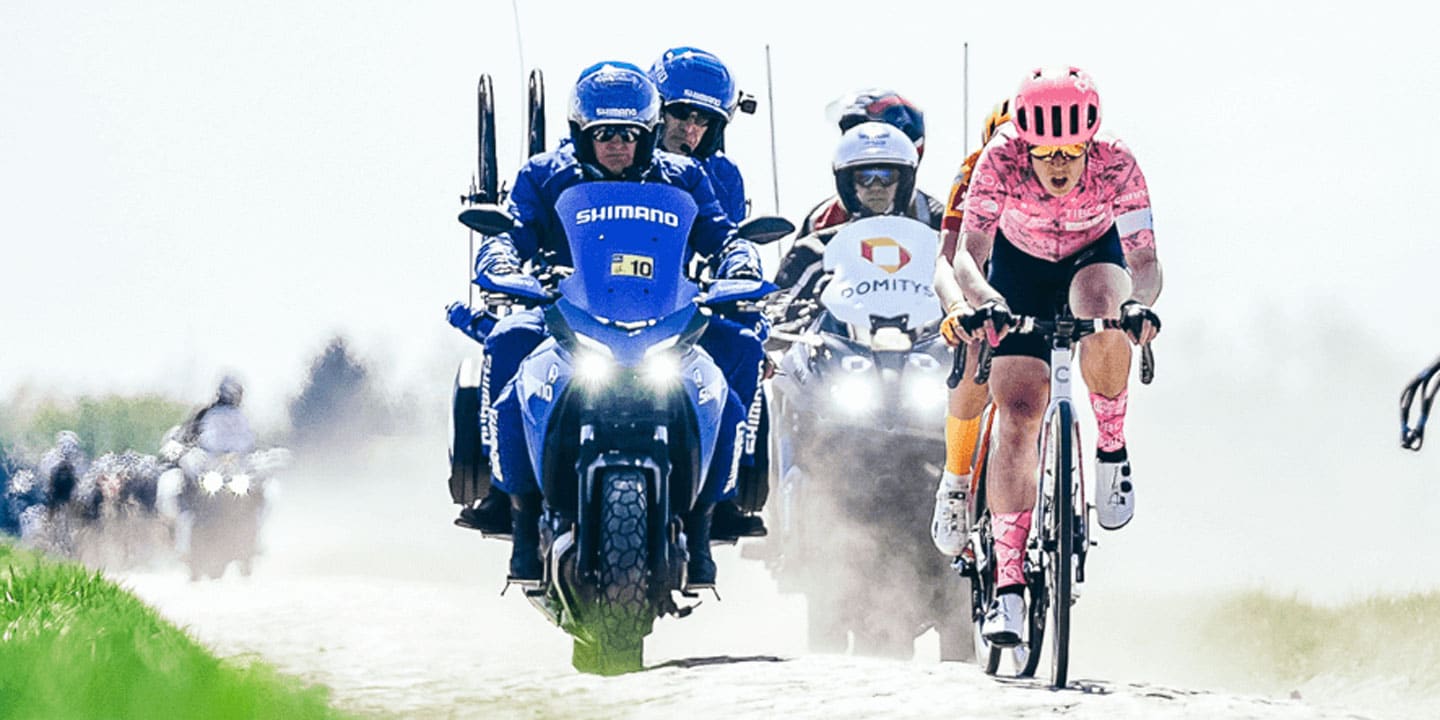
- The Shimano Neutral Service Facts and Figures
- Shimano has been running its Neutral Service since 2001.
-
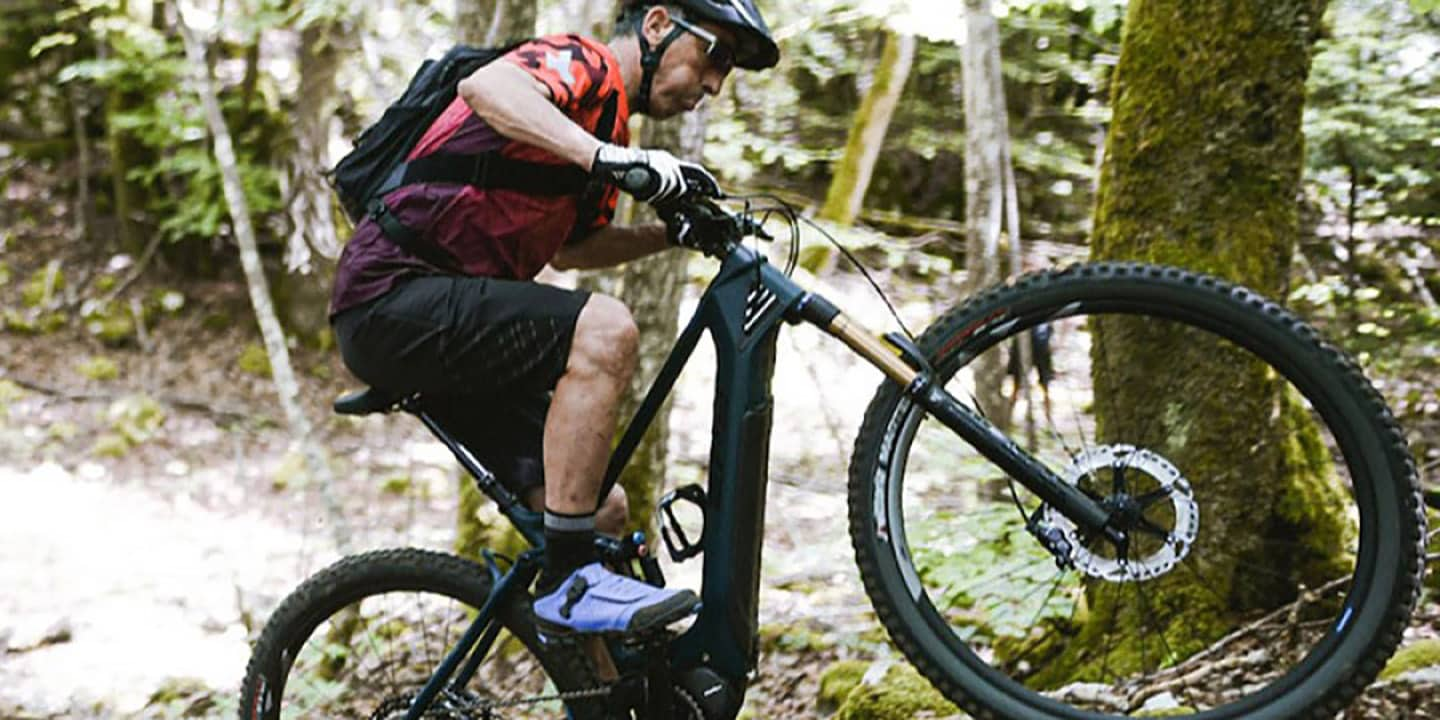
- Motorised Bikes Versus E-mountain Bikes – What Is The Difference?
- At SHIMANO we are first and foremost about cycling, so when we work on new e-MTB technology it is with the goal of making your rider experience even better.
-
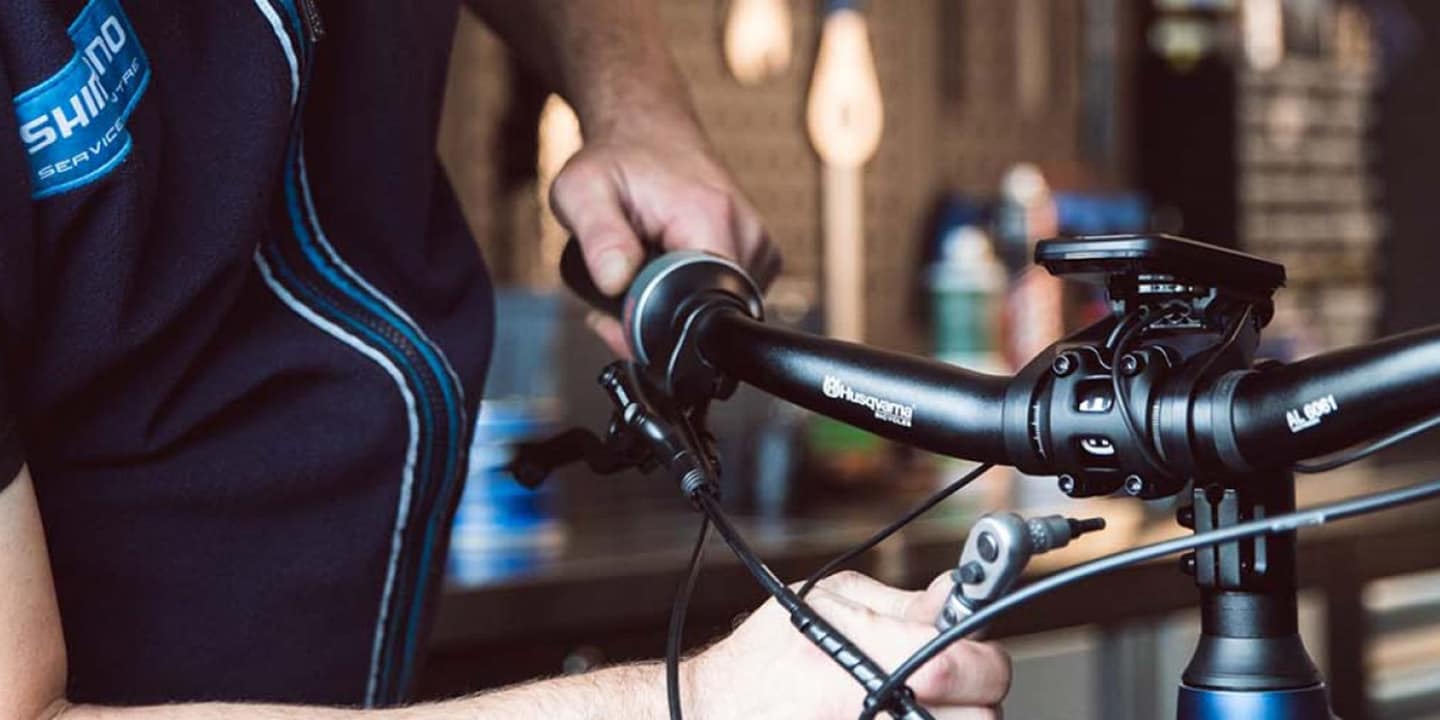
- Essential tips for cyclists - getting to know your bike
- Getting to know your e-bike, with a few simple tips from a mechanic, will help you get a better experience from cycling so you can confidently enjoy exploring the city.
-
- Boost your riding capacity with Shimano’s largest e-bike batteries
- We introduced three new e-bike batteries into our SHIMANO STEPS line-up including internal and external versions of its 630Wh largest capacity batteries for even longer rides.
-
- RISE beyond expectations.
- One of the lightest and most natural-feeling e-MTBs on the market just got faster.
-

- Say hello to SHIMANO STEPS E-Cargo
- SHIMANO STEPS newest e-bike system is now ready to power cargo bikes around the city.
-
- The race for the Maillot Rojo
- Cycling’s third grand tour is underway.
-
- Why should I buy an E-MTB?
- As the e-bike market continues to grow and is attracting new cyclists who are starting their journey through the world of E-MTBs, we want to help them to level up and become confident E-MTB riders.
-
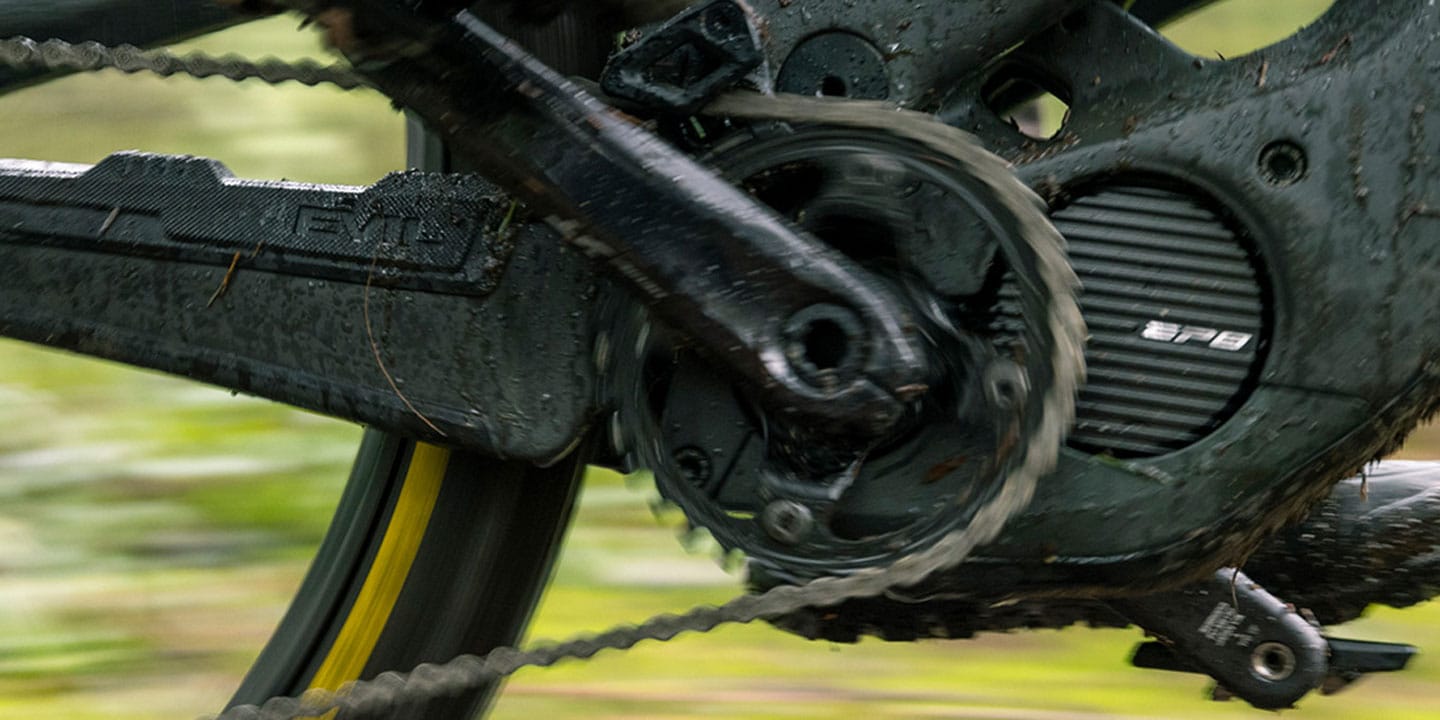
- Race-Specific Firmware Update for SHIMANO EP801 Systems
- The most recent firmware update for Shimano’s race-winning EP801 drive unit delivers exciting new features and more customization options to help you boost your race speeds and keep the momentum rolling longer through techy terrain.
-
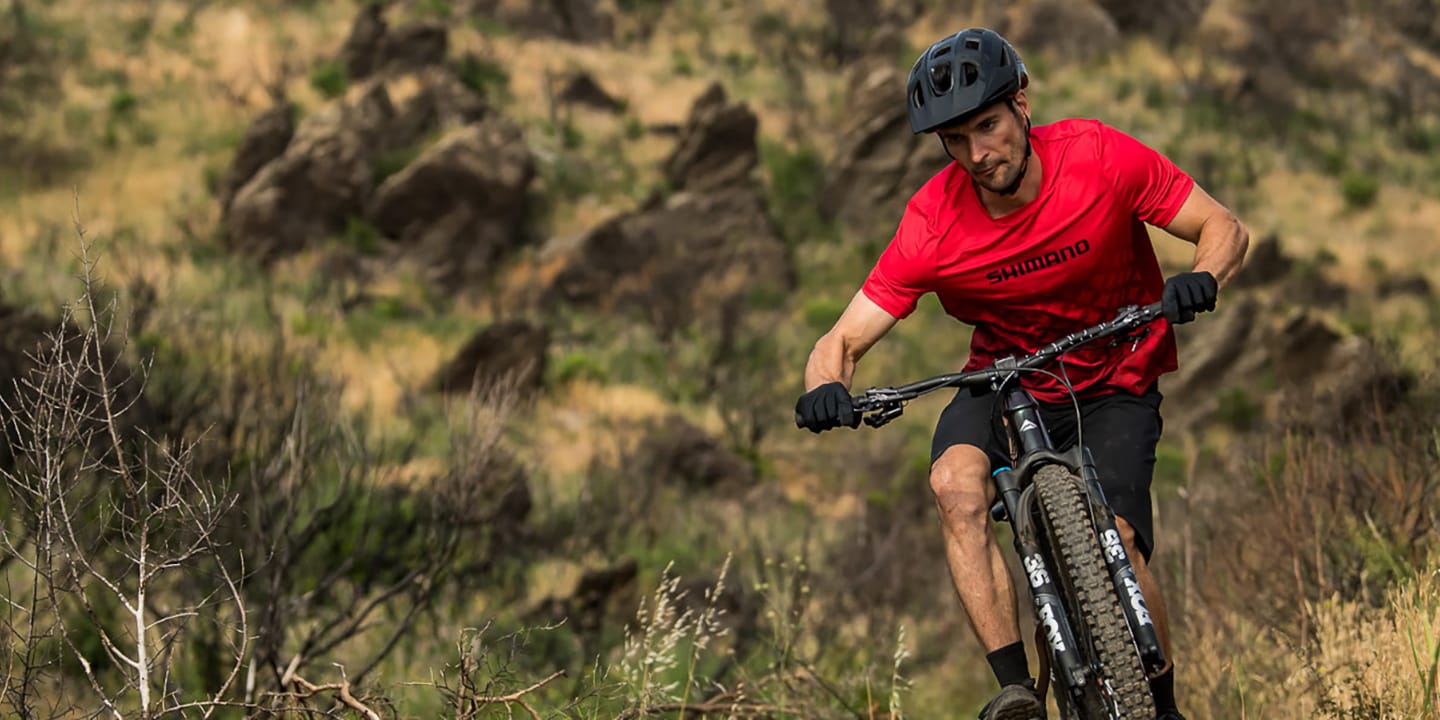
- 10 reasons to ride the new EP Series
- The innovative technology of SHIMANO’s refreshed EP Series enables you to experience new ways to bring joy to your ride, and provides the power, technology and reliability for a ride that redefines the limits of what you thought possible.
-
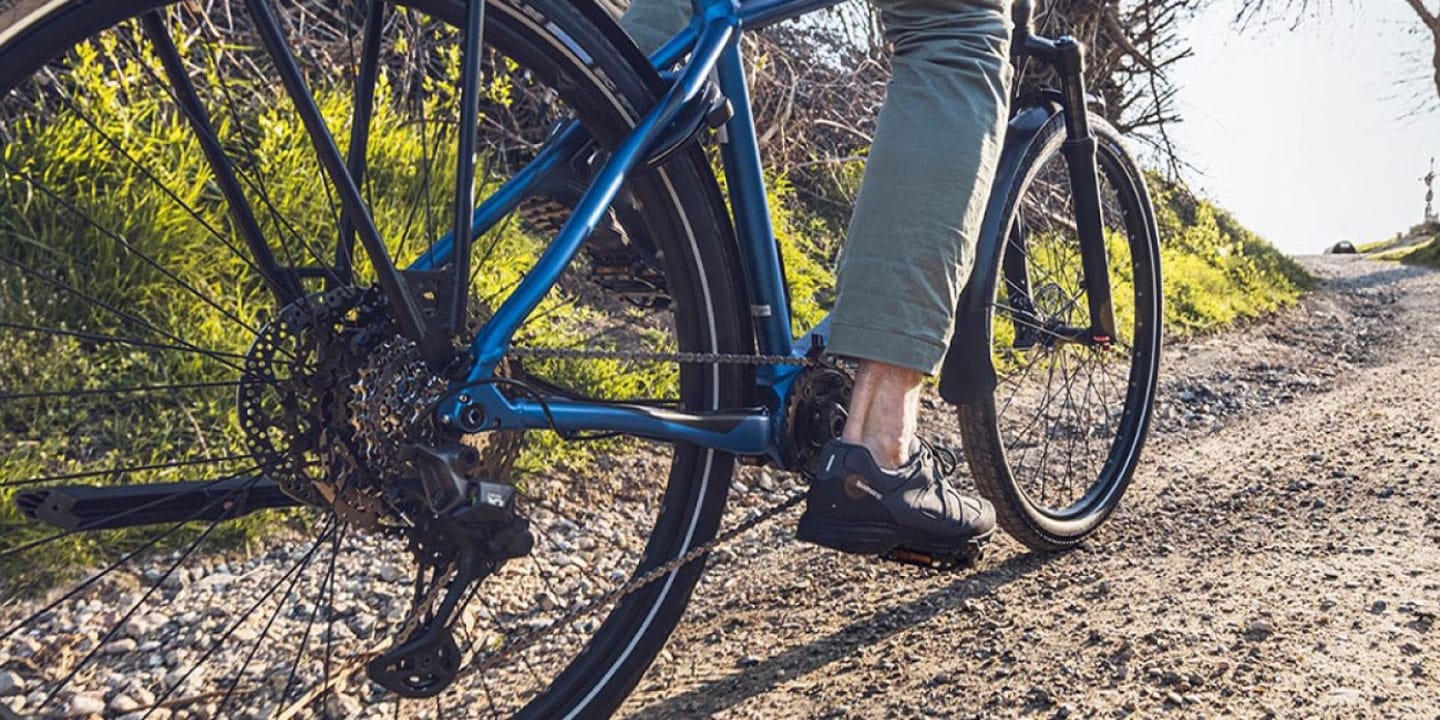
- New DEORE XT and DEORE with LINKGLIDE technology
- Say hello to reduced drivetrain wear and tear. Thanks to SHIMANO DEORE XT and DEORE with LINKGLIDE technology, you can enjoy high-mileage, low-maintenance cycling for years to come – without worrying about having to replace or repair components.
-
- Power Up!
- Full Gas on St Gothards pass.
-
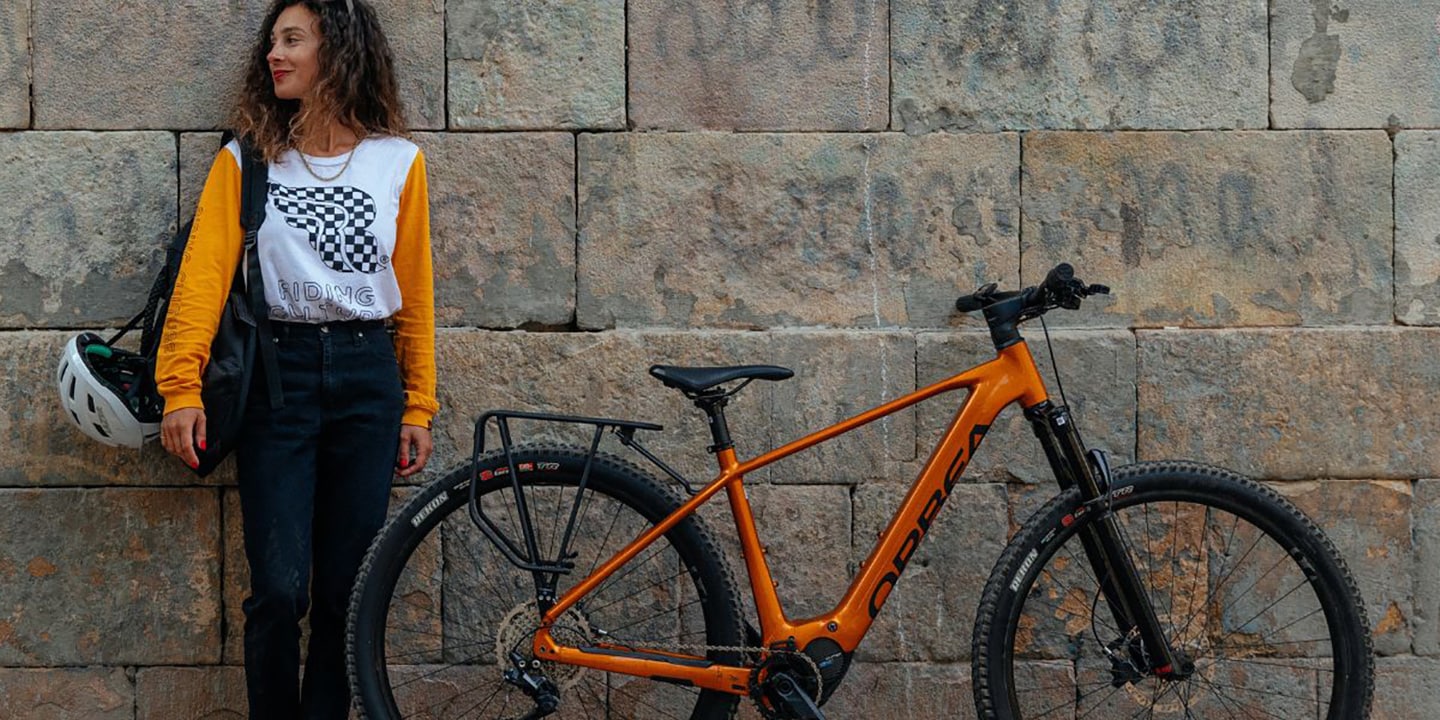
- Barcelona - Cycling in the City
- Barcelona is a cycling city built for people to enjoy life to the fullest, from its surprisingly calm corners to the metropolitan buzz of one of Europe’s most densely populated cities.
-
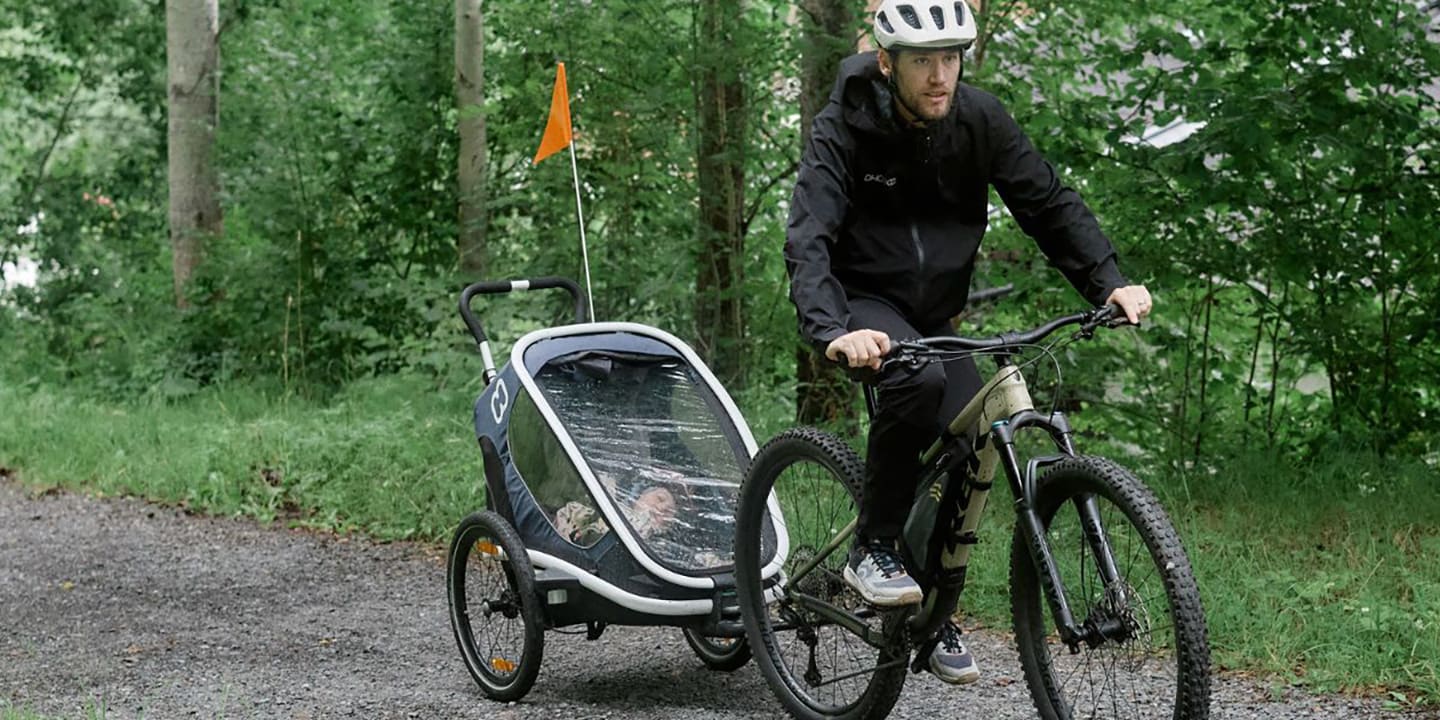
- Turn your school run into cycling fun
- Cycling to school is more than a means of transport; it's a fun, effective way to enhance everyday life.
-
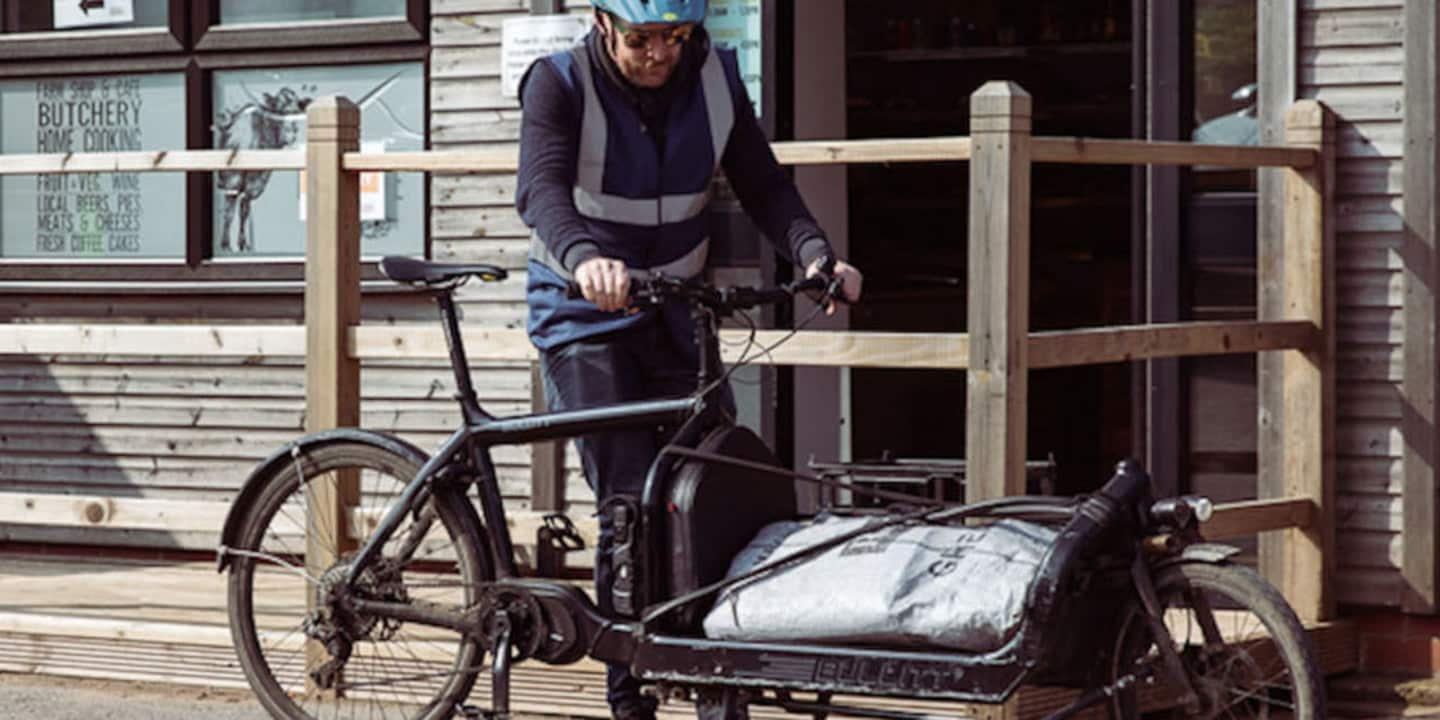
- Ease the load with an E-Cargo bike
- Discover how one town has solved its traffic problems with the introduction of a cargo-bike delivery service.
-
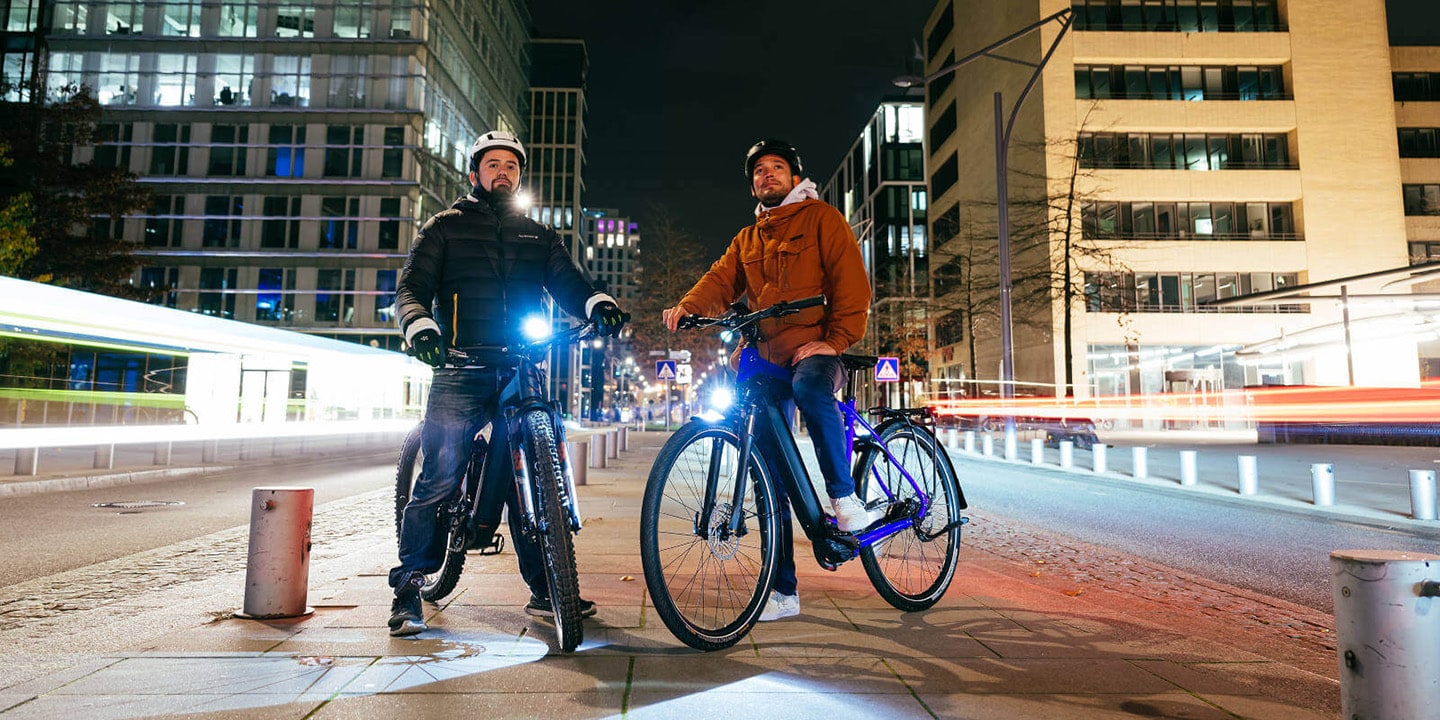
- Feel the excitement of cycling in the city at night
- City life doesn’t stop when the sun goes down and neither does cycling.
-
- People like me - How Cycling Helps My Photography
- Everyone has their own reason for riding, on the surface it might be that a bike is transport, or exercise but dig a little deeper and the reasons get more personal.
-
- What would happen if everyone cycled?
- Will more people on two wheels transform our cities?
-
- Could you swap your car for an e-bike?
- Just swapping your car for a bike on some of your shorter journeys is enough to make a difference.
-
- How an e-bike saved my cycling
- When illness meant that cycling was no longer possible Sarah Butler turned to an e-bike to give her the energy boost she needed to keep on enjoying riding her bike.
-
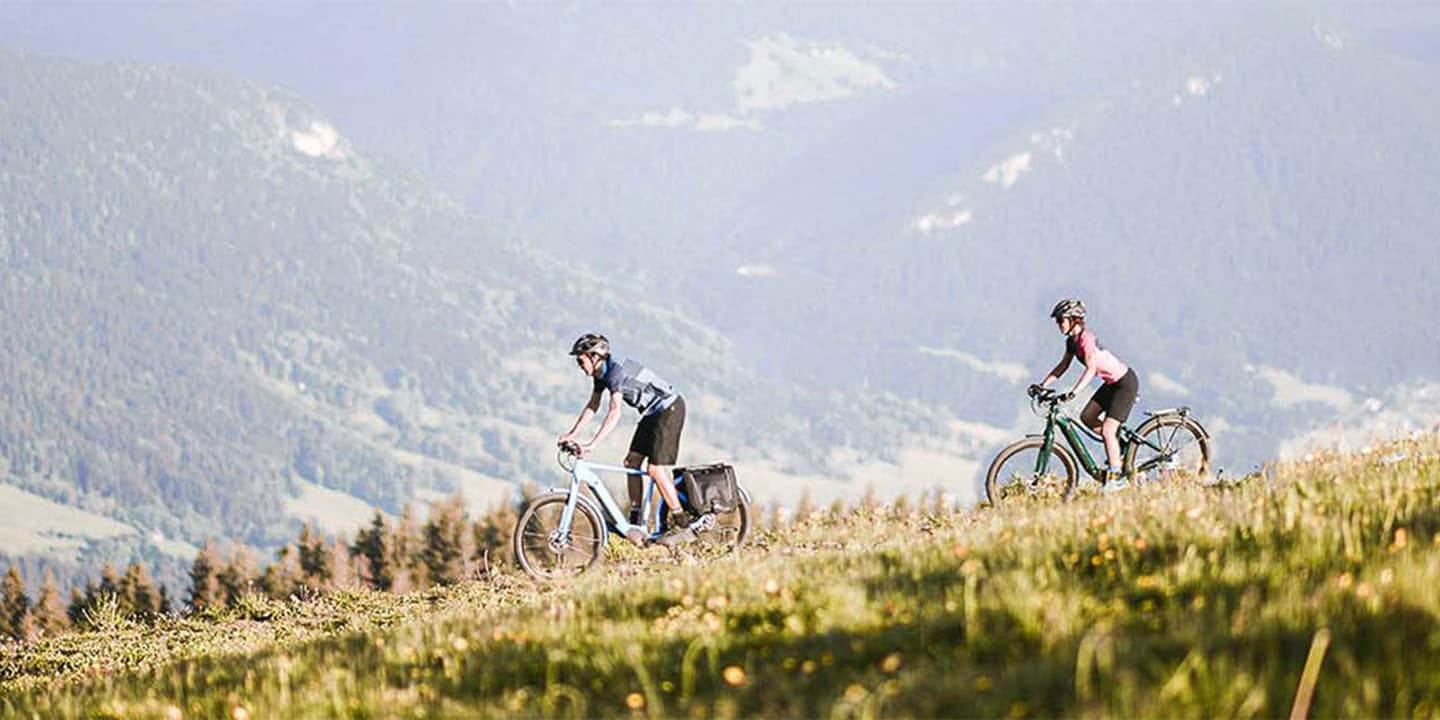
- Escaping the city with the help of an e-bike
- Cities are fun, exciting and vibrant places to live but our minds and our bodies need time in nature, away from the hustle and bustle of city life, to be healthy.
-
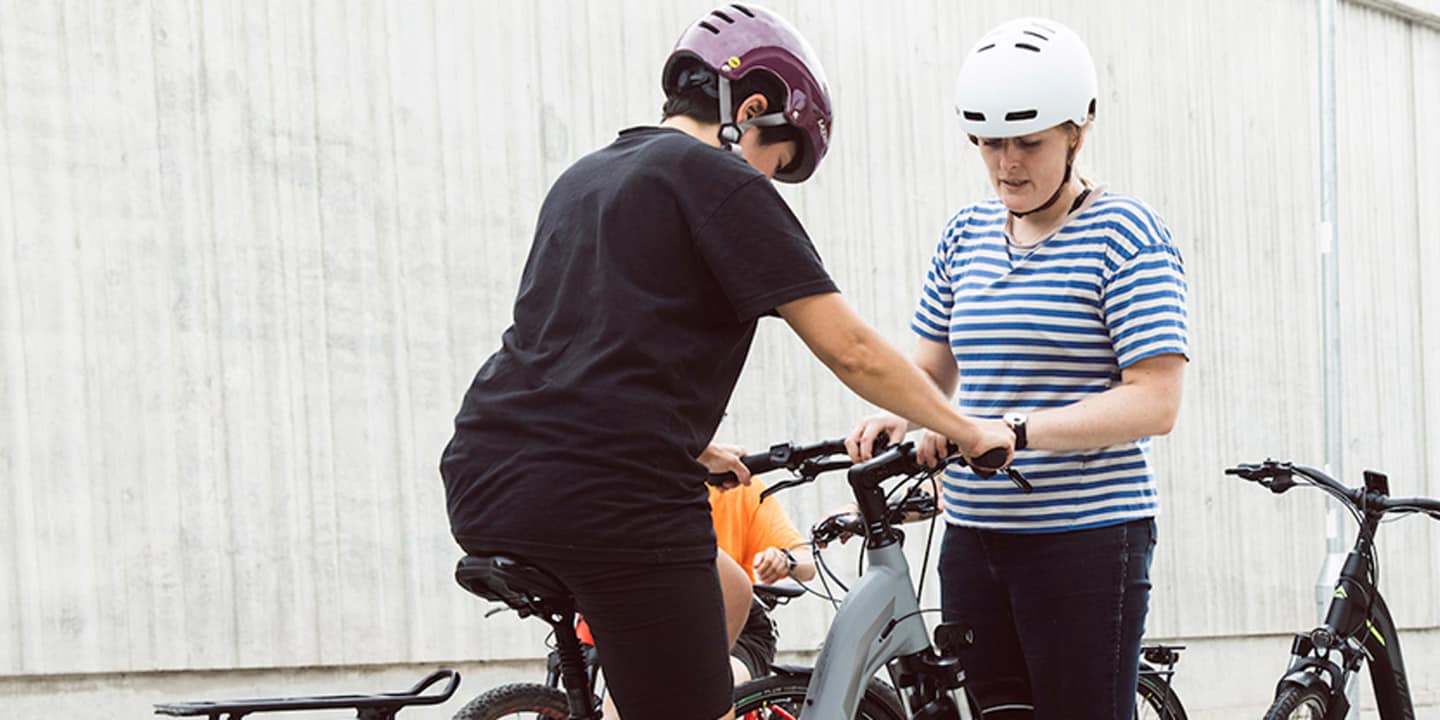
- Getting the perfect e-bike fit
- Cycling should never feel uncomfortable, your bike should feel like a natural extension of your body that is easy to ride and control.
-
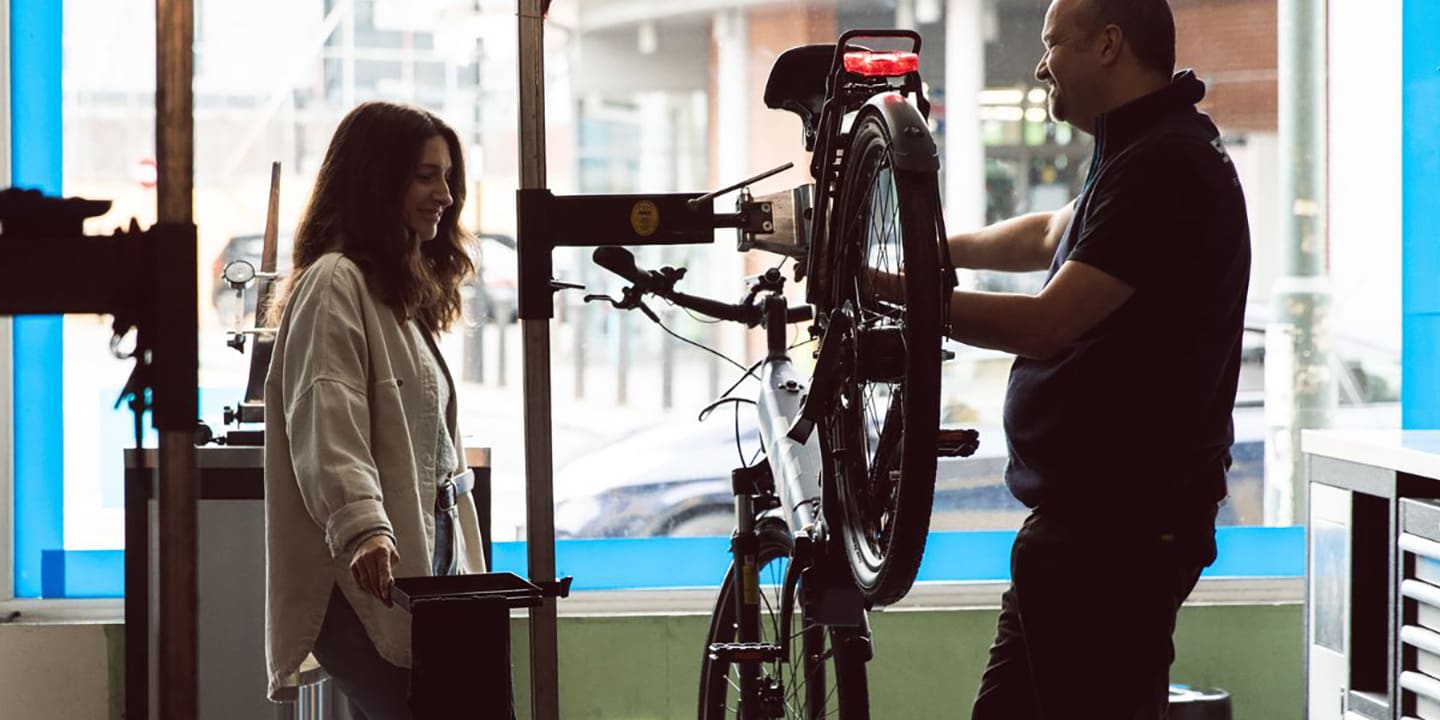
- What to ask your dealer before buying an e-bike
- Buying a new e-bike is an exciting experience.
-

- For better health - ride an e-bike
- Light exercise is universally recommended by medical professionals to improve health and protect against disease.
-

- Future Cities - a vision for change
- Visual designer Jan Kamensky uses CGI video to strip away existing elements of the street and replace them with infrastructure designed for people not vehicles.
-

- Future Cities - Bilbao
- In 2023 we are rolling out our Future Cities vision to new destinations. Our first is Bilbao.
-
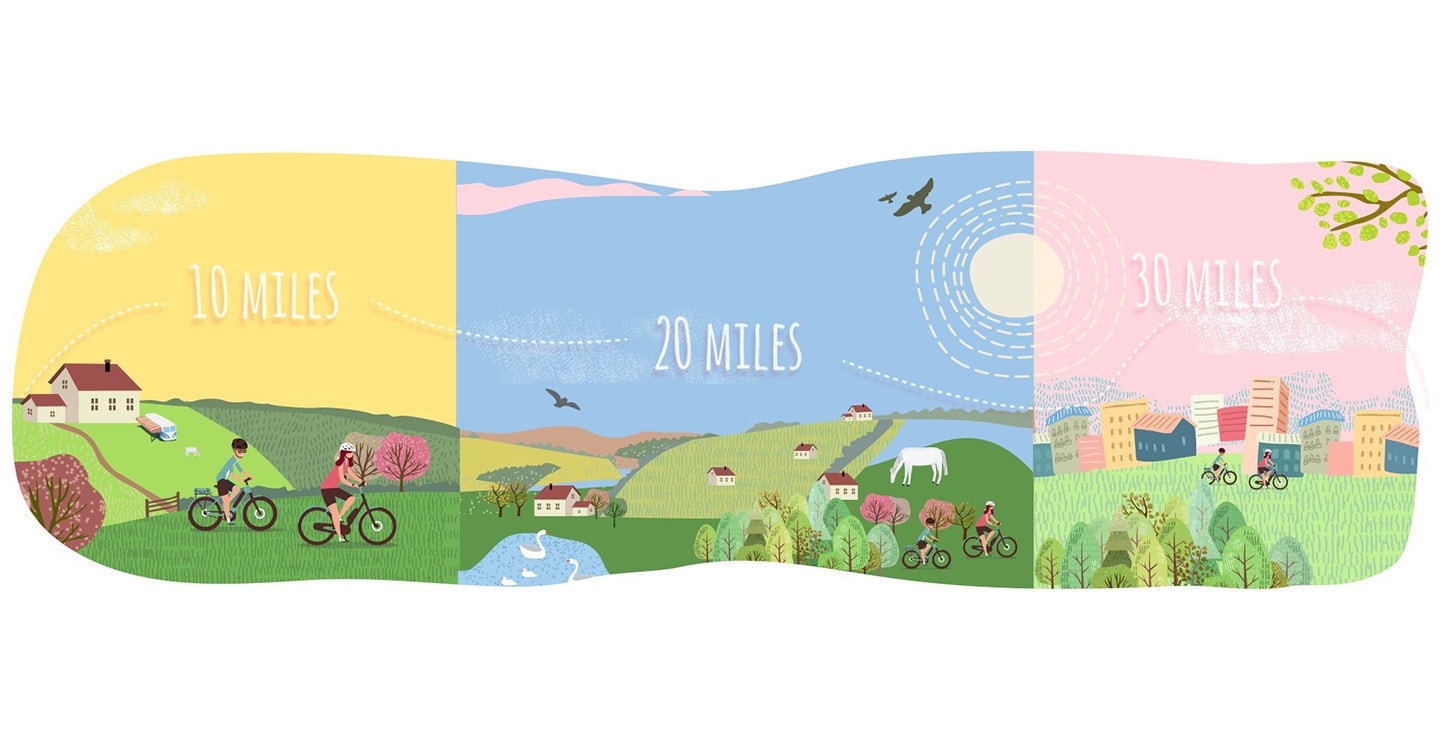
- Enjoy the e-bike advantage
- With an e-bike, you can break through your everyday cycling boundaries, riding further, faster and exploring more.
-
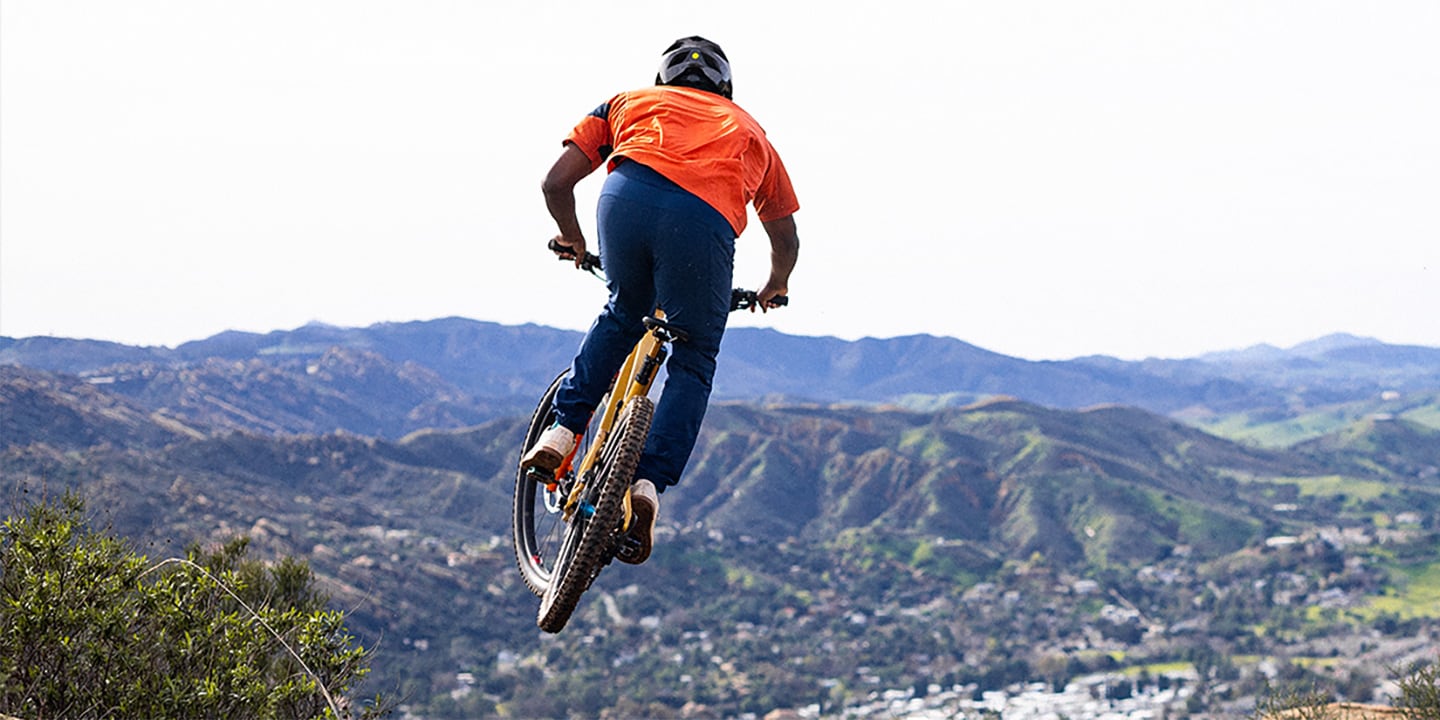
- Heather Young - Mountain Bike Photographer and Shimano E-Bike Rider
- Professional MTB photographer Heather Young gives us an inside look at a day of shooting with Elliot Jackson on the trails outside Simi Valley, California.
-
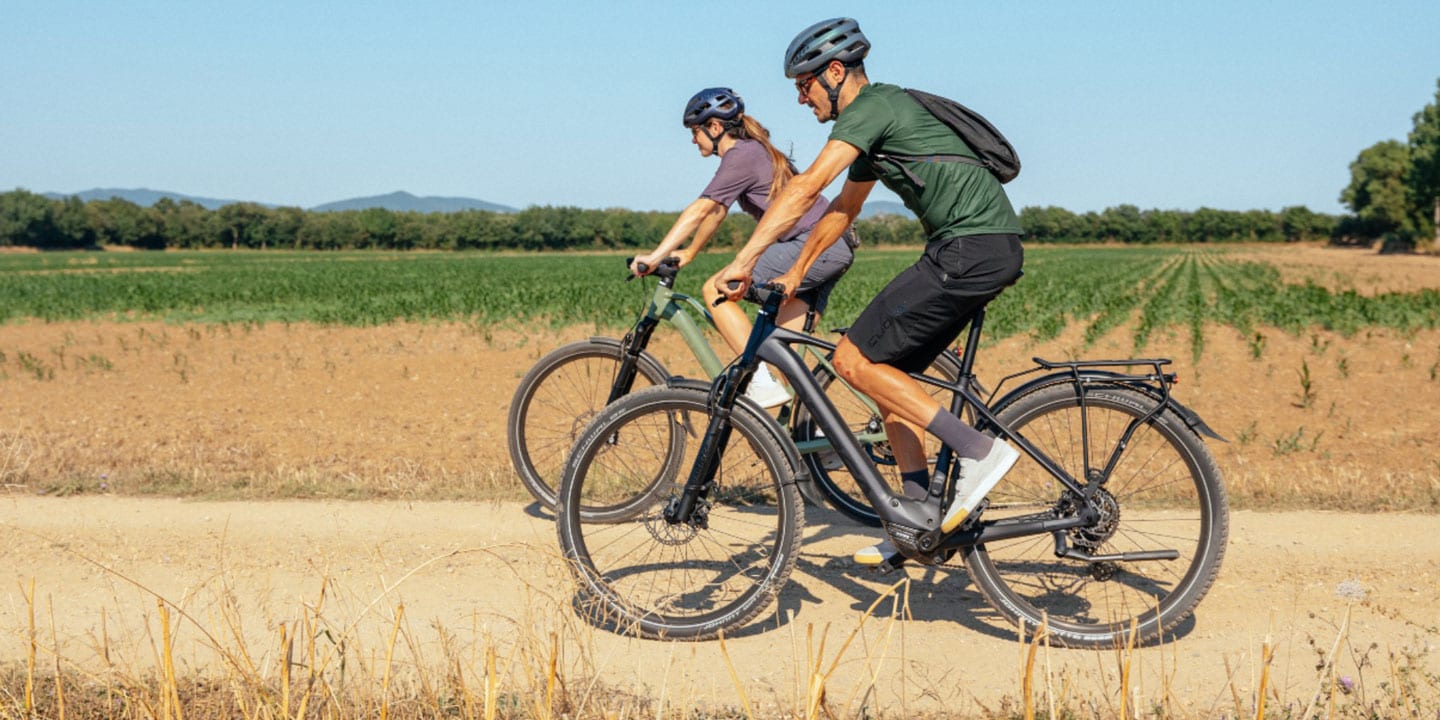
- How Far Can You Go on an E-Bike?
- From Barcelona to Girona.
-

- E-Bike Myths – Busted!
- Here we bust a few e-bike myths and share with you why we think e-bikes are not just here to stay but are going to revolutionise cycling.
-

- Future Cities - Glasgow
- Our latest Future Cities transformation is focused on Glasgow.
-
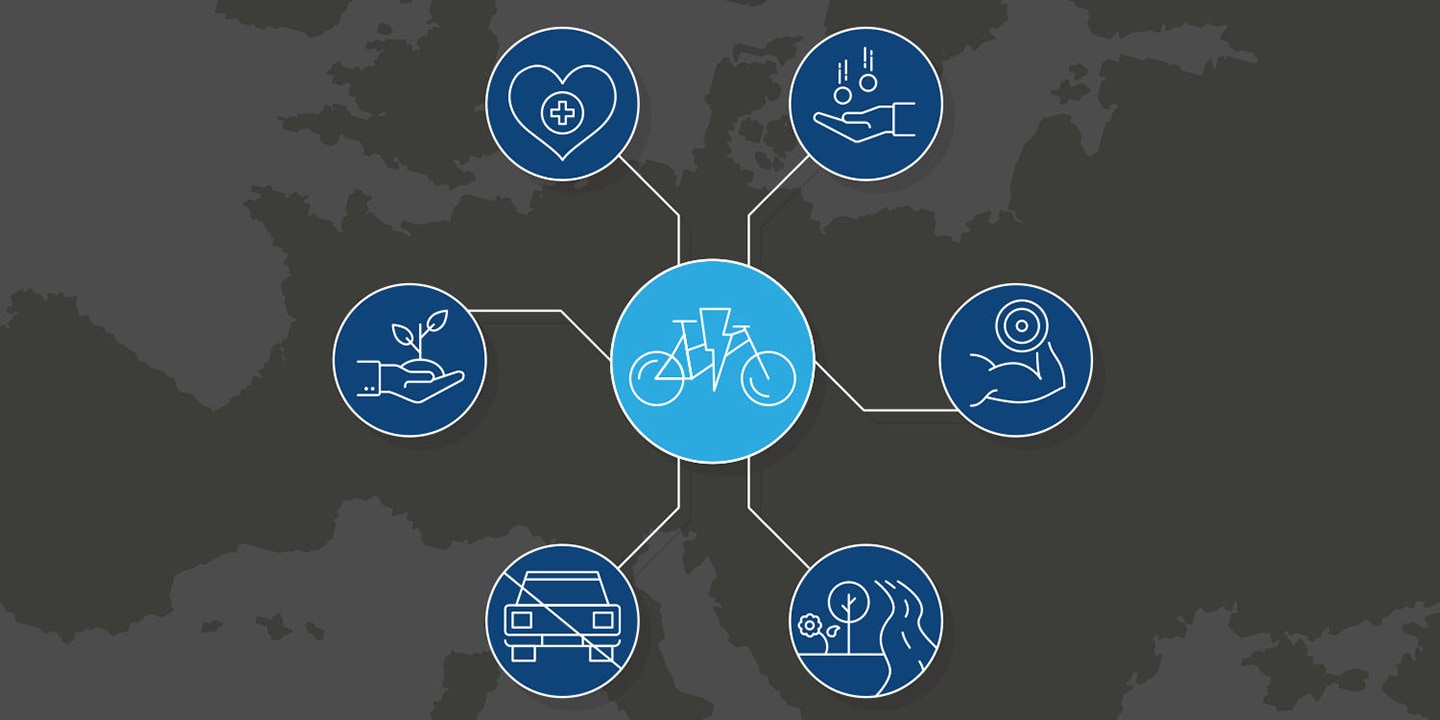
- What Europeans really think about e-bike use
- Our fourth in-depth State of the Nation European survey into attitudes toward e-bike use reveals some interesting trends around people’s reasons to ride.
-
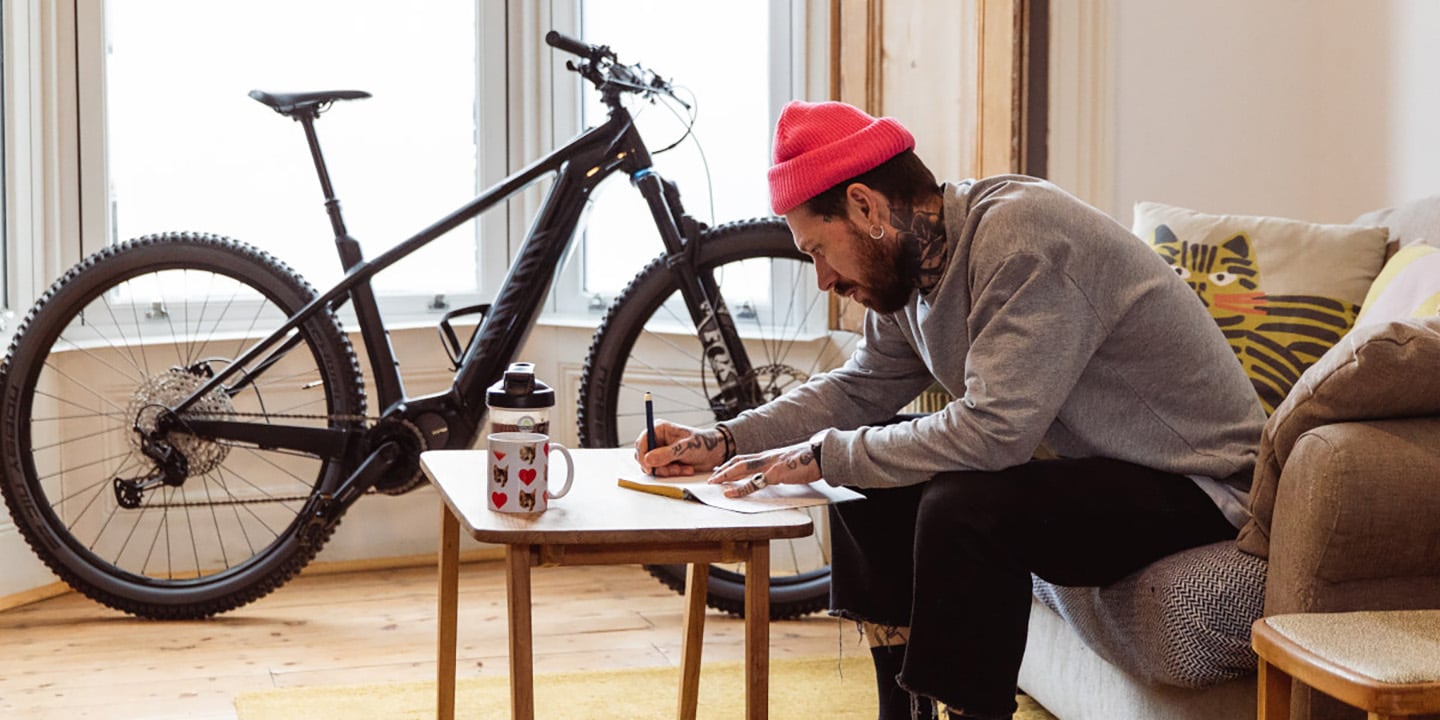
- People Like Me: Cycling and mental health
- Spending time on your bike can provide valuable head space to help you process the emotions of your day, both big and small.
-
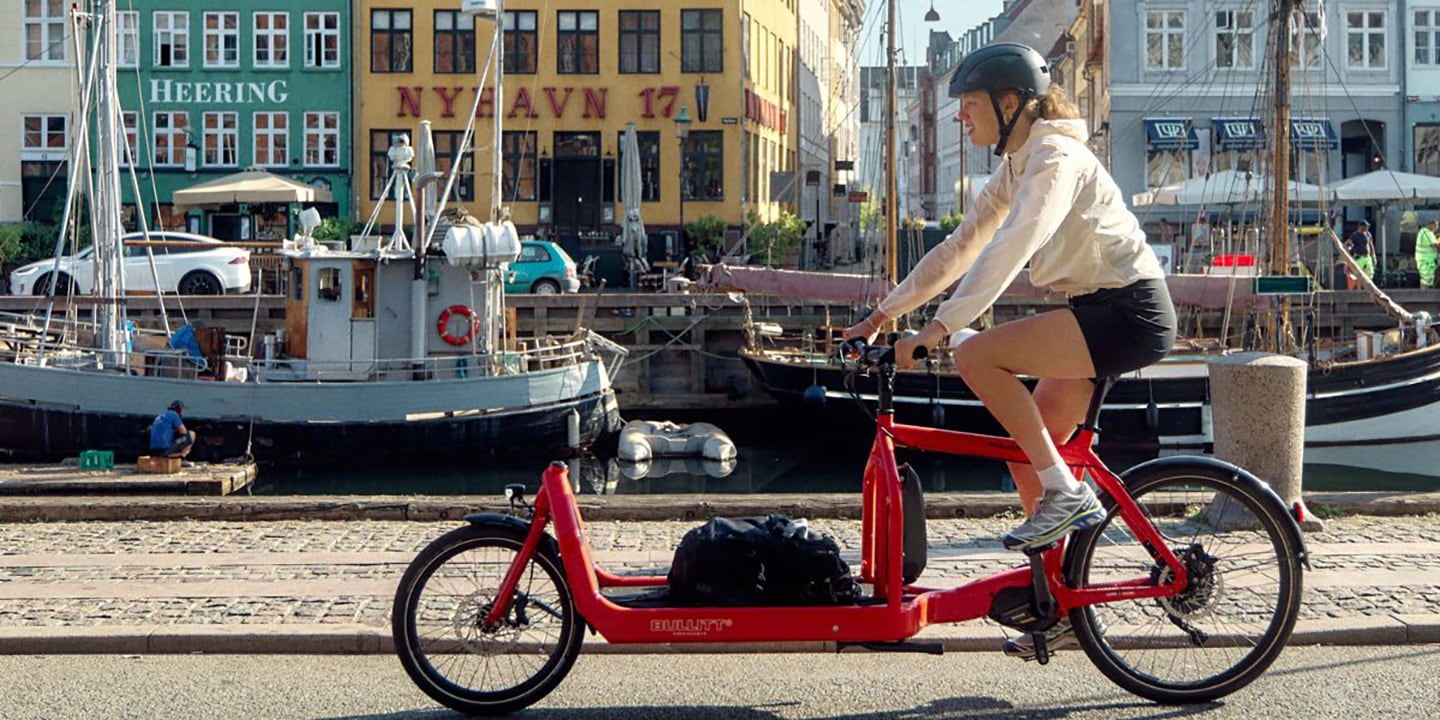
- Copenhagen - Cycling in the City
- Copenhagen balances Scandinavian cool with European chic, and it’s the perfect city for cyclists.
-
- Ten Reasons to Ride Shimano EP8
- In 2016, we unveiled SHIMANO E-BIKE SYSTEMS E8000. As the first e-MTB dedicated e-bike system, it was celebrated globally by riders and was considered a true game changer.
-
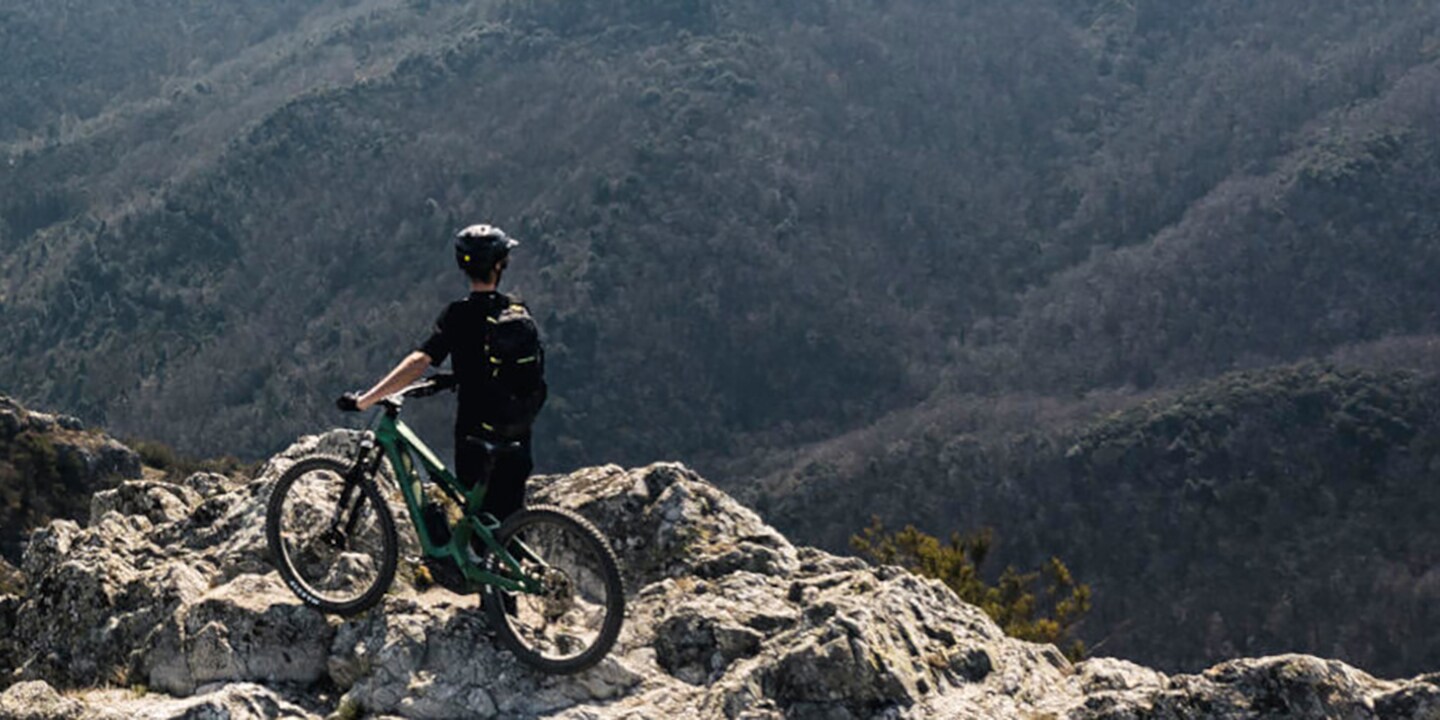
- Introducing the all-new Spectral:ON with Shimano EP8
- Meet the new lighter, stiffer, stronger, more playful e-MTB.
-
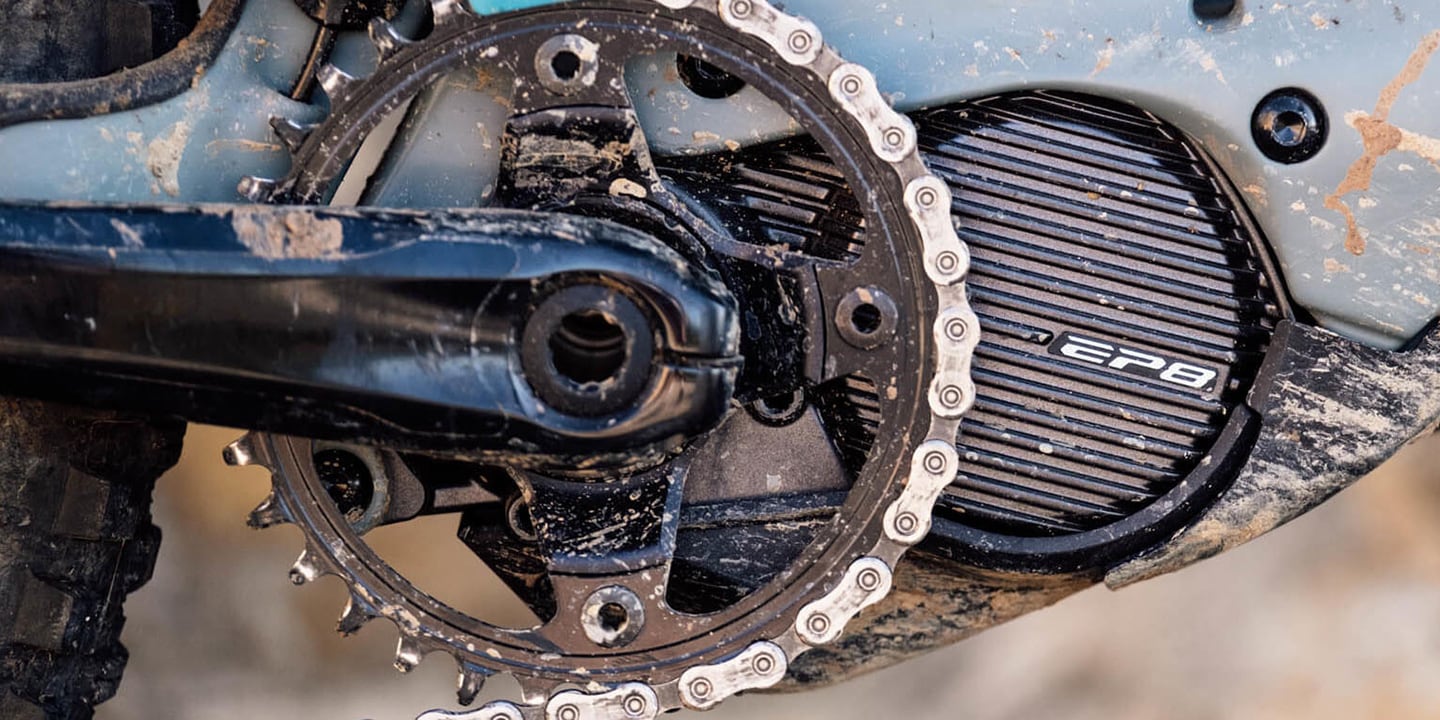
- SHIMANO EP8 leads the way in E-MOUNTAINBIKE MAGAZINE test awards
- The team at E-MOUNTAINBIKE MAGAZINE know a thing or two about e-bikes.
-
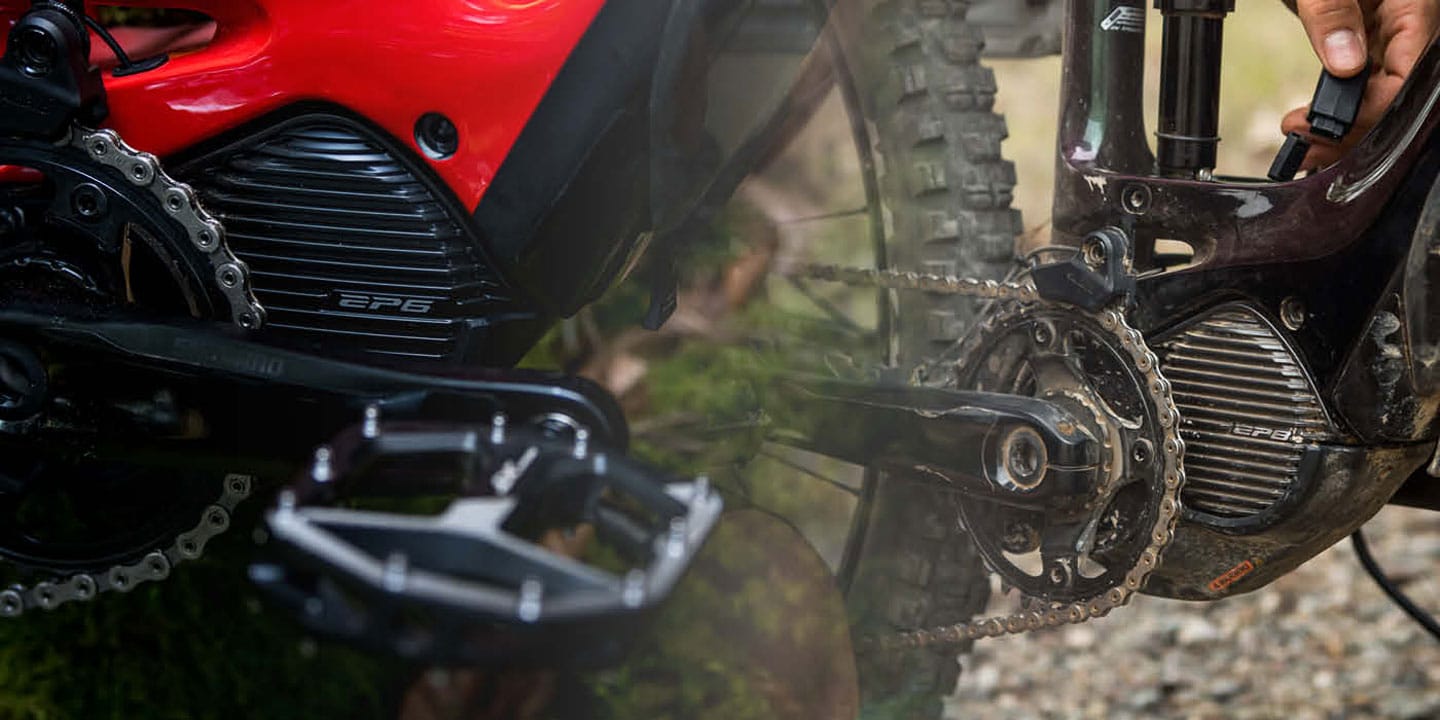
- Similarities and Differences Between EP801 and EP6
- In 2022, we launched the EP801, the successor to our popular EP800 e-bike system. The new drive unit provides more support, offers more connectivity options, is compatible with our new battery management system and enables the revolutionary AUTO SHIFTand FREE SHIFT technologies.
-

- E-bikes benefit your mental health and well-being
- At Shimano we often talk about the ‘e-bike smile’ – the big grin on people’s faces when they try an e-bike for the first time, but the happiness riding an e-bike brings can have real and lasting benefits to well-being.
-

- Strengthened Tampering Detection Features
- SHIMANO endeavors to ensure that SHIMANO products are used safely by requesting manufacturers of bikes that include a SHIMANO drive unit to comply with national and regional standards that guarantee a certain level of quality.
-
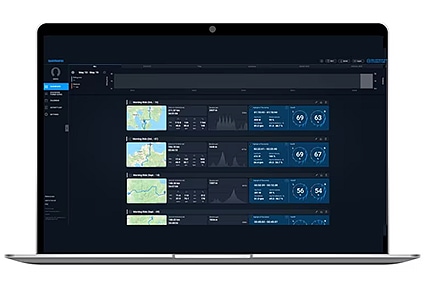
- Update of SHIMANO CONNECT Lab Improvement & new functions
- SHIMANO CONNECT Lab, a riding data collection and analysis service by SHIMANO, is getting a major update with a more user-friendly interface and new features.
-

- Battery
- We have a licensing development program on a contract basis which allows compatible battery manufacturers, wireless device manufactures and even bike brands to utilize Shimano proprietary communication profile to develop products compatible with Shimano products.
-
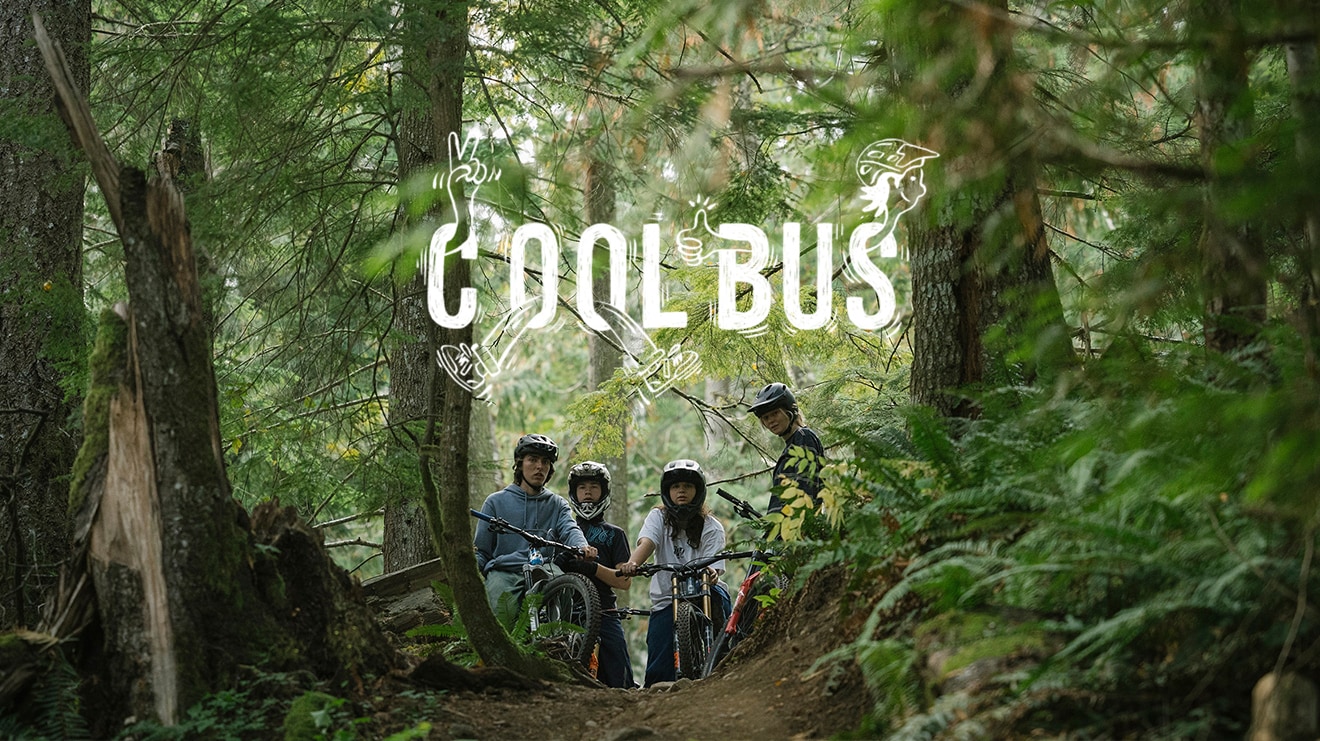
- Cool Bus
- What could be a better mode of transportation for five young B.C. shredders embarking on classic southern B.C. roadtrip than an old skoolie dubbed the Cool Bus? With the legendary freeride TV shows from the 2000s serving as inspiration and Shimano’s new GRIPD gravity shoes on their feet, Jacob Murray, Natasha Miller, Lucy Van Eesteren, Mateo Quist and Ryder Bulfone climb aboard the Cool Bus and set out on a four-day, 1,000-kilometer pilgrimage into the past.
-
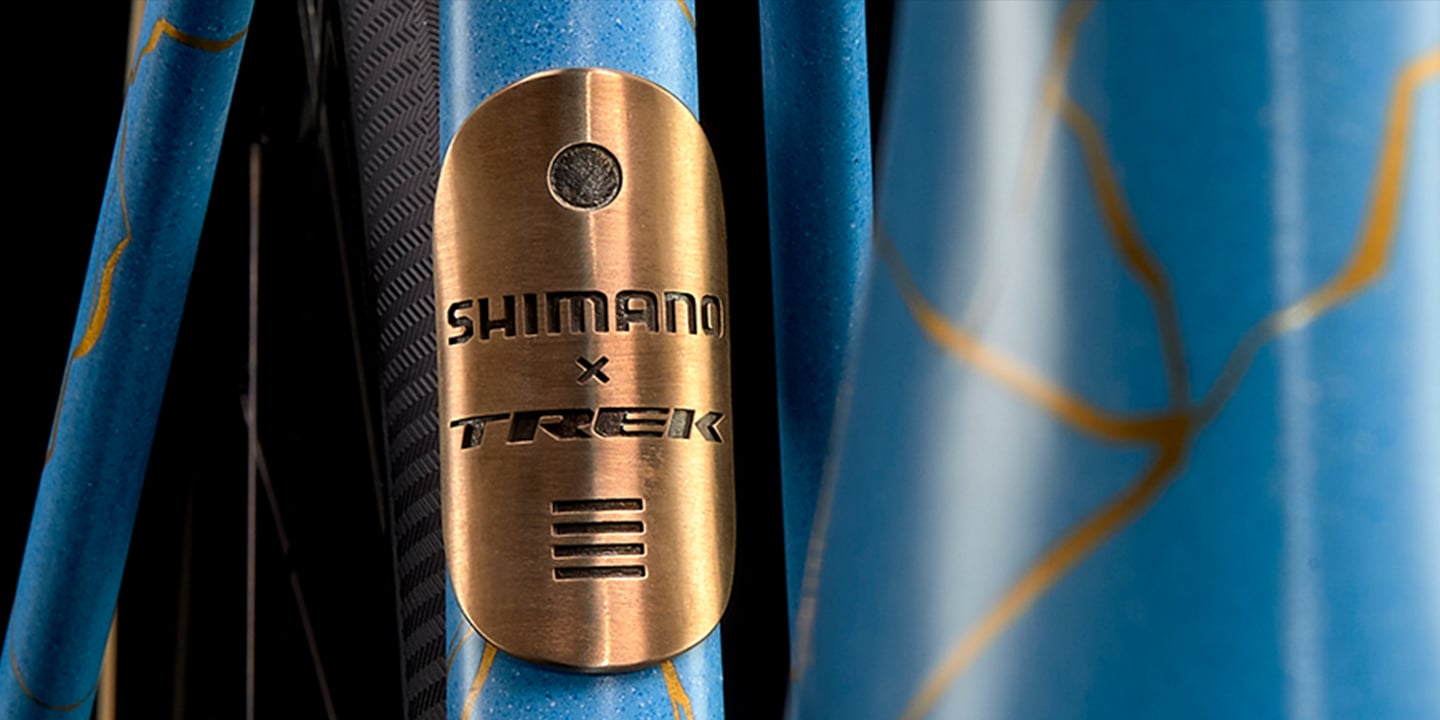
- A Humble Pursuit of Perfection
- Trek Project One Ultimate: SHIMANO’s 100 Years of Excellence
-
- Caring for Your Bike: Ride With Confidence on a Well-Maintained Bicycle
- Your bike, or bikes, should be your pride and joy. With proper maintenance, a bicycle can be more than an efficient means of getting from A to B. More than a tool to improve your fitness or to race your friends and rivals. It can be a source of joy and freedom. A powerful machine that deserves your loving care.
-
- Dan Milner Riding the Void
- Trail-tripping through Scotland’s wilds
-
- Di2 Satellite Switches for Road Cycling
- More Shifting Options for SHIMANO’s DURA-ACE and ULTEGRA Electronic Groups
-
- Shimano DURA-ACE and ULTEGRA Long Axle Pedals
- Enhancing stance width through pedal axle lengths
-
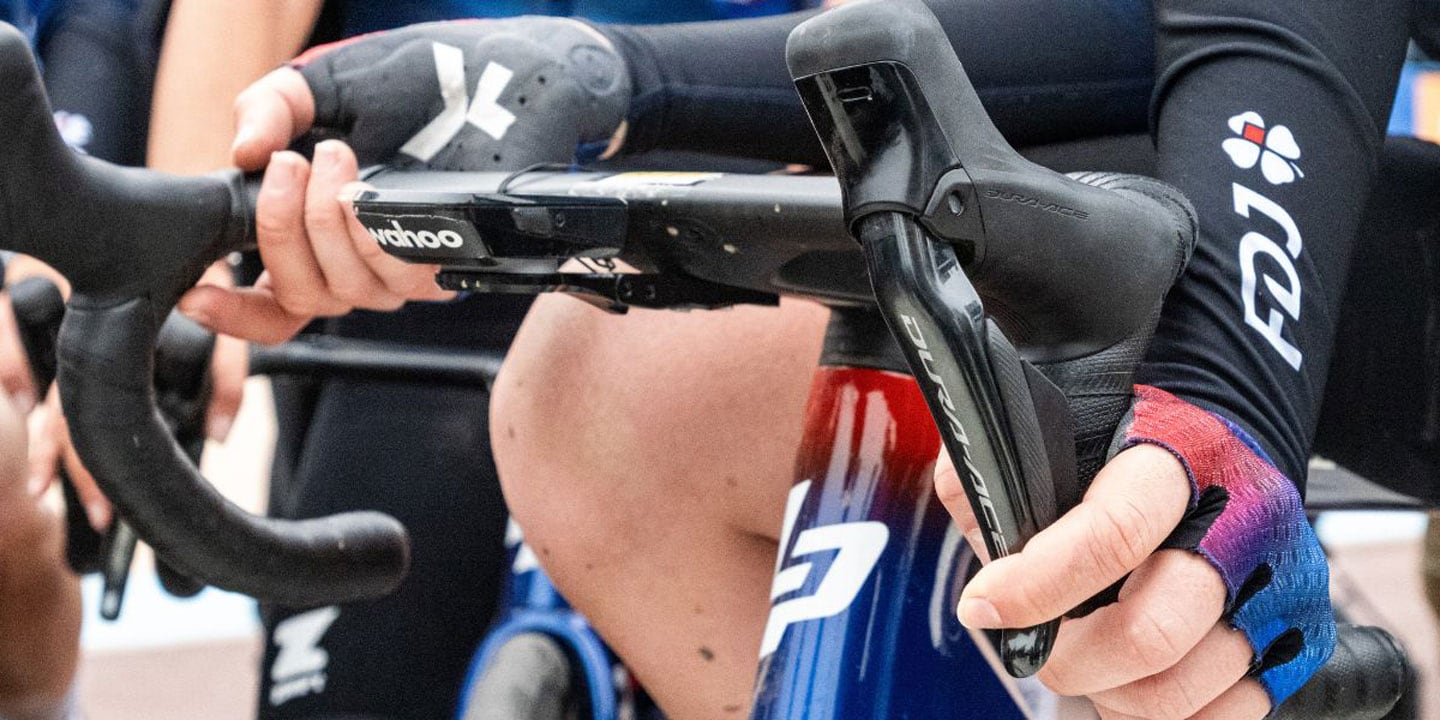
- FDJ-Suez Builds to the Tour de France Femmes
- We joined Women's World Tour team FDJ-Suez as they prepared for one of the year's biggest events: The Tour de France Femmes avec Zwift! From peaceful mornings with coffee and breakfast to full-throttle training sessions.
-

- Groves in Green at La Vuelta
- Kaden Groves from team Alpecin-Deceuninck won the green points jersey at La Vuelta, marking his second consecutive victory in this category.
-
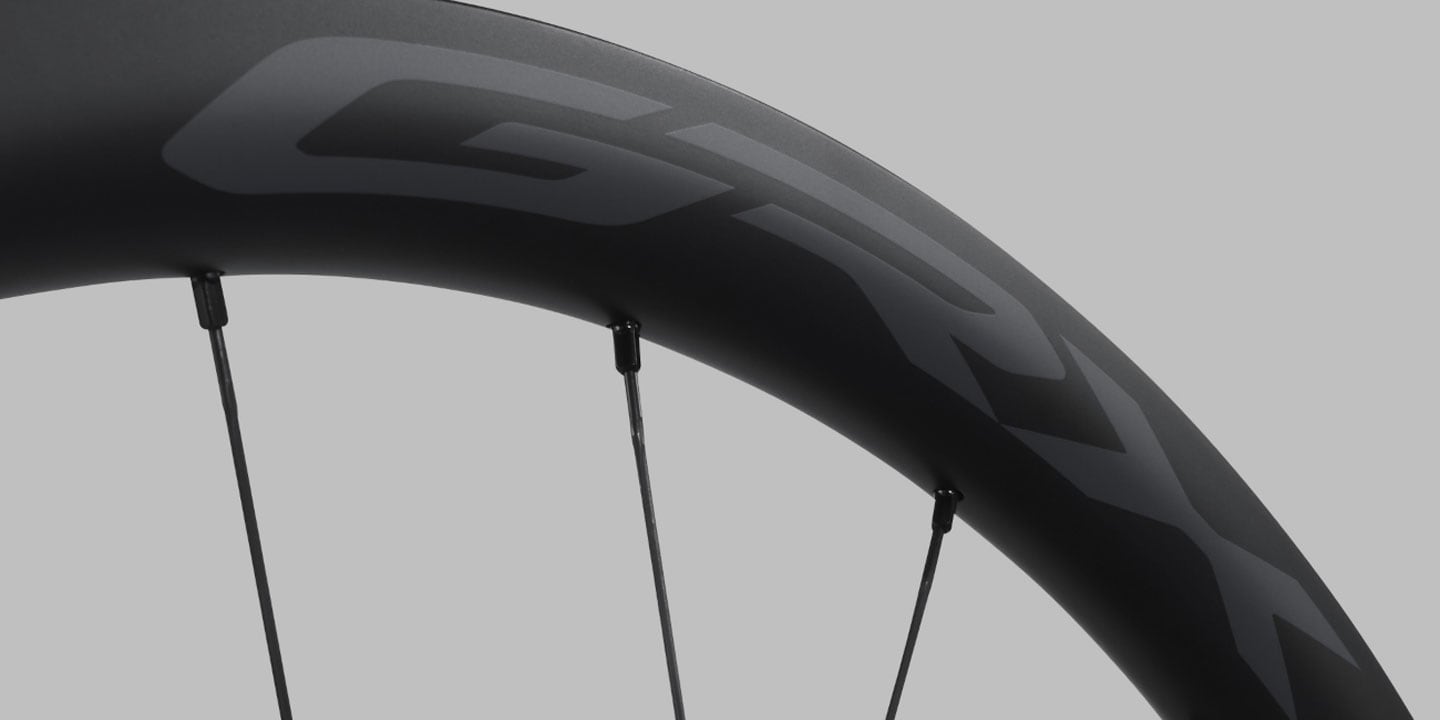
- SHIMANO GRX Carbon Gravel Wheels
- Ride or race, gravel cycling is about the adventure ahead. The comradery with friends or the friendly competition with others. Gravel is about getting up early to explore unknown roads or to push ourselves to new levels, and beyond. Gravel is a little different for everyone, but the goal is similar – enjoy the ride, whatever that means to you.
-

- How to choose the right e-bike for you
- Buying the right e-bike for your cycling needs is the first step to being a happy e-bike rider. Looking for an urban e-bike for city use? Bewildered by the options? Let us guide you through your choices.
-
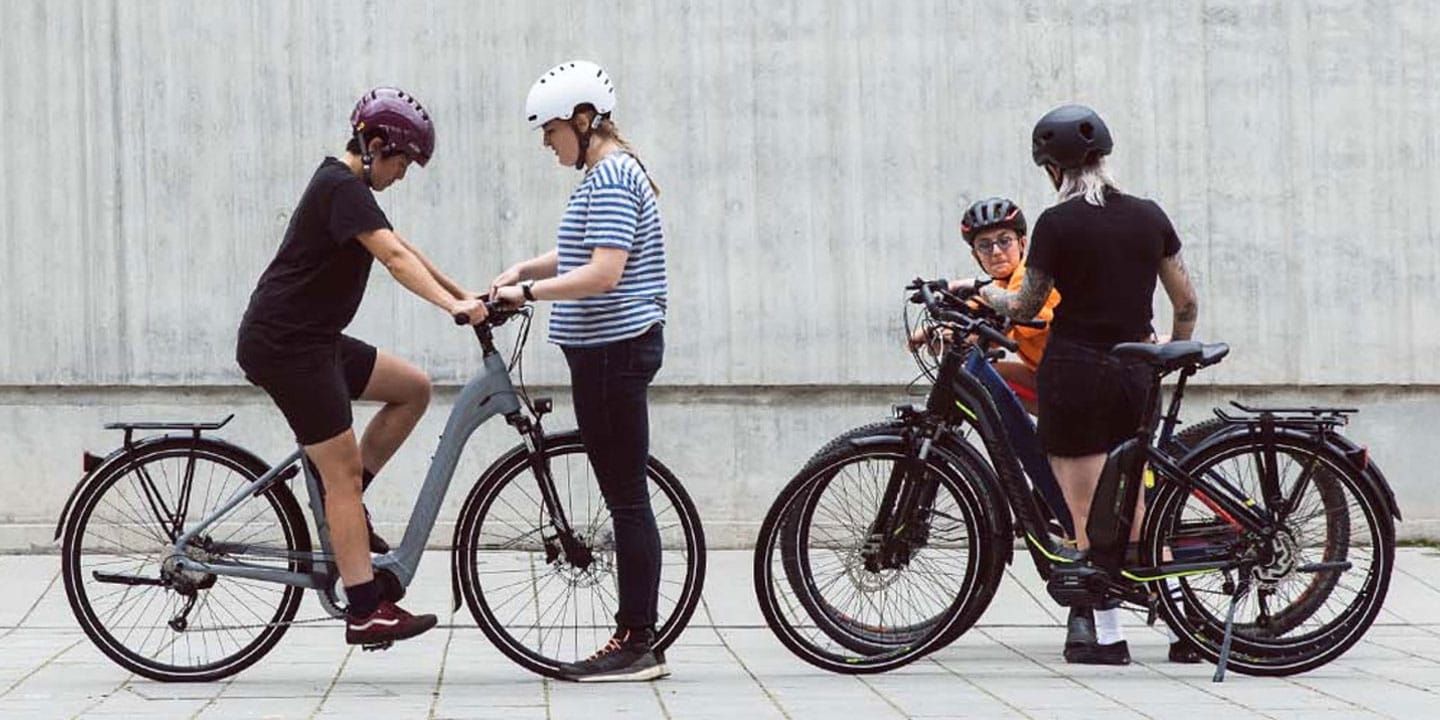
- How to Set Your Bike Up to Feel Comfortable
- Your perfect bike should fit you like a glove, with a few tweaks to your riding position everyone can enjoy comfortable, care-free cycling. We take a look at your bike’s contact points and the adjustments that can be made to customise your bike to your body.
-
- How to Upgrade Your Cycling Experience
- Make your daily cycling more enjoyable. From new clothes to brighter bike lights, a waterproof jacket or puncture-proof tyres there are plenty of ways to upgrade and improve your cycling this winter.
-
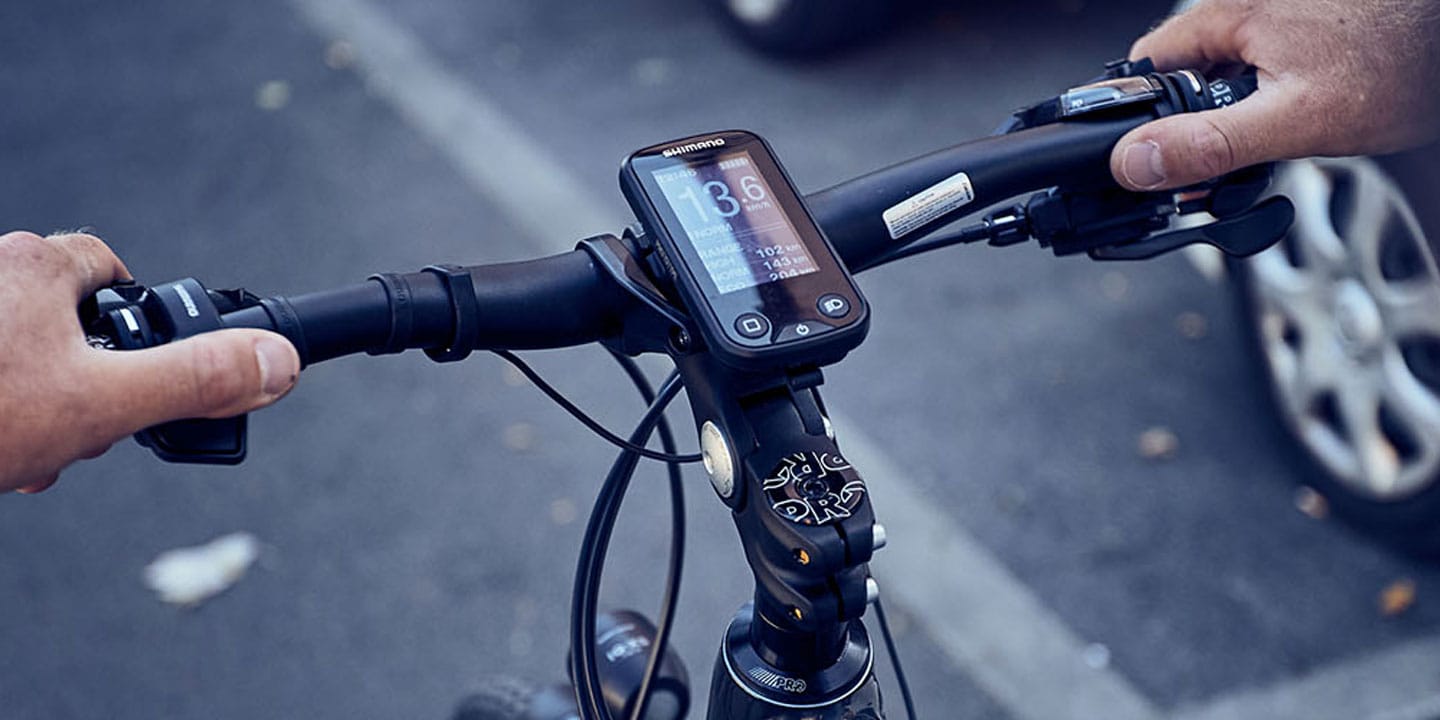
- How to Use Your E-Bike Modes to Improve Your Fitness
- How can you balance getting help from your e-bike with putting in enough effort to feel like you have benefitted your health?
-
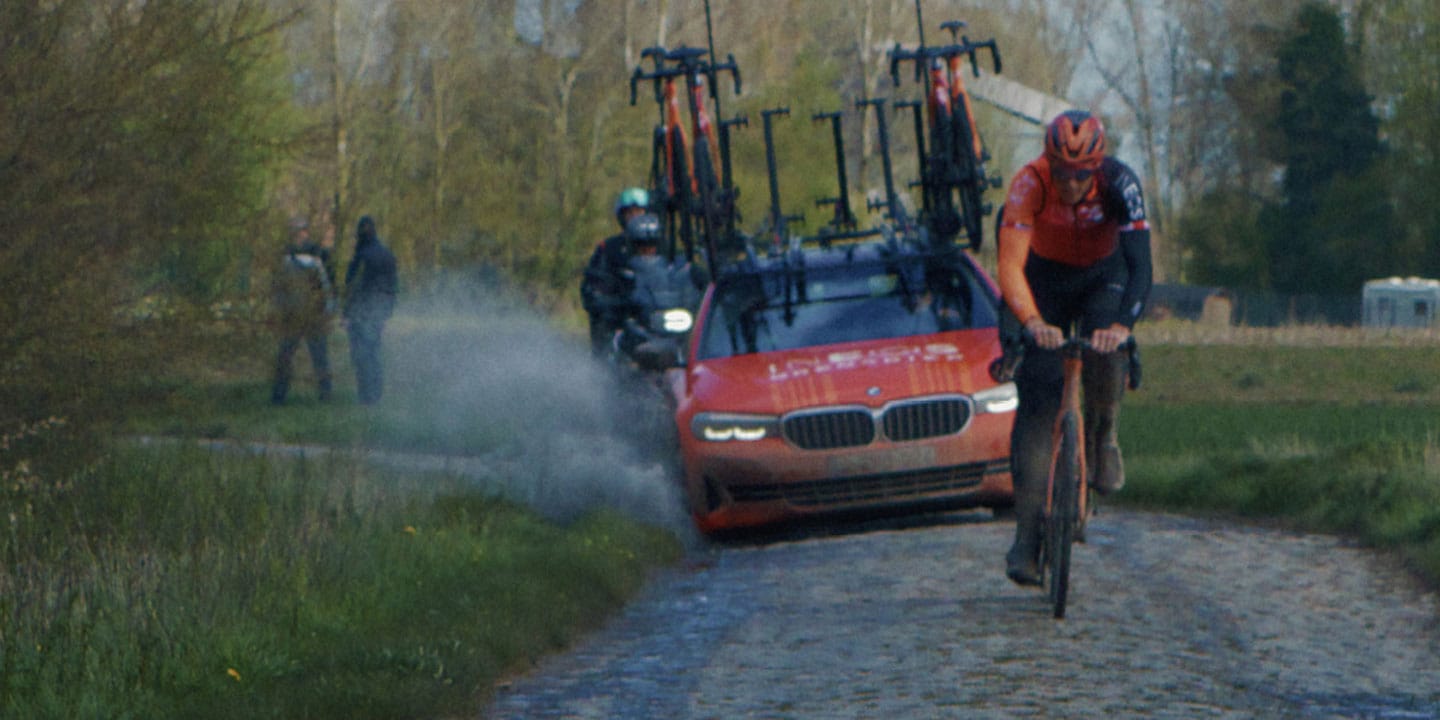
- INEOS Grenadiers at Paris-Roubaix
- A classic of cobbles ‘n carnage
-
- New Intelligent Shifting Technologies to Elevate Your Ride
- Explore New Grounds with SHIMANO’s new intelligent shifting technologies.
-
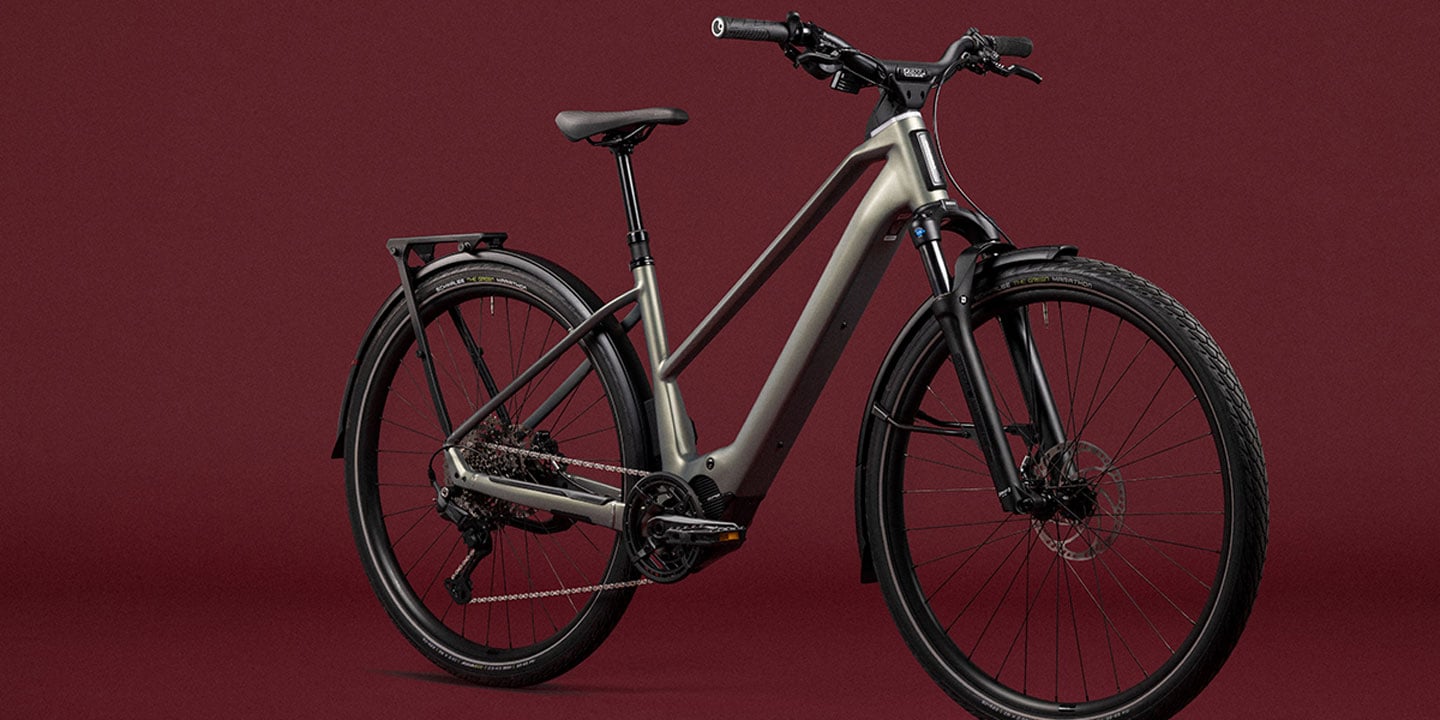
- Escape the Everyday With the Orbea Kemen
- Orbea’s new iterations of the Kemen breathe adventure into everyday life.
-
- Wyn Master's EWS-E Endeavor
- Enduro racing and Finale Ligure go together like Wyn Masters and wheelies!
-
- Orbea Launches New RISE H and URRUN
- Watch the beautifully designed and EP8-equipped RISE H take shape.
-
- Shimano Di2 Deep Dive
- 105 Di2 - Why this is the groupset everyone should want.
-
- Shimano FRONT SHIFT NEXT
- One Button, Two Functions for Simplified Front Shifting.
-
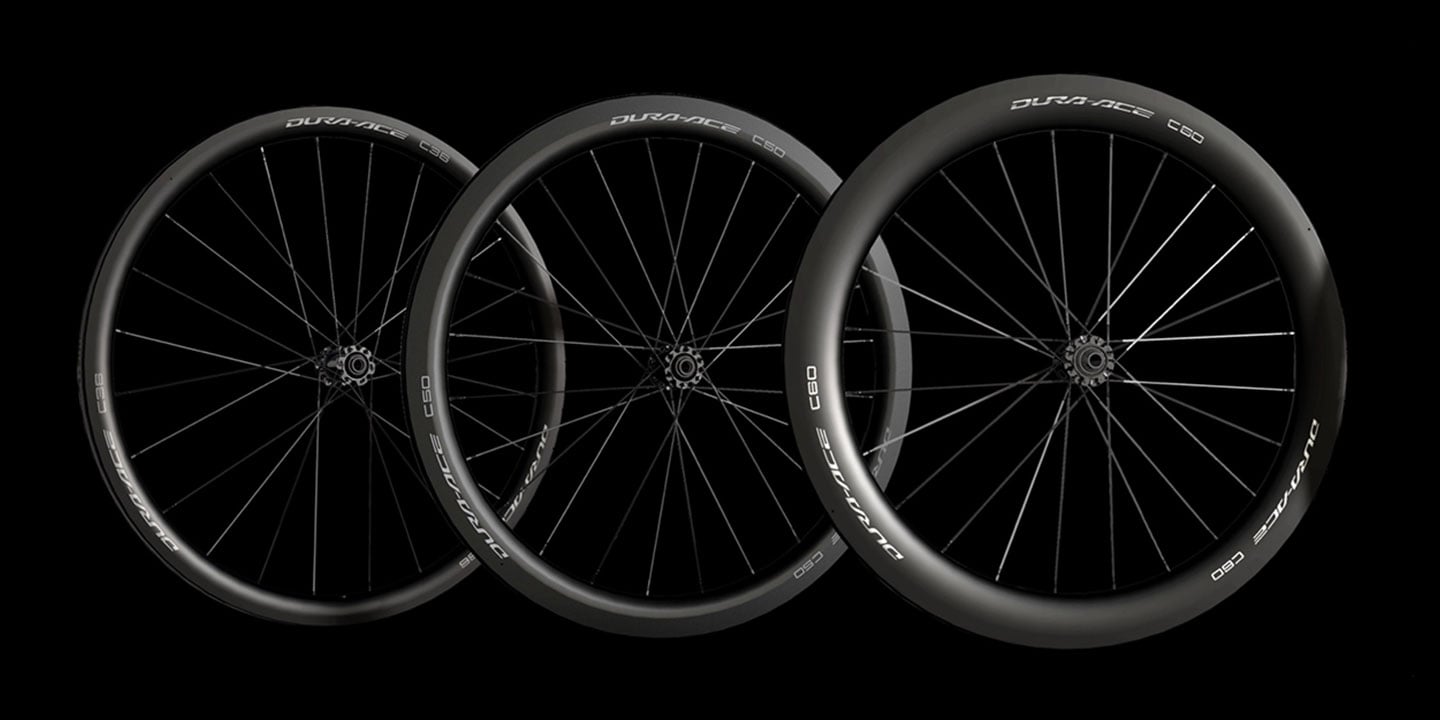
- SHIMANO Performance Carbon Road Wheels
- From the fastest sprints and hardest climbs of the World Tour to the everyday riding experience close to home, SHIMANO's lineup of road wheels delivers high-end performance to take you farther, faster, or higher on any ride.
-
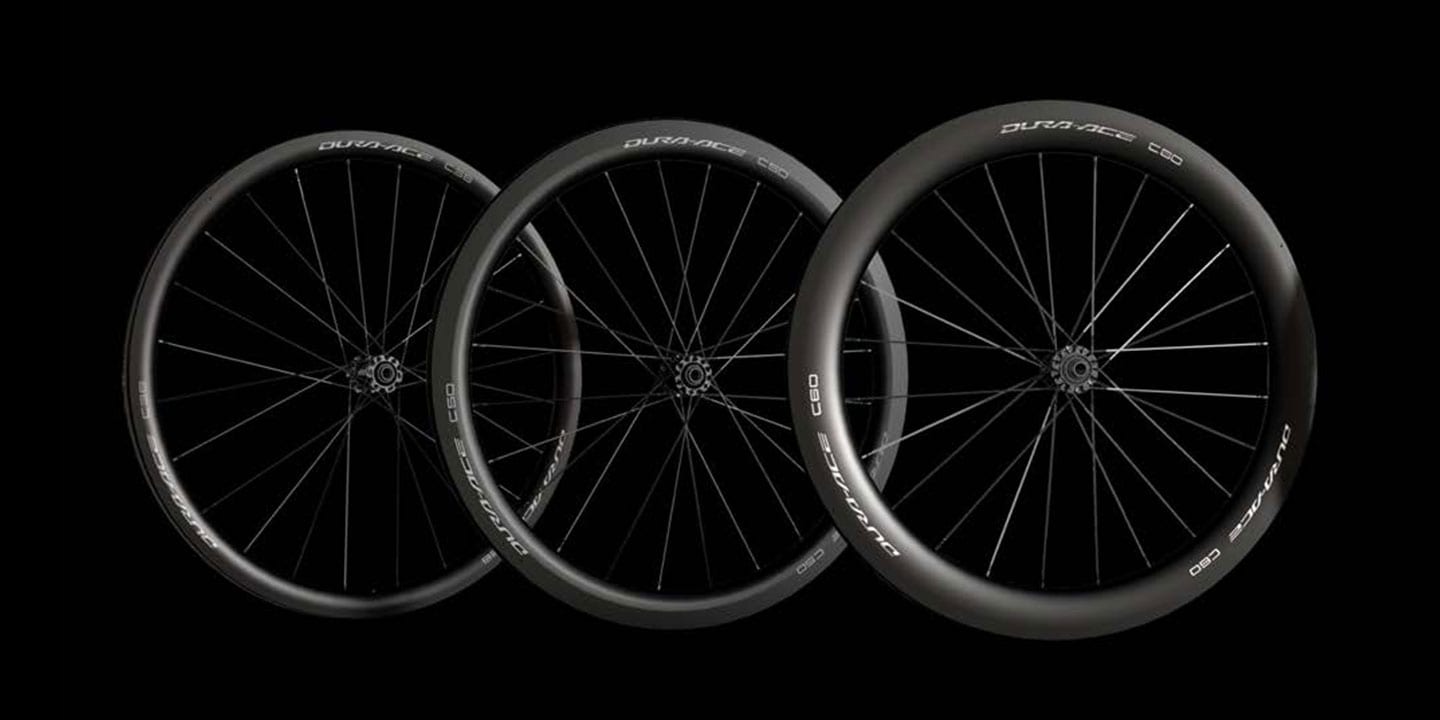
- Shimano Road Wheels Explained
- Shimano wheels benefit from over 100 years of engineering expertise and experience, and the latest crop of 12-speed wheels sprung from an extensive history of racing and riding excellence.
-

- Shimano Trail Born
- Over the next 10 years, Shimano will donate $10 million to “boots on the ground” trail projects and trail advocacy organizations. Then we’ll work closely with these partners to ensure truly meaningful and sustainable gains both on a local and global scale. No greenwashing here. Just good old fashioned hard work with dedicated and passionate people.
-
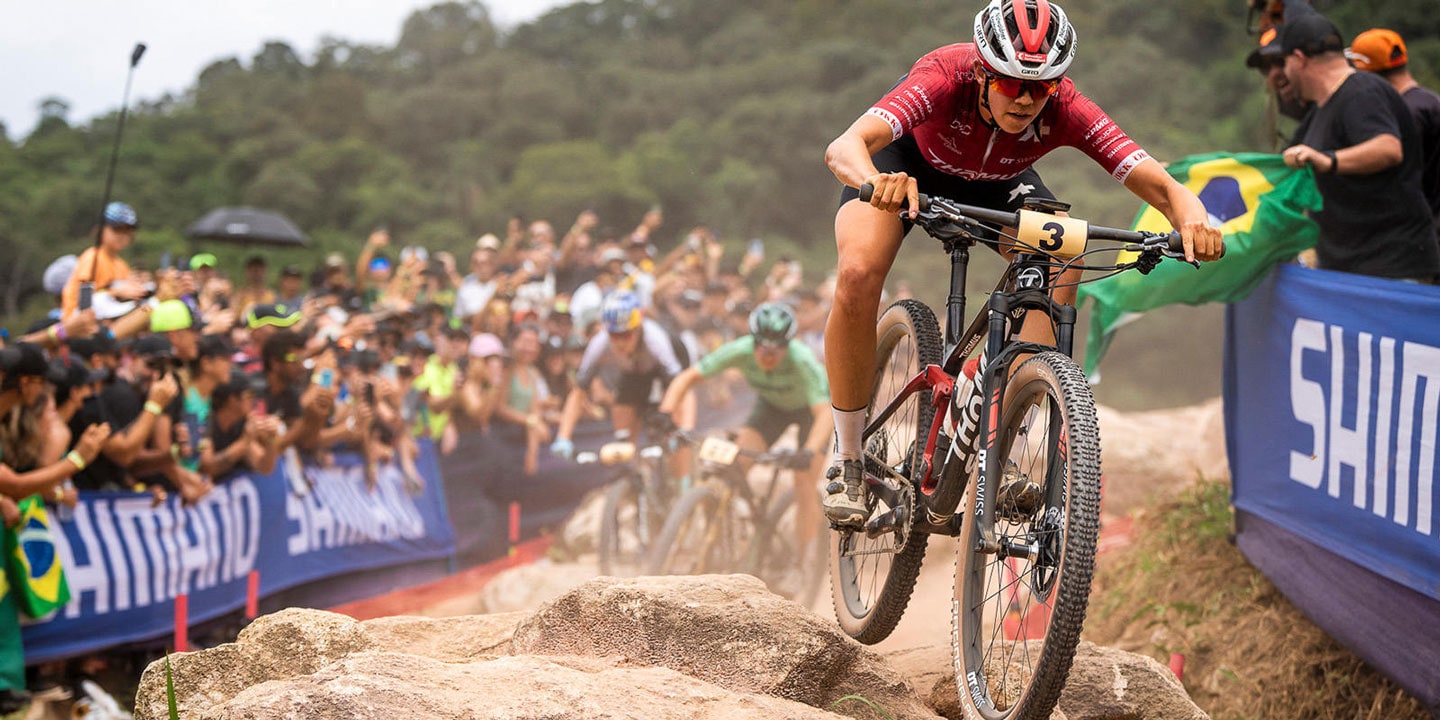
- The Easy-to-Understand Guide to Brakes
- Brakes are absolutely essential parts of our mountain bikes, but they’re often absolutely bewildering. How can something with such a simple function of stopping our bikes be so complex?
-
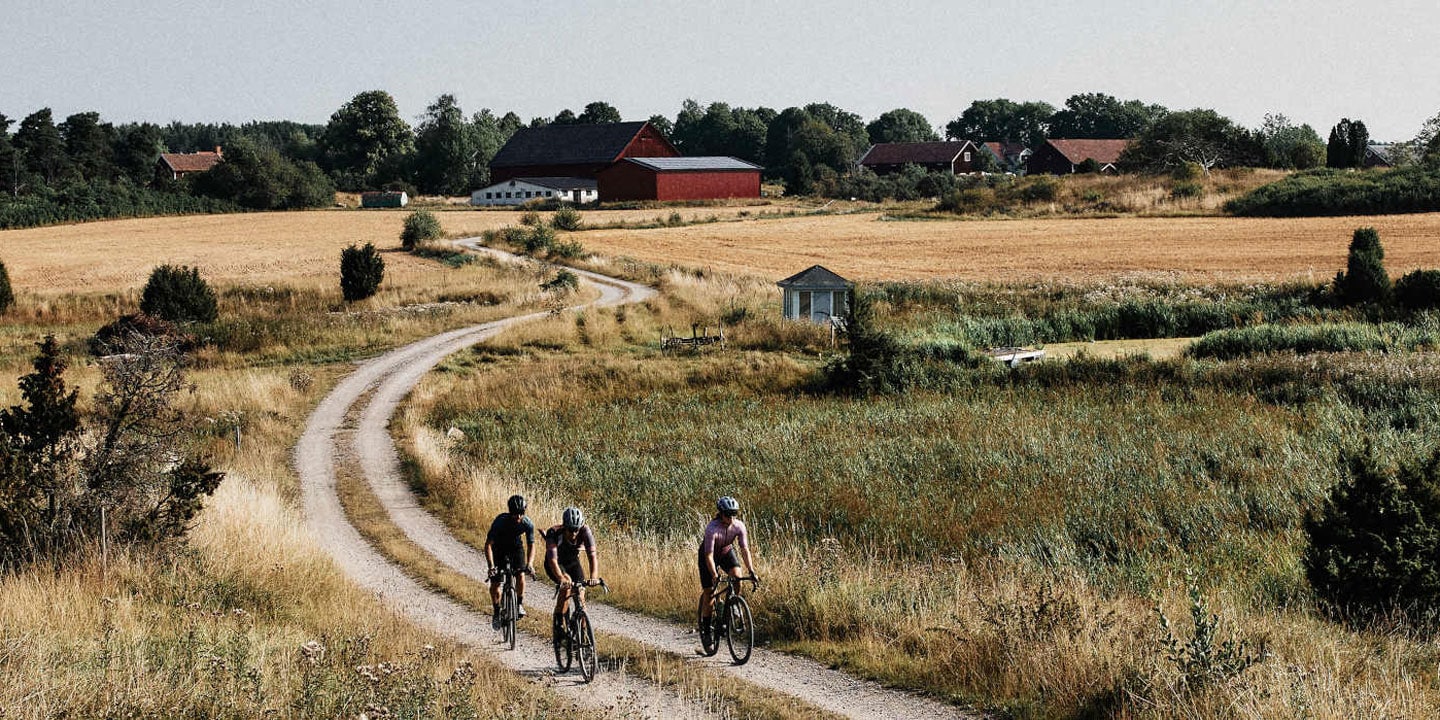
- We Start Where the Road Ends
- Into the woods or the mountains or along the paths, loving the scenery and the sound our tyres make on gravel.
-
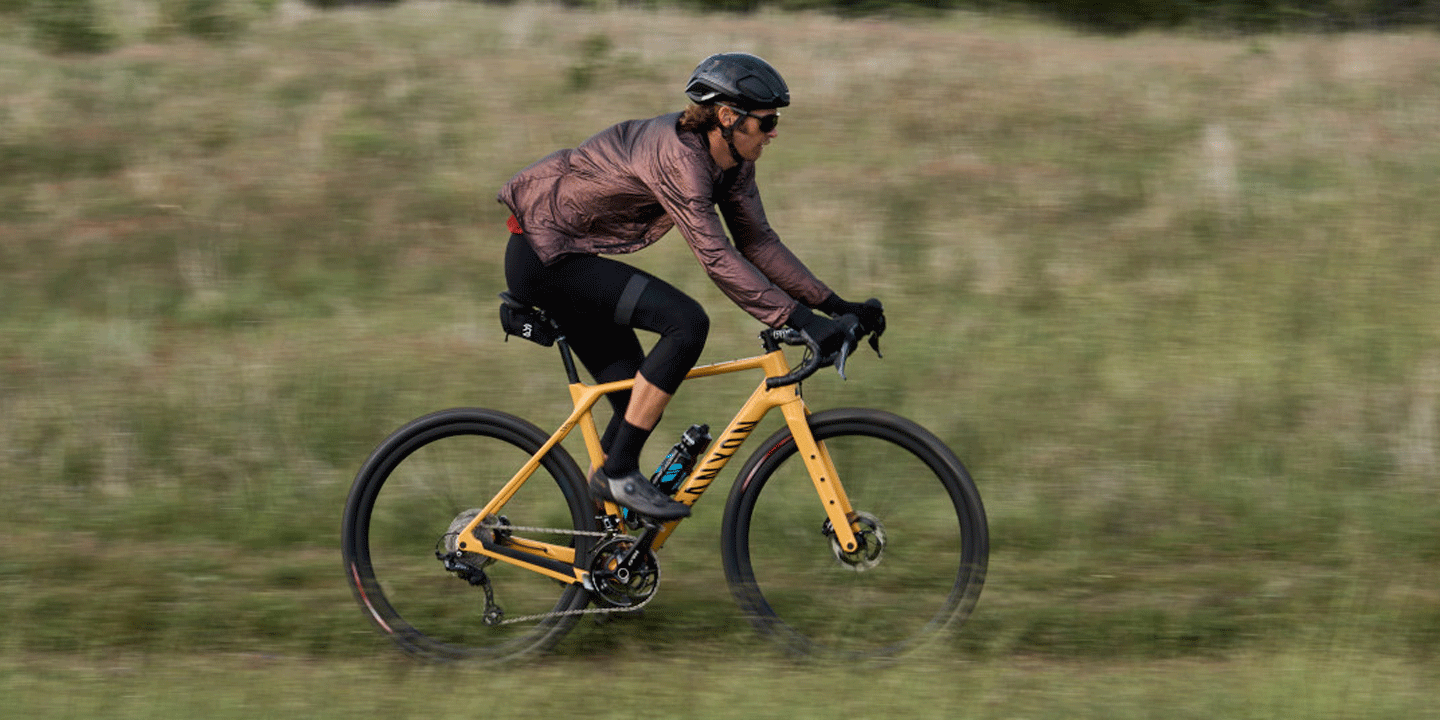
- Shimano GRX Personalities
- What does it mean to be a gravel cyclist? There is no one definitive answer—and that’s the beauty of cycling’s drop bar, dirt road discipline.
-
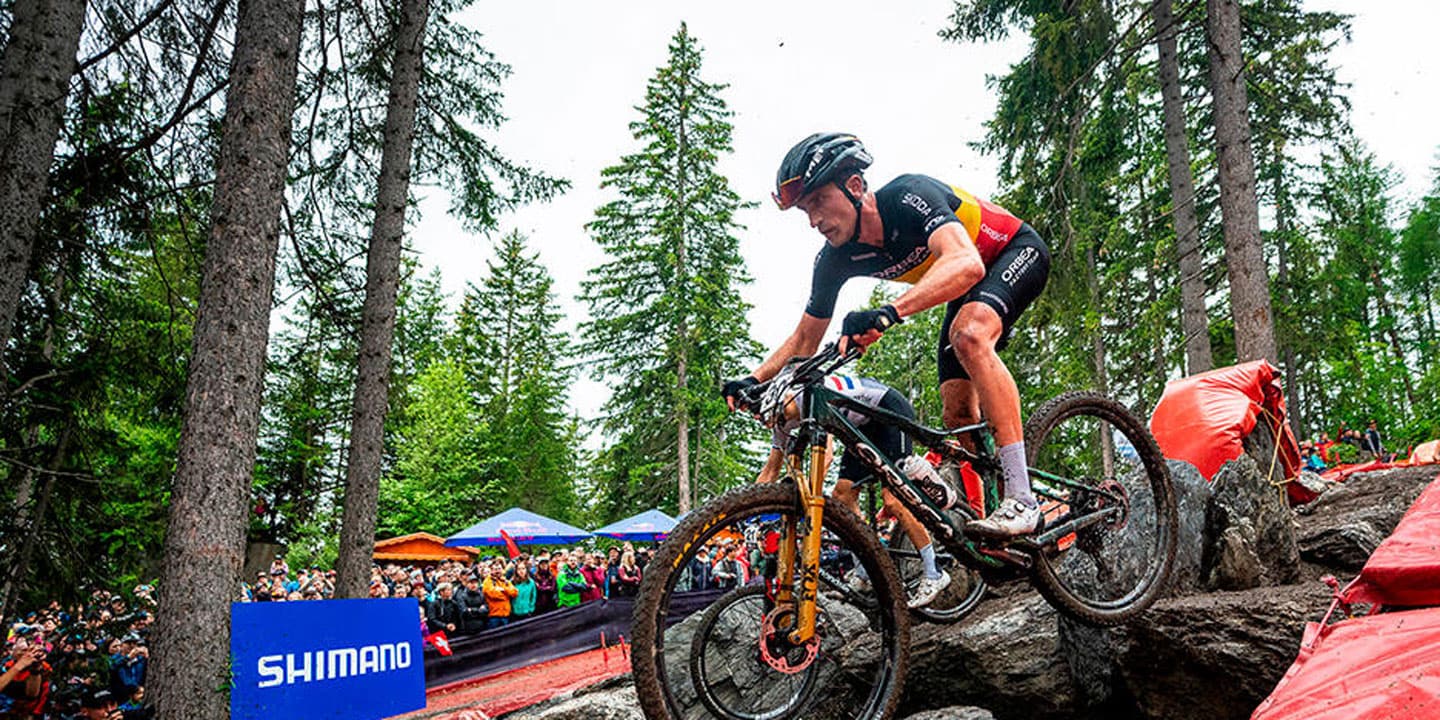
- In Between the Races With Orbea Factory Team
- Shimano presents: In Between the Races, a portrait of the painstaking preparation and fierce focus leading up to – and during – the UCI Mountain Bike World Series. In this episode, we join the Orbea Factory Team on their journey from Val di Sole to Talamona to Crans Montana in Switzerland!
-
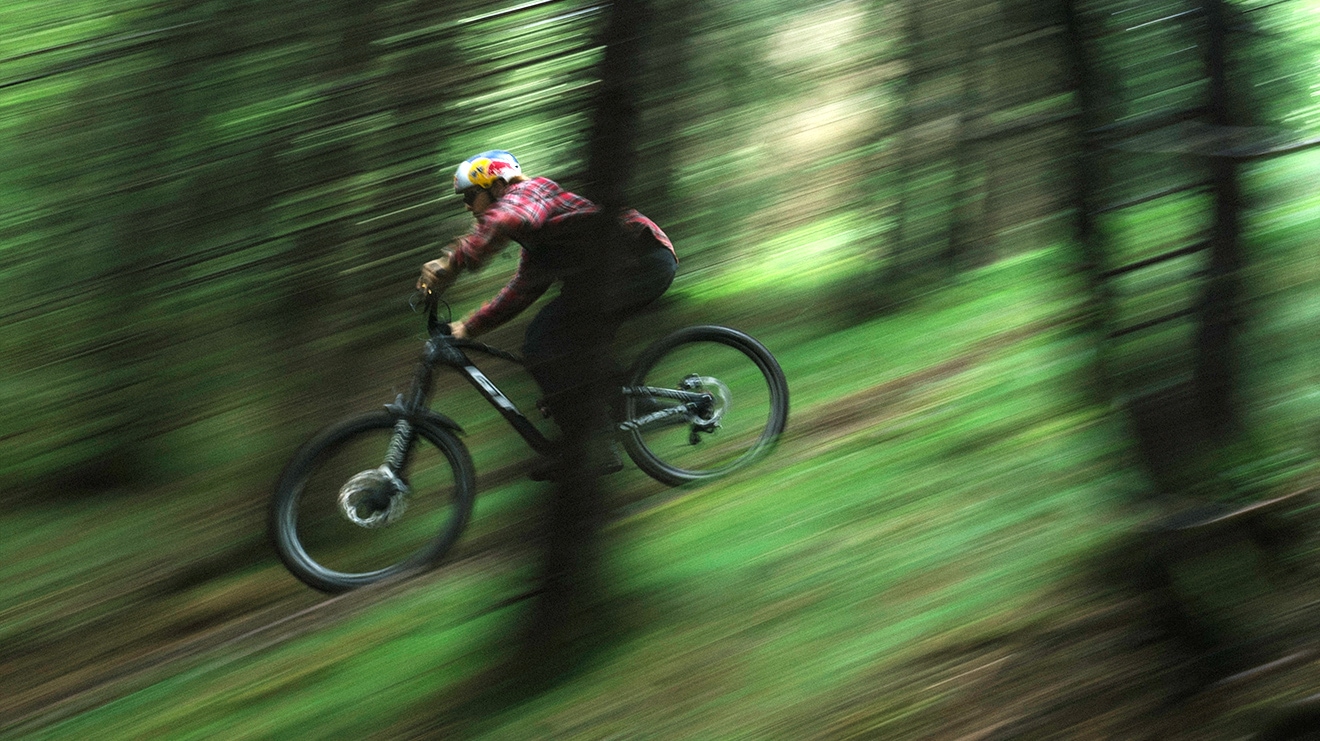
- This is Home: Brage Vestavik
- Brage Vestavik’s journey to the forefront of freeriding began at home, making features from construction materials scattered around his backyard. As the years passed, he took his budding passion into the nearby forests, mimicking the many films he’d watched over the years.
-
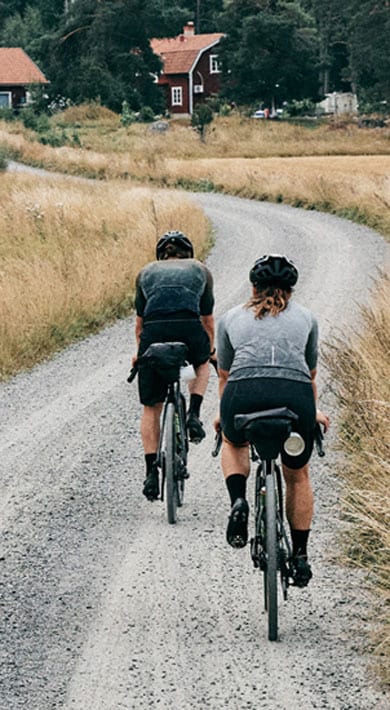
- United in Gravel
- Just as gravel is composed of quartz, stones, sands, and clays, gravel riders are a mixture of ethnicities, genders, and orientations. Diverse in shape and level of fitness, but united in passion. That is the magic of gravel riding.
-
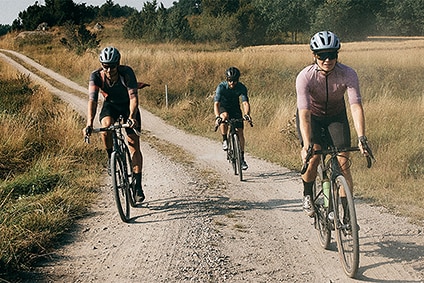
- Gravel Shoe Guide
- We specially design our off-road shoe lines for all types of gravel riders who love wild adventures away from the asphalt. Each series provides the performance, protection, and confidence voyagers like you need to explore your passion. No matter how deep you like to wander off the paved path, there is a SHIMANO gravel shoe for you.
-
- Voluntary Recall: 11-Speed Bonded HOLLOWTECH II Road Cranksets Inspection and Replacement Campaign
- With our dedication to safety and quality in mind, Shimano is issuing a voluntary recall of some bonded 11-speed HOLLOWTECH II road cranksets produced before July 2019 for a possible bonding separation issue.
-

- Road to Paris: Paved With Gold
- This year, the Tour de France may have ended in Nice. But for the hard-working athletes involved, the road led straight to the Eiffel Tower in Paris.
-
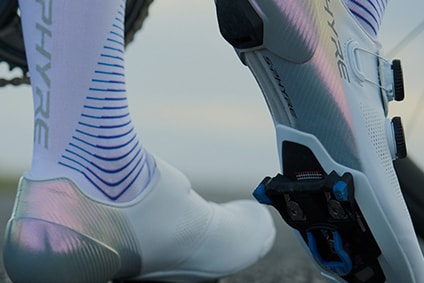
- SHIMANO PEDALING DYNAMICS
- SHIMANO PEDALING DYNAMICS is an integrated shoe and pedal system that provides the pedaling performance of cleated cycling shoes along with the ability to walk safely and comfortably off the bike.
-
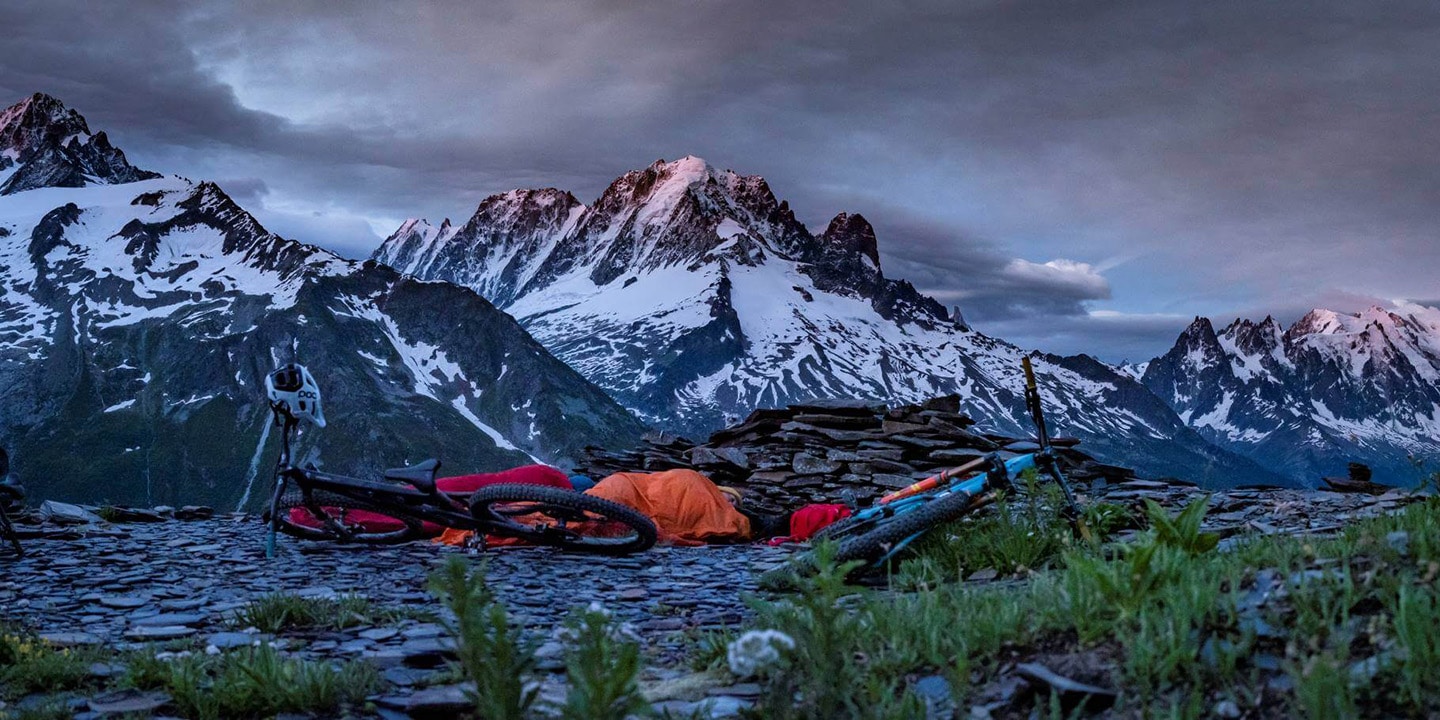
- In search of golden with Dan Milner
- "Hike-a-bike" is not for everyone, but it is certainly for Dan Milner. There is no trail too rugged, mountainside too steep or end-point too unknown for Dan.
-
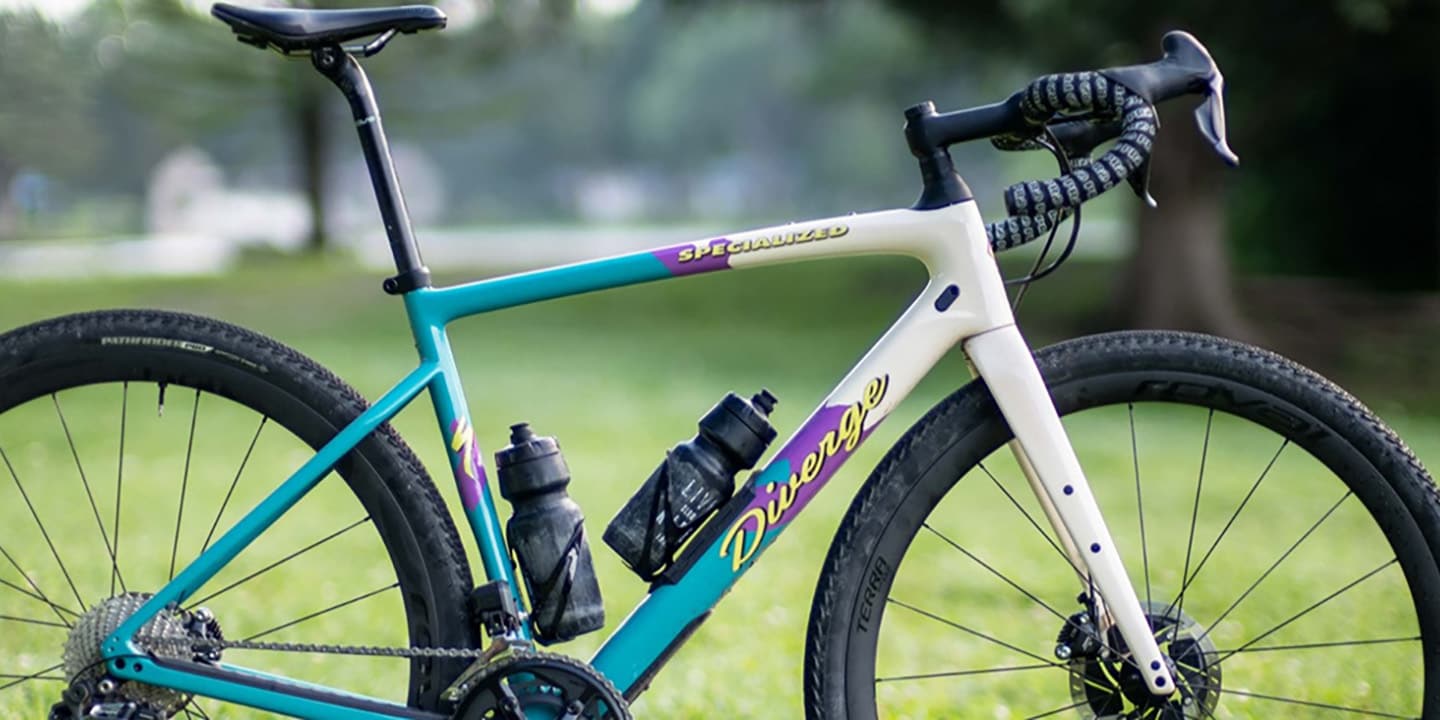
- Bikes of Unbound
- Gravel’s marquee event of the year has finally arrived and after a long hiatus from racing, top professionals and everyday athletes have arrived in Emporia, Kansas.
-
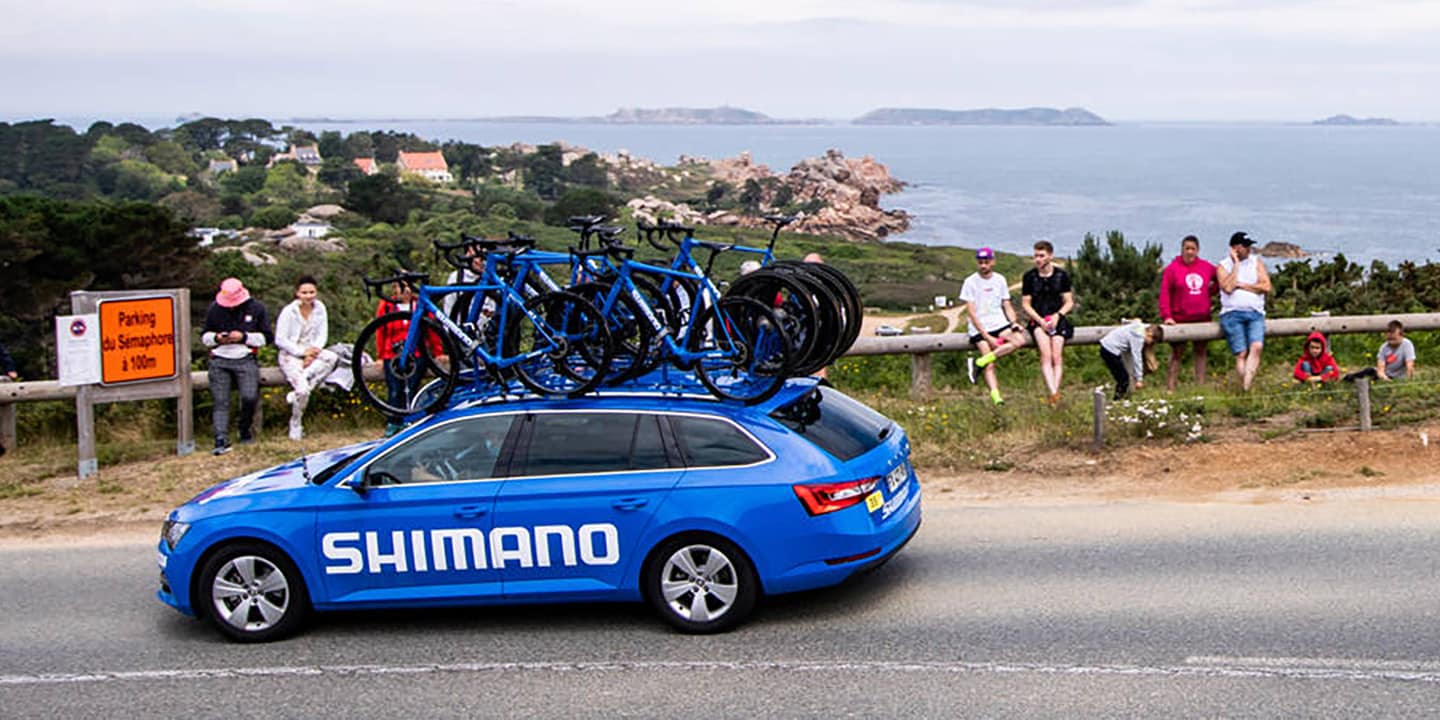
- Shimano Neutral Service: quick thinking & problem solving
- Every bike racer has their version of this story.
-
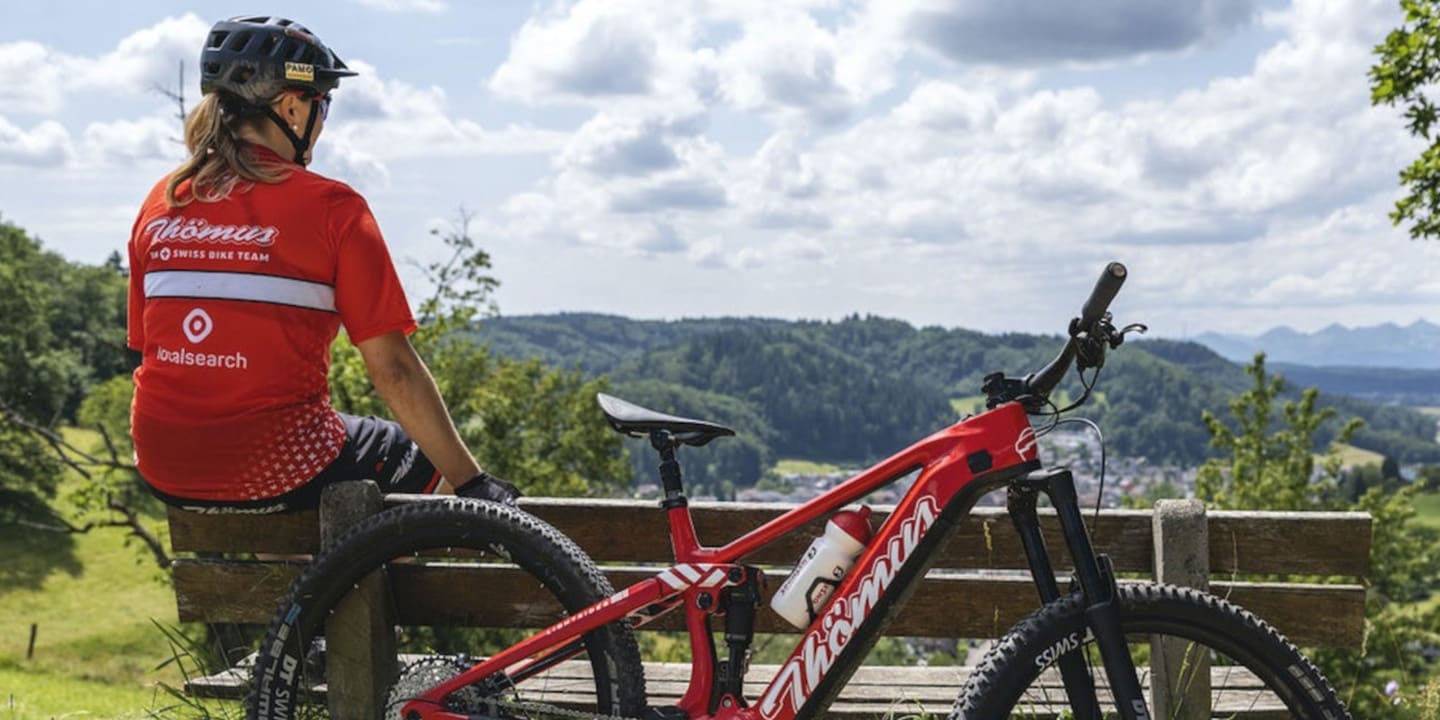
- Full Circle Kathrin Stirnemann
- After a successful career in cross-country racing, Kathrin Stirnemann is now driving the future of mountain biking as a Swiss national squad coach and e-MTB racer.
-
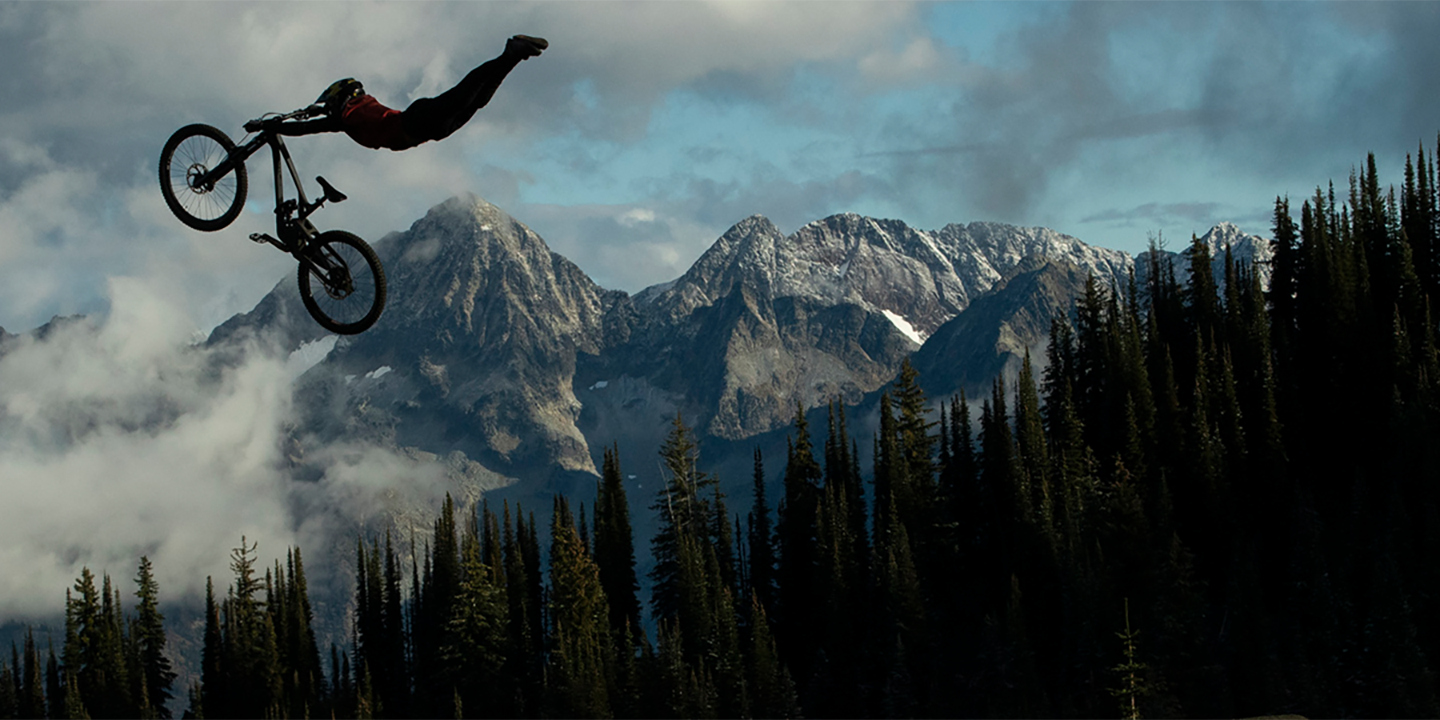
- This is Home: Kurt Sorge
- Just downriver from Nelson, British Colombia, professional freerider Kurt Sorge has hand-crafted a compound that dreams are made of.
-
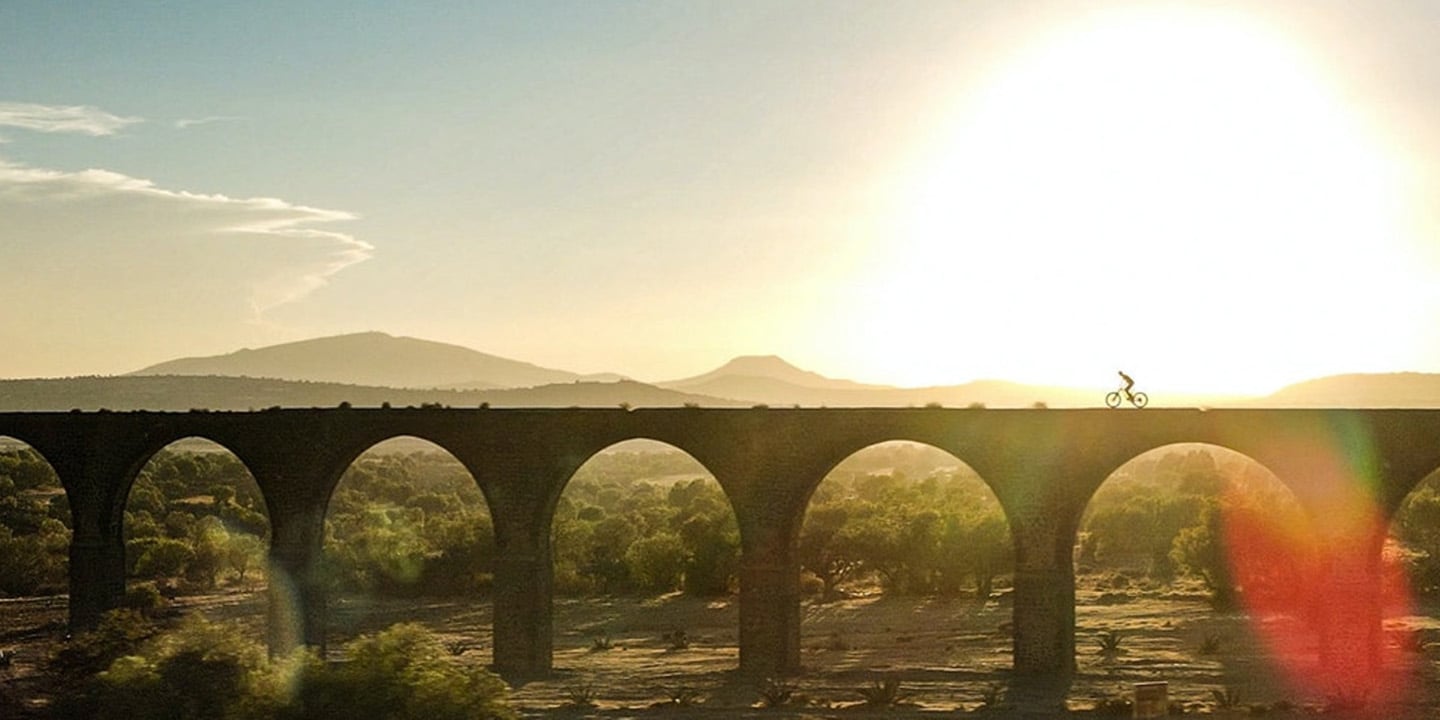
- Colors Of Mexico - Kilian Bron
-
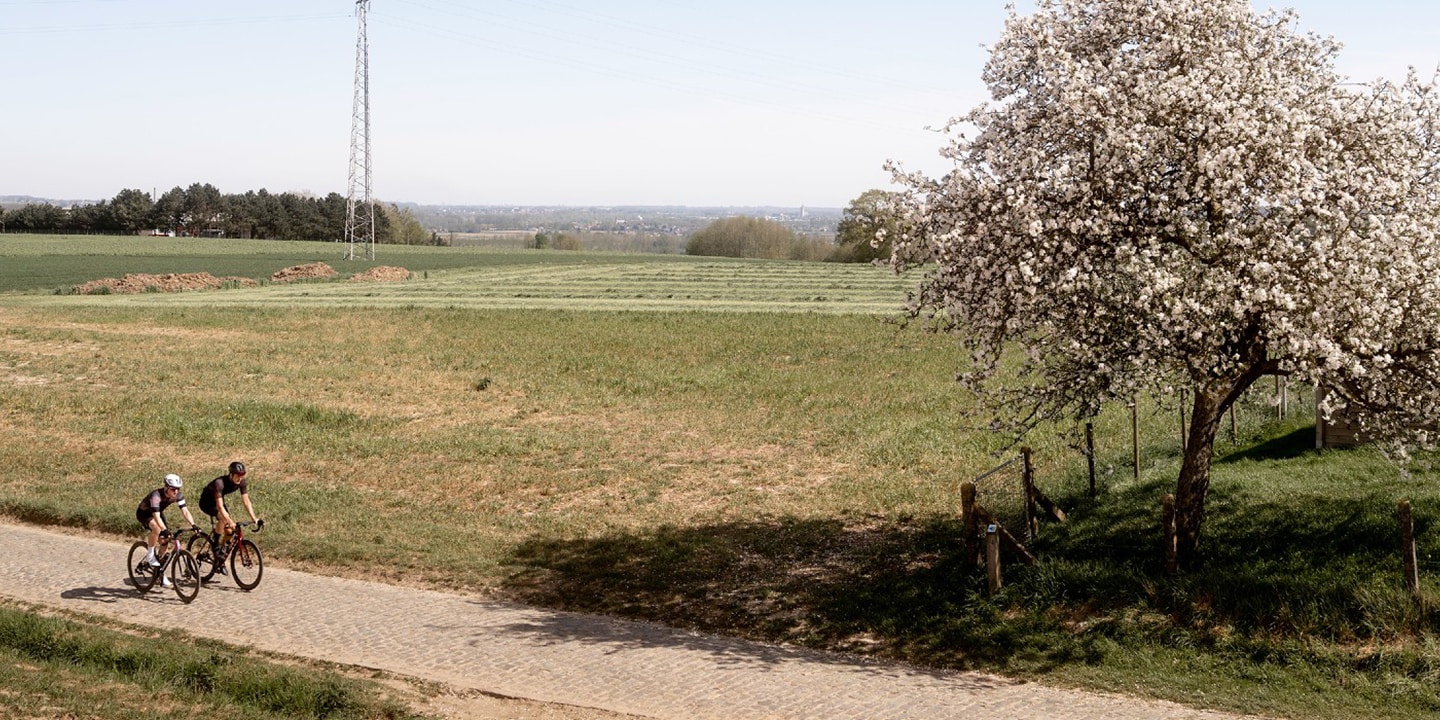
- The Super Classic 2.0 - One Classic to rule them all
- Climbing the Cauberg, Muur van Huy and Muur van Geraardsbergen in one day makes a cycling heart beat faster.
-
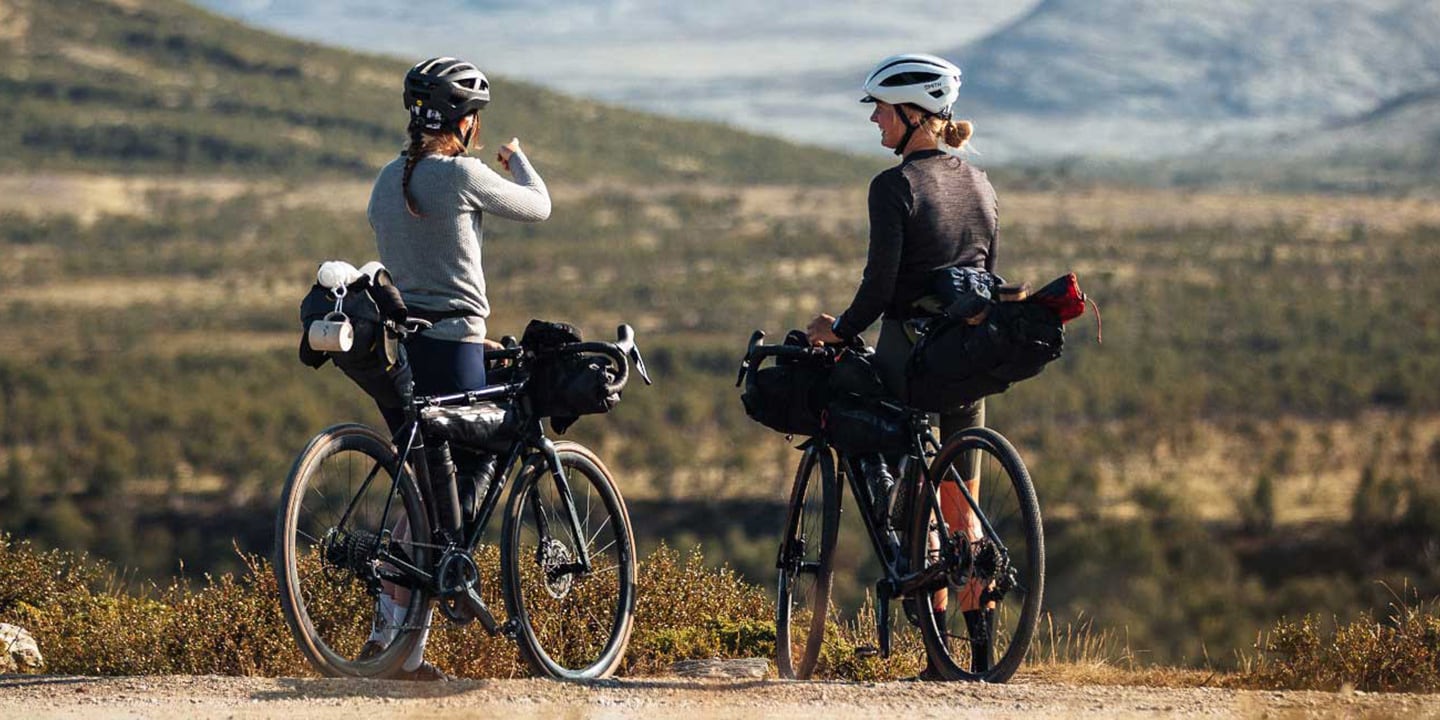
- First time bikepacking - Rondane National Park Norway
- How do you start bikepacking? That was the question we put to Shimano Gravel Alliance rider Henna Palosaari.
-
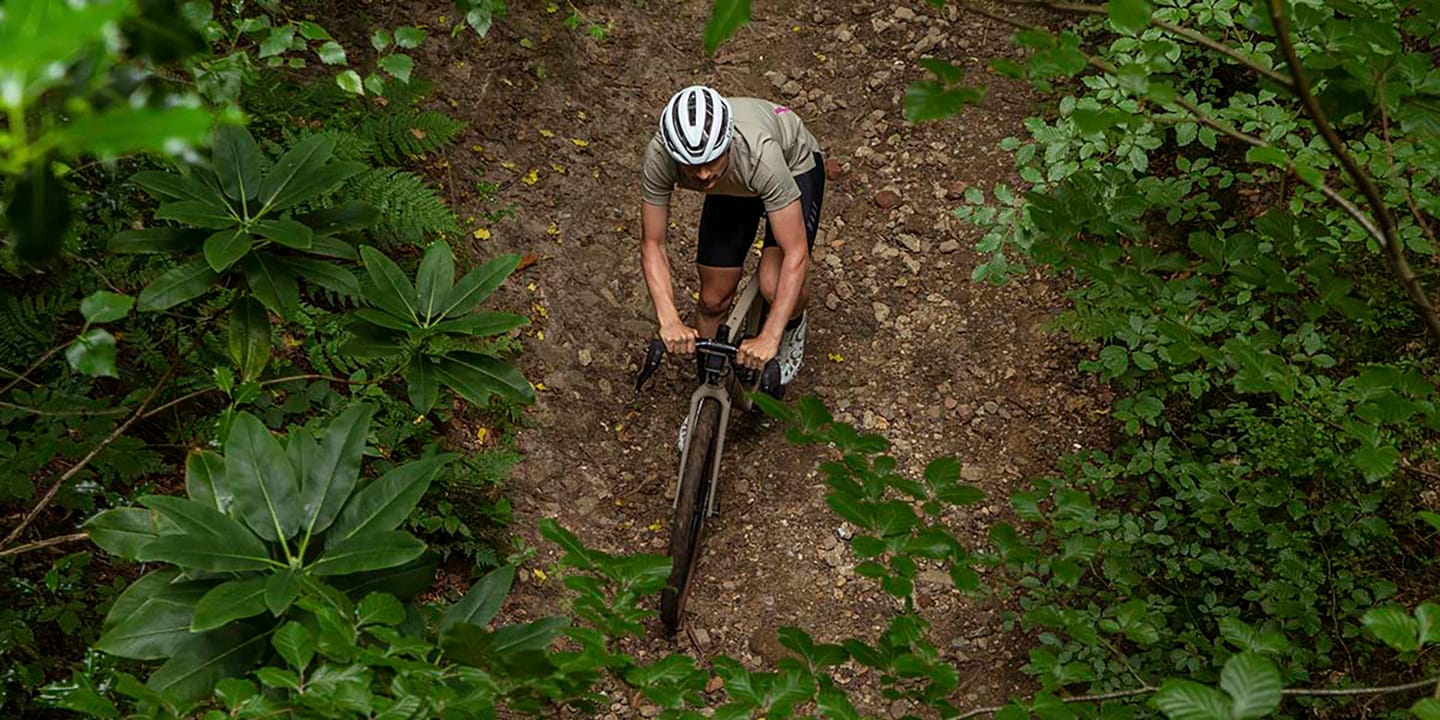
- The Beauty of Gravel: Unlocking the next map
- Gravel Alliance rider Liam Yates traces his route from BMX through road and fixed gear and onto gravel, where he’s found ultimate freedom on two wheels.
-

- La Pandera: The Altu l’Angliru of the South?
- A few years ago, I rode a climb called the Vale Nevado; which, from the top is just 50km from the centre of Santiago, the capital of Chile.
-
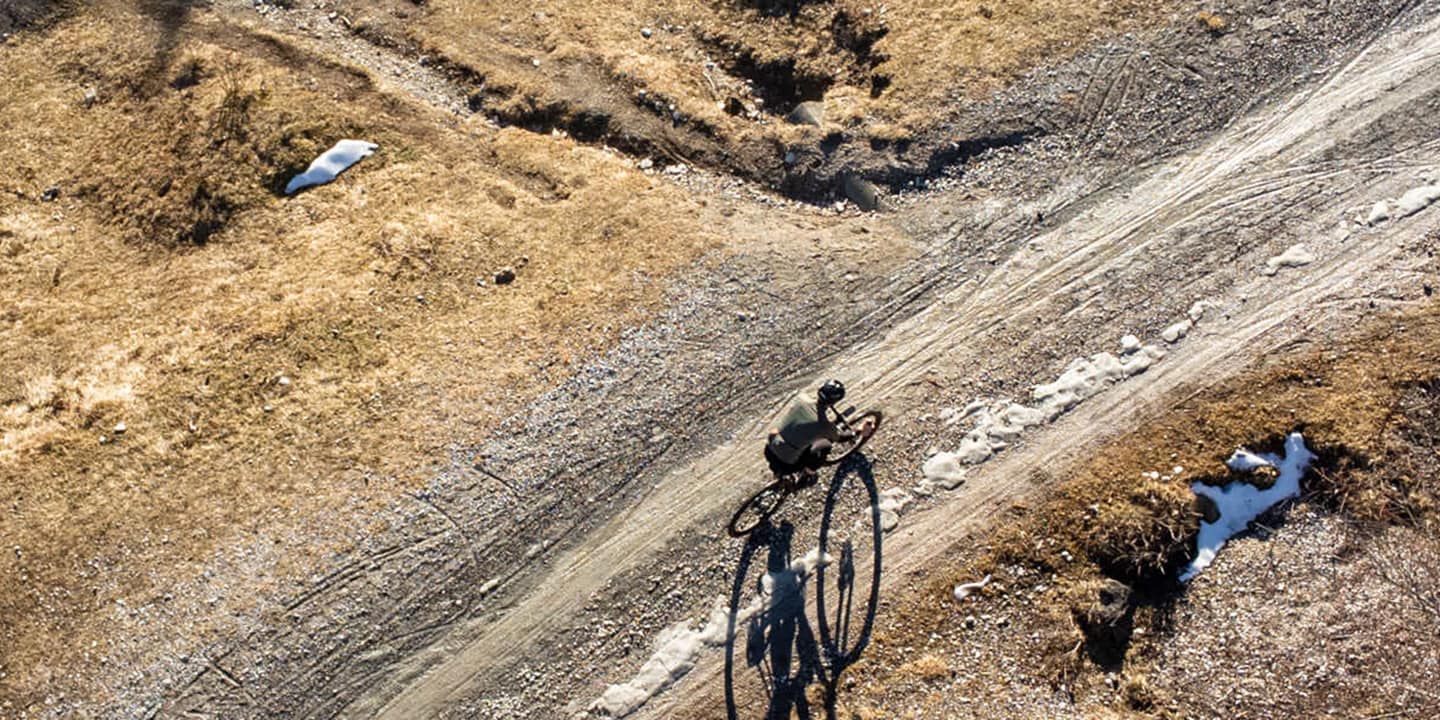
- How to Prepare for a New Season of Gravel
- New season, new you. Shimano Gravel Alliance rider Florian Nowak gives his guide to preparing for a new season of gravel.
-

- Riding North London Dirt
- Dalila Lecky established her cycling directive—”fun and fast”—early on.
-
- Shimano Human Science: The calm and the chaos
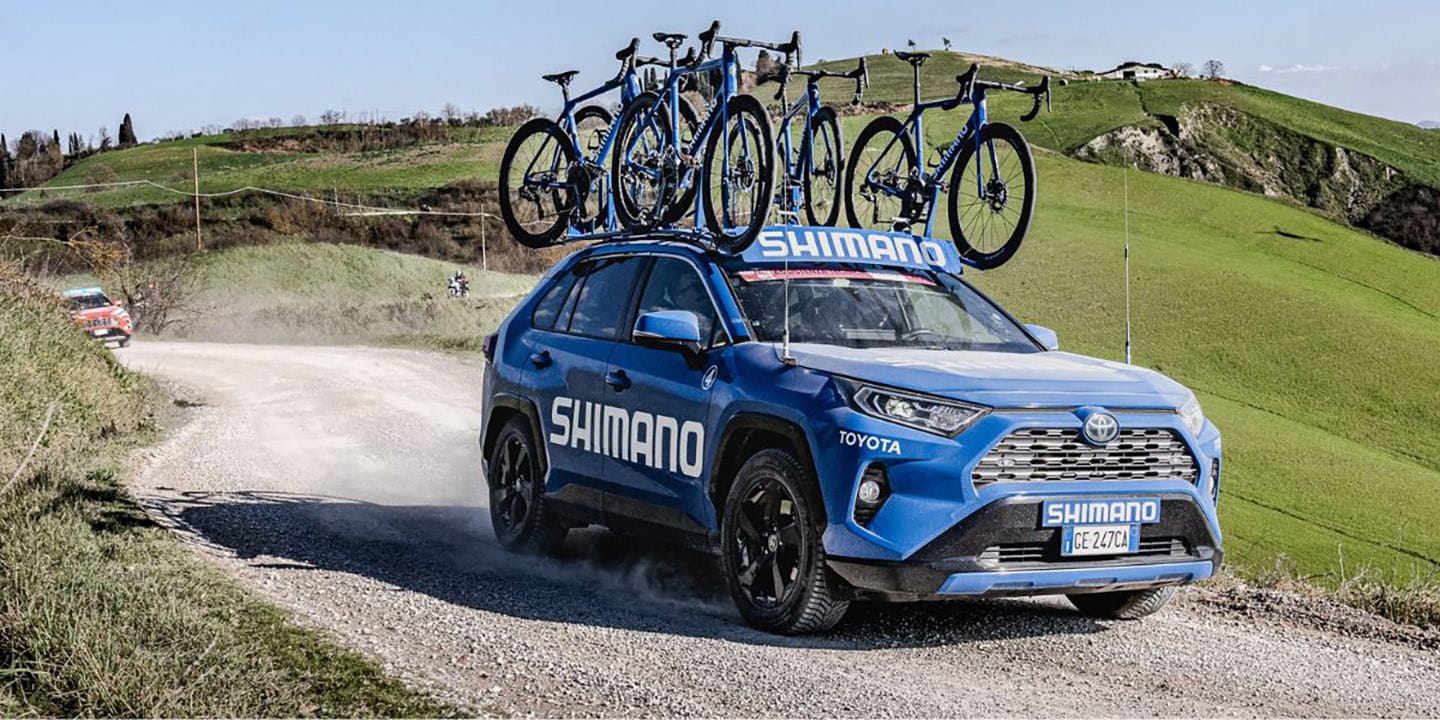
- Every pro-cycling fan knows the blue Shimano Neutral Service cars and motorbikes that offer assistance to riders from any team, in any situation – no matter their kit.
-
- Seven Bikepacking Lifehacks
- With countless Insta-posts of lonely plains, wild campsites, and thousands of miles on the road – you could be forgiven for seeing bikepacking as a difficult pursuit.
-
- Hidden Beauties: Alto Velefique, Spain
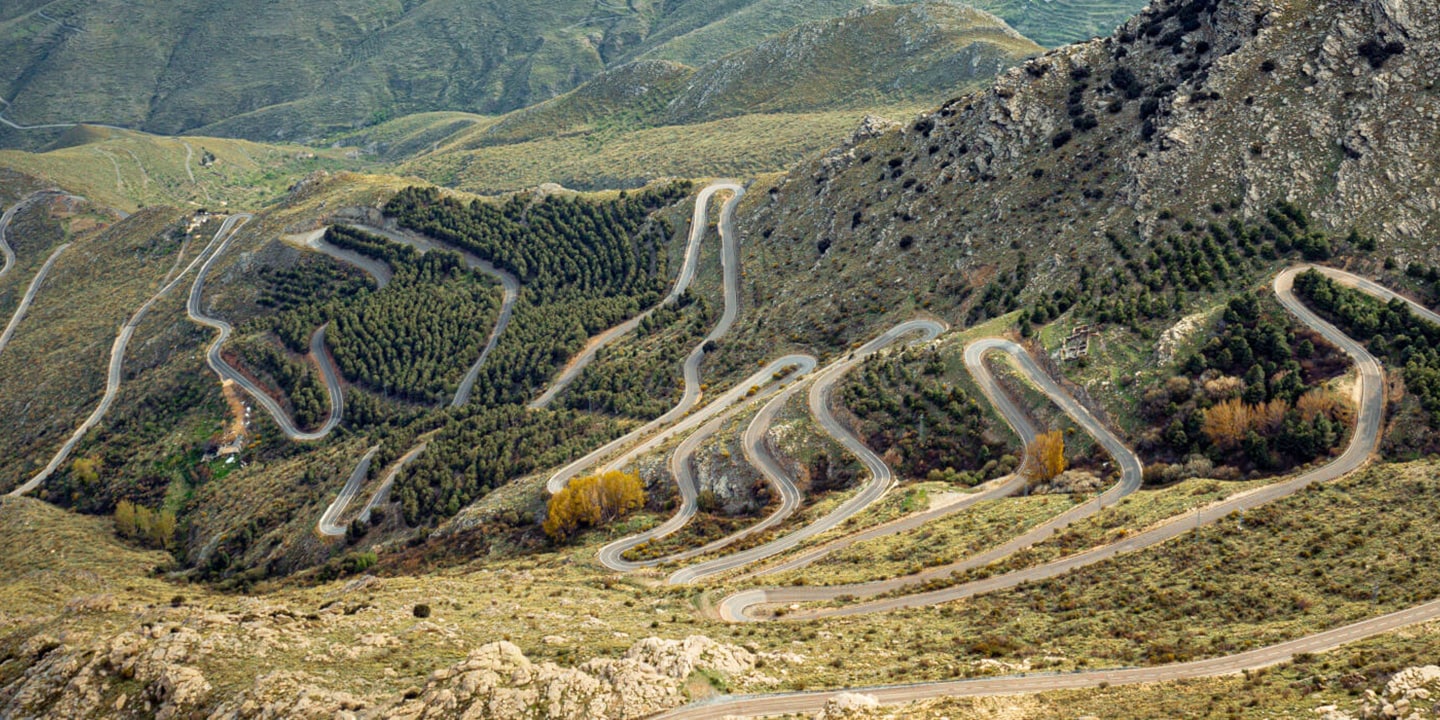
- When googling the best climbs in Spain, Alto Velelifque doesn't feature; it is featured in stage nine of the Vuelta Espana 2021 which put it on the radar of Daniel Hughes.
-
- In Between the Races with Cannondale Factory Racing
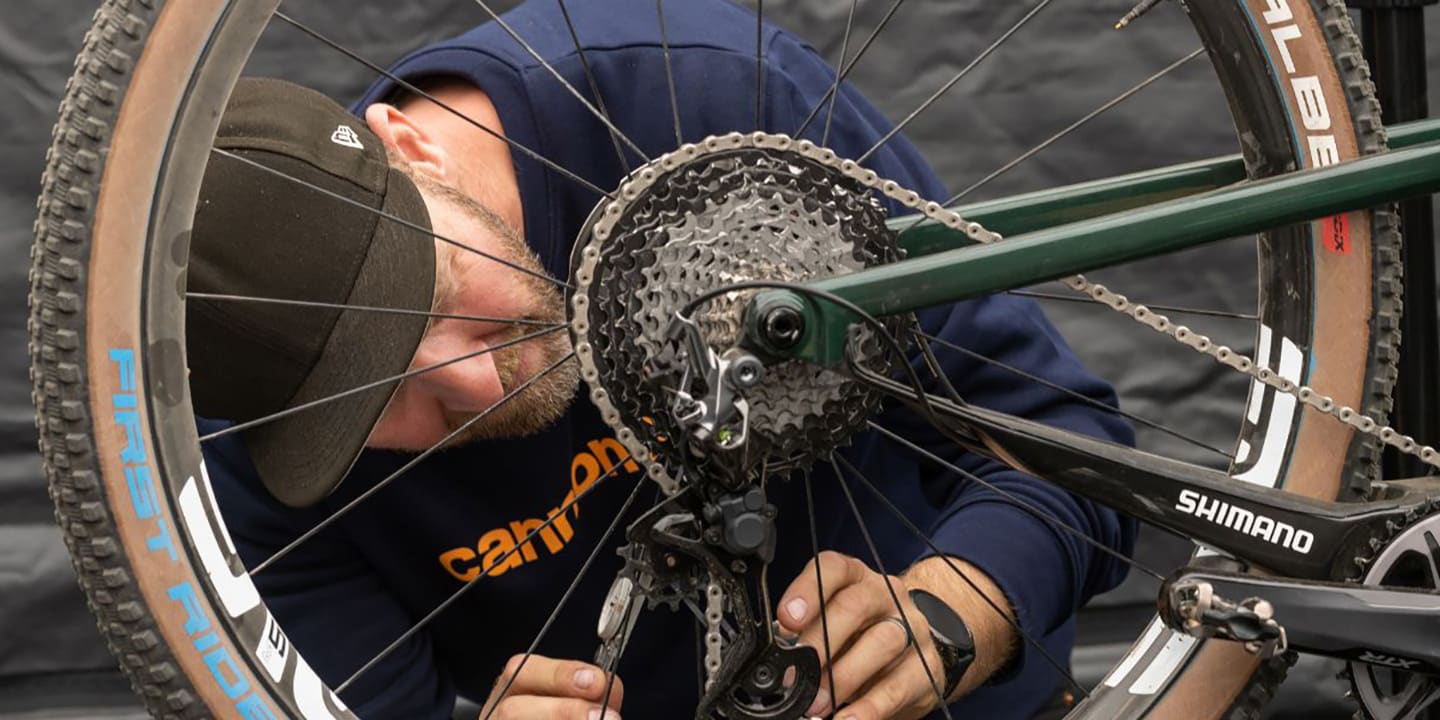
- Shimano presents: In Between the Races, a portrait of the painstaking preparation and fierce focus leading up to – and during – the UCI Mountain Bike World Series.
-
- Shimano Human Science: Paris-Roubaix by Motorbike
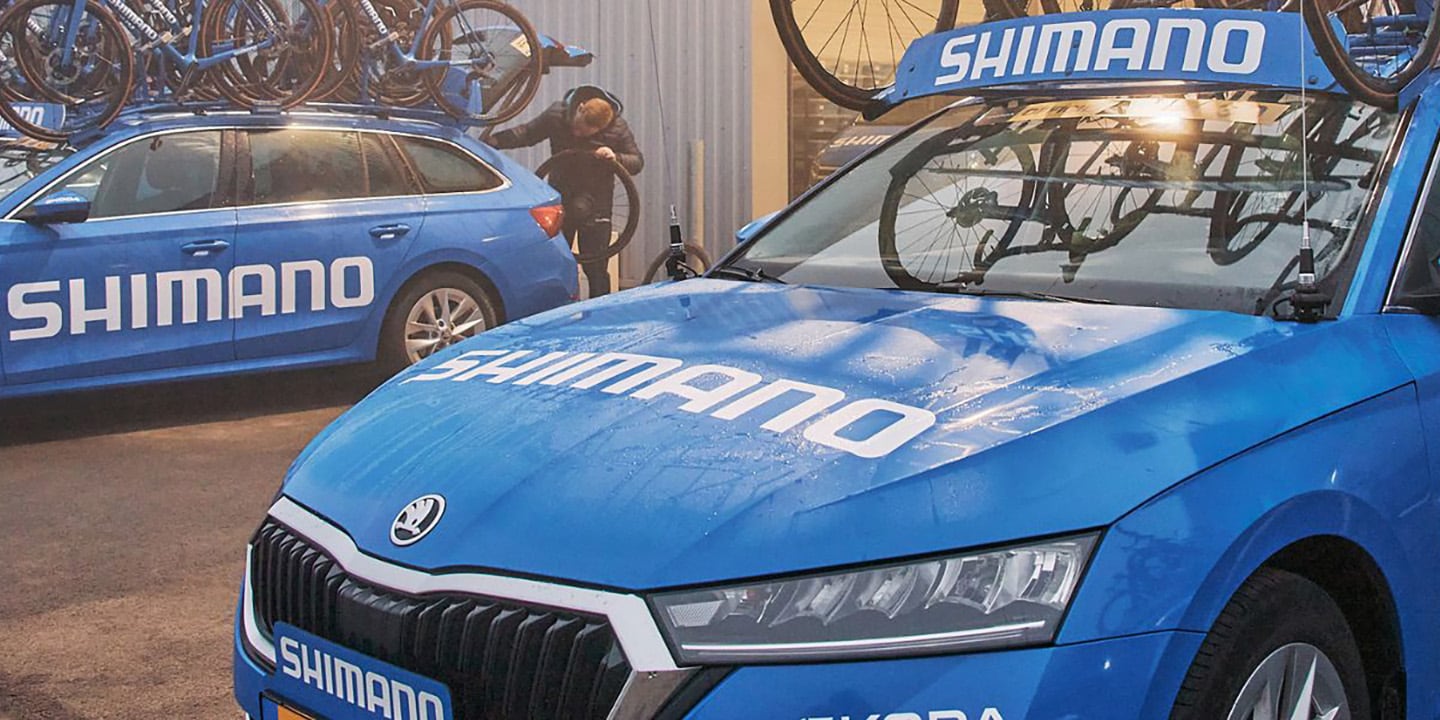
- In the Shimano Human Science series, we follow the mechanics and drivers of the blue Shimano Neutral Service team at the world's biggest and most prestigious classics and grand tours.
-
- Build it and they will come
- Even if you’ve ridden bikes all over the World, Madeira is different!
-
- 9 Tips for Summer Gravel Riding
- Out of office on? Bike checked and ready to roll? Before you hit the road, you might want to read up on our summer graveling tips.
-
- Cycling Photography 101
- How to capture and tell your ride story through great photos.
-

- EU vs. US gravel
- A study of gravel riding on different sides of the Atlantic.
-
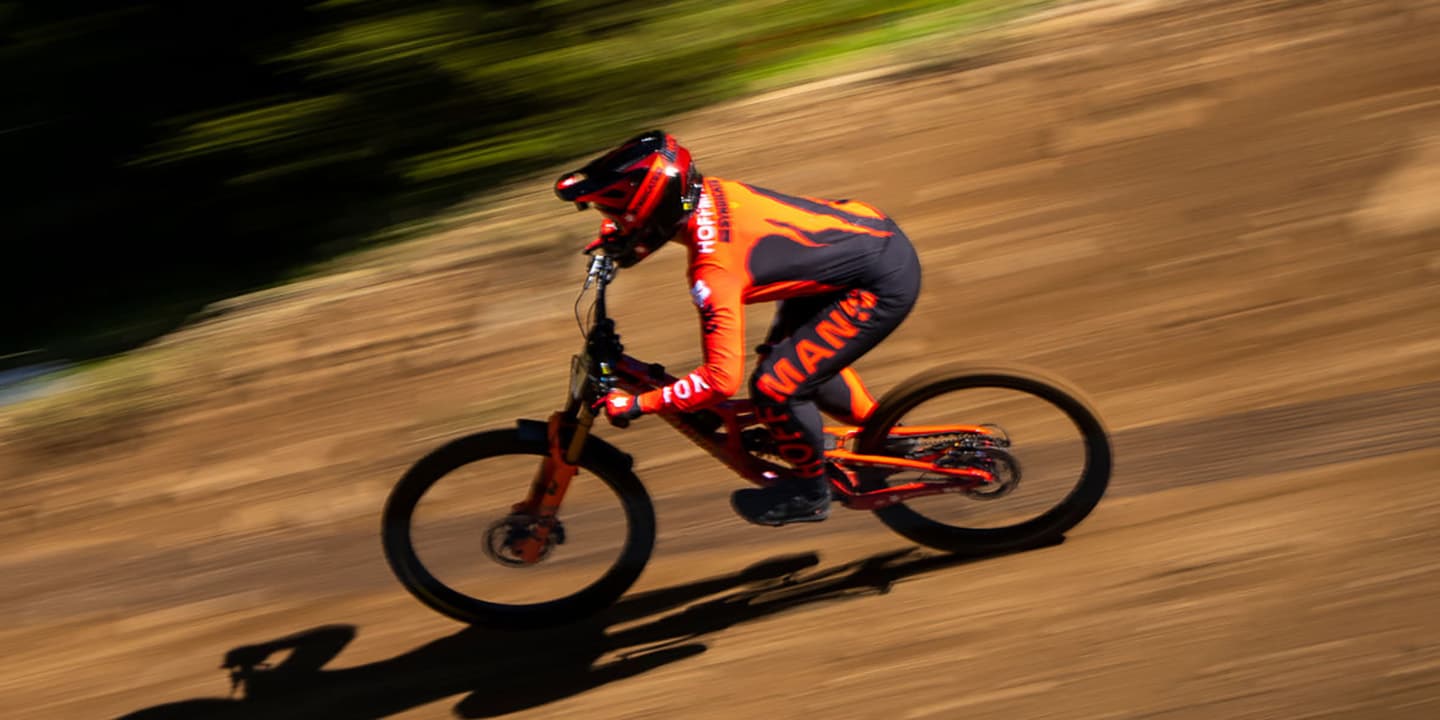
- Behind the Hero: Nina Hoffmann
- Meet Nina Hoffmann, the Santa Cruz Syndicate’s Queen of Downhill, arguably one of the most extreme disciplines in mountain biking.
-
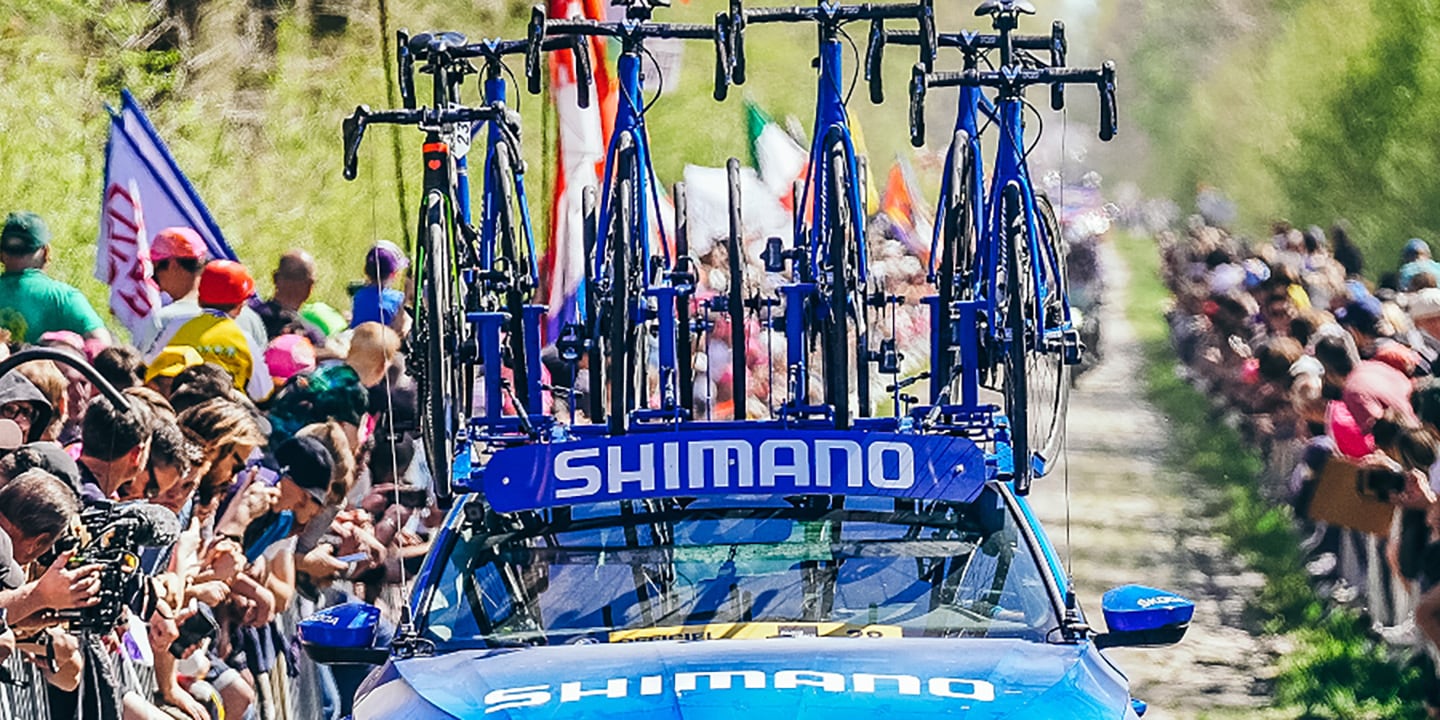
- Shimano Human Science - Episode 1: Nico Verhoeven at Paris-Roubaix
- A fast, efficient, expert team of mechanics and drivers who serve the world’s best riders in the races we love.
-
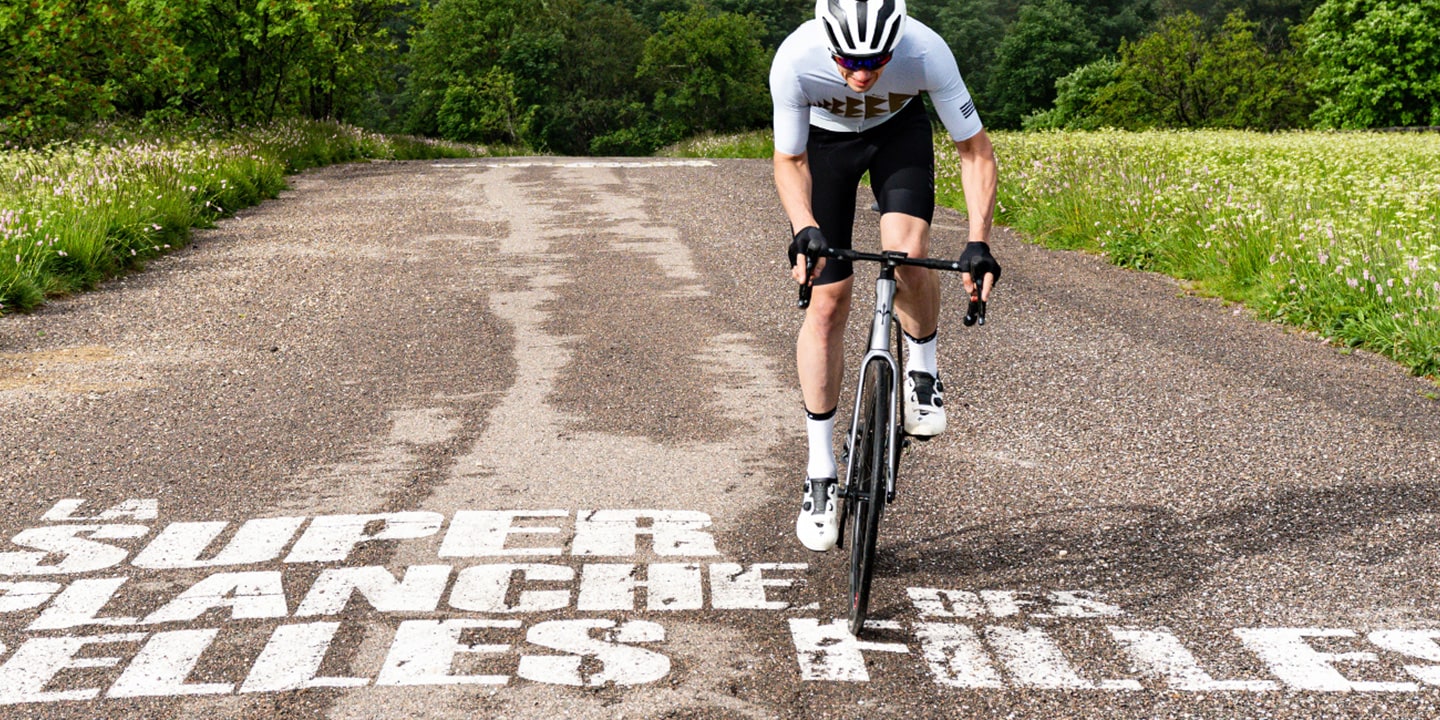
- Hidden Beauties: Riding the Super Planche des Belles Filles
- Mountains…France is blessed with so many regions of mountains, the Alps, Pyrenees, and Massif Central the most famous, but to the west of Basel lie the Vosges.
-
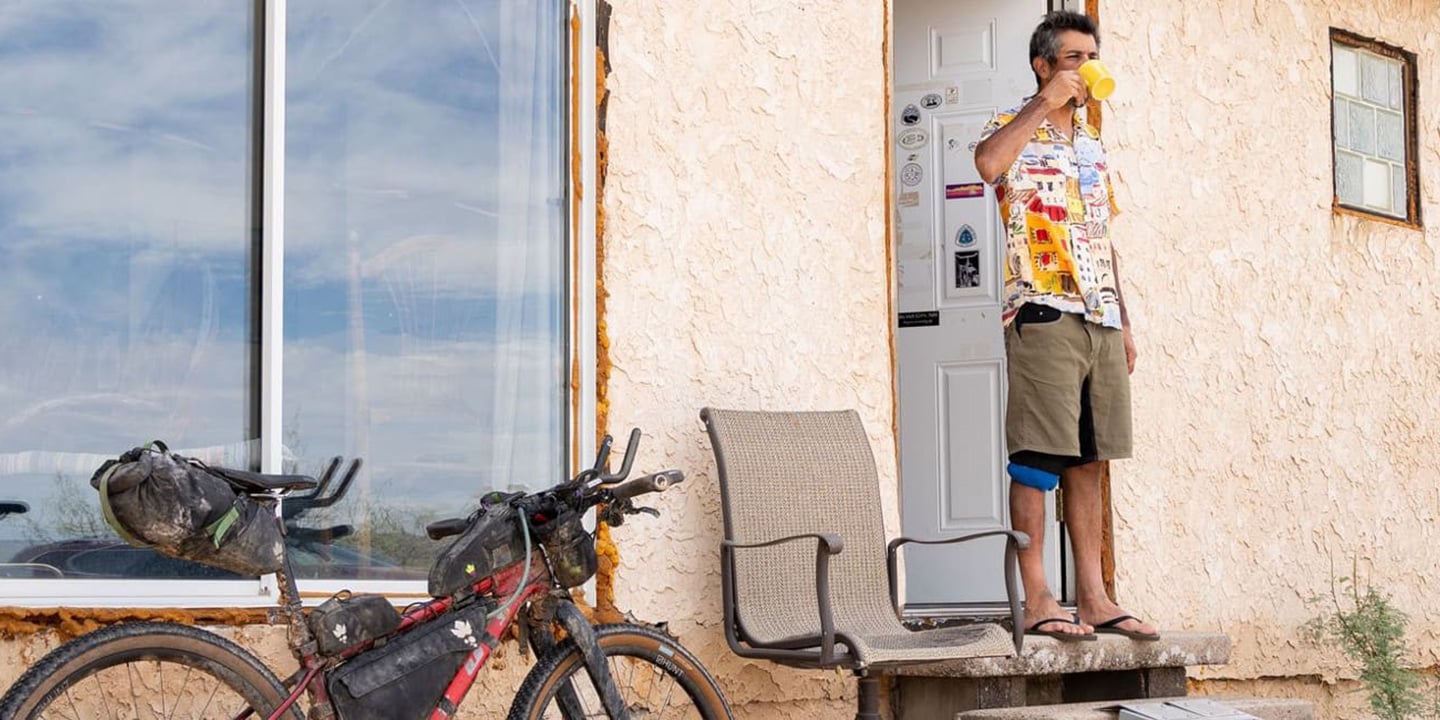
- Sofiane Sehili’s Tour Divide
- For fans of gravel bikepacking, Sofiane Sehili probably doesn’t need any introduction.
-
- Plan a new adventure ride
- Tips and Tools for Finding New Cycling Routes.
-

- MADE IN: New England
- For Kevin Wolfson, the beauty of designing a gravel bike is understanding how the mere term ‘gravel’ can mean totally different things to different riders.
-
- The Path Less Paved - Alex Morgan
- Alex isn’t limited by the restrictive definitions of a single discipline.
-
- In Between the Races with Noga Korem
- In Between The Races is back for another season of insight into the world of cycling that you don’t often see.
-
- Canyon MTB Racing
- From the emotional rollercoaster of elite racing to the physical rollercoaster of mountain passes and luging, the Canyon MTB Team take us on one hell of a ride in the latest episode of In Between the Races!
-
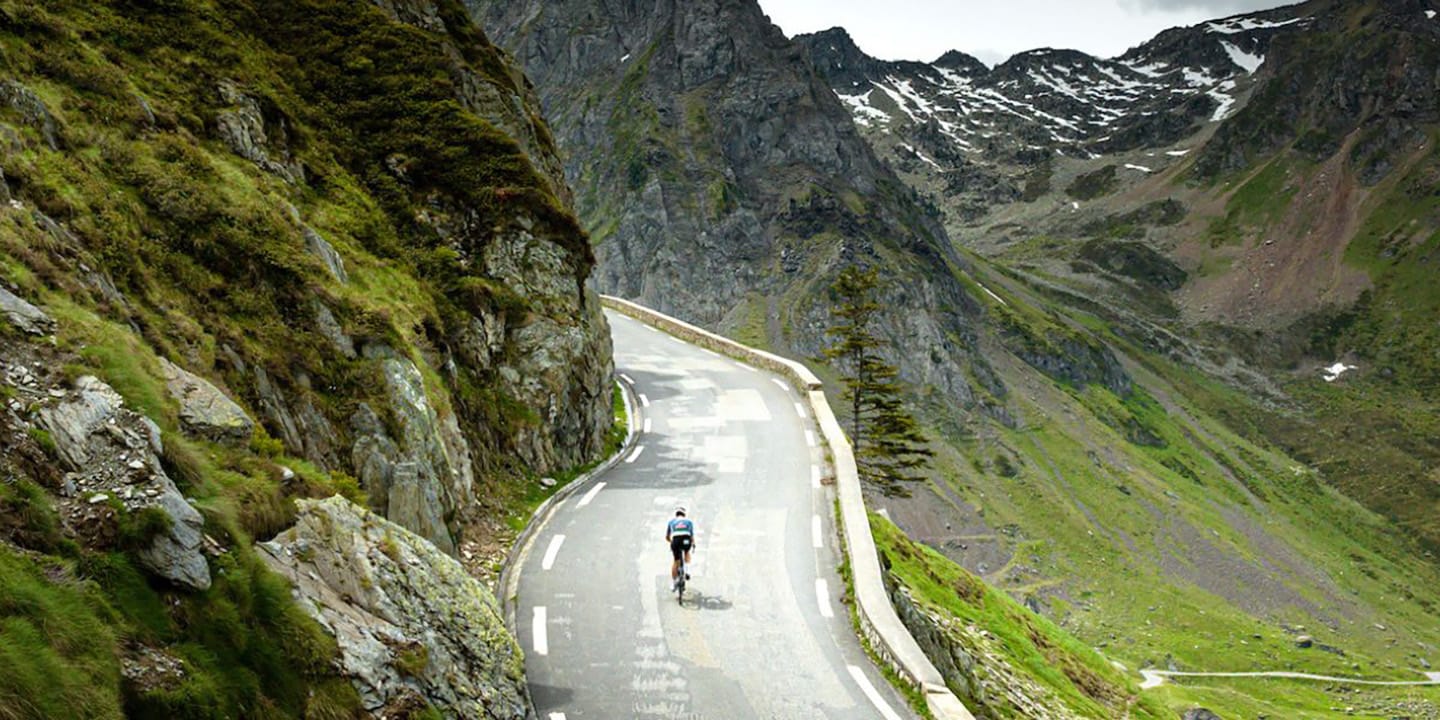
- Traversing the Col du Tourmalet
- This summer, the Tourmalet will challenge riders in three grand tours: the Tour de France, the Tour de France Femmes avec Zwift, and the Vuelta a España.
-

- The abandoned places of the Yesa Reservoir
- Shimano Gravel Alliance rider Ibai Fradejas always dreamt about gravel riding through villages that time forgot.
-
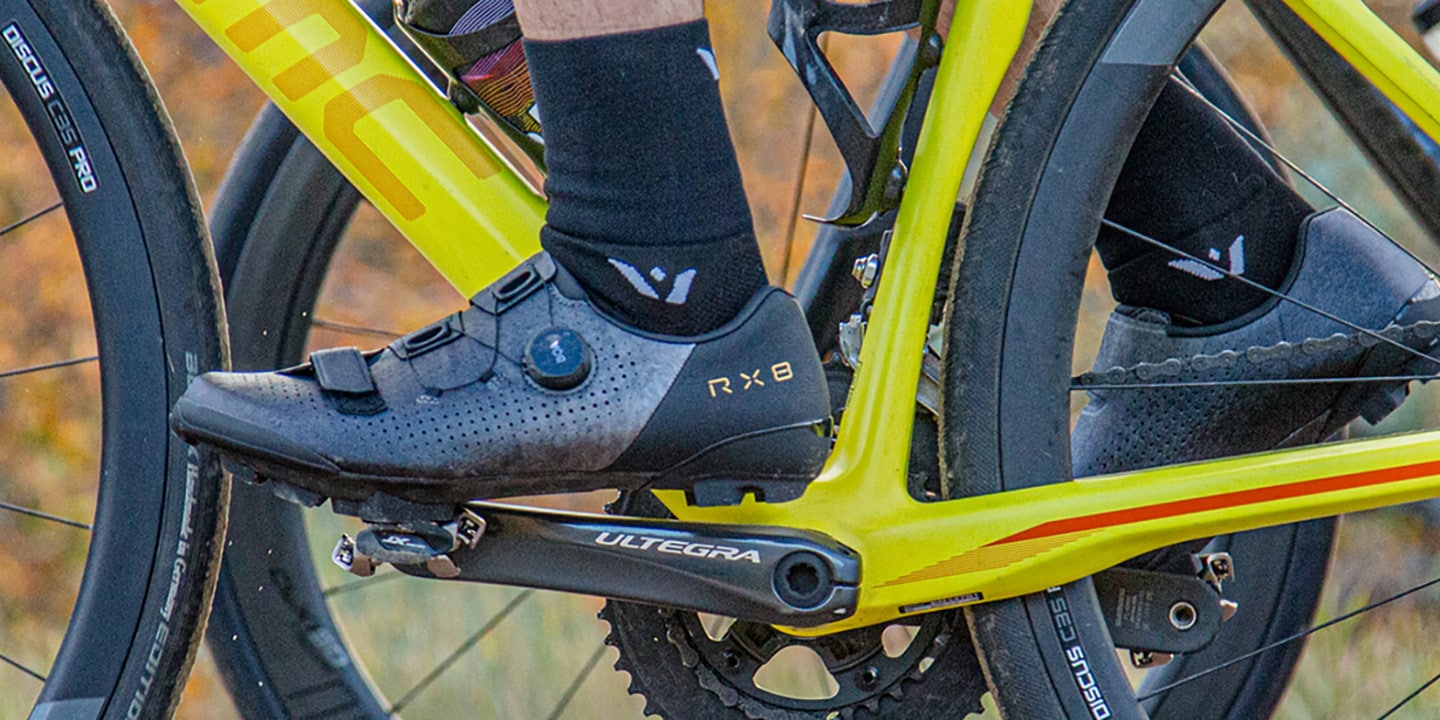
- What Makes a Good Gravel Shoe
- Purpose-Built Footwear to Explore Beyond.
-
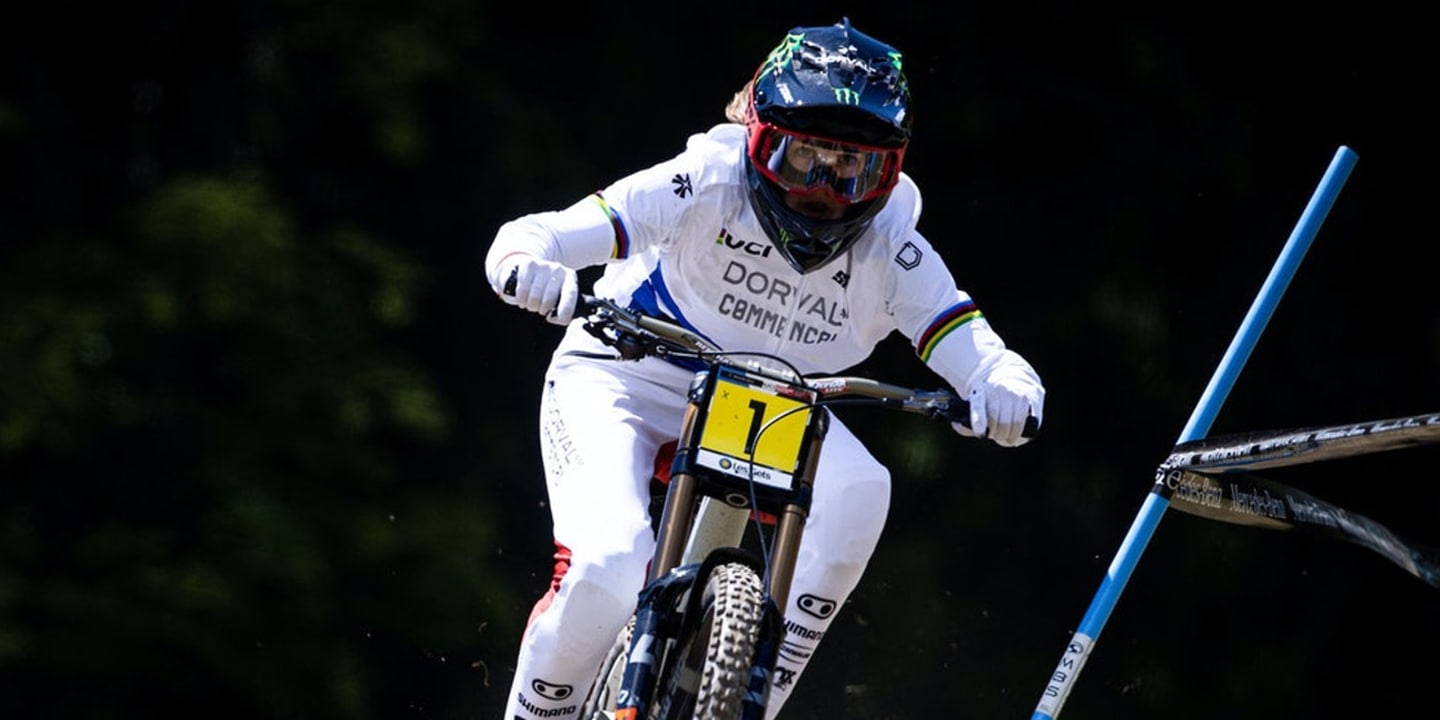
- In Between The Races With Camille Balanche
- Come along for the part of the ride that you don’t normally see, in Between the Races.
-
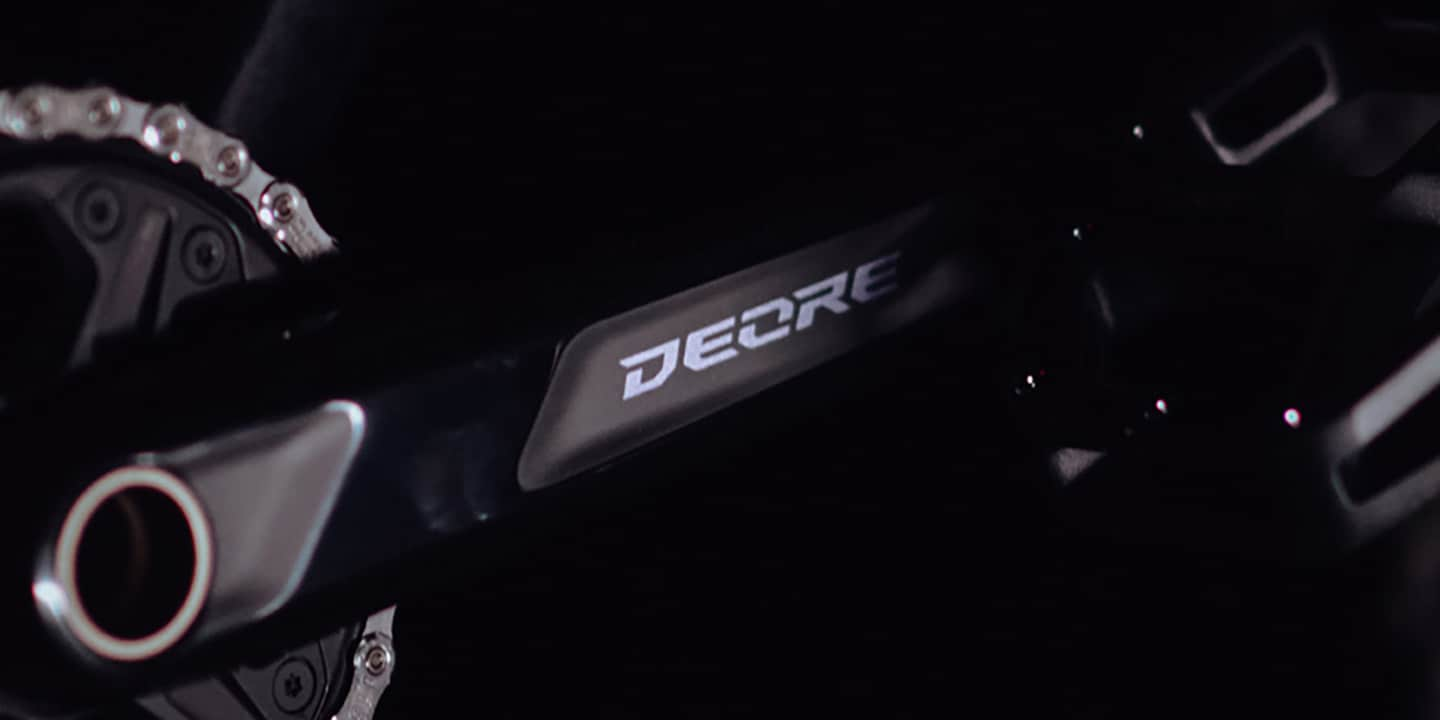
- DEORE M6100 The Tech That Gets The Trophies
- Trickle down technology is seen throughout SHIMANO, with everything from shifters to shoes benefitting from top-of-the-range technology at great value.
-
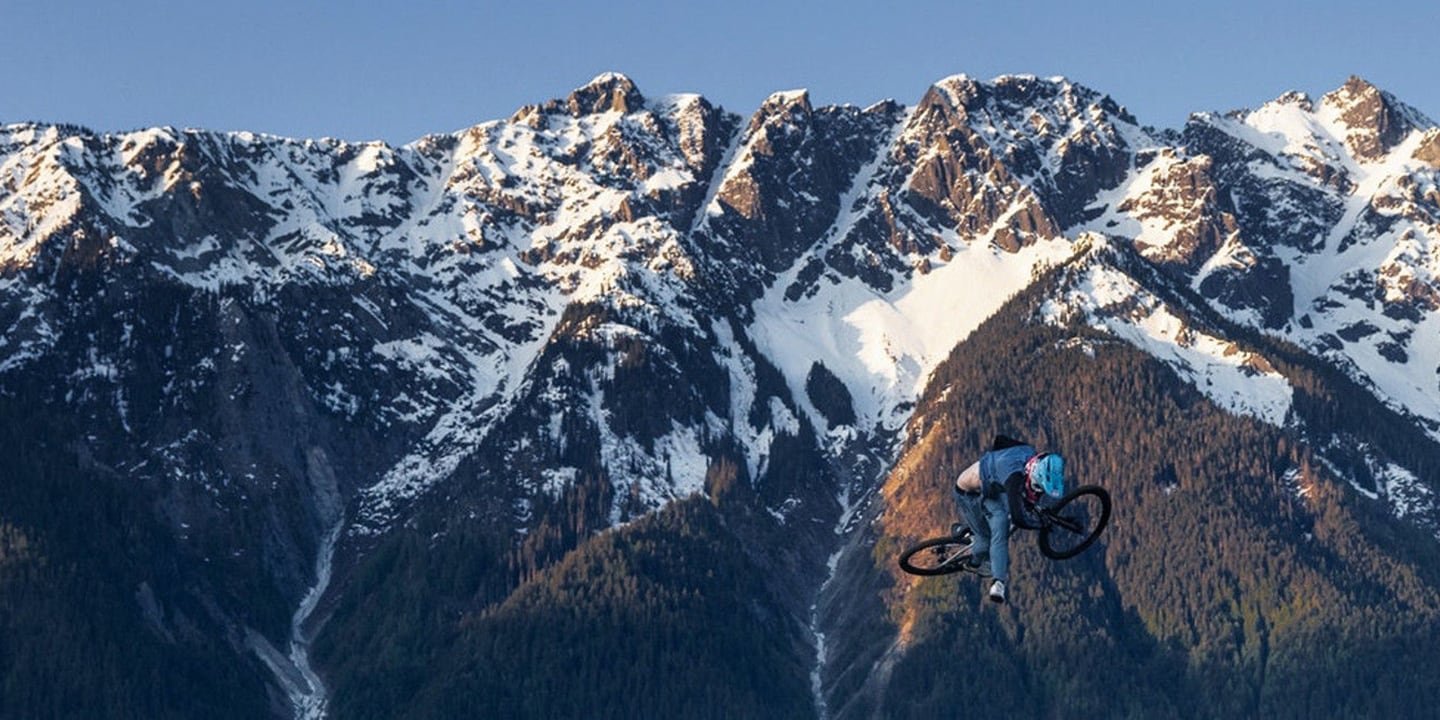
- CONTINUUM
- In this film by Brett Rheeder and Harrison Mendel, the sequence of individual movements are all linked together as a cohesive collection.
-
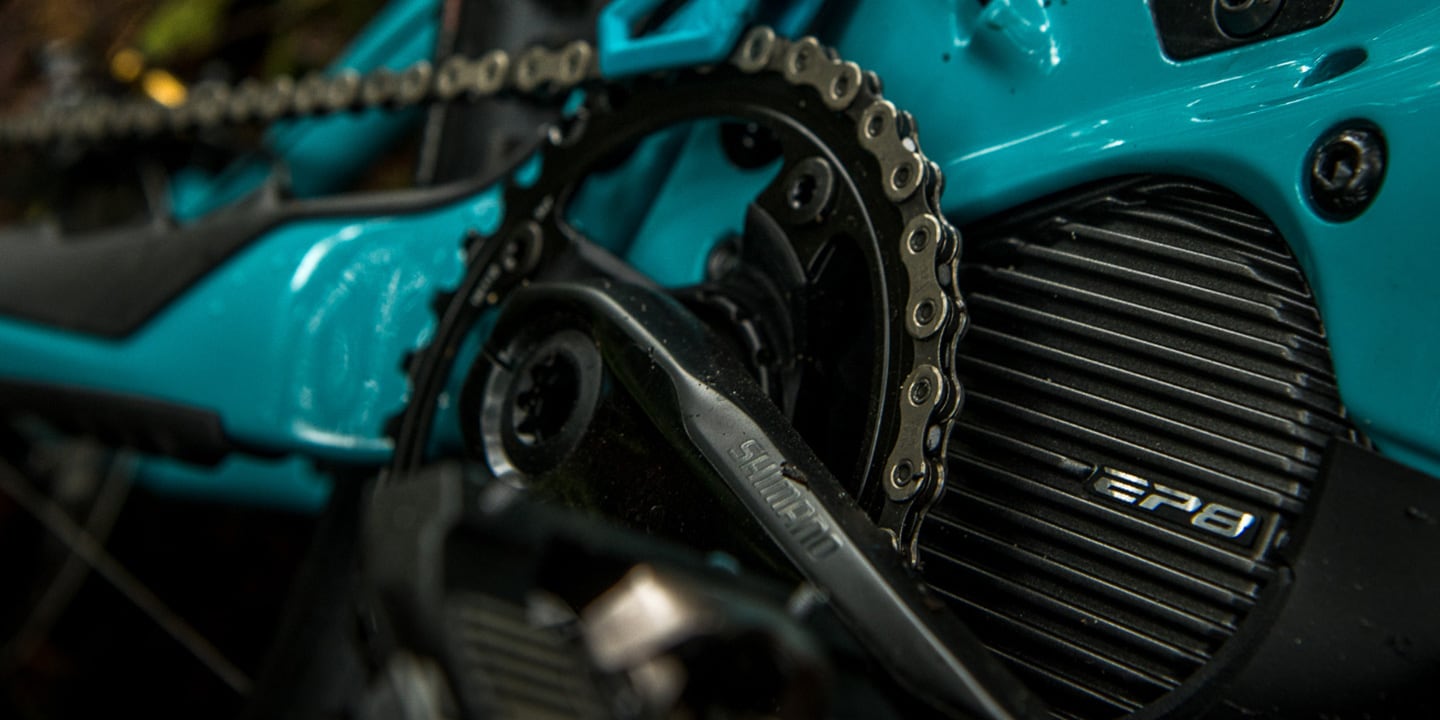
- Introducing the New Yeti / SHIMANO EP Racing Team
- The latest addition to Shimano partnered race teams is the newly formed Yeti / Shimano EP Racing team that is set to compete in the 2022 EWS-E series, the world’s premier e-MTB enduro racing series.
-
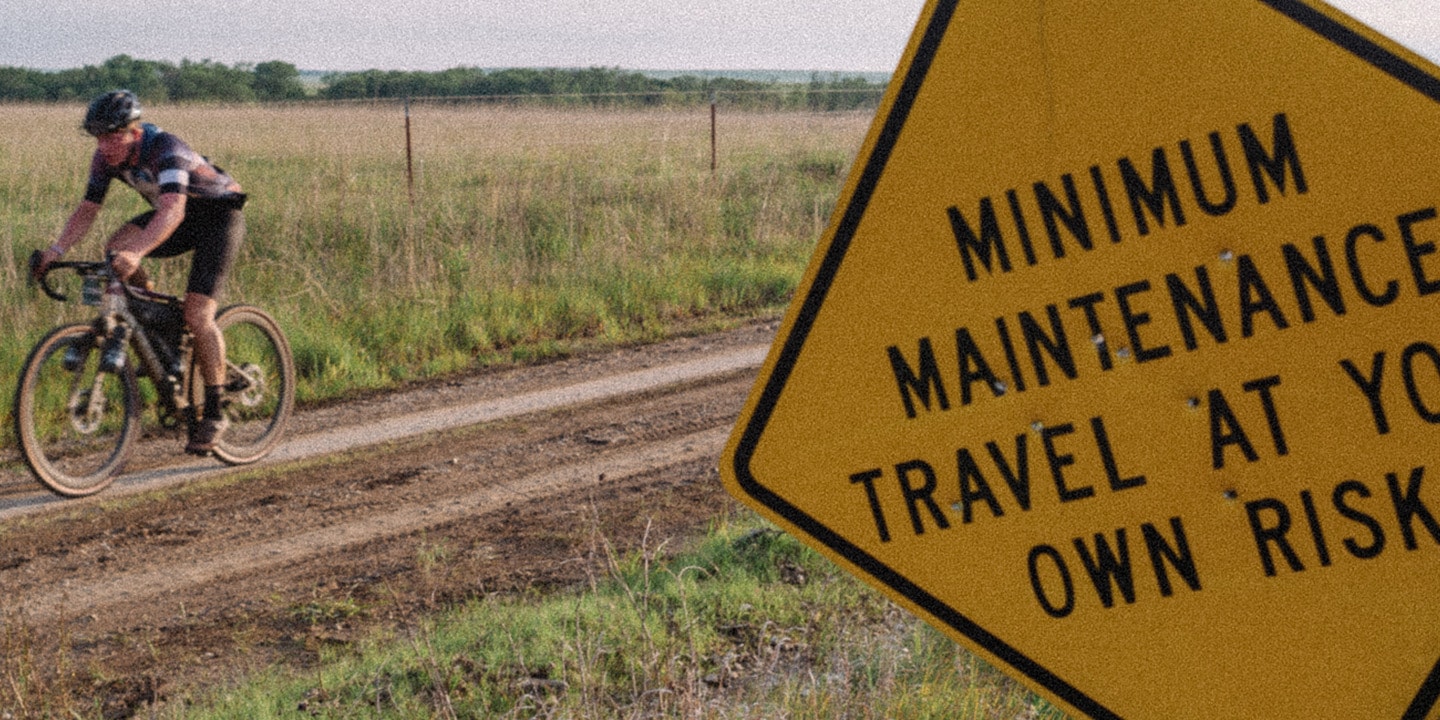
- Riding the party train at Unbound Gravel
- We asked Erwin Sikkens from the Shimano Gravel Alliance if he would like to join the party train at Unbound Gravel.
-
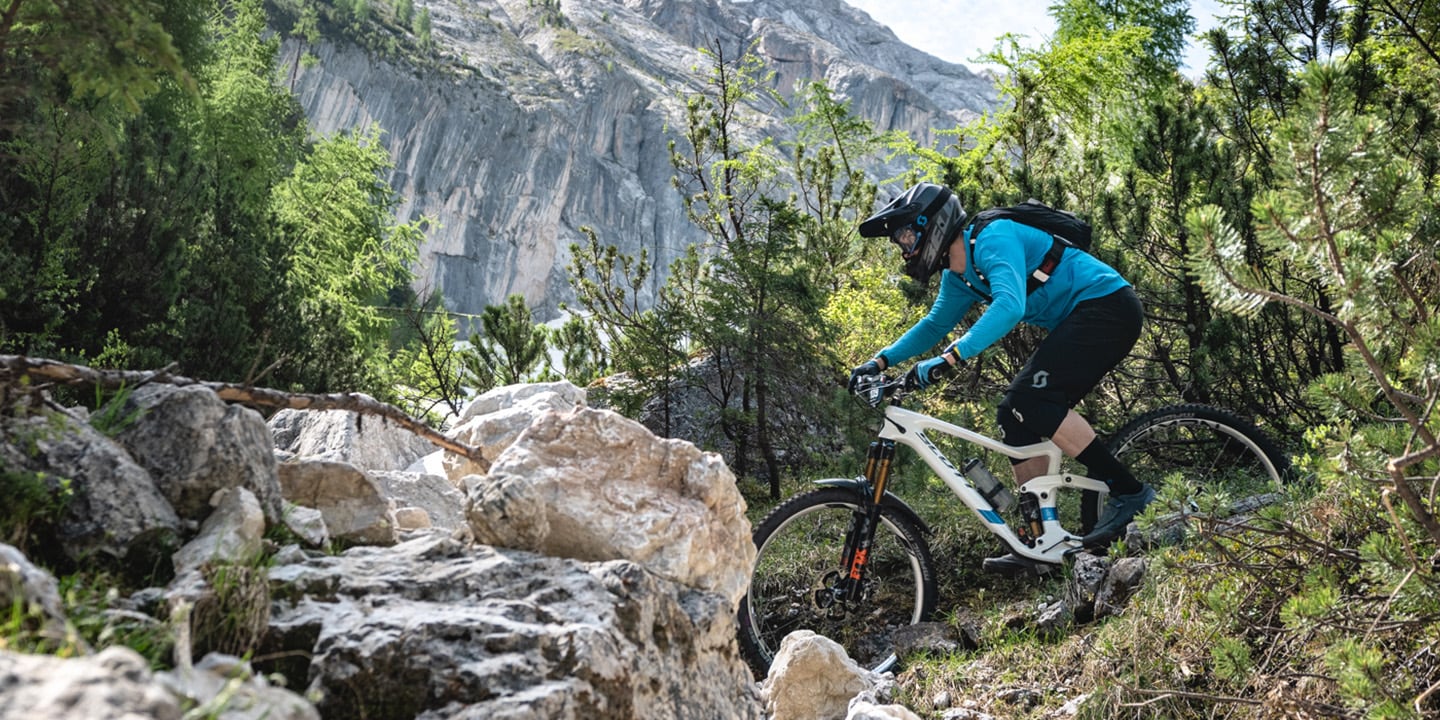
- The Spirit of Enduro
- It can be difficult to articulate a ‘spirit’, but our friends on the Enduro World Series scene gave it a good shot.
-
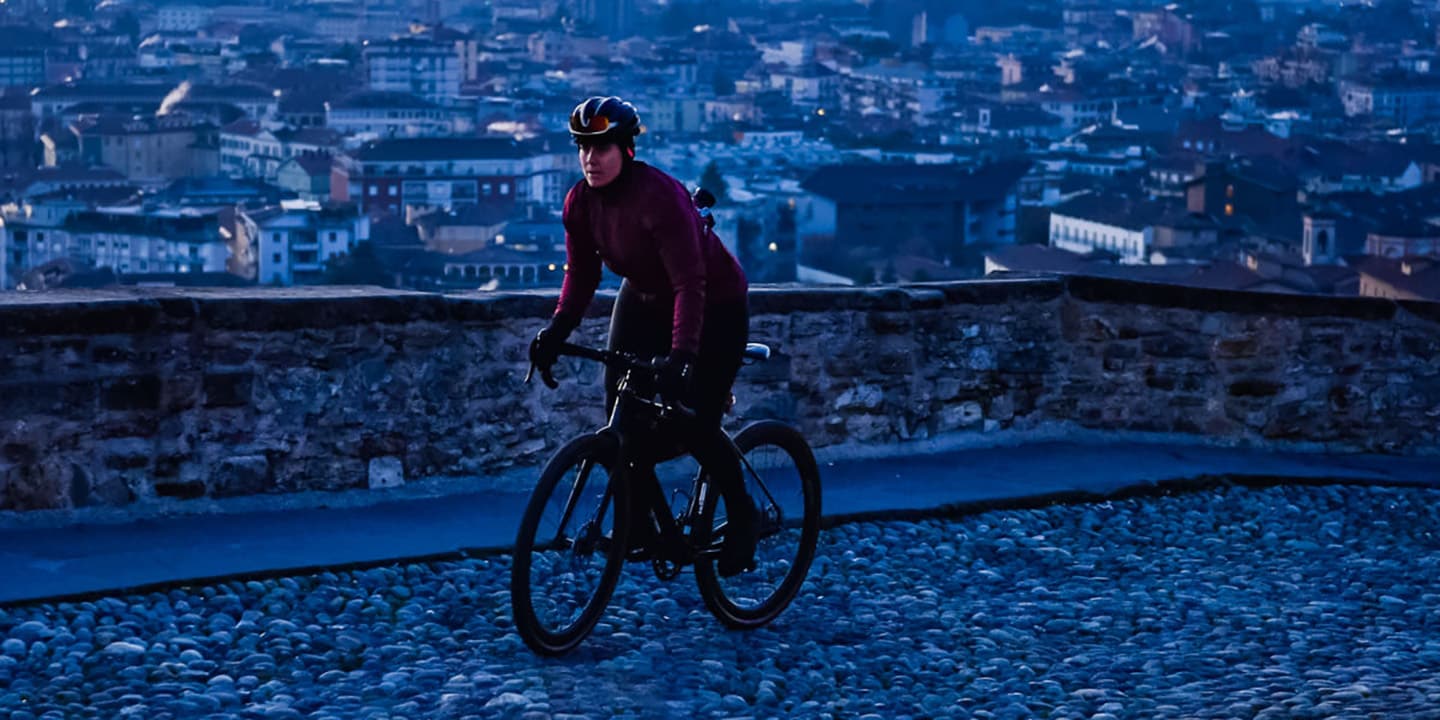
- My First Adventure
- When Shimano Gravel Alliance rider Claudia Gerosa started riding gravel, she discovered more than just her local area.
-
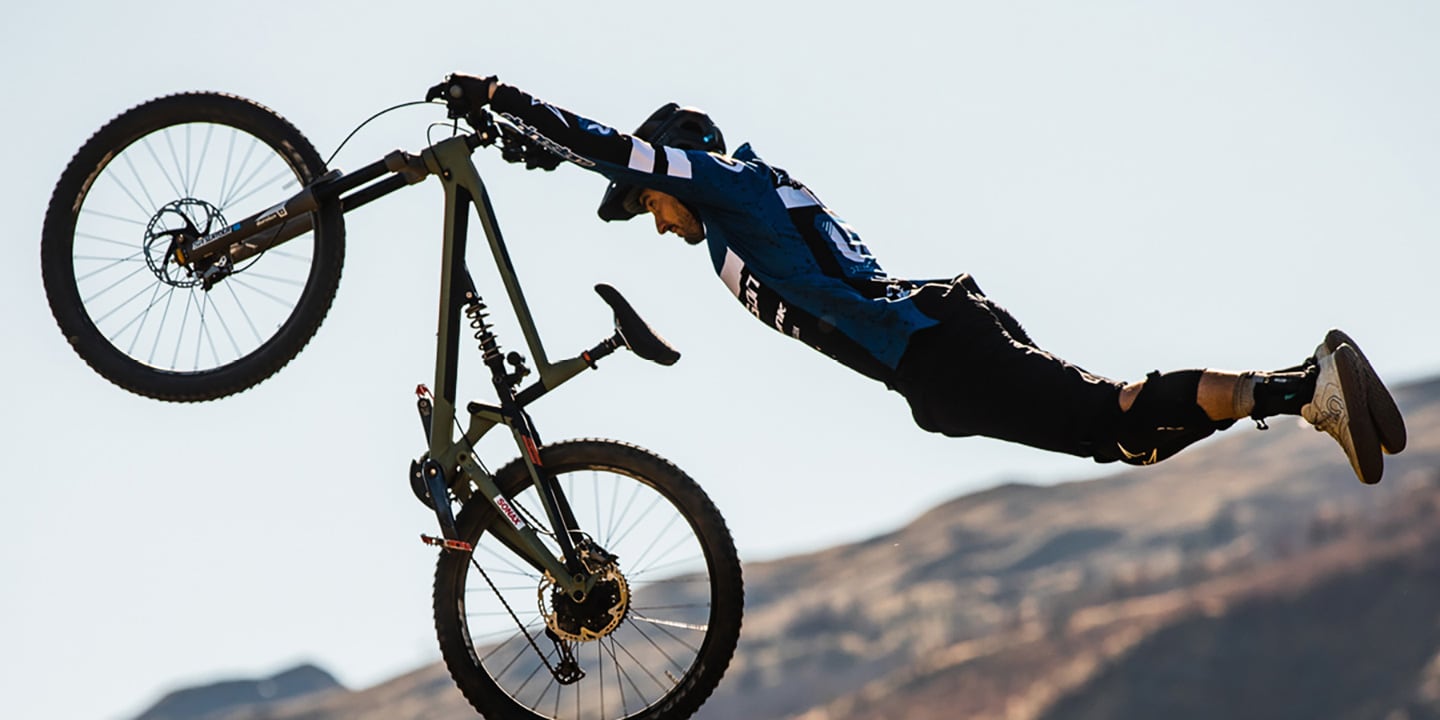
- Behind the scenes at Magic Feeling
- With the release of our video, “Magic Feeling”, we freed our imagination to create something truly special. But unlike magicians, we’re about to tell you exactly how it’s done.
-
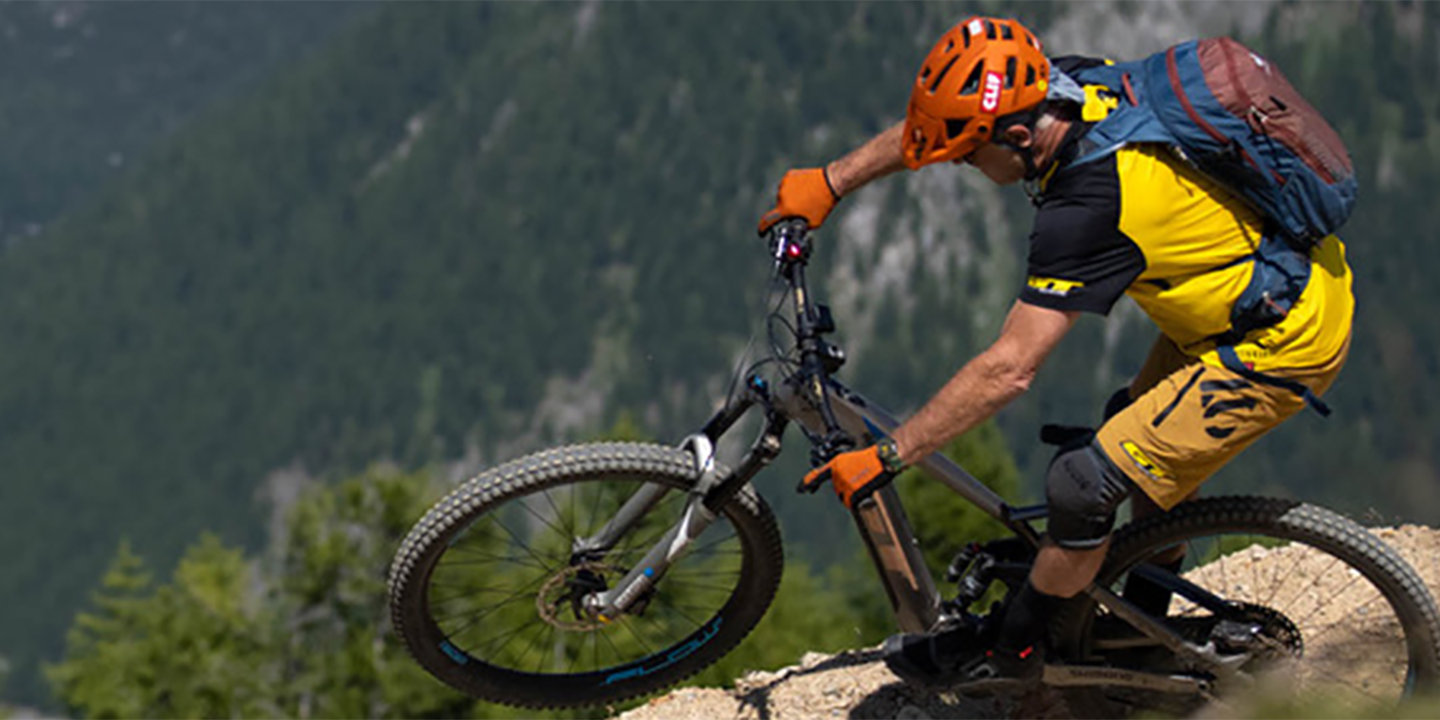
- Time Travel Through the Evolution of MTB
- In nature, evolution is a process that takes hundreds of years, whereas the entire evolution of mountain biking fits within a lifetime.
-
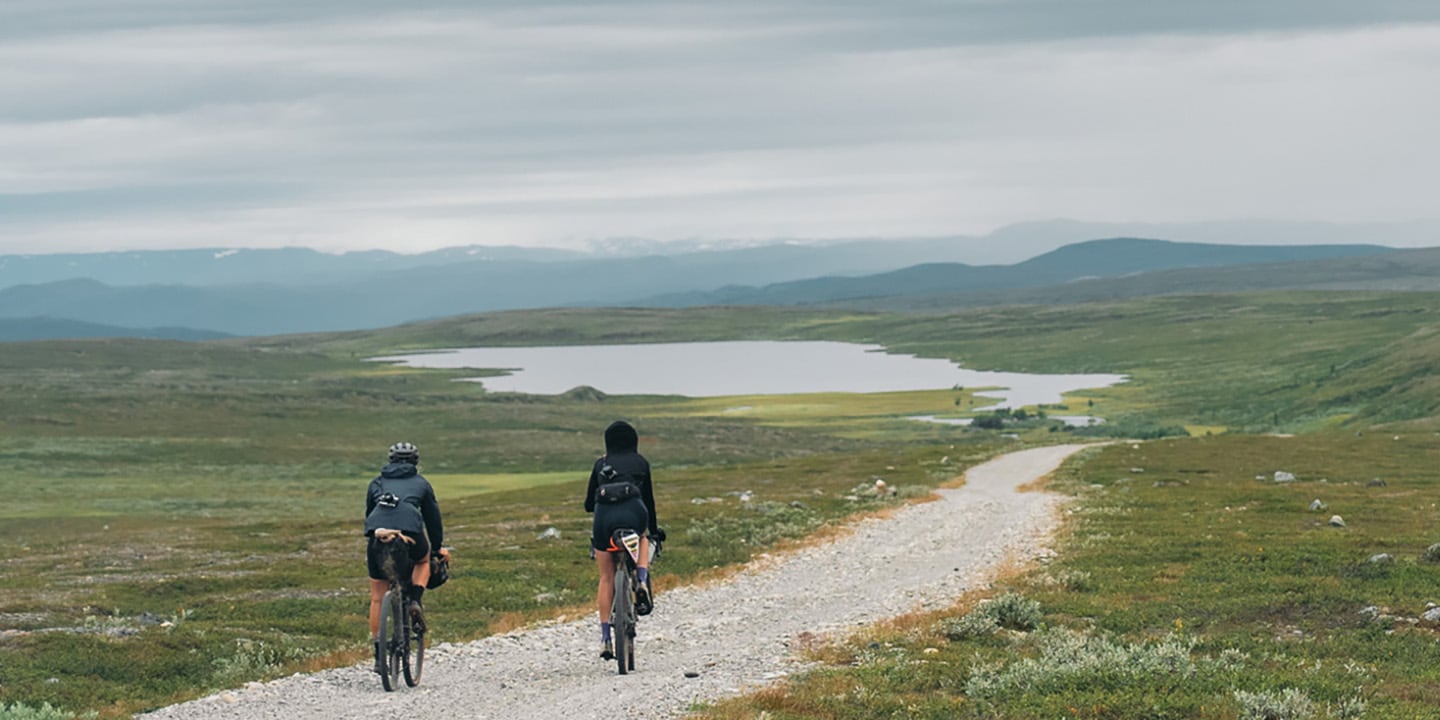
- The Arctic Post Road
- An Arctic adventure with Henna Palosaari.
-
- Roads to Ride: The crosswind conundrum
- Crosswinds can break up a whole peloton and a well-drilled team within seconds.
-
- Chris Hall rides 7 Everests
- Chris Hall is no stranger to extreme challenges.
-
- Diary of a Rookie
- From rookie bikepacker to 500 km in eight days.
-
- Should you ride an ultra?
- To ultra or not – Lessons from an experienced beginner.
-
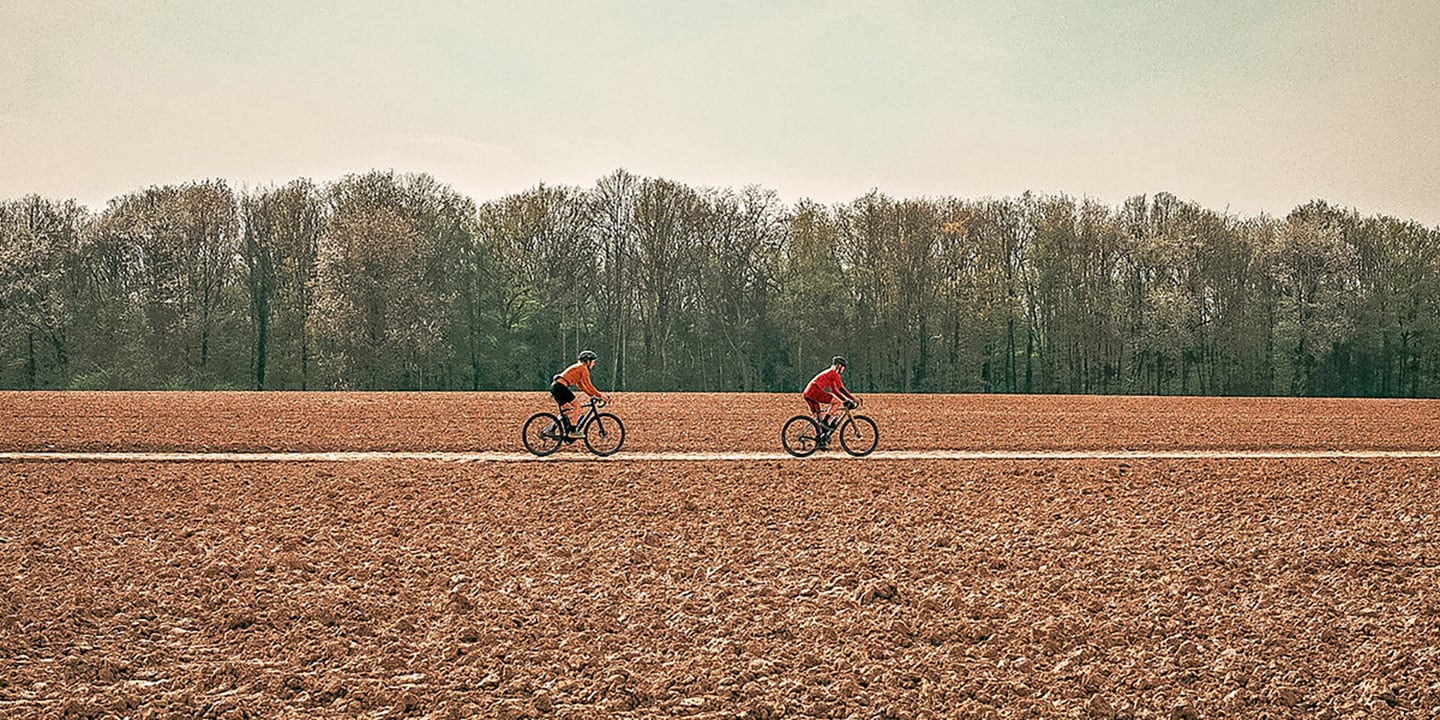
- REBOUND: Relive a Remarkable Ride
- REBOUND inspired more than 300,000 riders around the world to ride a whopping 4,789,142 miles collectively.
-
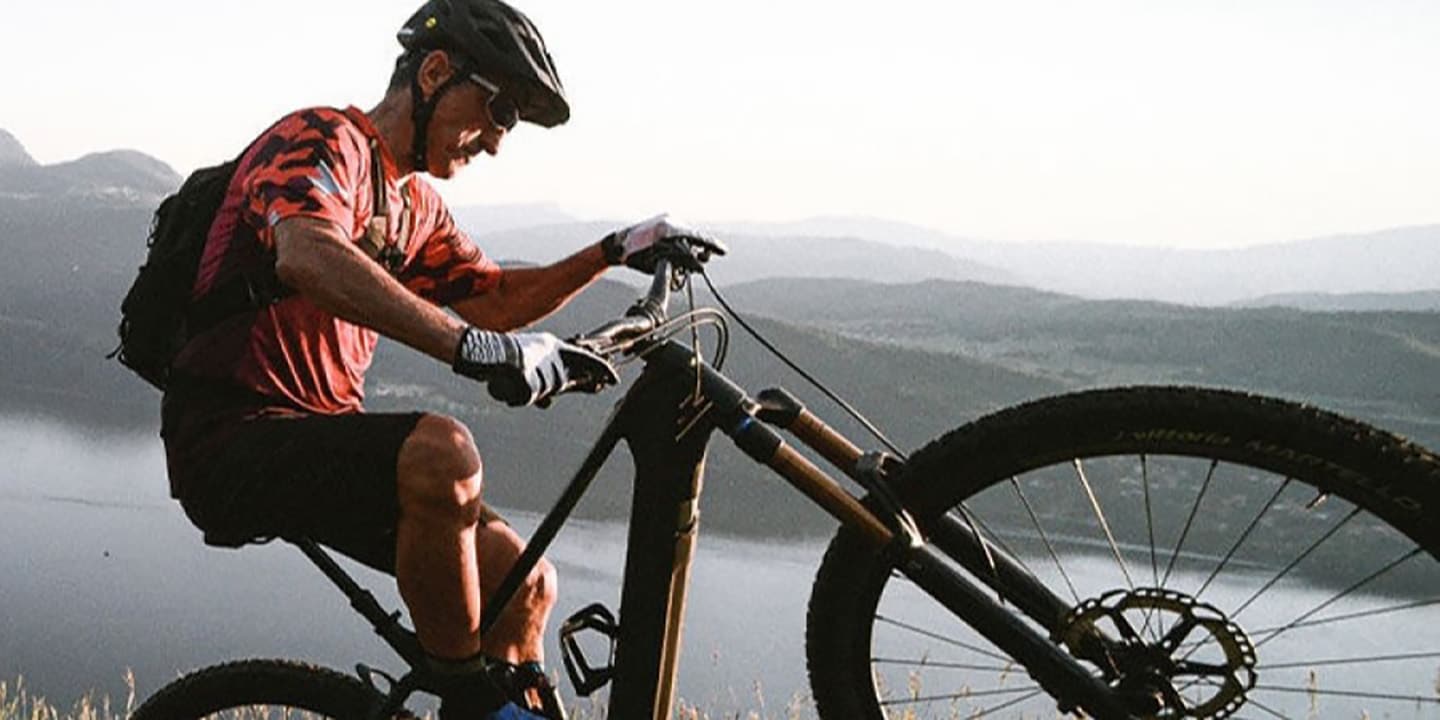
- Passing The Baton
- As we get older, we will one day face the realization we do not have the strength and stamina we once had.
-
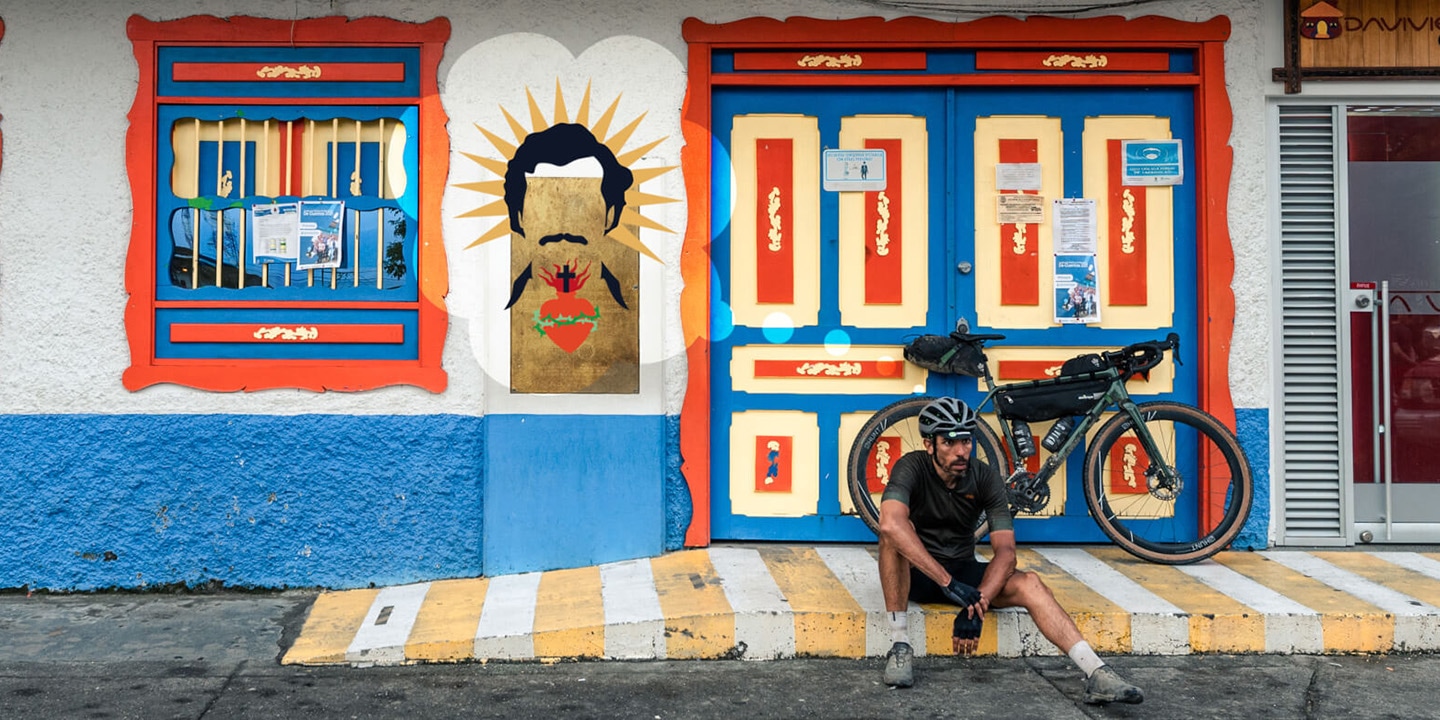
- Getting high in Colombia
- Sofiane sat down to digest this Colombian climbing frenzy. Here’s his story.
-
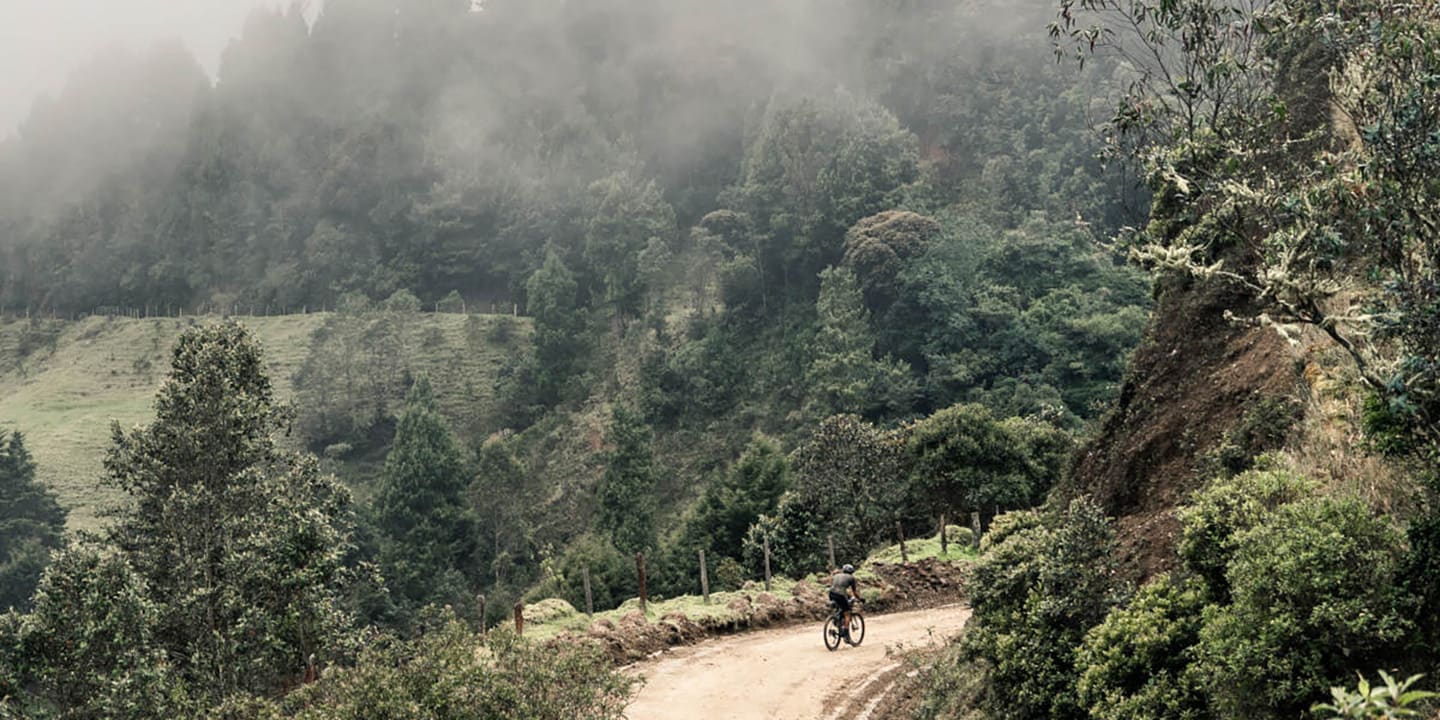
- How to Ride High Altitude Gravel
- High altitude gravel riding with Sofiane Sehili, featuring expert advice from sports scientist and WorldTour trainer Elliot Lipski.
-
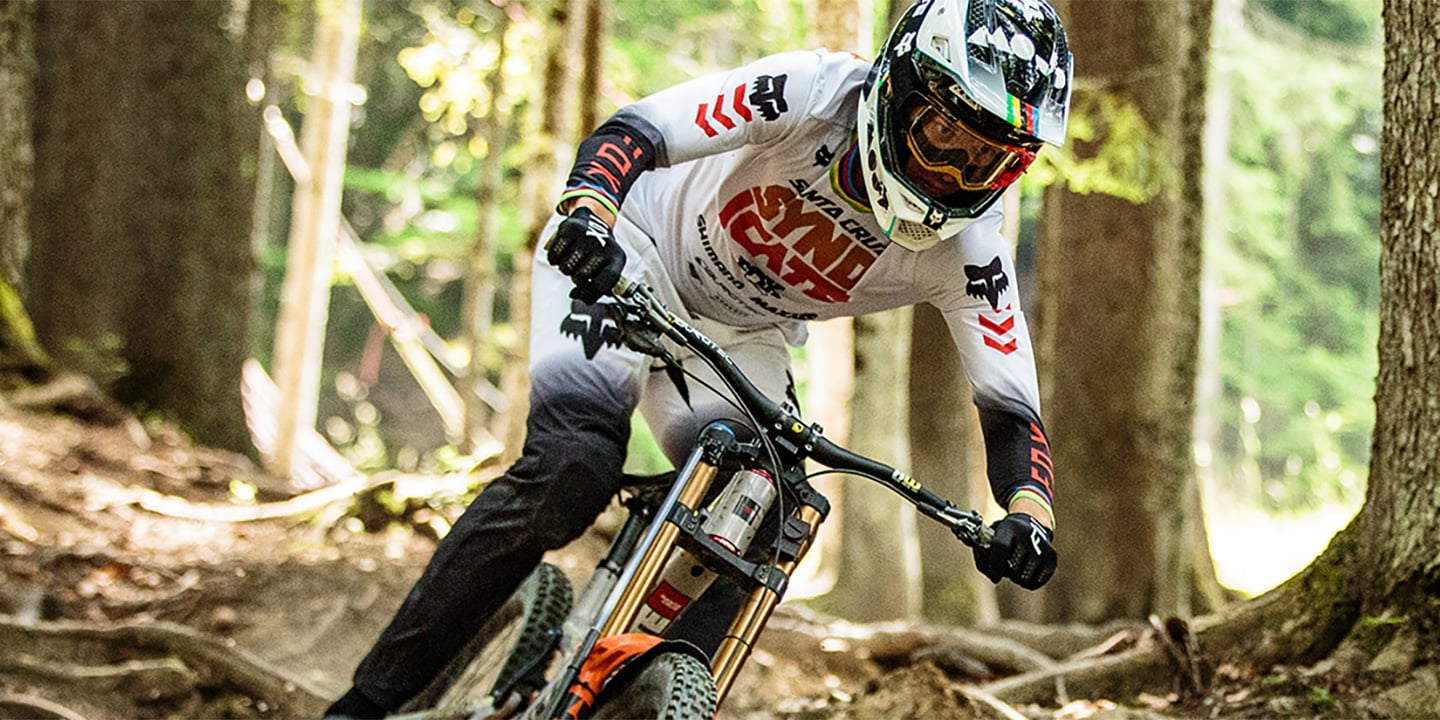
- Off the Clock: Greg Minnaar
- Greg heads back to the Alps at the Santa Cruz Syndicate headquarters to fine tune the bike, body, and mind for the remainder of the UCI Downhill World Cup.
-
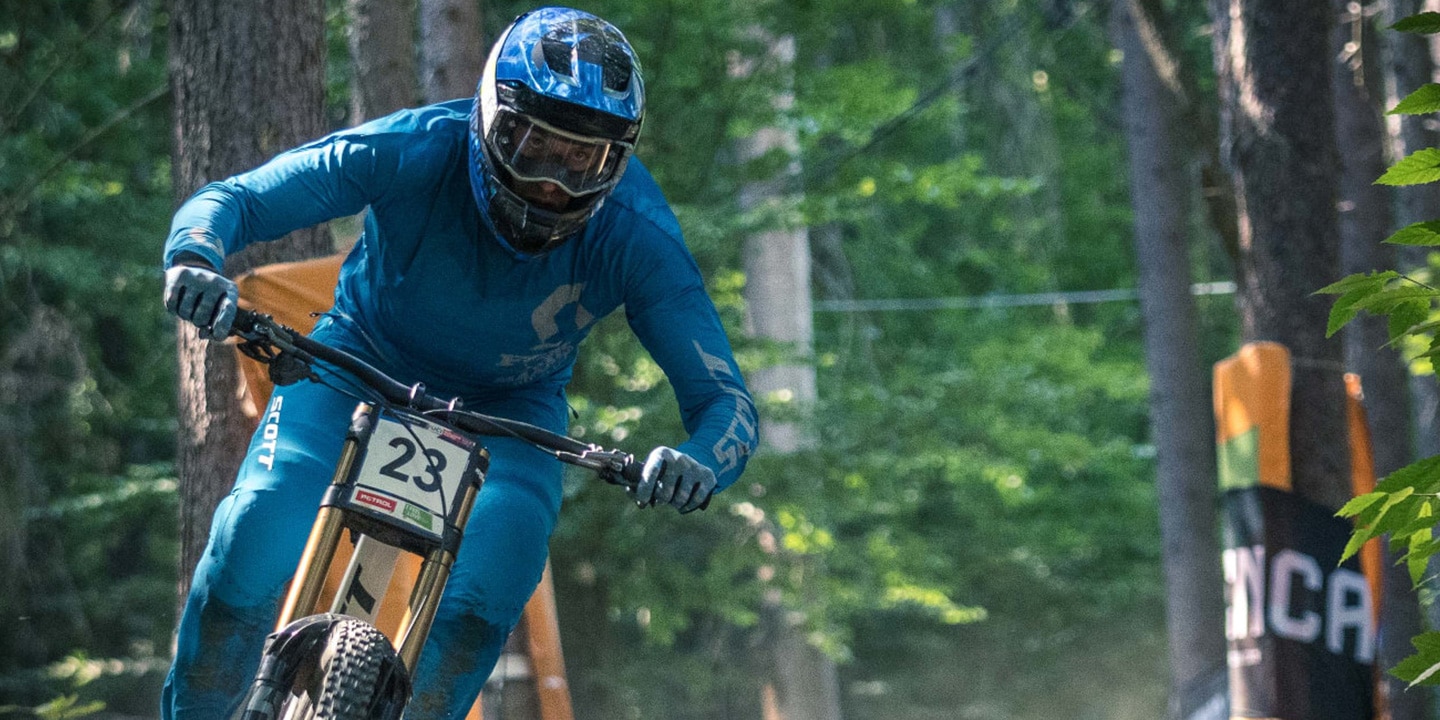
- All Access - Dean Lucas
- ALL ACCESS takes you behind the scenes, inside the tape, through the pits, on the massage table and under the bonnet of the biggest races of the year.
-
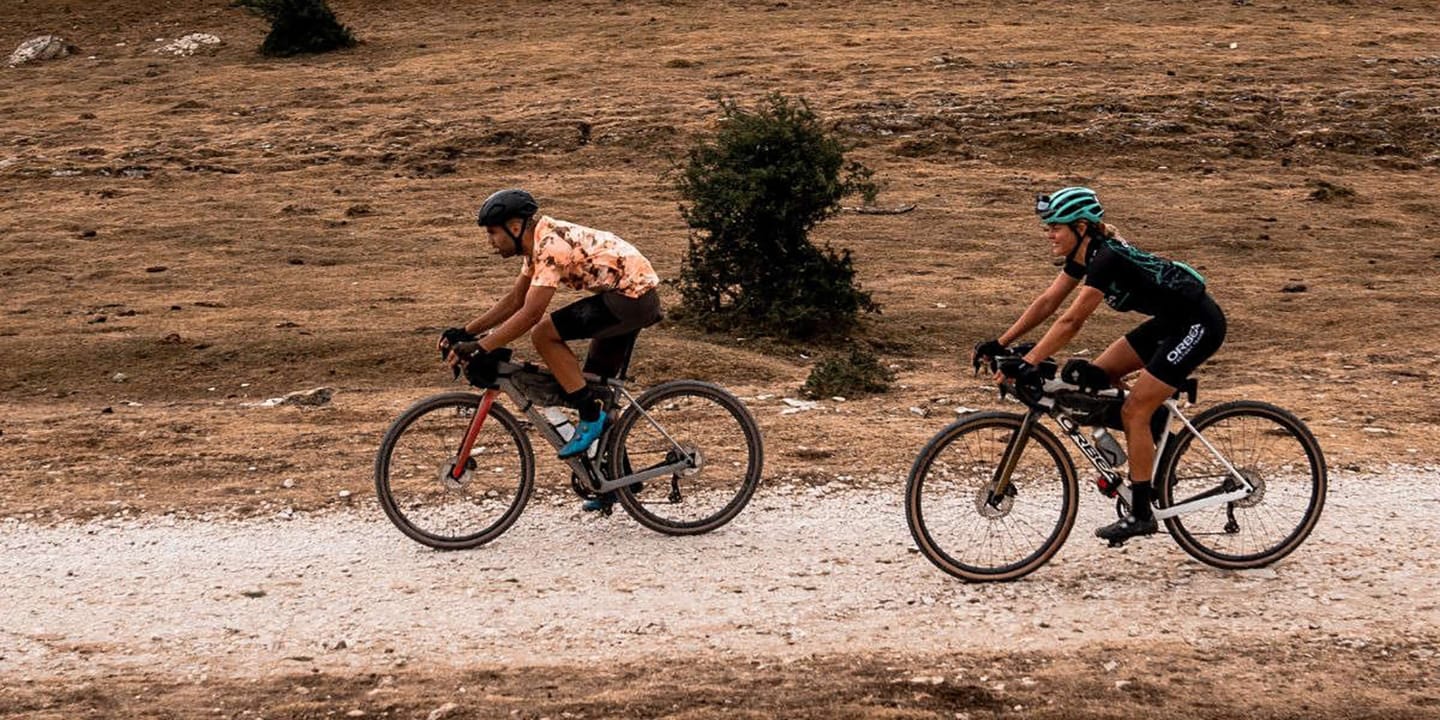
- Gravel Events Explained
- When it comes to competing on gravel, pinning on a number doesn’t mean you need a ruthless will to win.
-
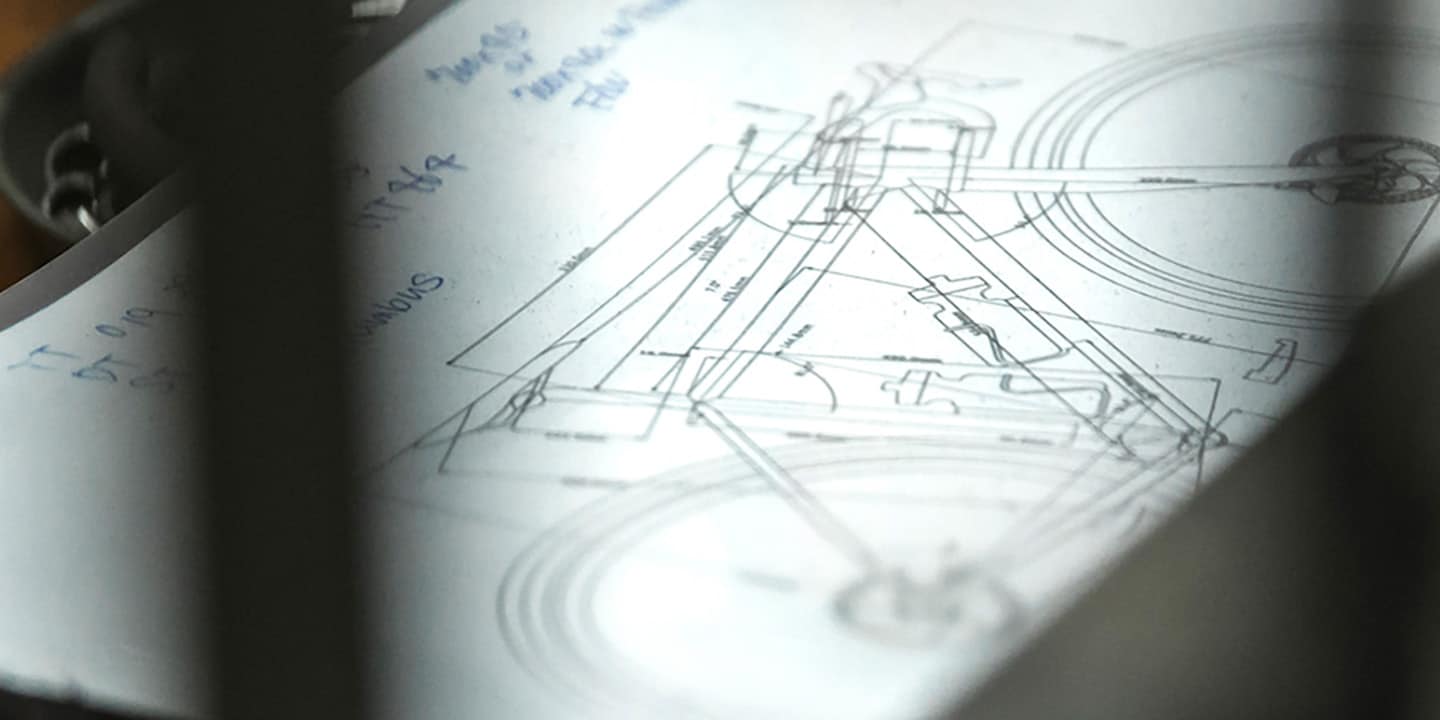
- MADE IN: Sakai City
- Inspired by his artist friends, Soukawa infuses new meaning into gravel cycling and celebrates how locally produced frames can be customized for the local needs.
-
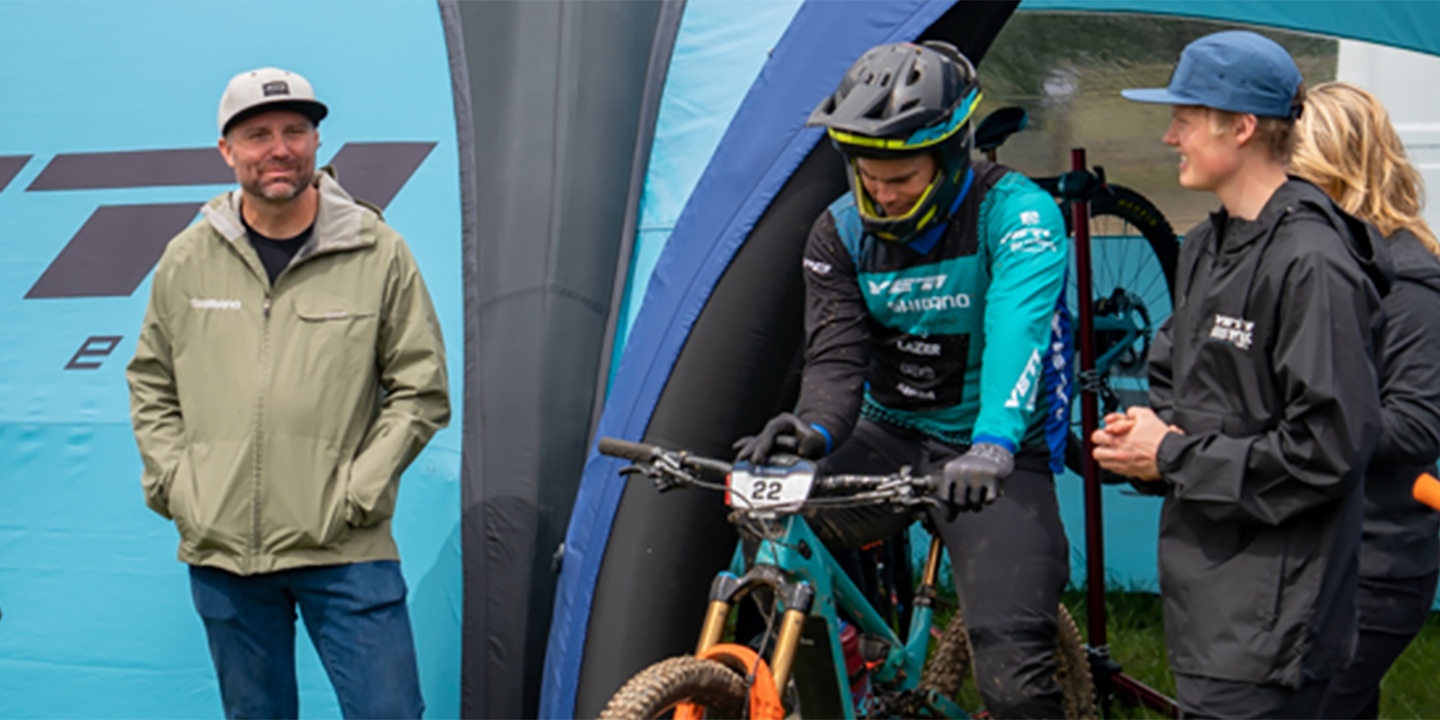
- The Yeti Shimano EP Racing Development Story - Trailer
- Check out the video teaser for the upcoming four-part series that follows the team’s development story and all the highs and lows of the 2022 season.
-
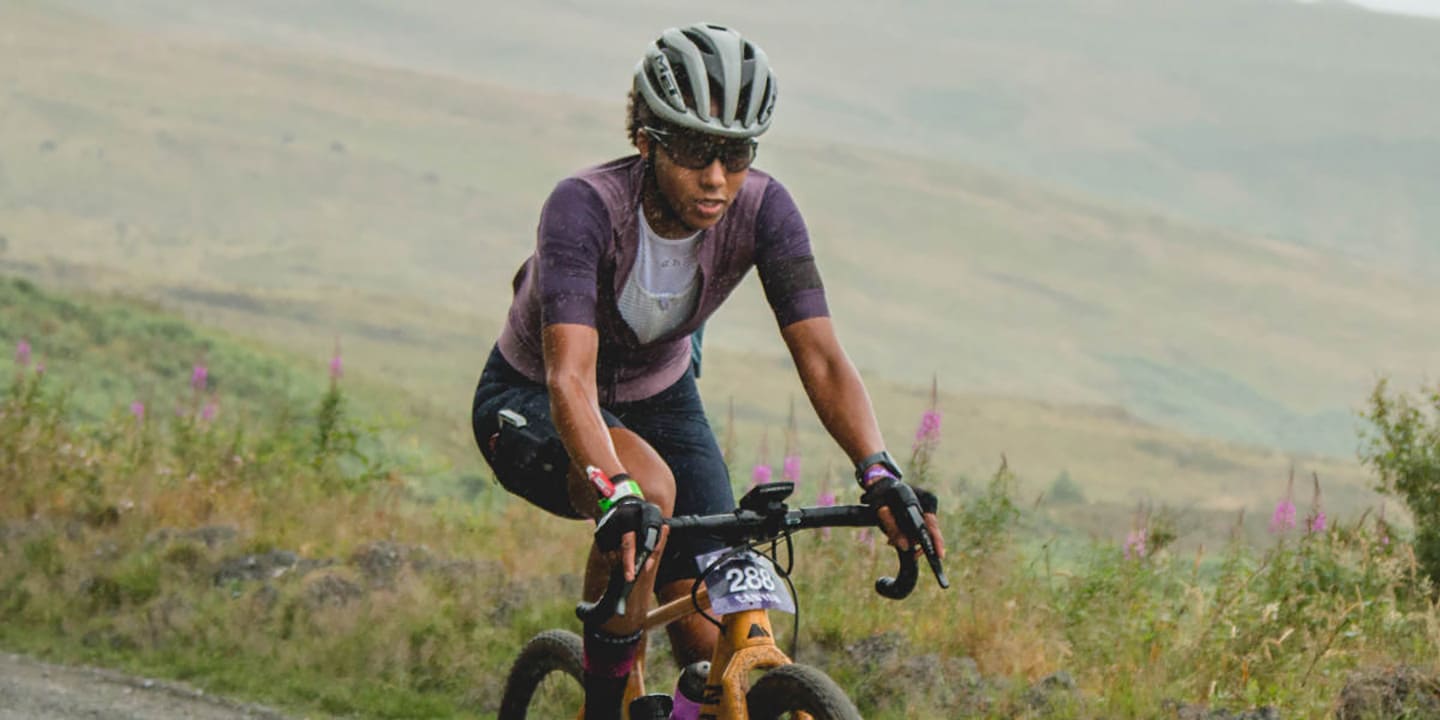
- Gravel Racing of the One-Day Sort
- We checked in with SHIMANO Gravel Alliance rider Dalila Lecky for her top tips for getting stuck into the UK gravel race scene.
-

- Alex Fayolle returns to Lourdes
- This year, the Mercedes-Benz UCI MTB World Cup returns to Lourdes for the first time since 2017.
-
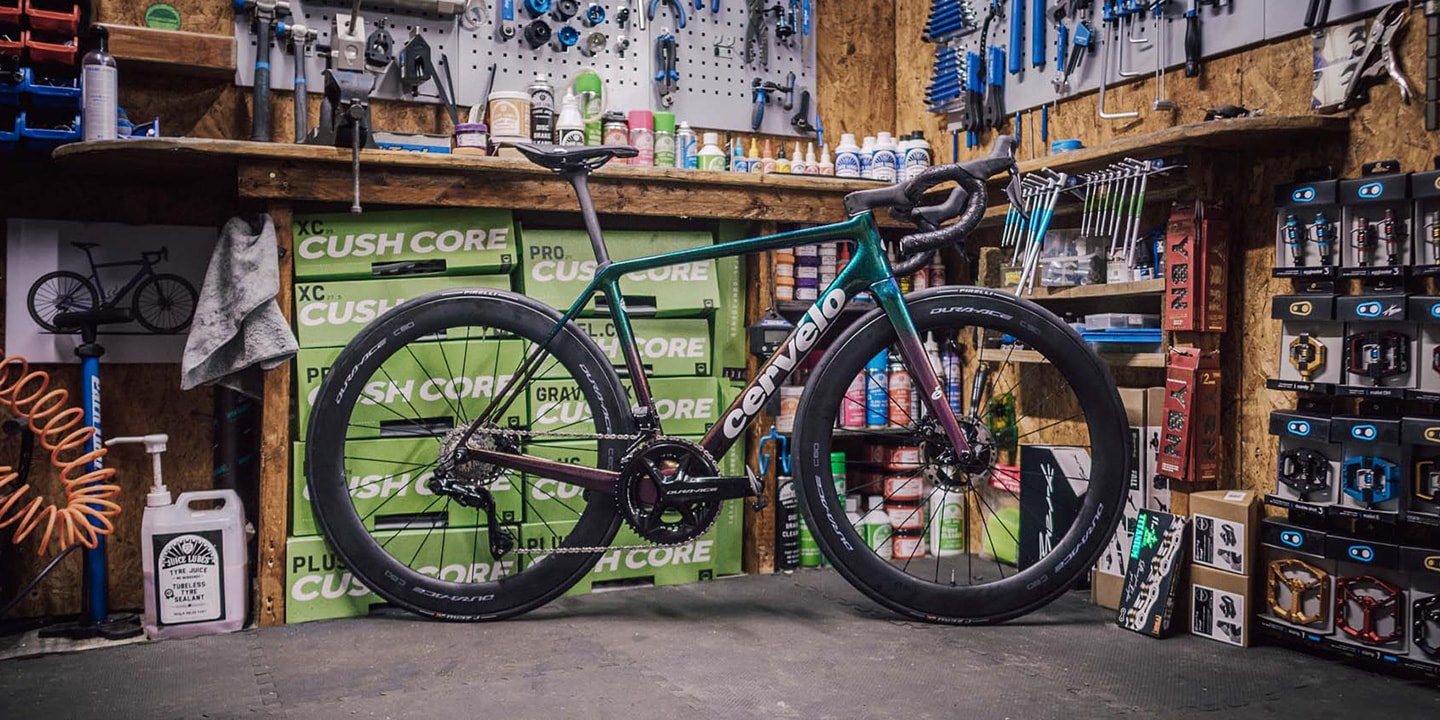
- Dream Build Cervelo R5
- Bikes in a catalogue or in a showroom are one thing, but when you really get under the hood, you see where the magic lies.
-
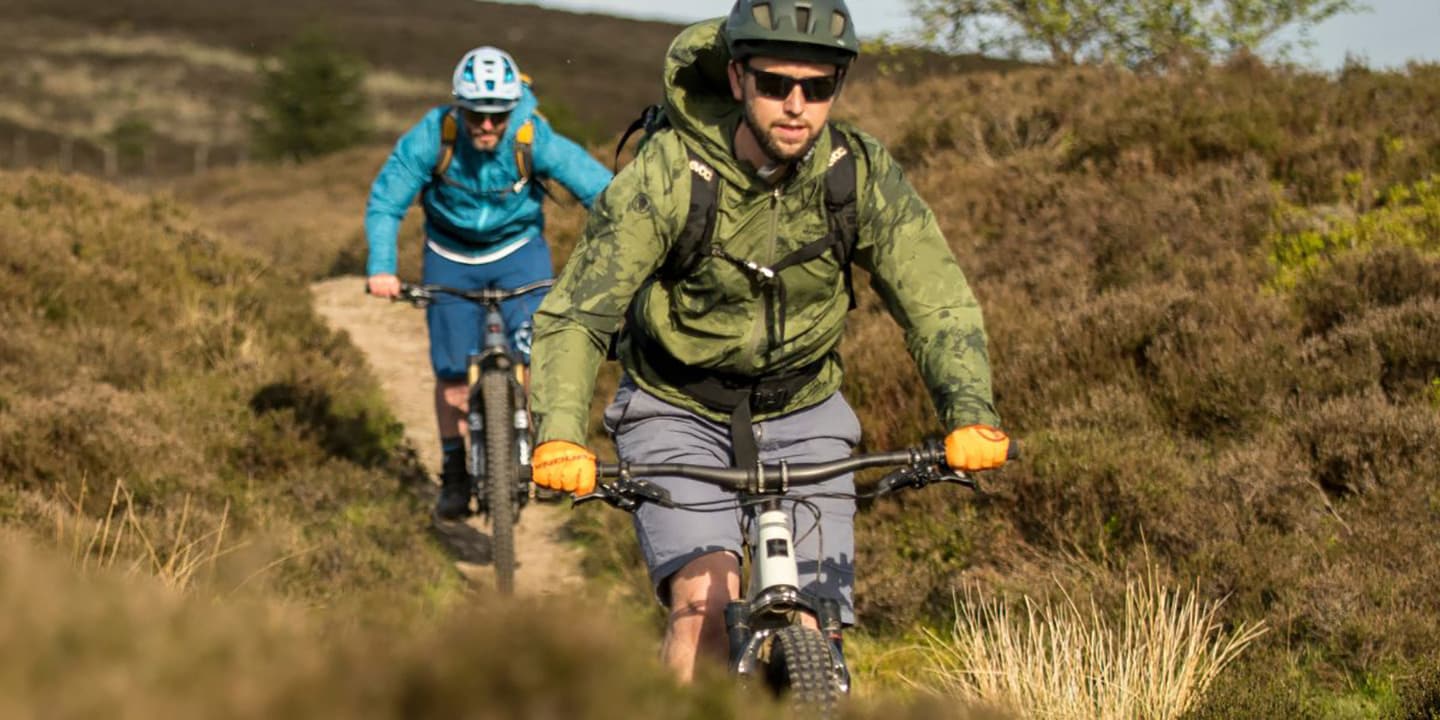
- Evolution Stories Episode 2: MS Makes Me
- In Evolution Stories Episode 2, ‘MS Makes Me’, Andy McKenna explores the Tweed Valley with first-time mountain biker Jonny White – cyclist, husband, father, doctor and fellow MSer.
-
- When Every Minute Not On The Trails Is A Minute Wasted
- The trails are calling. And for Camille, it’s impossible to ignore that call.
-
- Behind the scenes with Team Yeti at the EWS-E
- Build the anticipation by watching our behind-the-scenes film from Team Yeti preparing for their first ride on the EP8-equipped Yeti 160E last season in Crans-Montana.
-
- Three Peaks with Rob Warner
- Rob Warner reveals the ups and downs of his career and how e-MTBs have changed his life.
-
- The Art of MTB: Utah
- In the third episode of The Art of MTB, we follow photographer JB Liautard and MTB-pro Thomas Genon as they load their red pickup truck with Canyon MTBs and head for Utah’s vast expanse of winding gorges and plateaus.
-

- LandoSteezy
- Leo—known to his thousands of Instagram followers as @Landosteezy—is a self-proclaimed helper of the people.
-
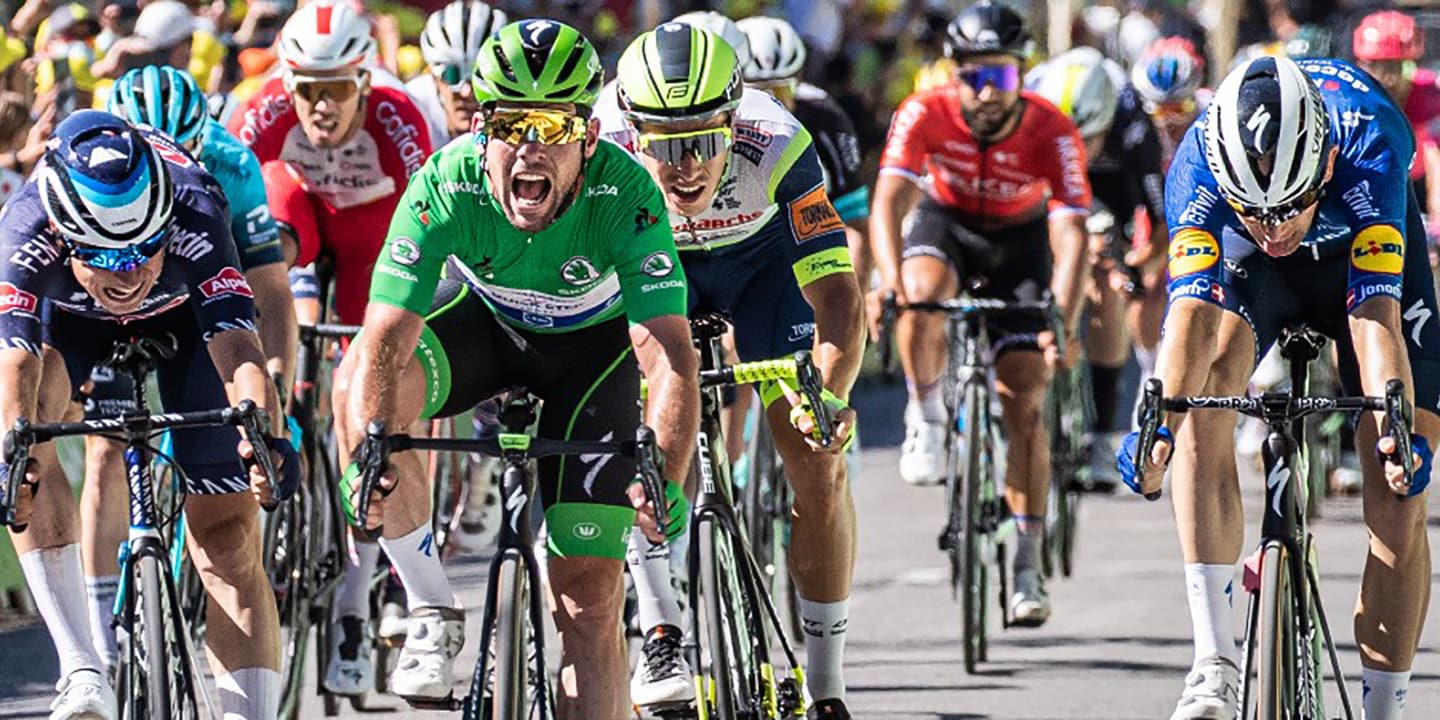
- Mark de Triomphe
- A salute to the green jersey winner.
-
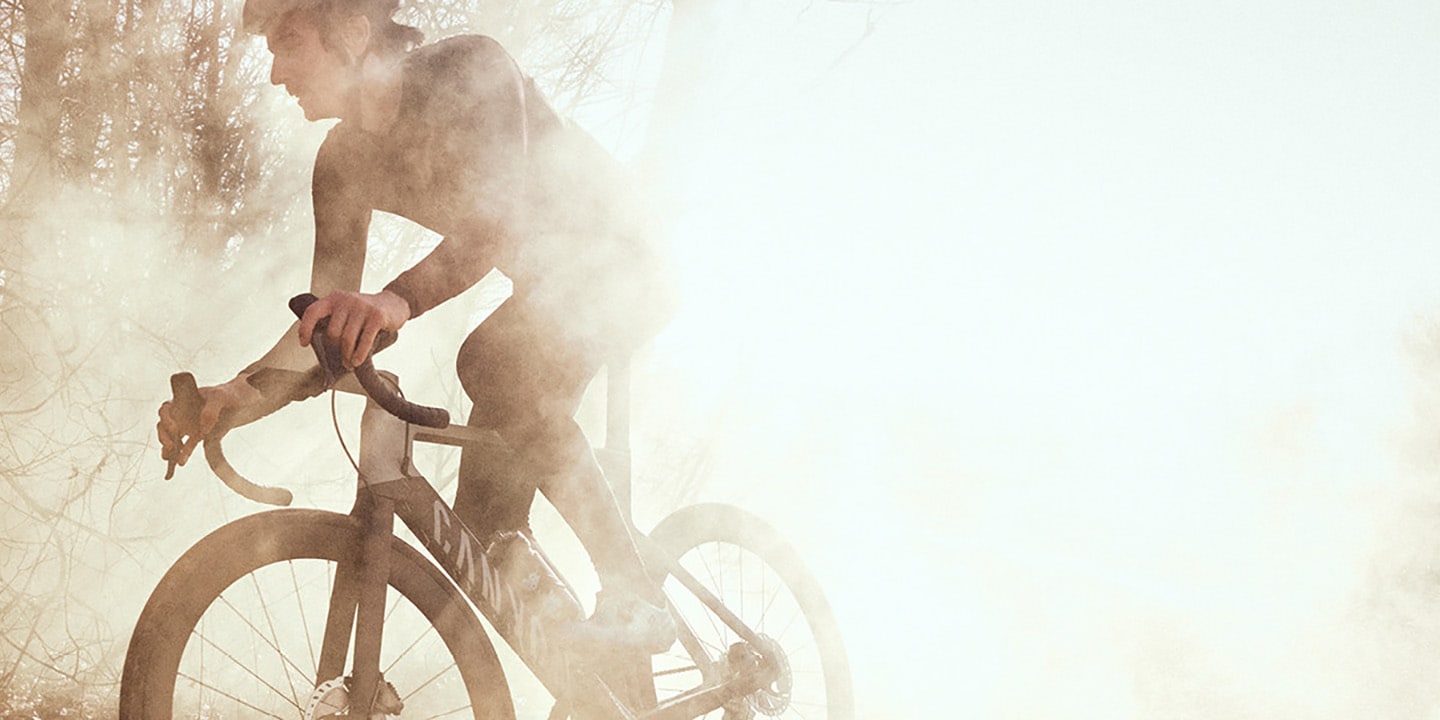
- Roads to Ride: The White Roads of Tuscany
- At Strade Bianche, there’s magic in the air along with the dust.
-
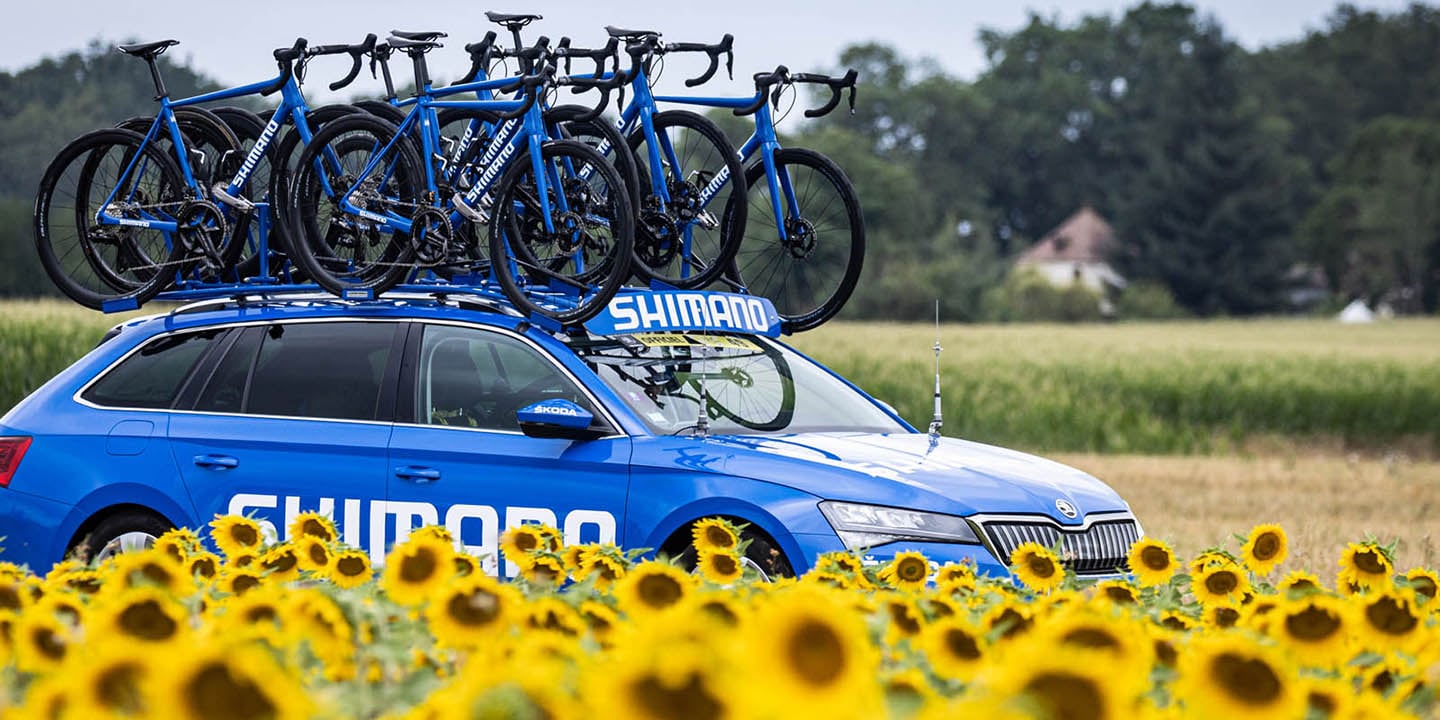
- Shimano Builds Toward the Tour de France
- The sweat, toil, and thrill of the Tour de France is just around the corner.
-
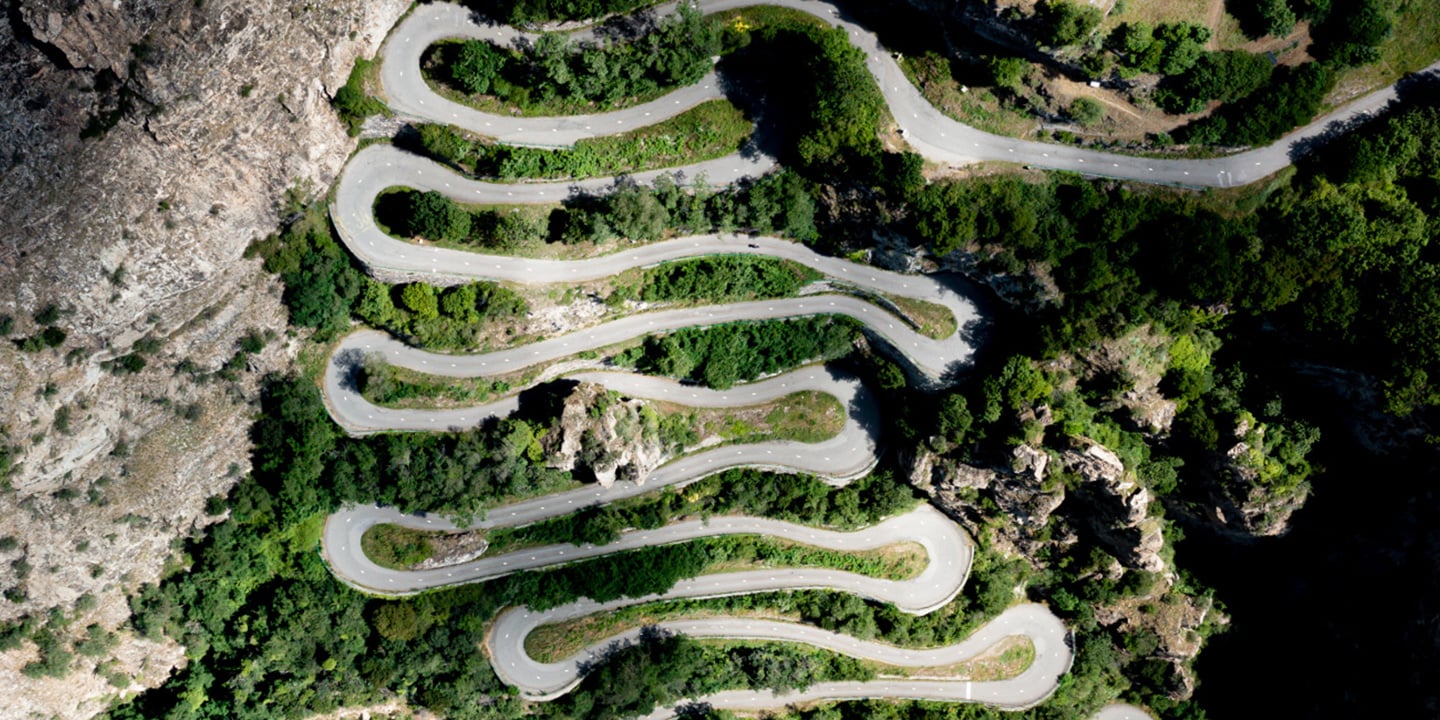
- Les Lacets de Montvernier
- Les Lacets de Montvernier (the shoelaces of Montvernier) is situated in the heart of the Maurienne valley, which undoubtedly is one of the most famous and renowned areas in the world to cycle.
-
- The Key to Epic Route Building
- Designing multi-day bike routes that prioritise fun.
-
- How to prepare for the mountains
- Looking to tackle some climbs with your road bike? Learn exactly how to prepare for the mountains with these practical tips from Shimano-supported rider Nikky Alberts.
-
- Roads to Ride: Steep Steeper Steepest
- We join Sophie Moser on a ride on the Julier Pass to learn more about our fascination with the gravity-defying act of cycling in the mountains – and why we keep coming back for more.
-
- Shimano Human Science: A home away from home
- Every cycling fan knows the blue Shimano Neutral Service cars and motorbikes that offer assistance to riders from any team, in any situation – no matter their kit.
-
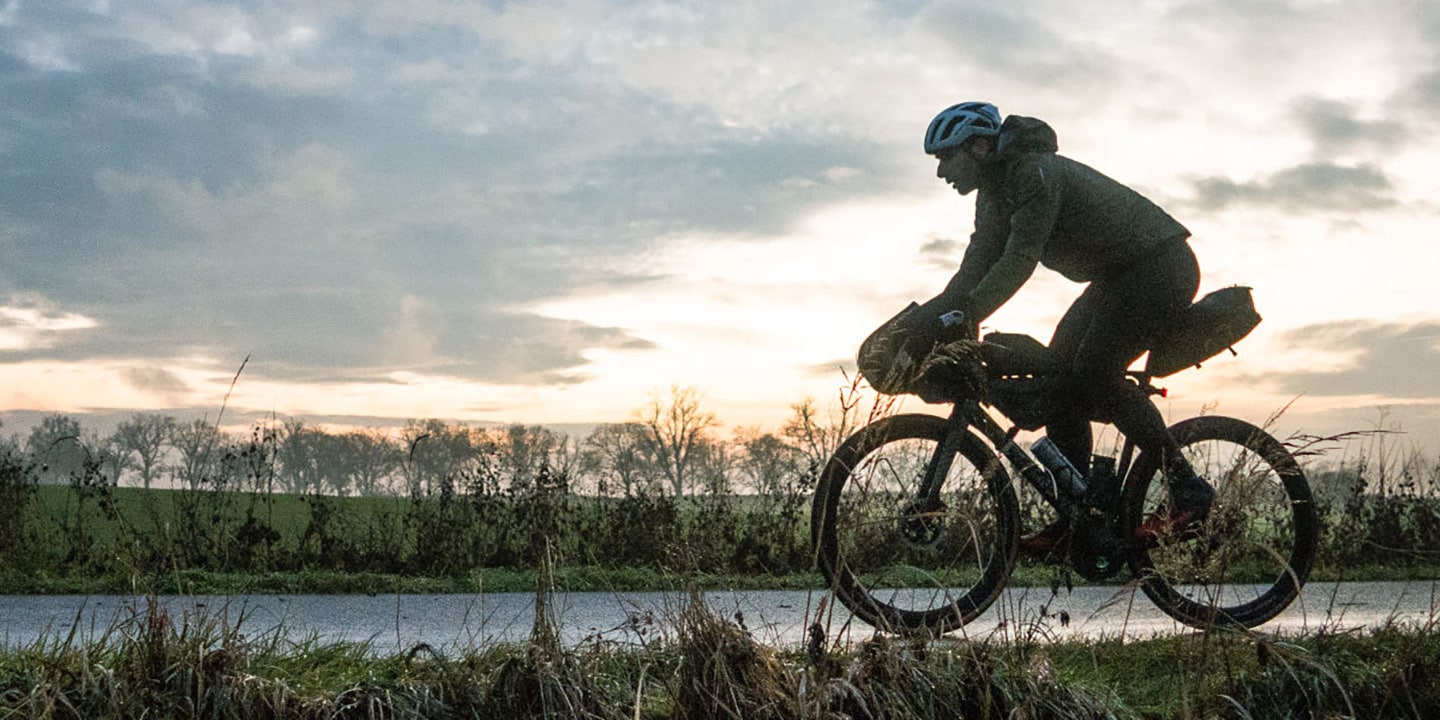
- Shimano Winter Warriors: Grit and gears
- Mark Beaumont and Markus Stitz cycle 1064km from Oslo to Berlin in three days.
-

- Differences Between DEORE and SLX
- An important question for any MTB rider out there: Should you ride SLX or DEORE? Let's dive into the key differences and common features of these hallmark MTB groupsets.
-
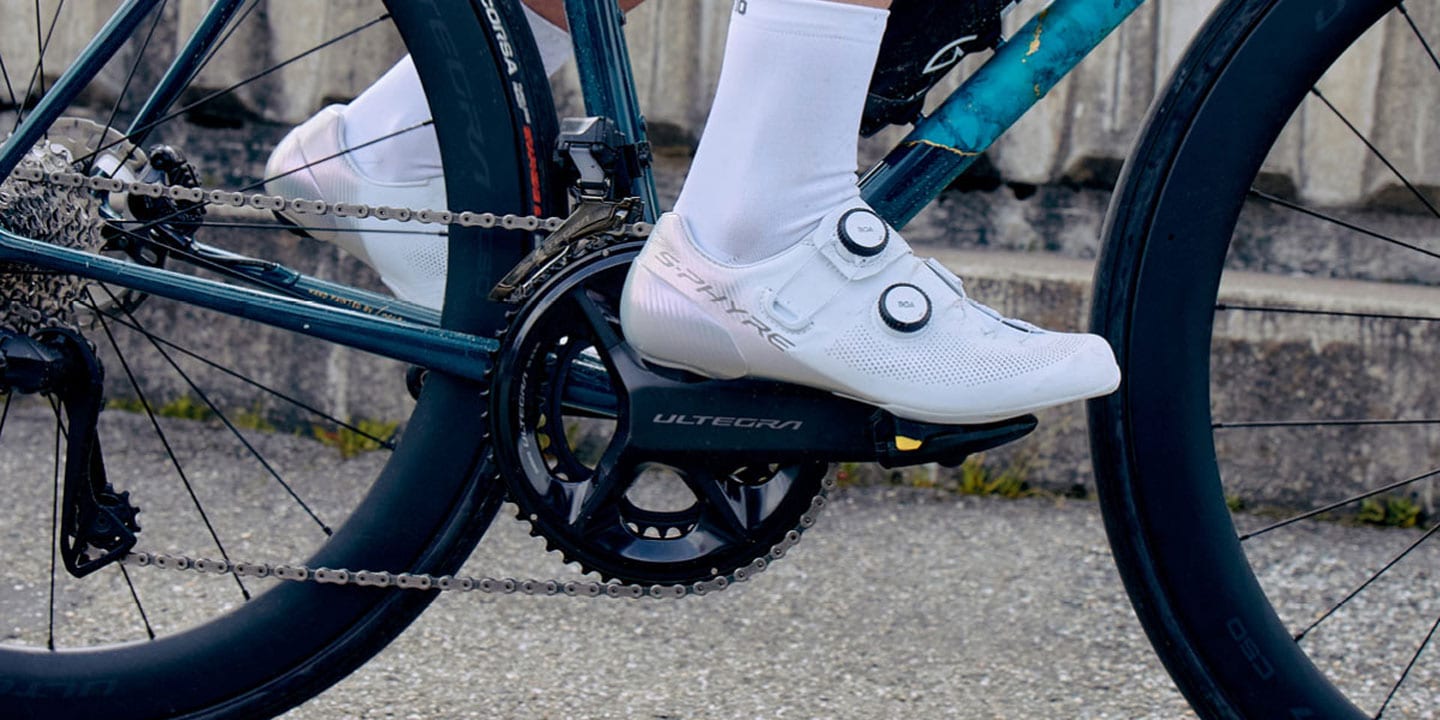
- The Ultimate ULTEGRA Explainer
- Everything you need to know about our premium road groupset: ULTEGRA
-
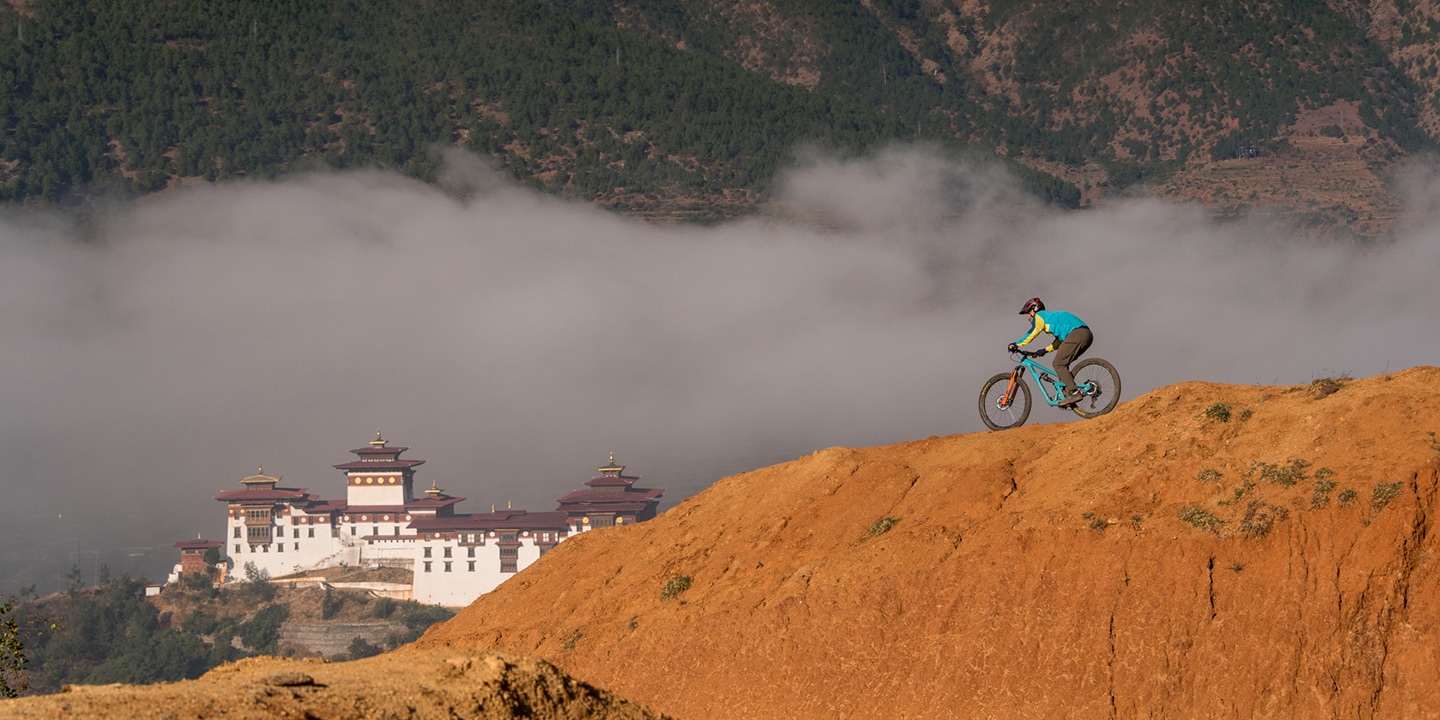
- Four Friends - The Birth of Women's MTB in Bhutan
- Julie Cornelius has been helping women around the world discover the power of mountain biking for decades, but her first visit to the Kingdom of Bhutan was a unique lesson in the power of friendship.
-
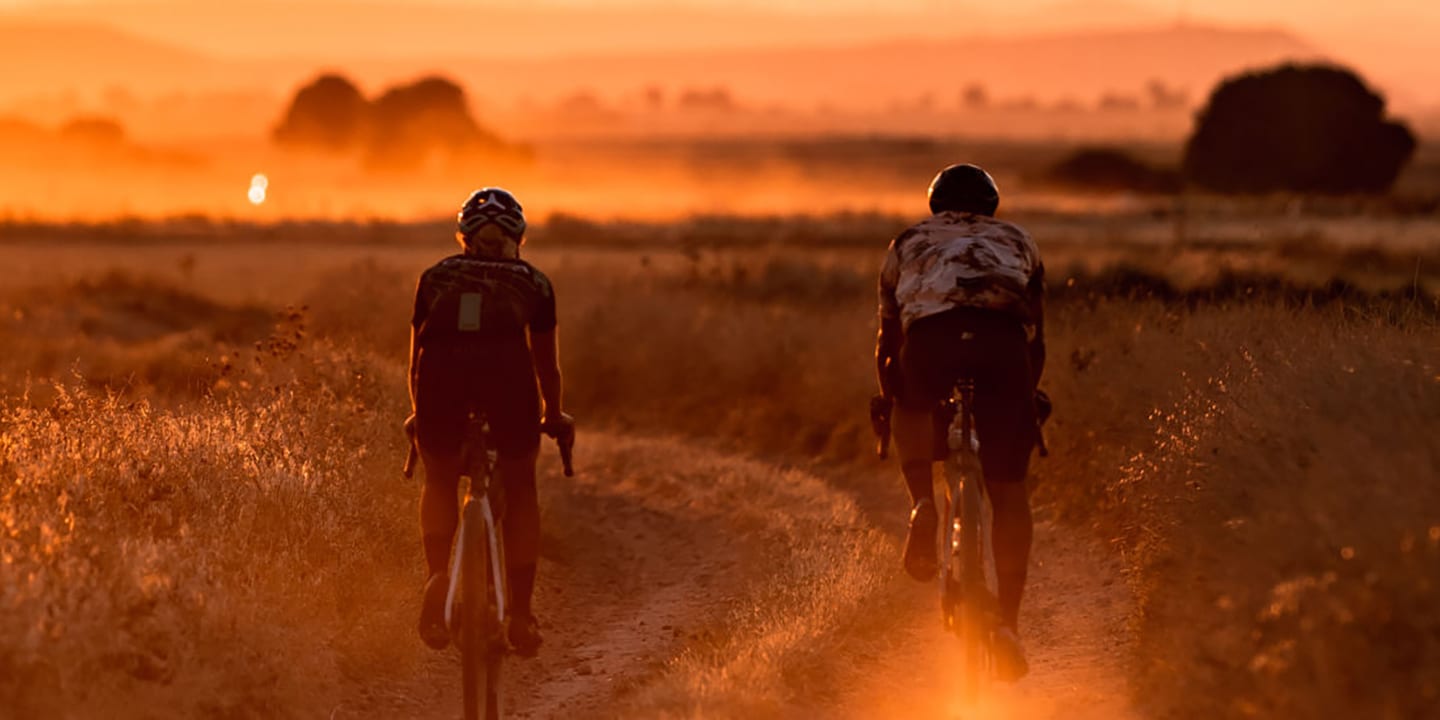
- Basajaun - Expect the unexpected
- Basajaun is, as you’d expect for something named after the mythical guardian of the Basque Country’s most remote forests, a 760 km gravel race that’s chock-a-block with challenges.
-
- Shimano Against the Tampering With E-bikes
- Shimano speaks out against any kind of manipulation of e-bikes and e-bike drive systems, e.g., to increase the performance or the maximum supported speed.
-
- This is Home - Laurie Greenland
- Growing up, Laurie Greenland could see Bristol’s St. George Skatepark from his bedroom window.
-

- Leave Time Behind: Shimano ULTEGRA
- It starts with a playful text thread between friends.
-

- Food I Think About When I Think About Cycling
- Place. For Chris Cosentino, celebrated chef and avid cyclist, there are several ways to connect with the Bay Area of California, the place he calls home. At local markets and in the kitchen, Chris explores ways to deepen his relationship with the area’s produce, both vegetable and animal. Likewise, while cycling on some of the world’s finest roads, gravel tracks and mountain bike trails, Chris experiences firsthand the climate that produces these amazing culinary possibilities. Integrating these is the essence of Chris self-expression and exactly what is captured in “Food I Think I About When I Think About Cycling.”
-
- This is Home: Henrique Avancini
- For years, Henrique Avancini has left Brazil behind to travel to races across the world. Competing at the highest level of XC mountain bike racing, his success has grown throughout the years, bringing home a mix of medals and jerseys and making a name for Brazilian mountain biking.
-
- GRIPD – New Shoe Day
- New Shoe Day with Dane Jewett and SHIMANO’s New GRIPD Gravity Shoes
-
- XTR Explained - Braking Control
- Brake Later, Ride Faster - Confidence in Every Turn
-
- Up Close with Puck Pieterse
- A Unique Insight Into a Champion’s Trail to Victory
-
- XTR Explained - Drivetrain Robustness & Survivability
- Real-World Durability for Real-World Riding
-

- Upgrade Your Grip With ULTREAD
- Battered, beaten, and taken for granted, the sole of the MTB shoe is a workhorse that is crucial to the connection between you and your bike. And when it comes to mud wrestling, high-speed descending, powering up rocky climbs, and high-altitude walkabouts, the sole of your shoe can make all the difference for better control and more comfort both on and off the bike.
-
- SHIMANO 105: All You Need to Nnow
-
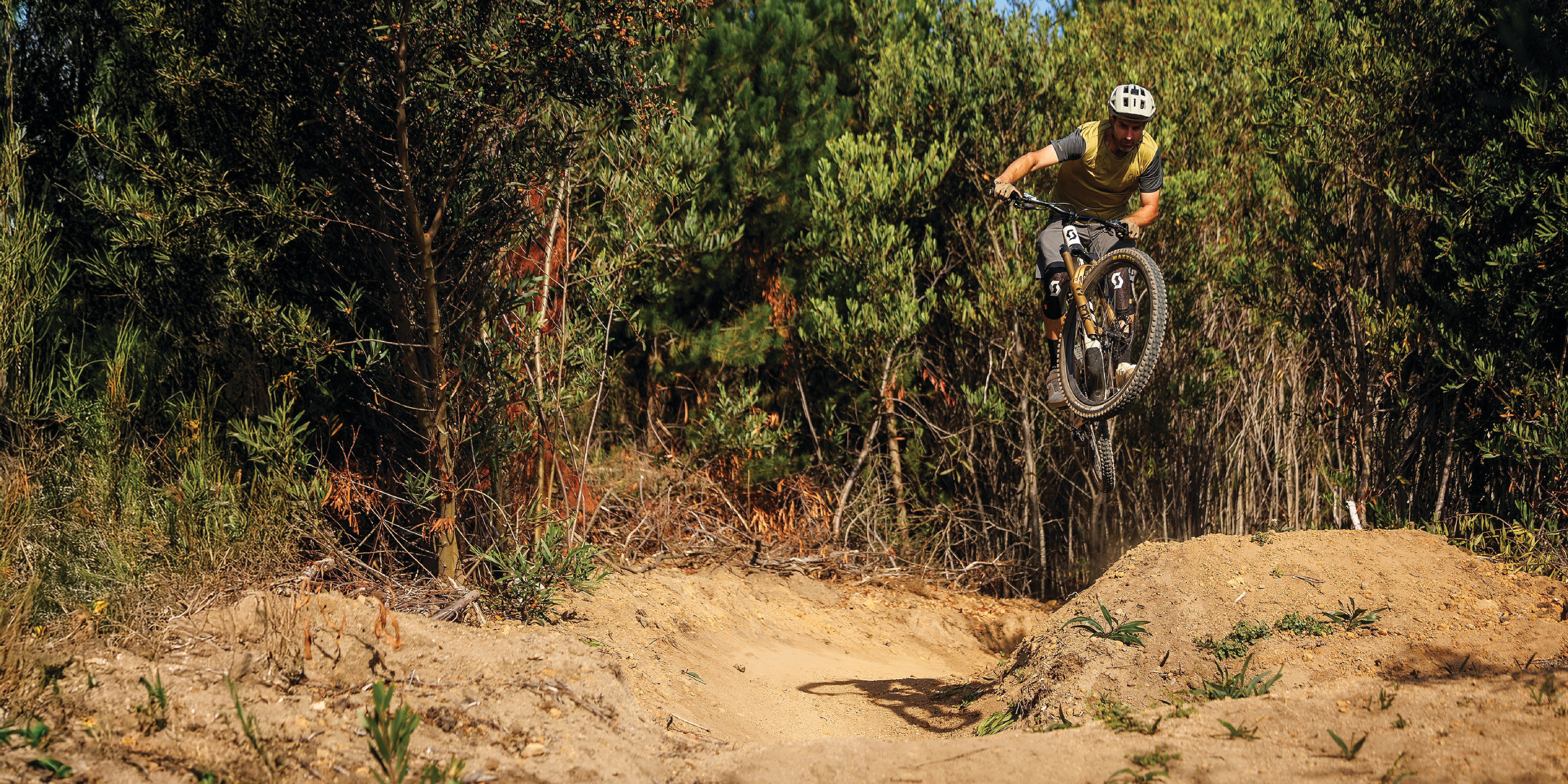
- Helderberg Farm: A New Trail Born Initiative
- Shimano Ambassador Andrew Neethling helped design the new Trail Born-supported trail: NEEDles for Speed at Helderberg MTB Farm in Somerset West, South Africa.
-
- Your Ultimate Preparation Guide for REBOUND
- Prepare for REBOUND with our ultimate guide! Explore bike selection, gear tips, nutrition strategies, and mental prep to elevate your gravel cycling experience!
-
- Ready to Ride the Revolution With SHIMANO Ep8?
- There’s an e-bike revolution going down and we’ve raised the e-MTB benchmark. Through evolution, we introduce EP8. The game-changing drive unit riders have been waiting for.
-
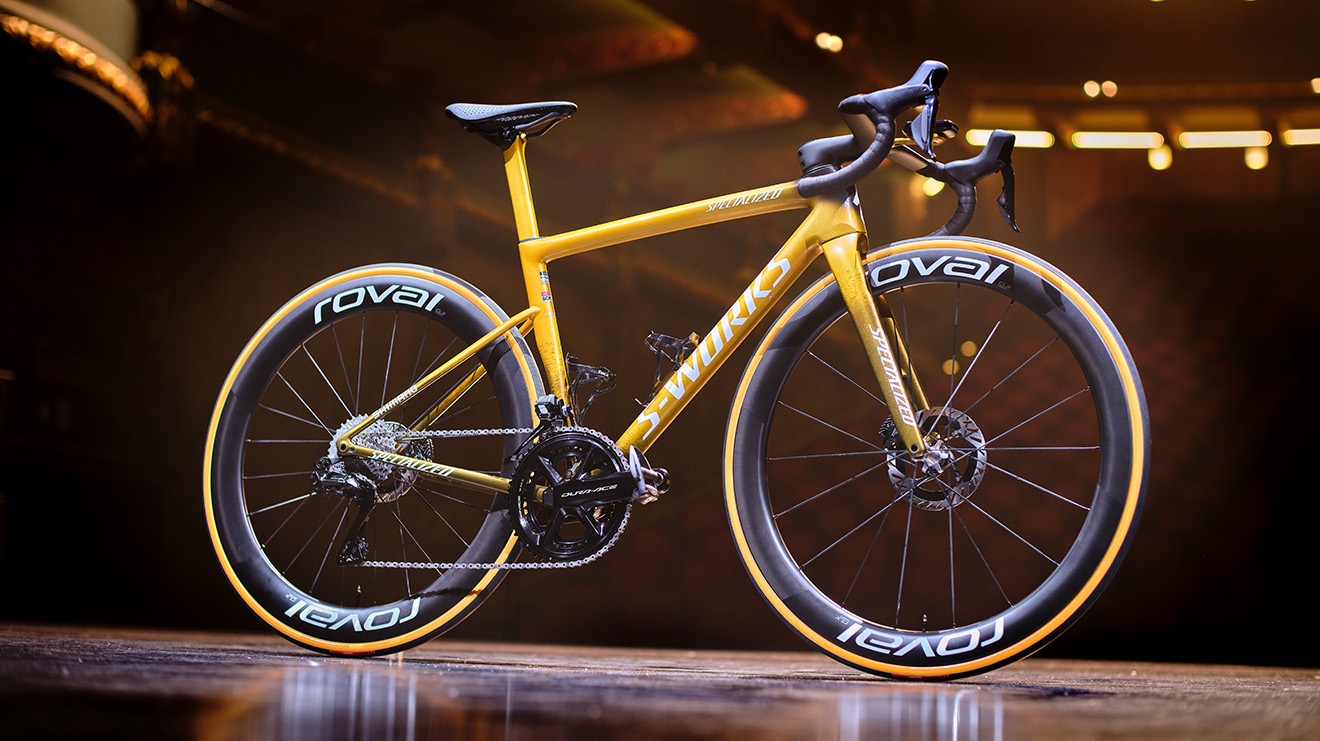
- Building Remco Evenepoel’s Golden Bike
- Check out Remco Evenepoel’s new golden SPECIALIZED S-WORKS TARMAC bike.
-
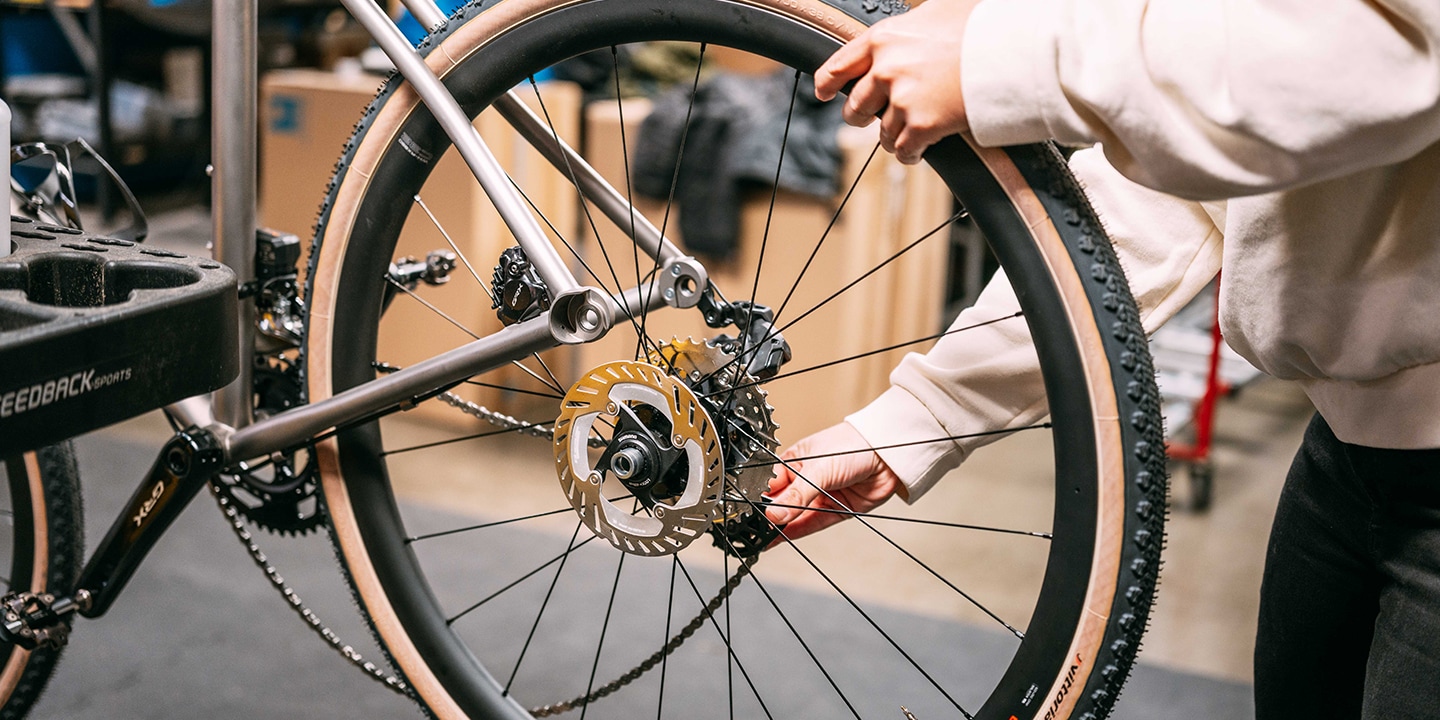
- Spring Tune-Up: Get Your Road or Gravel Bike Ready for the Ride
- The days are getting longer, and the temperatures are warming up.
-
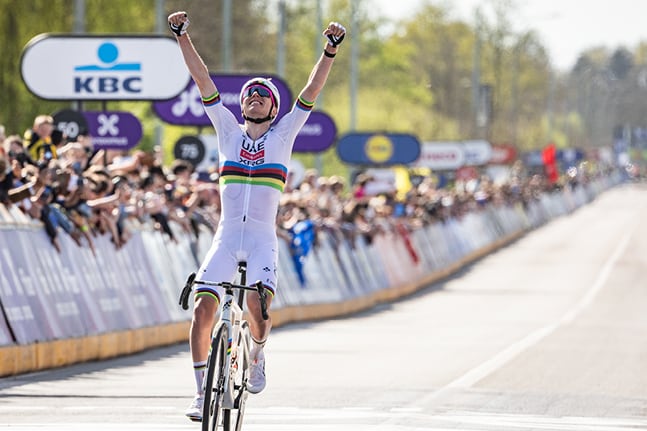
- Pogačar Soloes to Victory in Flanders
- Tadej Pogačar Soloes to Victory at the Tour of Flanders in Battle with Mathieu van der Poel.
-
- Kilian Bron: ‘Who Am I?’
- Meet Kilian Bron Like Never Before and Learn About the Life of an MTB Adventurer/Film Maker
-
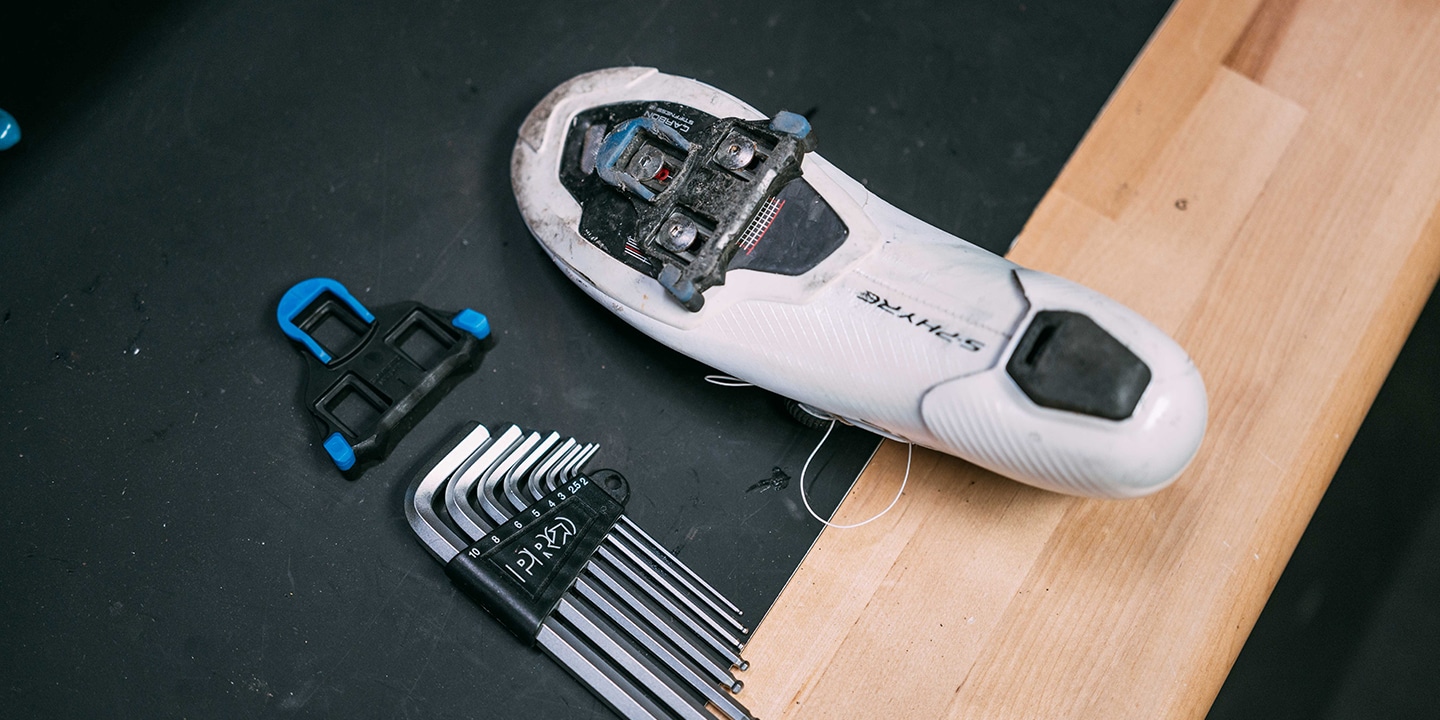
- When to Replace Shimano Cycling Cleats
- How to Replace Shimano SPD-SL and SPD Cleats
-
- Shimano’s 2025 World Cup Preview
- The 2025 World Cup season is approaching fast, and there is much to be excited about. This winter has been busier than ever with big-name moves, team overhauls, race schedule changes and the publication of a jam-packed calendar. There’s plenty to unpack, so let’s dig into the who’s who and what’s where.
-
- Sizzle: Dan Milner's MTB Journey Back to Mallorca
- A Mallorcan Odyssey with MTB Photographer Dan Milner, Powered by DEORE XT.
-
- UNSUNG
- Unsung follows three of the unheralded heroes who make events like Unbound so special. Linda Guerrette, Michelle Duffy, and Wayne Smith all contribute in their own way to the gravel community. Whether in their role as a photographer, an event organizer, or rider support/mechanic, they all infuse their passion and incredible energy into the greater gravel collective. In doing so, they ensure the bright future of the sport.
-
- Heritage Precision & Heat-Treated Steel
- The following story is an excerpt from CADENCE, a collection of road cycling tales from around the world.
-
- Big Tall Wayne’s MTB Race Checklist
- So, you're headed to a gravel race! That means you're looking to work hard and have a great day in the saddle.
-
- In Between the Races with Damien Oton
- Shimano presents: In Between the Races, a portrait of the painstaking preparation and fierce focus leading up to—and during—the epic races of the MTB and e-MTB season.
-
- Roads to Ride: Caught on the Cobbles
- There is no race like Paris-Roubaix.
-
- Gravel upgrades
- Gravel riding is exploding throughout the cycling community, delivering a sense of exploration and freedom as we venture down unknown roads and seek out new adventures.
-
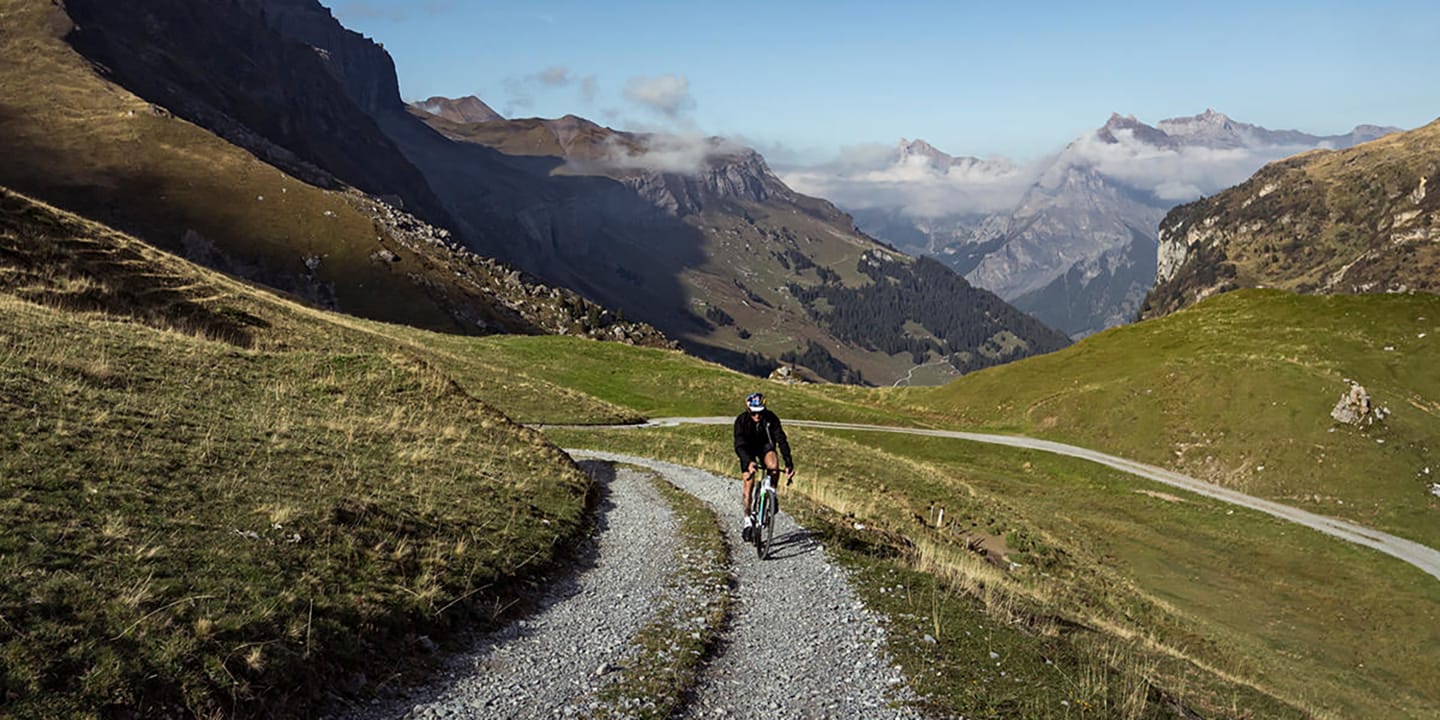
- Road vs Gravel - The Shimano Explainer
- As gravel continues to gain speed, the question remains.
-

- SHIMANO Extends Collaboration With A.S.O. Until 2028
- In a move that underscores their commitment to cycling, Shimano and Amaury Sport Organisation (A.S.O.) have announced the extension of their successful partnership for an additional four years, now running until the end of 2028.
-
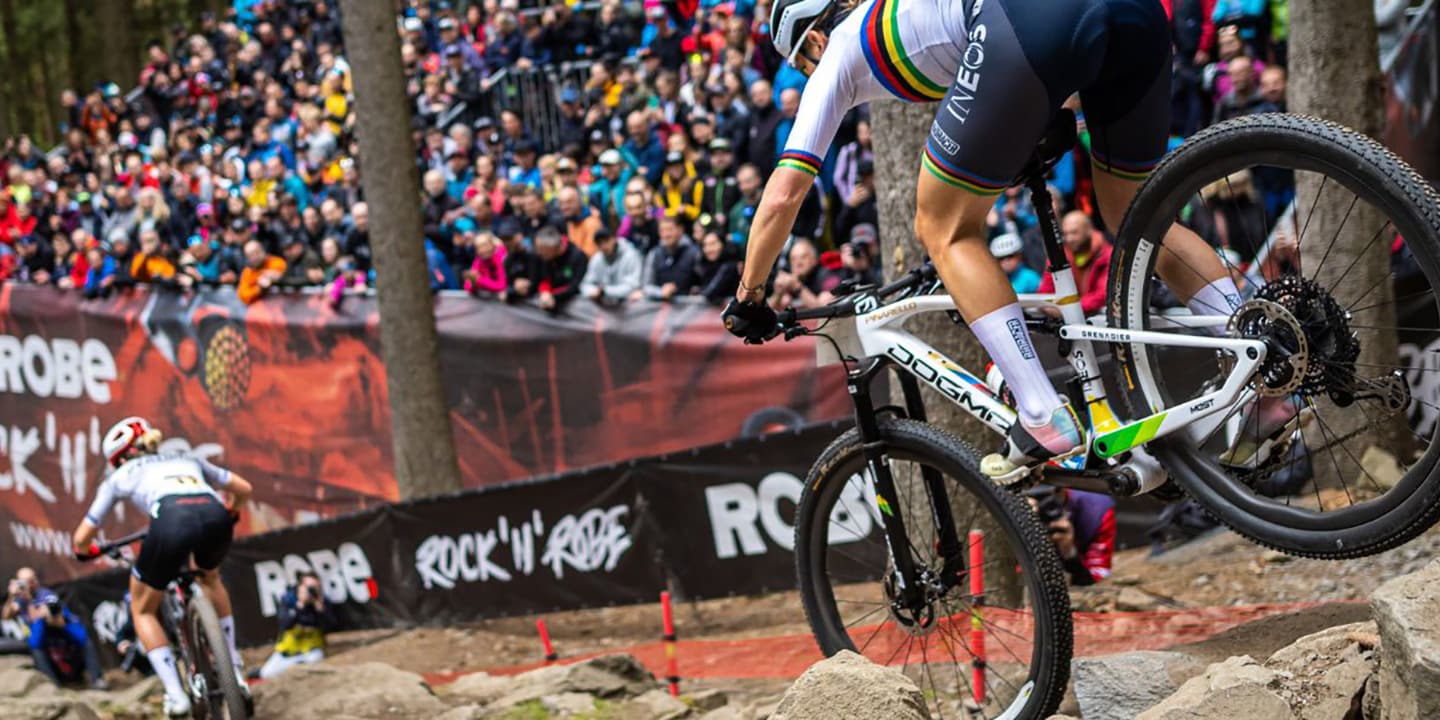
- In Between the Races with Pauline Ferrand-Prévot and Tom Pidcock
- In competitive cycling, every mile is its own battle.
-
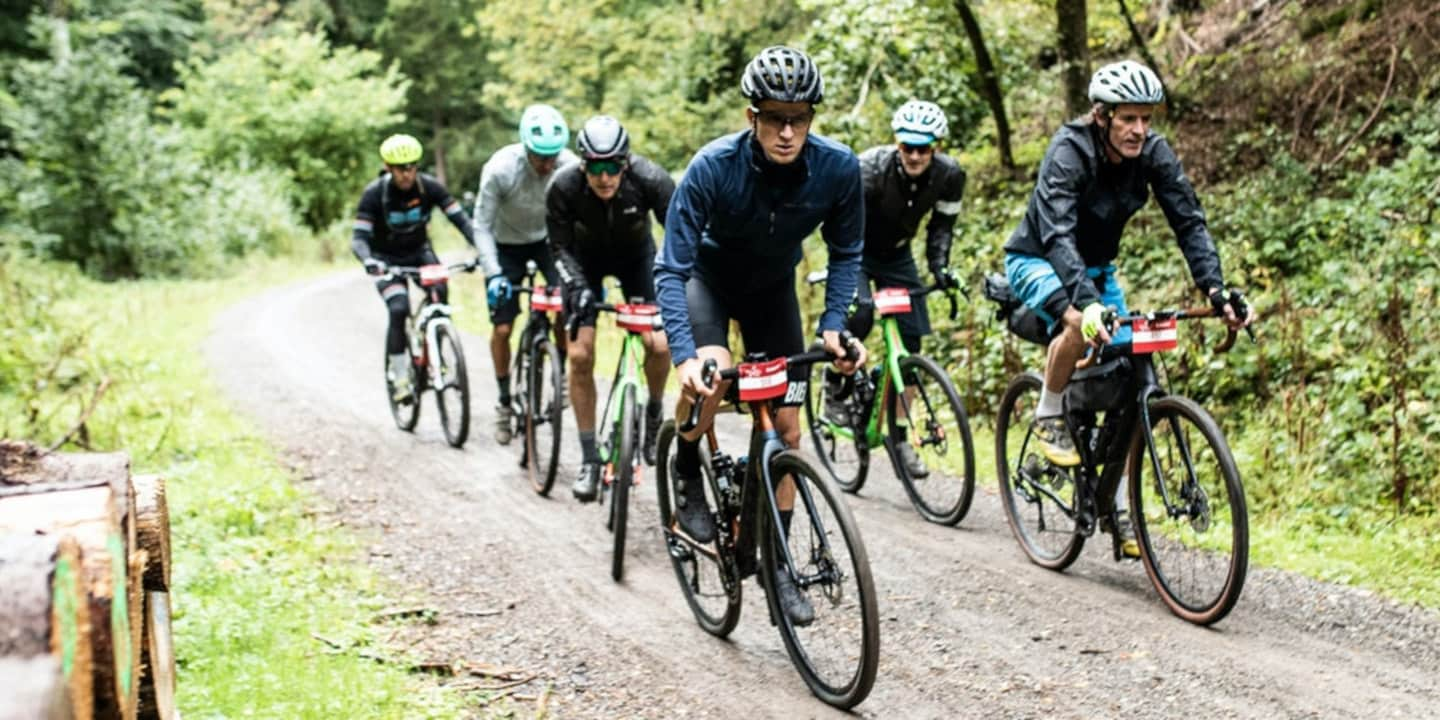
- Gravel vs. road bike
- Katherine, member of the Shimano Gravel Alliance, is a gravel and bikepacking rider who judges her rides by stoke level, rather than speed.
-
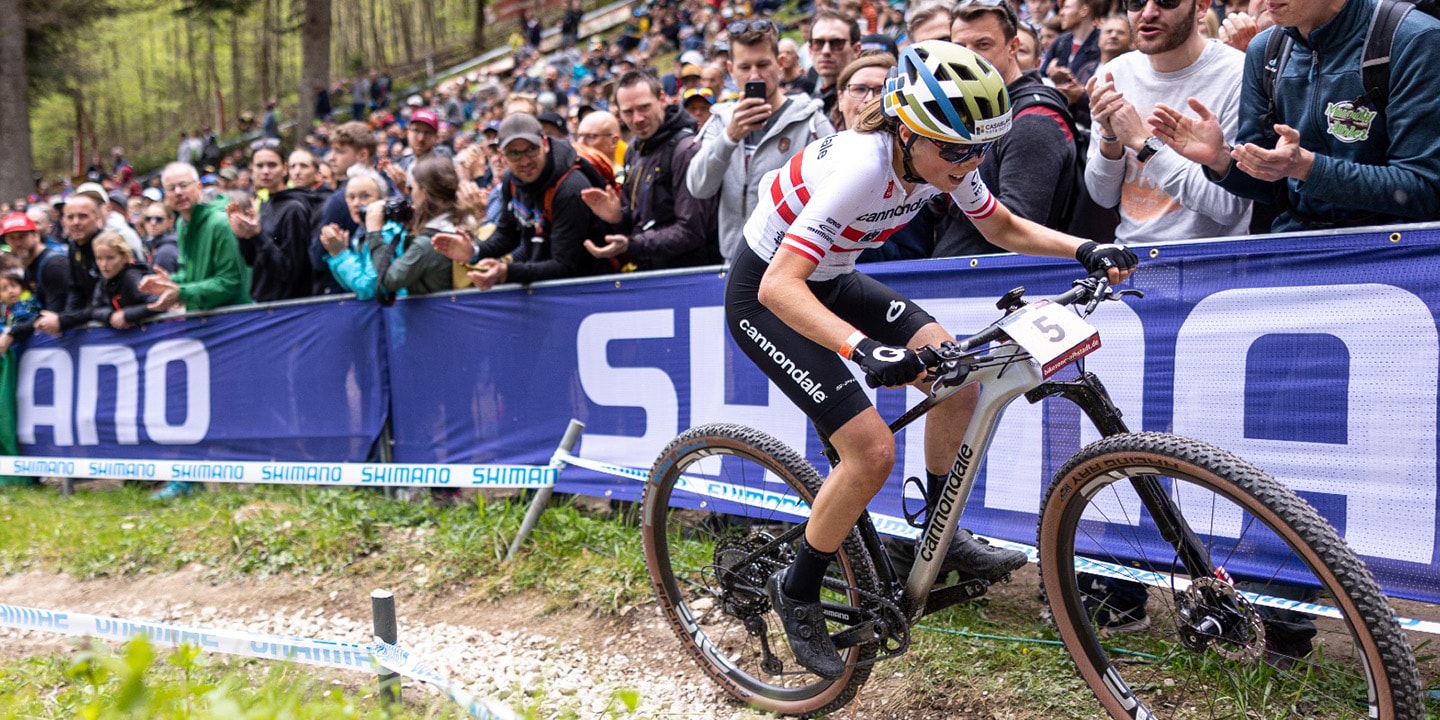
- In Between the Races with Mona Mitterwallner
- We’ll be following along for the travel days, training days and rest days, and discovering how riders relax and reset after one race, and prepare for the next.
-
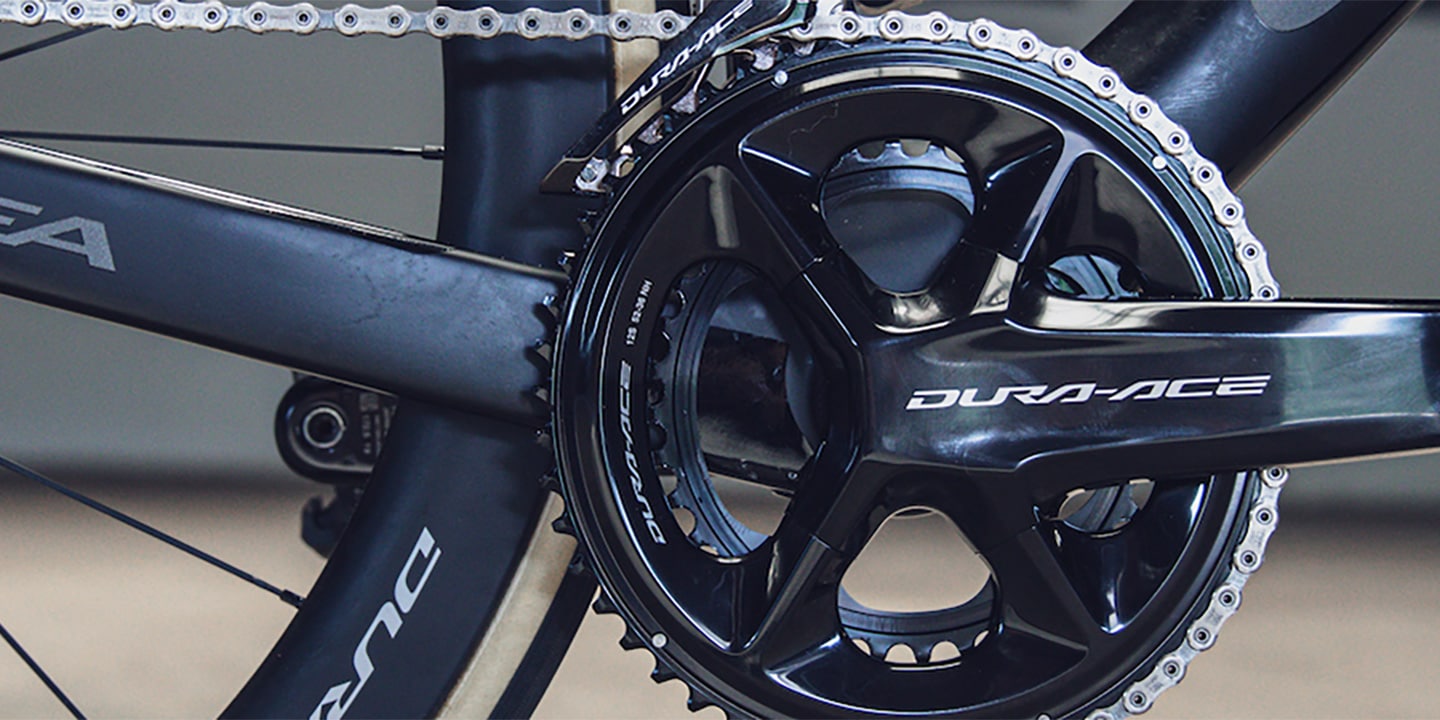
- Short-Crank-Curious?
- When it comes to picking the right crank length, choice is definitely a good thing.
-

- Andrew Neethling Explores Taiwan
- In Lifting the Lid, Andrew Neethling travels through Taiwan’s best MTB trails.
-
- The War Roads of Alpine Piedmont
- Chris Case founded Alter Exploration to help other adventurous cyclists experience the types of transformative journeys he's been lucky enough to take his entire life.
-
- Finding the Time
- The following story is an excerpt from CADENCE, a collection of road cycling tales from around the world.
-
- Gravel your way
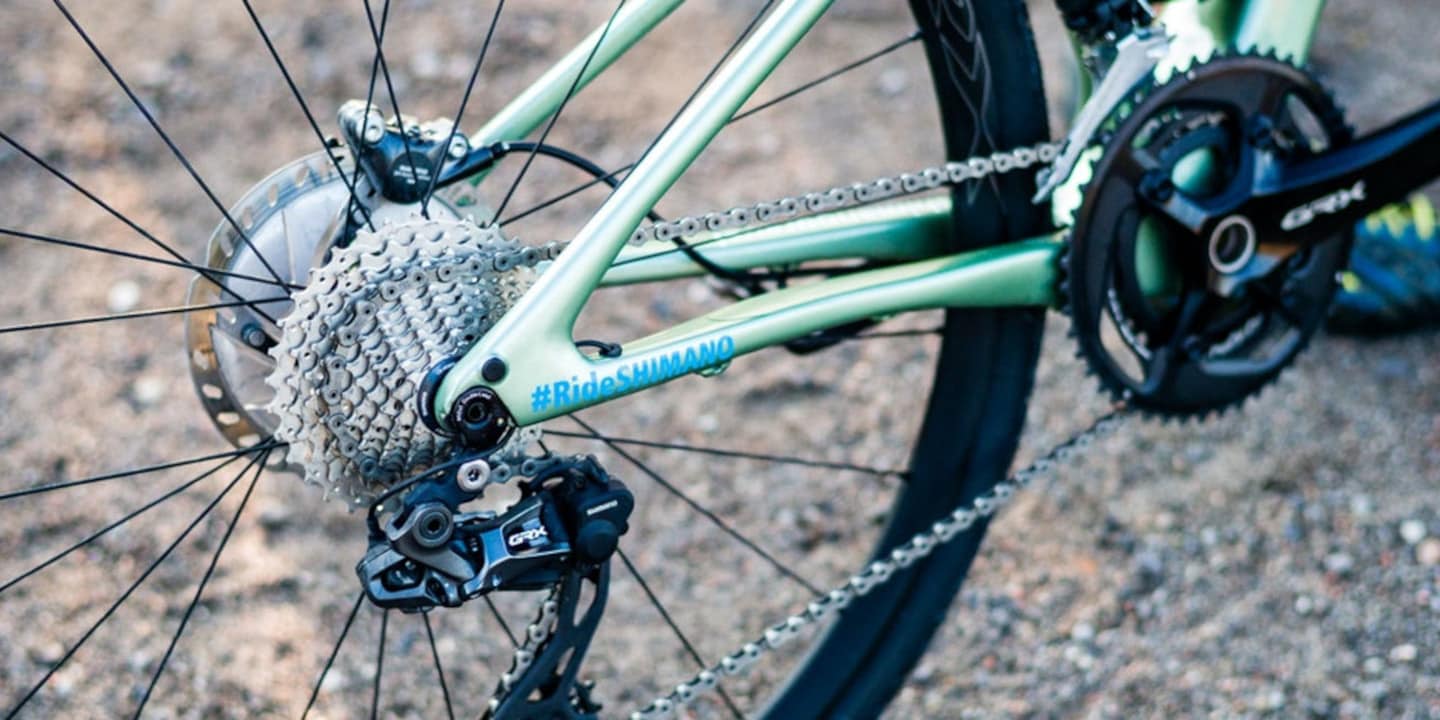
- Choice. Shimano’s new GRX line is all about choice.
-

- Trackside
- Trackside, the latest Shimano Originals short film from Anthill Films, uncovers the secrets of one of the greatest downhill mountain bike teams of all time: the Santa Cruz Syndicate.
-
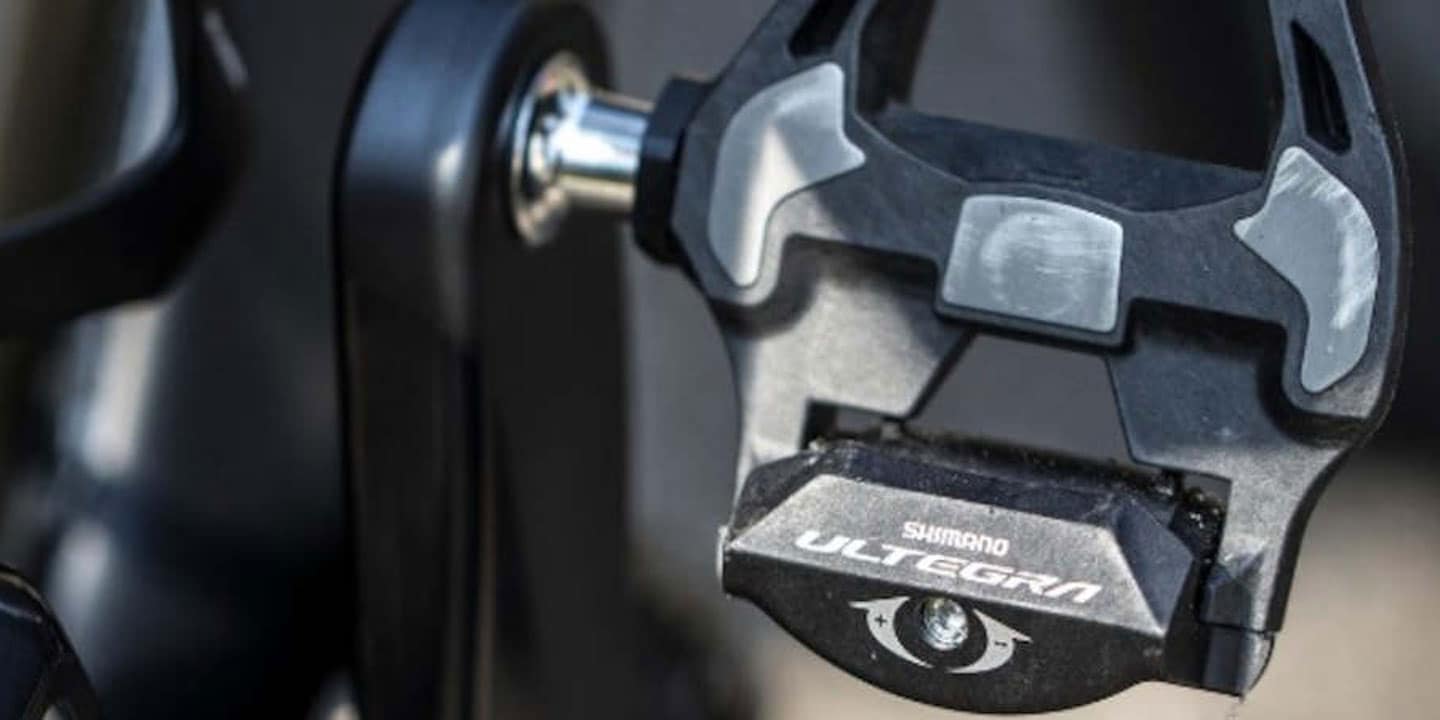
- Choosing the Right SHIMANO SPD-SL Road Cleats for You
- Shimano SPD-SL road pedals and cleats are a popular choice among professional and amateur cyclists thanks to their stable platform, easy operation, and long-lasting performance. The wide, low-profile cleats distribute force evenly and allow for easy walkability without needing to carry special cleat covers for your mid-ride coffee stop.
-
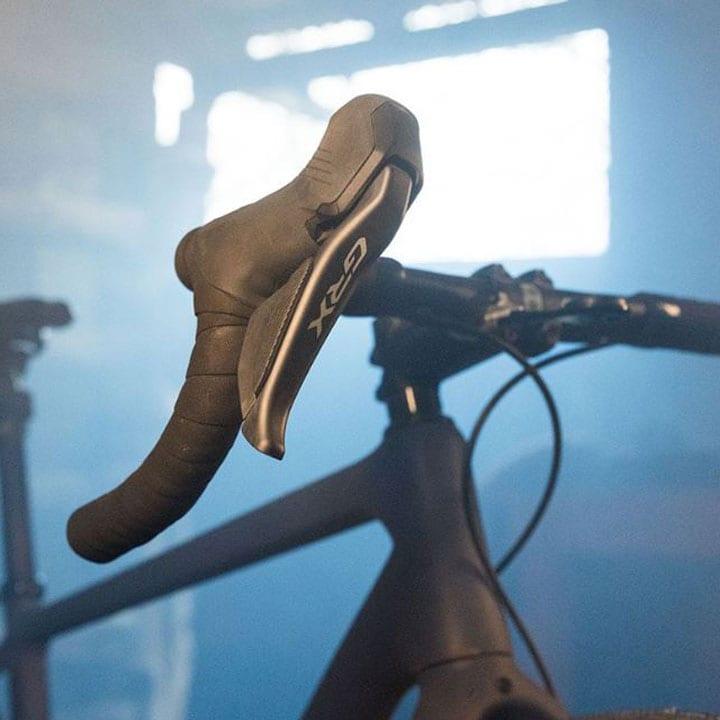
- SHIMANO Expands Gravel Lineup with New 2x12-Speed GRX Di2
- Electrifying Shimano’s 12-speed gravel component family, new 2x12-speed GRX RX825 Di2 components combine Shimano’s unrivaled electronic shifting with optimized gearing options for riding, racing, and all-day adventures. The new suite of electronic Di2 parts features dual control levers refined for comfort and control, a SHIMANO SHADOW RD+ equipped rear derailleur for better chain management, and a gravel-optimized front derailleur for precise shifting.
-
- A Guide to SHIMANO’s 12-Speed Freehubs and Compatibility
- New innovations in Shimano freehub technology have delivered even more robust and reliable shift systems along with wider gear ranges for 12-speed road, mountain bike, and gravel groupsets. Each freehub system offers unique features and compatibility options that are suited for different riding styles and rider needs.
-
- Vanzacs and The Zoo Boys
- The Vanzacs are a small group of mates from Australia and New Zealand that wanted to take on the world, and they are getting away with it by the skin of their teeth.
-
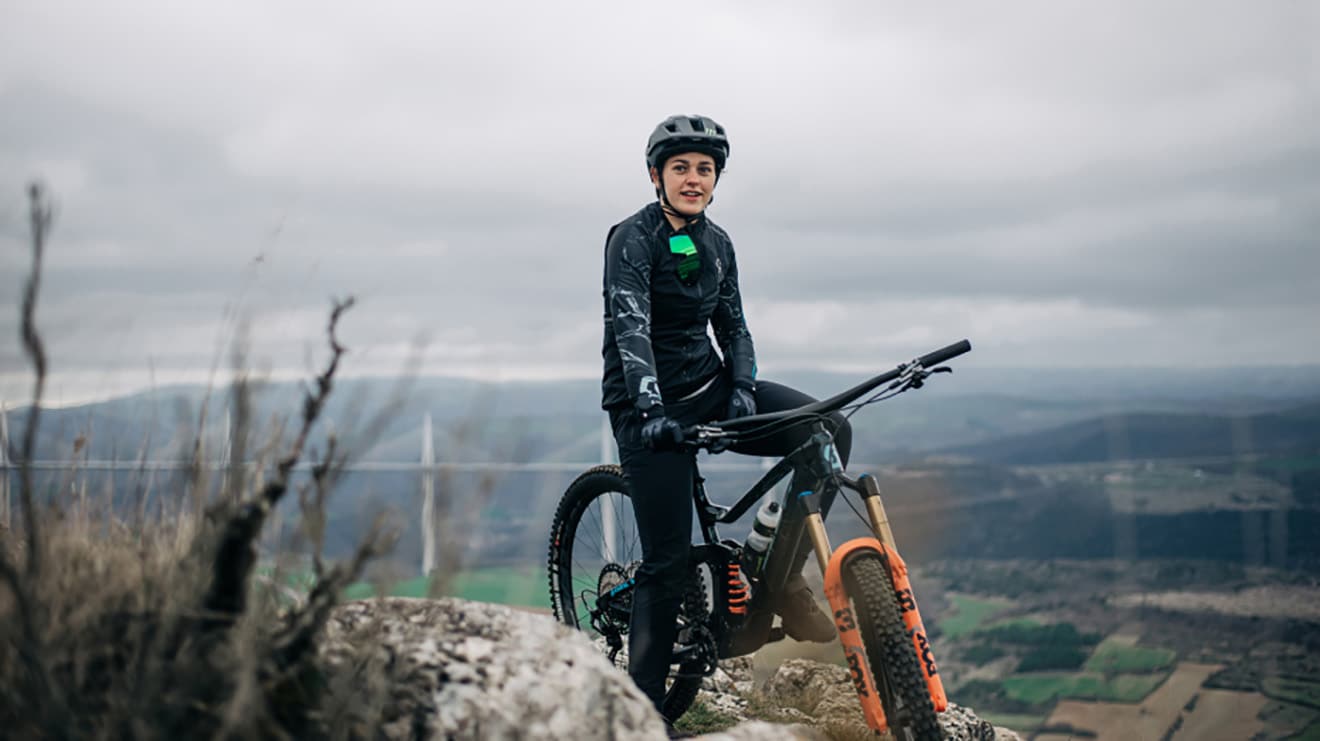
- This is Home: Marine Cabirou
- Becoming one of the world’s fastest downhill MTB racers was a natural fit for Marine Cabirou as she grew up in the hills of Millau, France and spent her childhood chasing her older brother Rudy around on mountain bikes. Her inner daredevil, natural drive, and support from family and friends have all contributed to Marine’s success at the top level of the sport.
-
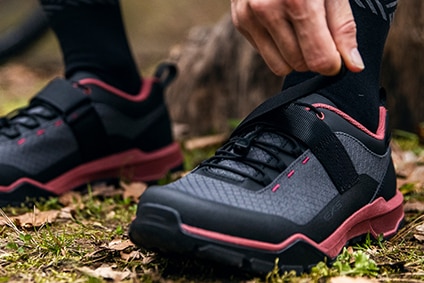
- Explorer Shoes
- Tour more comfortably with our new EXPLORER SERIES of SPD shoes with reliable grip, soft walking cushioning and comfortable pedaling at cruising speeds. We have specialized models for both city and mountain touring so you can wander the world your way.
-
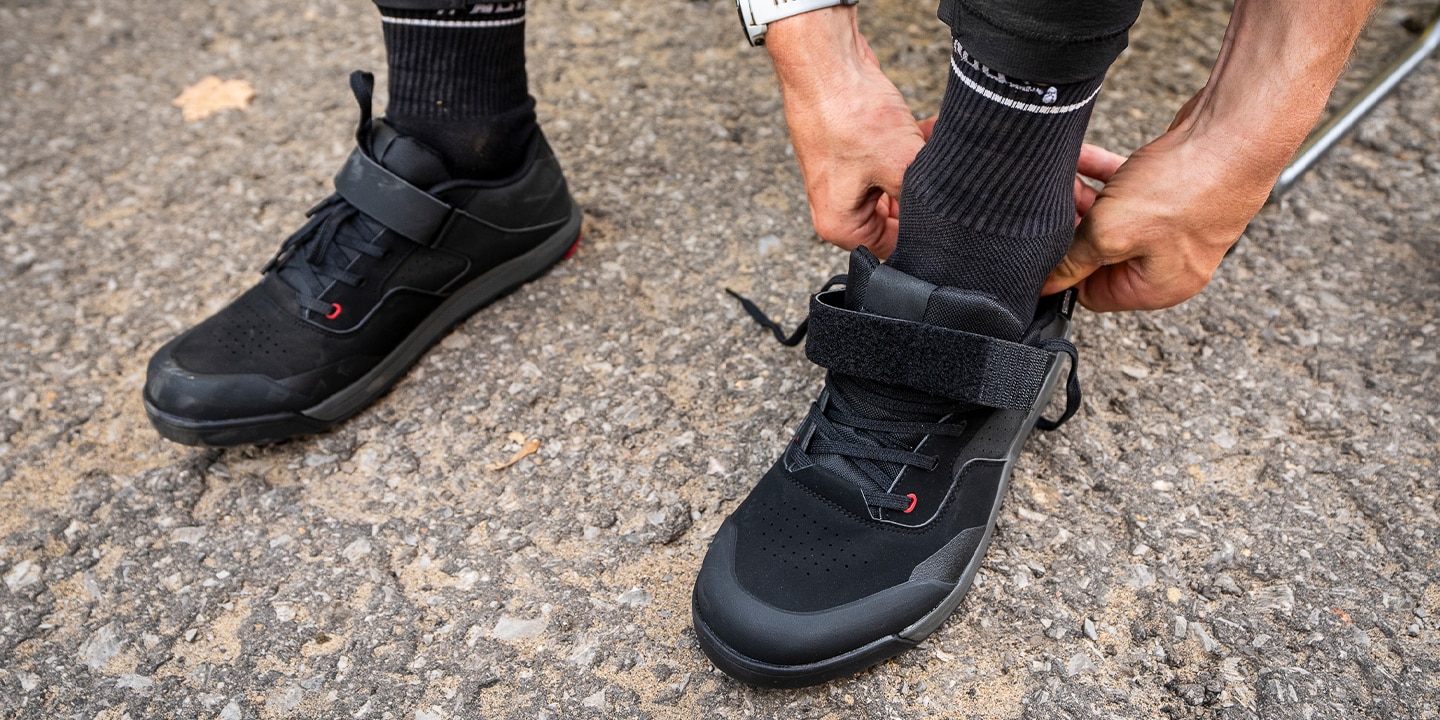
- Shoe Fitting & Cleat Setting
- The optimal shoe size is found by measuring the arch length, foot length and width. This sizing information can then be cross-checked with the shoe size table, to find the shoe size and width that best matches the rider.
-
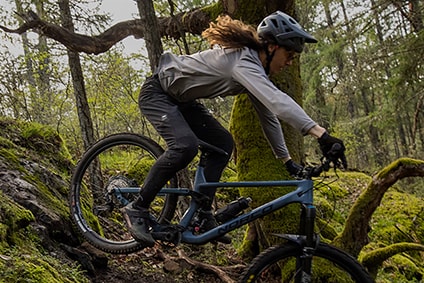
- Gravity Footwear
- Bleeding edge technology, progressive styling, and total on-bike control let you push your riding to the next level and beyond.
-
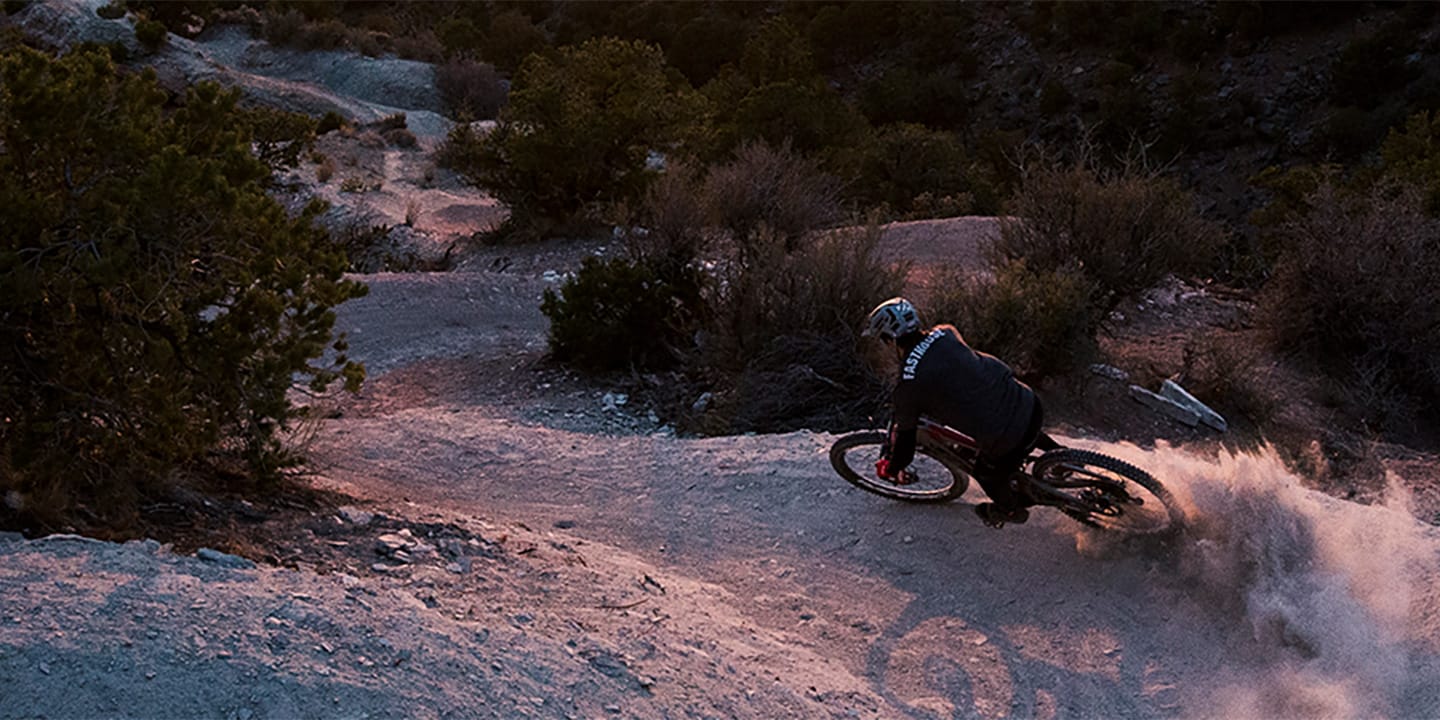
- Tyler McCaul - Settle Your Soul
- Soon after fulfilling a life-long dream to relocate to southern Utah, Tyler McCaul found himself riddled with injuries and unable to get out and enjoy the vast desert landscape he spent his entire career working towards calling home.
-
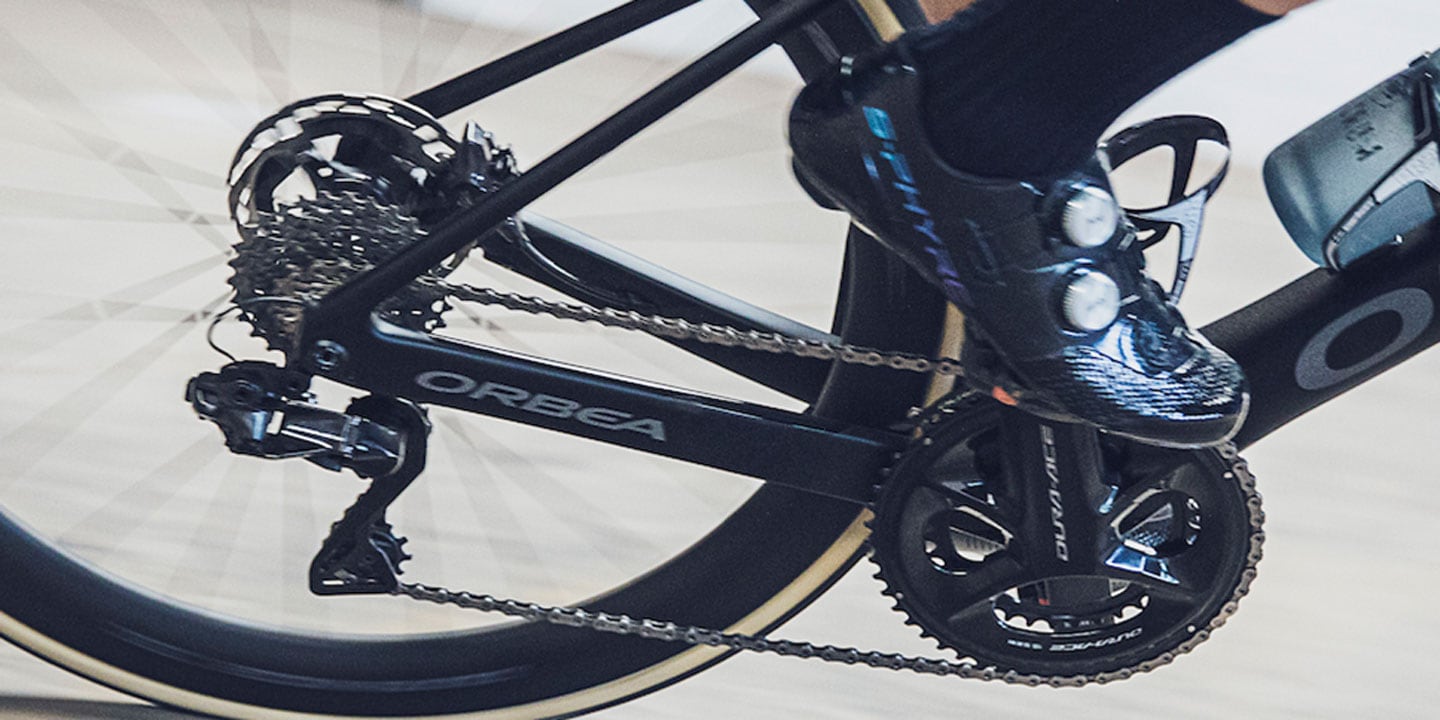
- SHIMANO Di2: The Ultimate Shift
- The Uncompromising Reliability and Performance of Shimano Di2
-
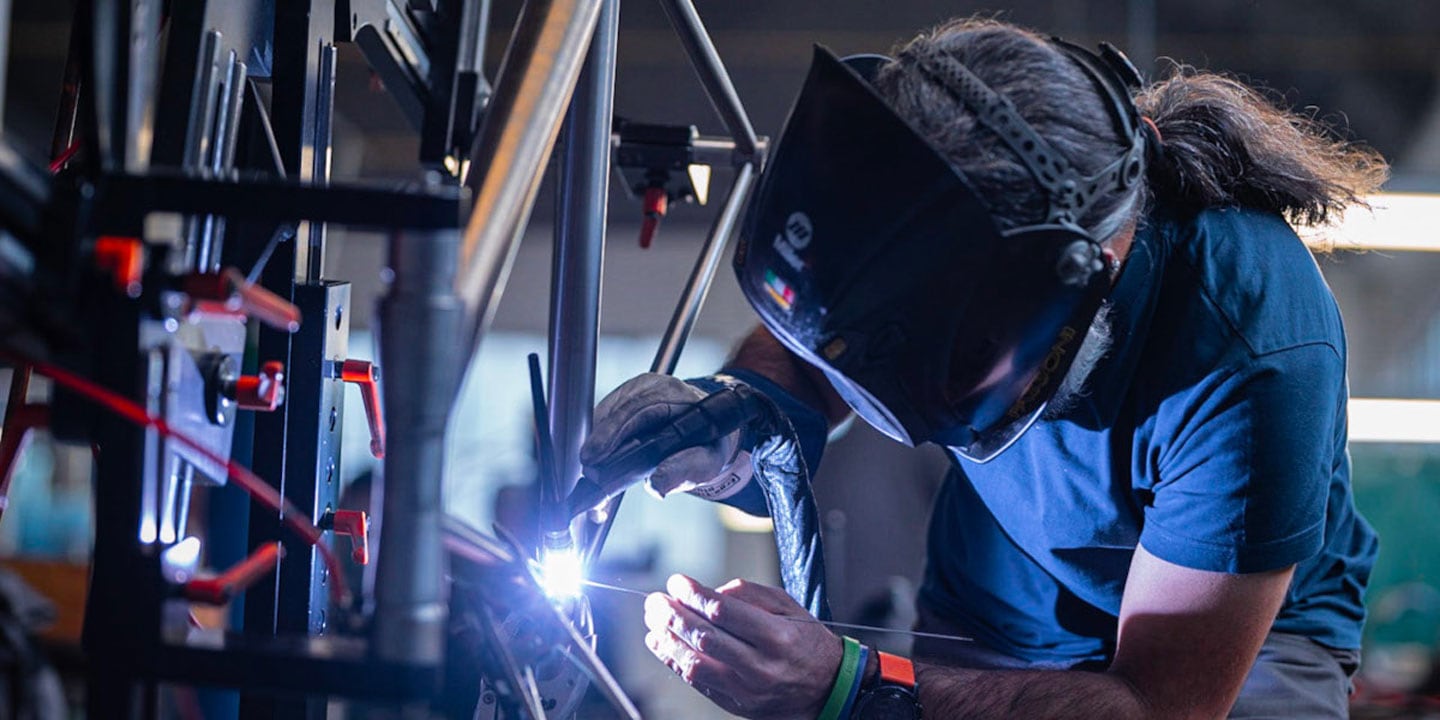
- MADE IN: Milano
- Expertise and passion for crafting made-to-measure bikes are at the heart of the Italian Passoni brand. Founded in the late 80's in the pre-carbon era by Luciano and Luca Passoni, it was the first company in Europe that produced titanium bikes when off-the-shelf tubing wasn't yet available. Every tube had to be made by starting from titanium sheets which were bended and welded into exceptional quality, bespoke bicycle frames. A passion for the sport and its culture has always been at the very heart of Passoni’s identity as they have spent the last 30 years building stunning machines for those with a true appreciation of fine craftsmanship. Passoni has always been a brand steeped in cycling history.
-
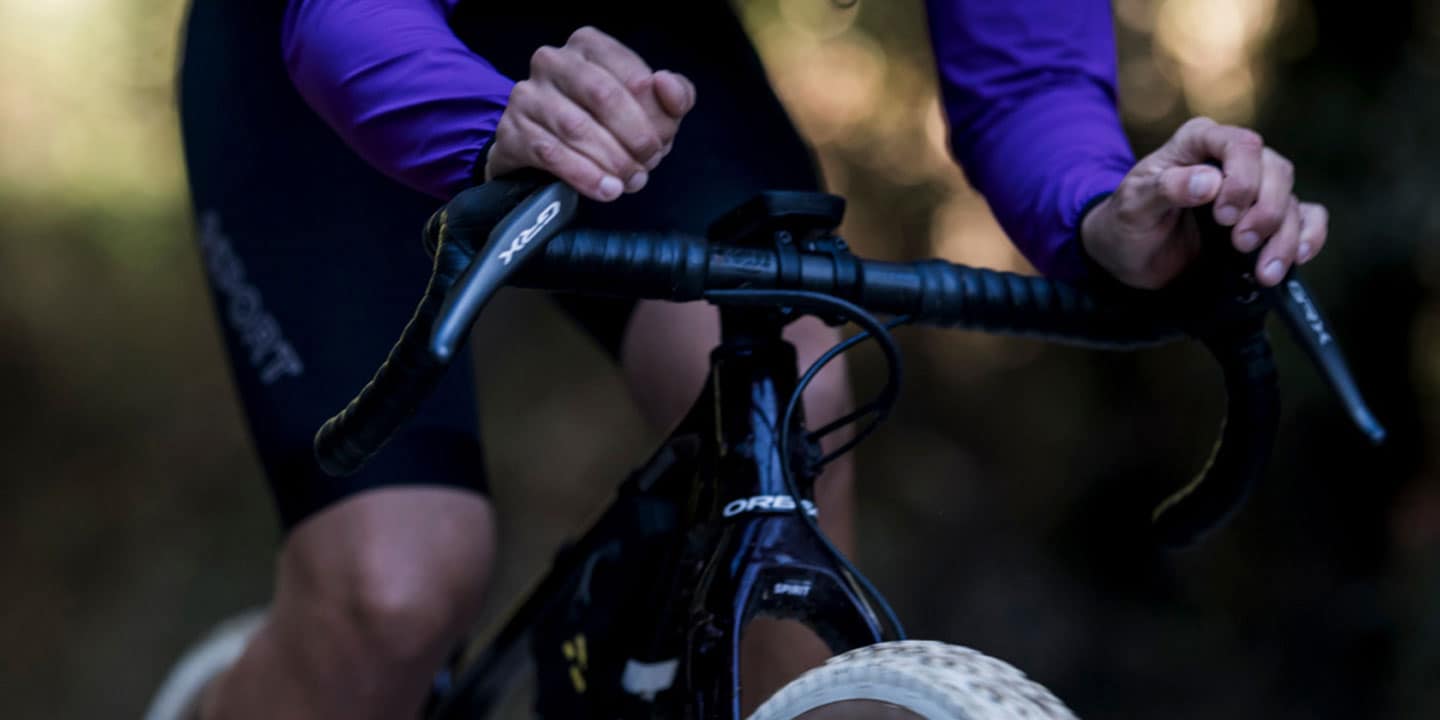
- Shimano’s Gravel Ergonomics
- Learn why ergonomics matter when you ride gravel
-
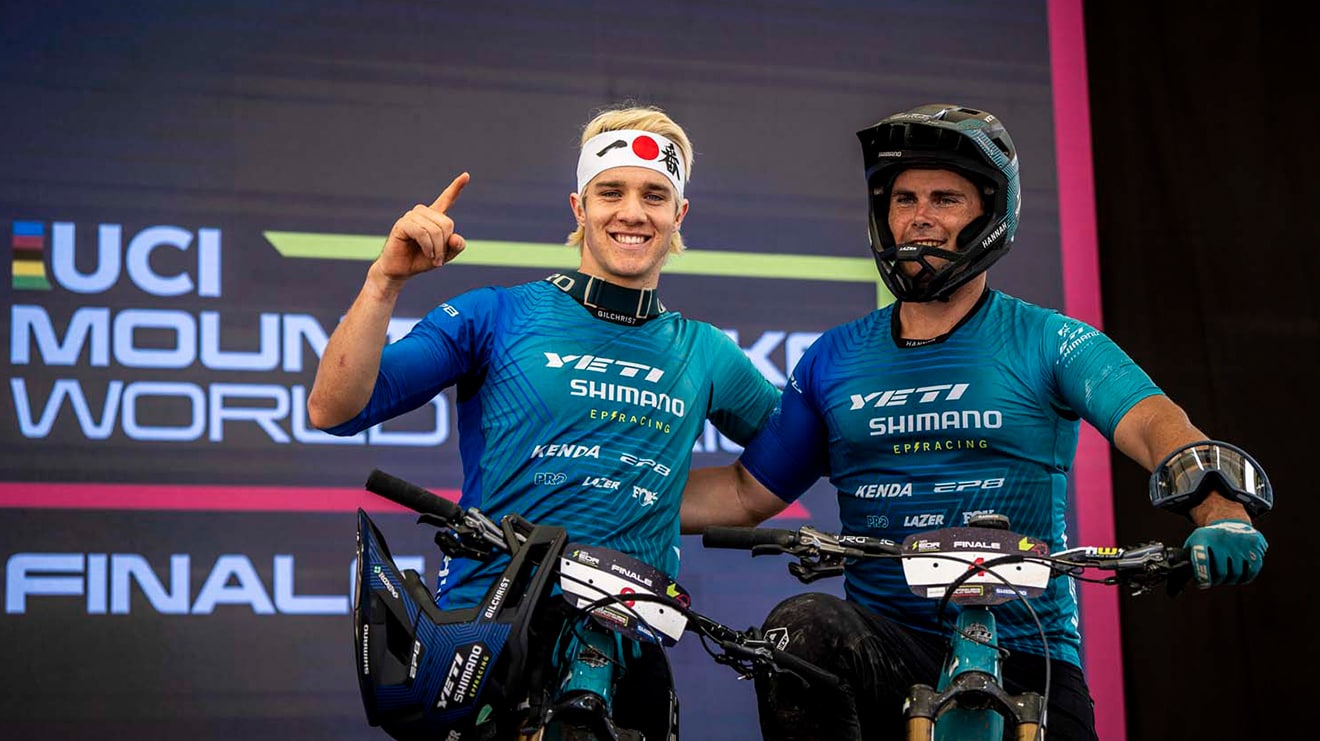
- Yeti/Shimano EP Racing Team Triumphs in 2024
- Two years of dedication and hard work pay off with eMTB racing squad’s strong start to the season
-
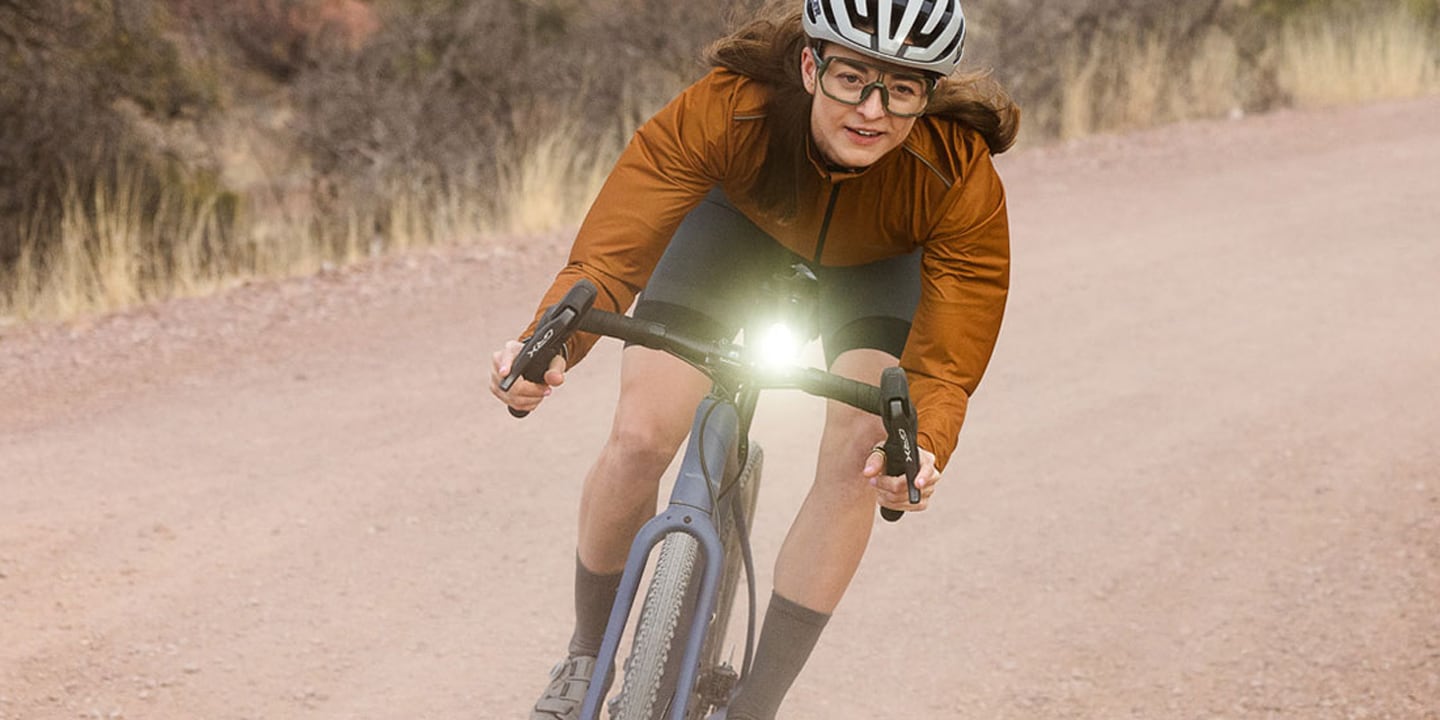
- Shimano GRX Di2 12-Speed
- New 2x12 Di2 Addition to Shimano’s Legendary Gravel Group
-
- A Guide to SHIMANO’s 12-Speed Freehubs and Compatibility
- New innovations in Shimano freehub technology have delivered even more robust and reliable shift systems along with wider gear ranges for 12-speed road, mountain bike, and gravel groupsets. Each freehub system offers unique features and compatibility options that are suited for different riding styles and rider needs.
-
- SHIMANO 105: Mechanical Magic
- If groupsets are like rockstars, and we think they are, the SHIMANO 105 Mechanical 12-speed could be Bruce Springsteen. Ever-professional performance, incomparable longevity, balancing roughneck beauty and that pure joy that comes from doing things in a classic way. Learn all there is to know about our only premium mechanical groupset.
-
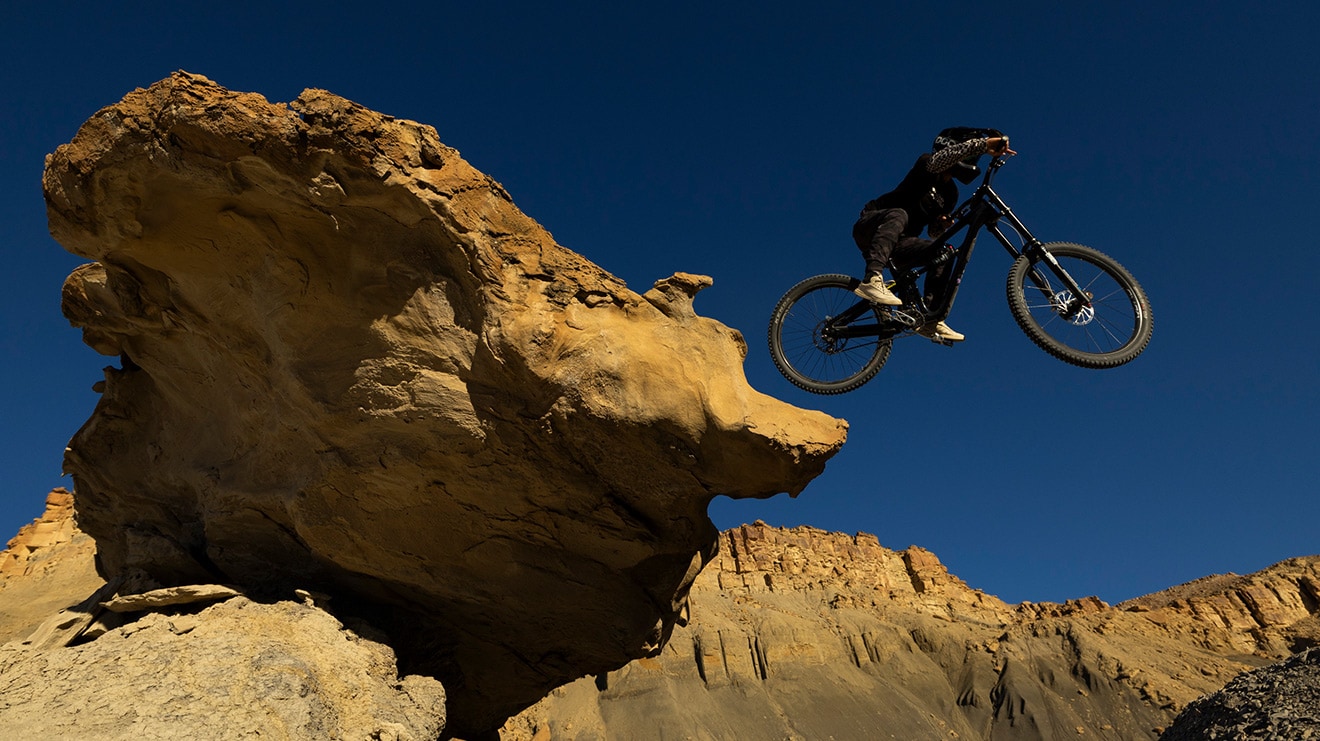
- The Women of Red Bull Rampage
- The first ever women’s competition at Red Bull Rampage includes heavy hitters Vaea Verbeeck, Vinny Armstrong, and Robin Goomes, who are eager to make their mark in Virgin, UT this October
-
- Shimano Extends Collaboration With A.S.O. Until 2028
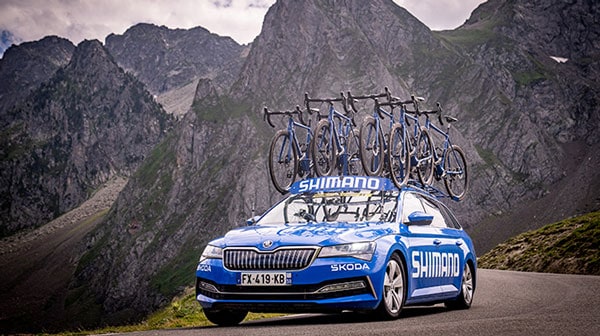
- In a move that underscores their commitment to cycling, Shimano and Amaury Sport Organisation (A.S.O.) have announced the extension of their successful partnership for an additional four years, now running until the end of 2028.In a move that underscores their commitment to cycling, Shimano and Amaury Sport Organisation (A.S.O.) have announced the extension of their successful partnership for an additional four years, now running until the end of 2028.
-
- Information for the counterfeit products of our disc brake pad
- Please beware of counterfeit Shimano brake pad sets. To our regret, recently counterfeit Shimano products have been illegally sold at local retailers, online flea markets and other online marketplaces.
-
- Strengthened tampering detection features
- SHIMANO endeavors to ensure that SHIMANO products are used safely by requesting manufacturers of bikes that include a SHIMANO drive unit to comply with national and regional standards that guarantee a certain level of quality.
-

- Tour de France 2024 the Beauty, the Battle, the Bikes
- Shimano-supported riders Biniam Girmay and Remco Evenepoel won the Green and White jersey, respectively, at the Tour de France 2024. The competition was fierce, and the road was long and perilous. It takes a profound athlete to brave the mammoth challenge of the Tour de France. And it takes a special… je ne sais quoi… to come out on top with a jersey.
-
- Important notice for E-BIKE battery BT-E8016 users
- It has been confirmed that there are cases where the bicycle cannot be started after the BT-E8016 battery has been fully charged. If this occurs, plug the charger into the battery, confirm the LED lights up, then remove the charging plug. This enables the bicycle to be started.
-
- XTR Explained - Intuitive Ergonomics
- Mastering Speed and Control with XTR Shift and Brake Ergonomics



