
en-GLOBAL

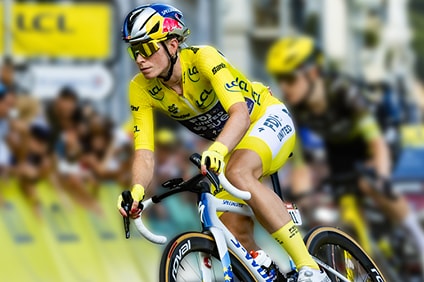
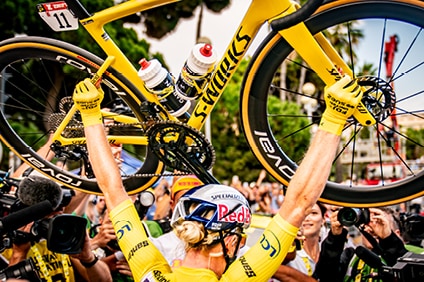
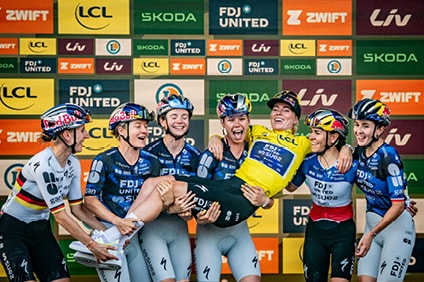
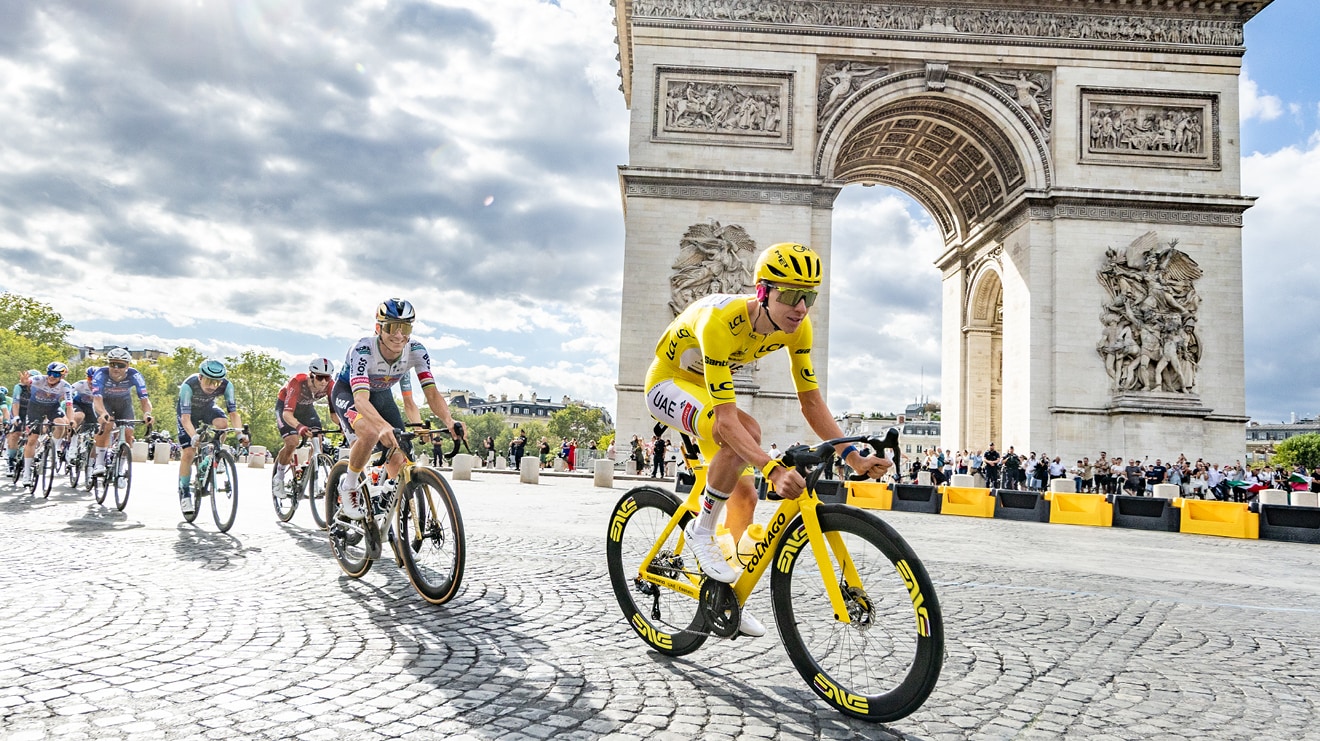
Since its introduction in 2009, Di2 has transformed the landscape of drop-bar shifting systems through a continuous and meticulous systems-engineering approach that emphasizes precision, speed, and reliability. In 2026, both Demi Vollering and Tadej Pogačar rode DURA-ACE Di2 to victory at the Tour de France and Tour de France Femmes. Here’s how it works.


In this article: 

  • How treating both derailleurs as one system prevents dropped chains and incomplete shifts under full pedaling load.
  • What a single high-capacity in-frame battery means for your range, the power, and the dependability of your front shifting.
  • Why derailleurs stay wired while the shifters are wireless and what that decision buys you in the last kilometer of a race.
Shifting quality is not a compromise

Let’s talk Di2, or Digital Integrated Intelligence. It’s our fastest-ever shifting technology. Designed for clean, crisp shifting at the push of a button. Preferred by Tour de France and Tour de France Femmes winners, Olympic gold medalists, and world champions, our technology helps riders excel precisely when they need to.  


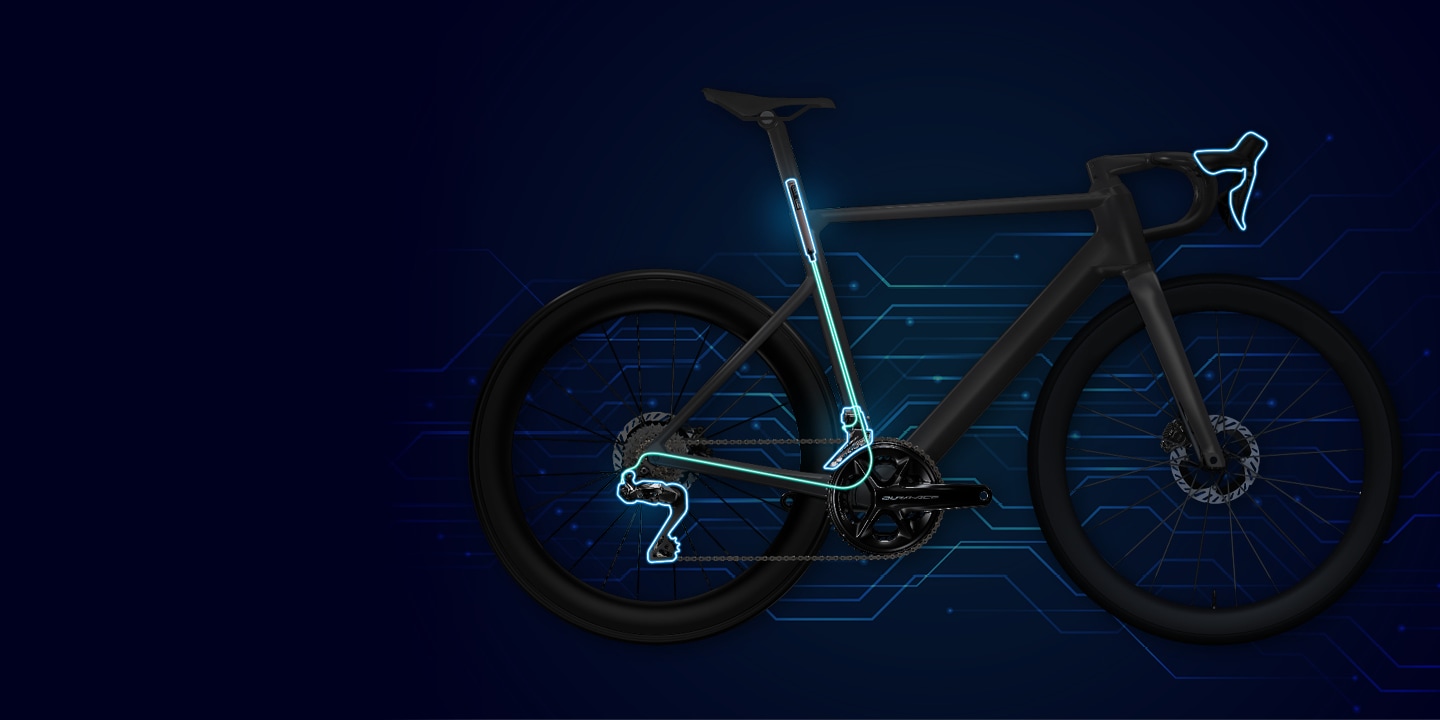
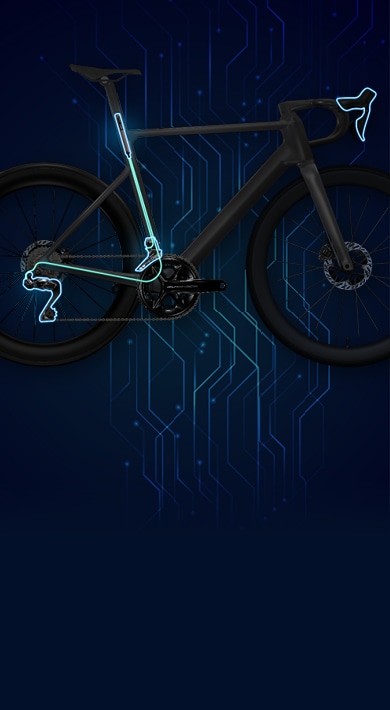
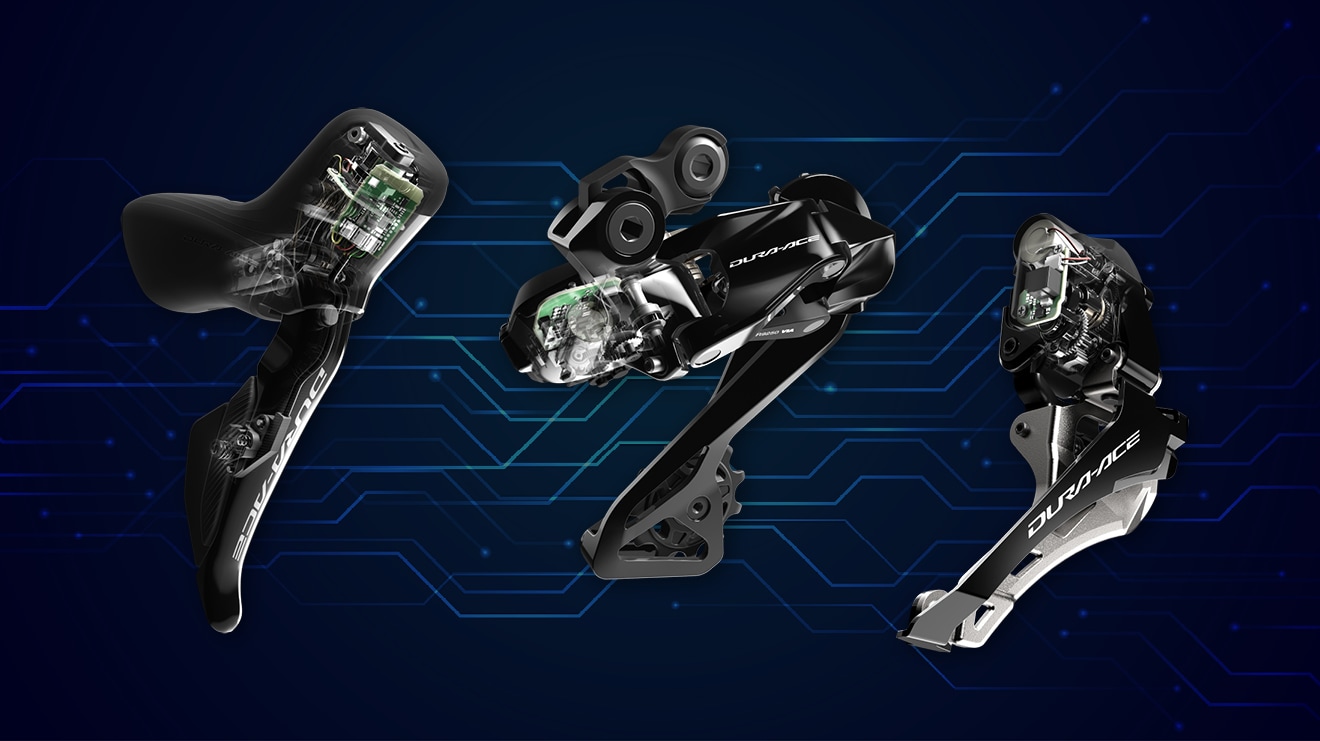
Di2 shifters communicate with the bike wirelessly, where wireless genuinely helps: a clean cockpit, nothing routed through the bar tape, and a simpler build. The single high-capacity battery supports Shimano’s powerful front and rear shifting system. The derailleurs remain wired to minimize latency and optimize signal reliability, avoiding a potential delay exactly when you can least afford it.

That split is not a compromise between two philosophies. It is the whole idea. 


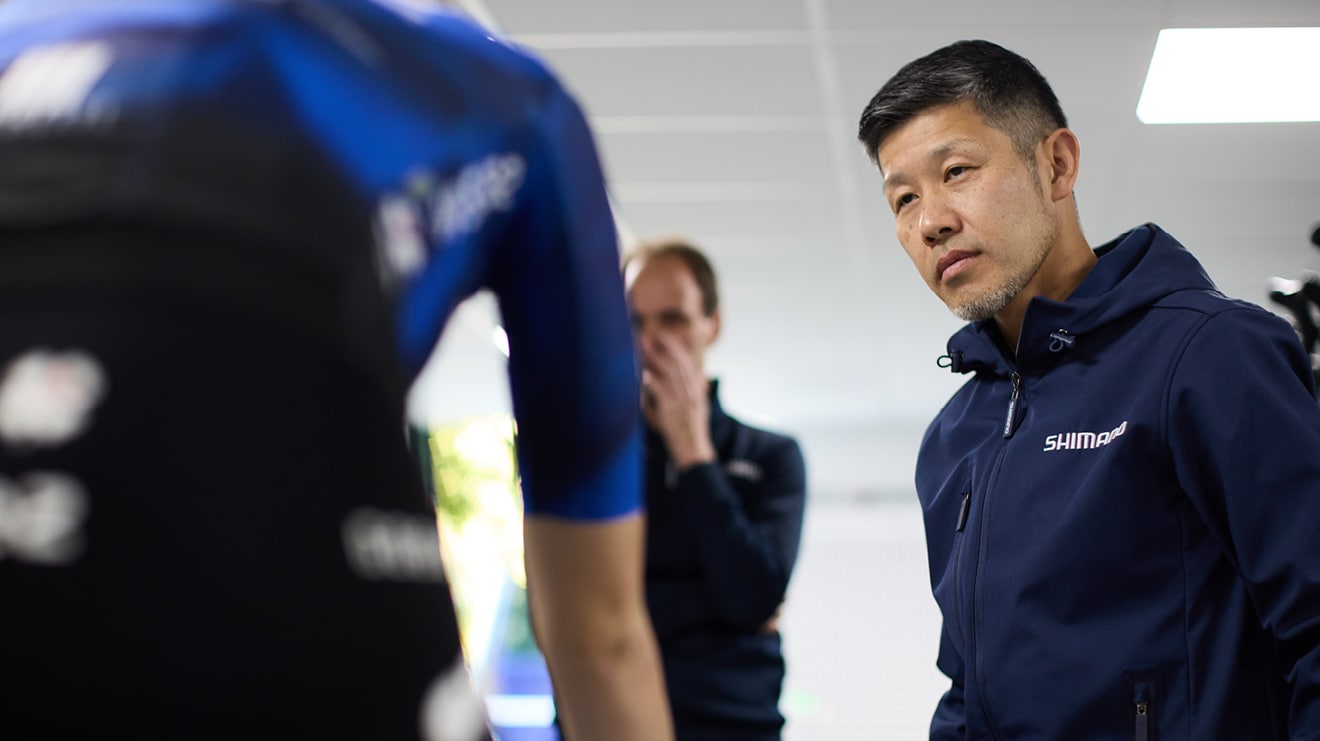
"Wireless technology is ideal for convenient data transmission, while wired technology remains essential when data and power must be delivered without compromise.  


“At the front of a race, convenience is not what a rider needs. They need the shift to happen the instant they ask for it, every time, under any load, regardless of what else is going on around them. That is why we use wireless at the shifter for a clean cockpit and wired connections at the derailleurs for the power and communication that protect every shift.  


“Di2 is not a halfway position. It is the result of choosing each technology according to its strengths, with one goal above all others: delivering the fastest and most dependable shift possible.” 


- Toshio Tetsuka, DURA-ACE Product Developer, Shimano Incorporated. 

The wired approach

The single-battery system is not a compromise or an admission of technical limitation. It is, in fact, the opposite. Our flagship mountain bike groupset, XTR Di2, is fully wireless because the dynamics of elite-level mountain bike racing, where front shifting is not a factor, allow for the reliable use of such technology.  


Road racing, however, demands something different from equipment. A single high-capacity battery means riding longer between charges. Fewer charging sessions, less to remember before a big ride, and less standing between you and the bike. In road racing, riders require absolute confidence in front shifting under load, seamless coordination between front and rear derailleurs, and dependable performance throughout the longest and most demanding races. 


For us at Shimano, the question is not which technology is newest. It is which technology best serves the rider. That is why we choose different solutions for different riding environments, ensuring each product can bring riders the greatest possible benefit.  

Reliability is our responsibility

We take pride in creating products you can trust when it matters most. This means dependable front shifting under load when you spot your gap. It means coordinated shifting behavior and pro-level chain management to master tough stages. It also means extended battery endurance, so you can rely on your bike to face your challenge.   


That is what we are protecting. We develop DURA-ACE components with elite athletes for the highest levels of the sport: the Tour de France, the Olympic Games, and the IRONMAN World Championship. When trust and reliability are on the line, our first responsibility is to provide a system a rider can trust the moment the breakaway starts, without having to think about whether the bike will answer. A single high-output, high-capacity battery delivers exactly the power each shift needs, instantly. 


"Having wireless shifters for a clean cockpit is great, but having the central battery system powering both derailleurs is the real game-changer for us. In a race, when riders such as Tour de France Femmes 2026 Winner Demi Vollering, Juliette Berthet, and Elise Chabbey are pushing maximum power and need an instant shift, they can't afford a split-second of hesitation. They need to trust that when they push the button, the gear changes immediately. That reliability is fundamental to the way we race as a team."


- Stephen Delcourt, General Manager CEO Team FDJ United-SUEZ

Two derailleurs, one system

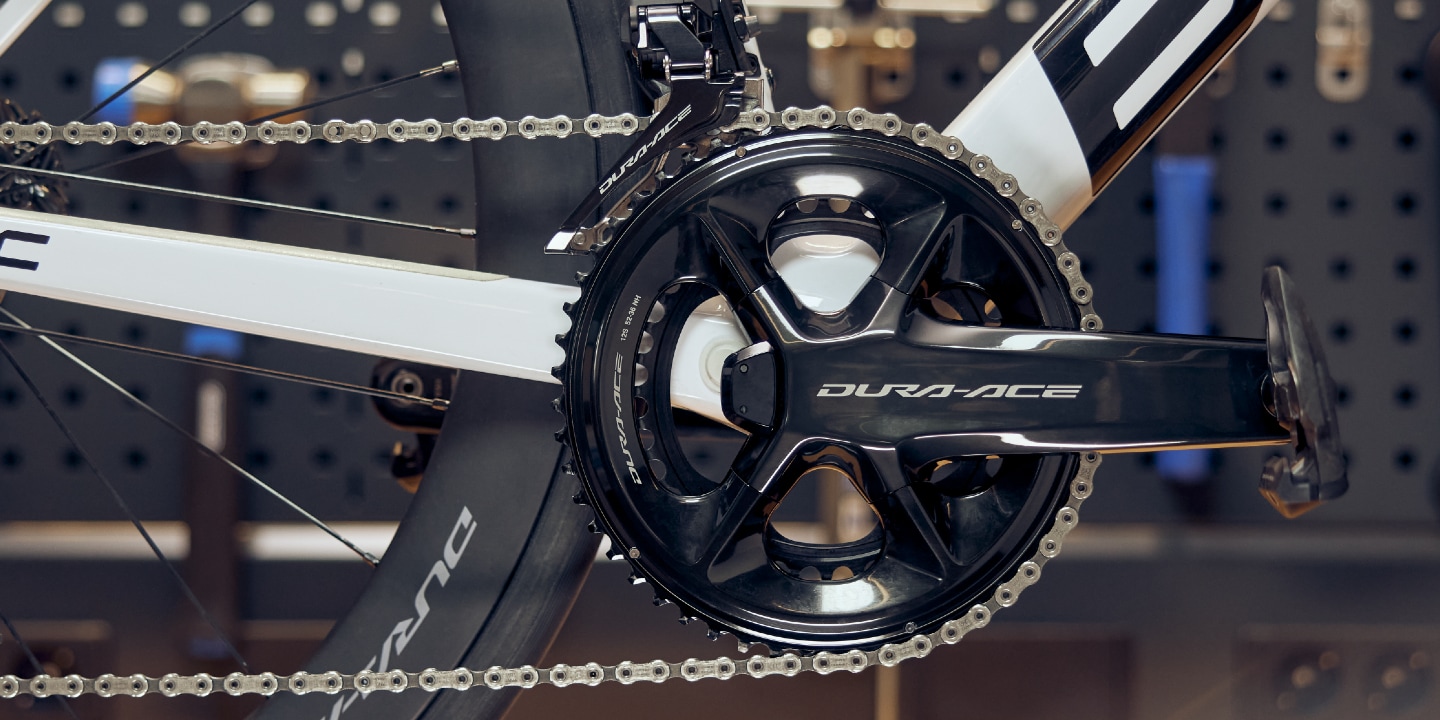
We do not design the front and rear derailleurs as independent components. We engineer them as a single, powerful system. 


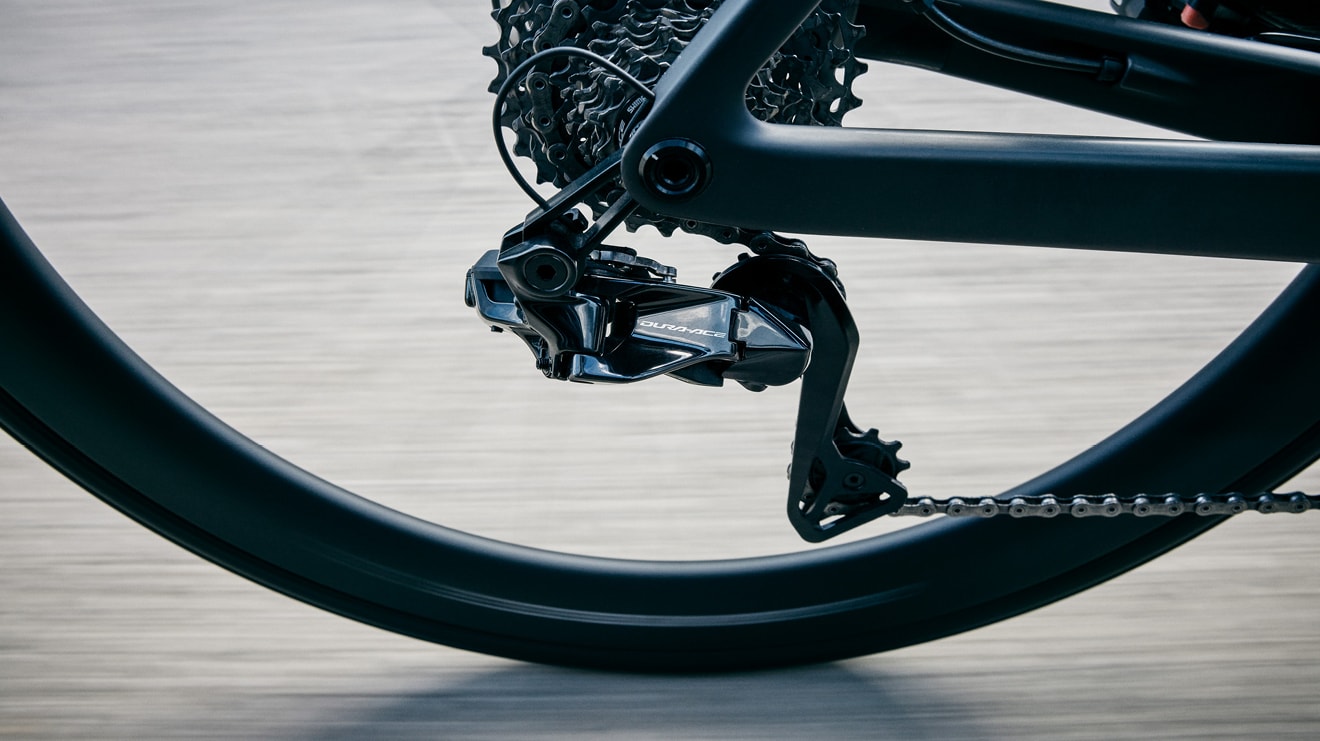
Think of them as two hemispheres of the same brain, firing impulses and processing information at speed. The wire is not just a power supply. It is the communication channel between them, which makes coordinated front-and-rear shifting possible in the first place. That coordination keeps the chain where it should and ensures a shift under load completes rather than hesitating halfway. 


“The shifting is really smooth and reliable, whether it’s out for a coffee ride or in the middle of a hectic race peloton. It’s fast and responsive and adds to a very good riding experience in my opinion.” 


- Tadej Pogačar, Tour de France 2026 Winner, UAE Team Emirates XRG 

Clean and compact

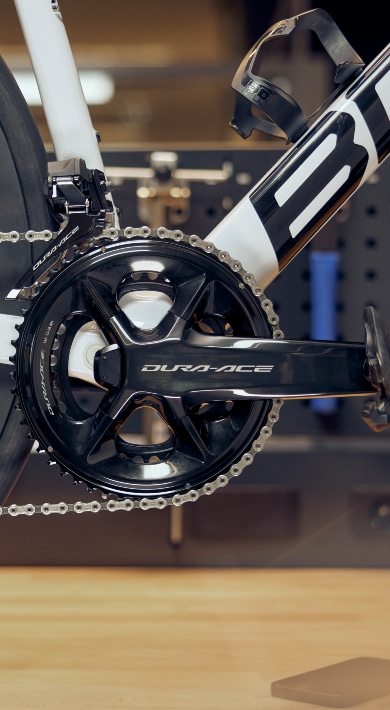
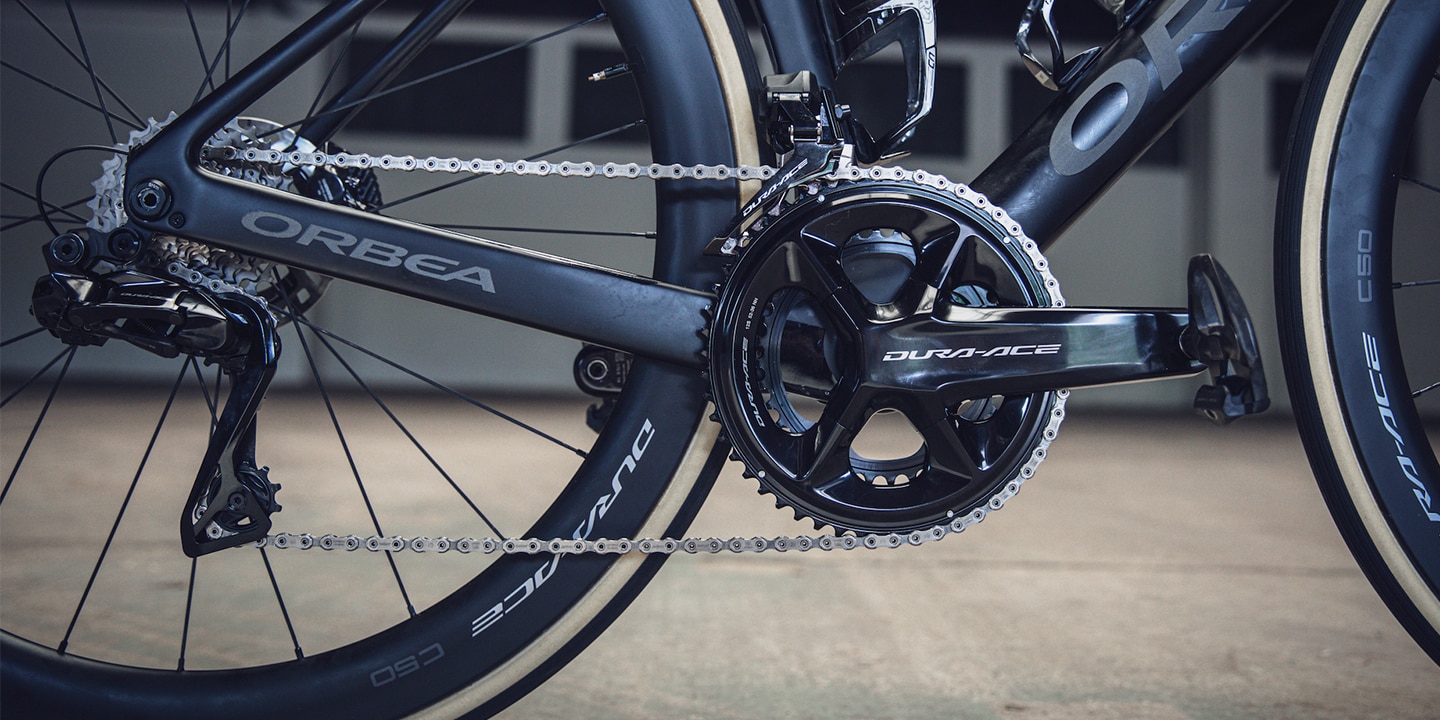
Aerodynamic demands in road cycling keep rising. Housing a high-capacity battery inside the frame lets both derailleurs be significantly more compact. The result integrates with a modern frame rather than sitting on top of it. Ideal for weight distribution and center of gravity.

Di2: A systems-engineering approach

Shimano’s Di2 road shifting is designed as a complete system, with every component optimized to work together for maximum efficiency, precision, and reliability. One high-capacity battery, two derailleurs working together as a coordinated system, and one design objective: delivering powerful, dependable shifting when it matters most.